
How can pallet inverter improve warehouse safety and protect workers in chemical sites?
Working in a chemical warehouse means facing daily risks. The materials handled are often hazardous. Safety is not just a buzzword; it is a critical necessity. Managers like Carlos, who oversee large operations, constantly seek ways to protect their teams and ensure smooth, compliant operations. I have seen countless situations where manual processes put workers at unnecessary risk. This is especially true when it comes to handling heavy or awkwardly shaped loads. The challenge is real, and the need for better solutions is urgent.
Pallet inverters can significantly improve warehouse safety and protect workers in chemical sites by automating the handling of heavy and hazardous materials, eliminating manual lifting, reducing the risk of spills, and minimizing human interaction with dangerous goods during pallet changes.
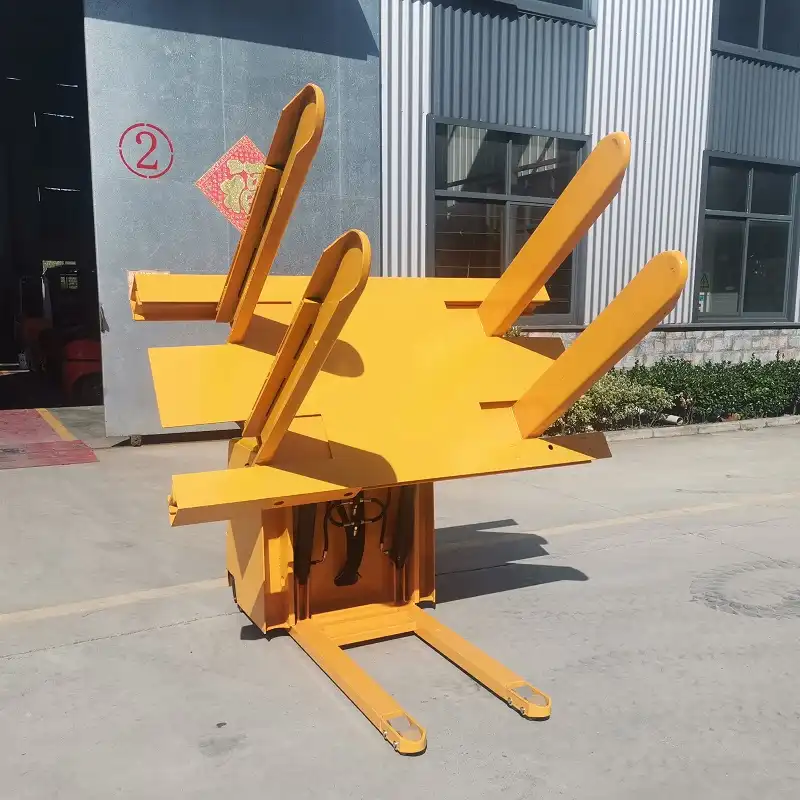
Understanding the core dangers is the first step. Finding the right tools to mitigate these dangers is the next. This article will break down the specific challenges faced in chemical sites. We will explore how manual handling increases risks, and then show exactly how pallet inverters offer a powerful solution. This is about making your operations safer, smarter, and more efficient.
What unique safety challenges do chemical sites face?
Chemical sites have specific hazards that other warehouses may not face. Handling hazardous materials brings its own set of dangers. Even small mistakes can lead to serious consequences. This creates a constant need for careful planning and strict adherence to safety protocols.
Chemical sites face unique safety challenges because they handle flammable, corrosive, toxic, or reactive substances, which require specialized storage, handling, and emergency procedures, making any operational error or manual handling mistake potentially catastrophic for workers and the environment.
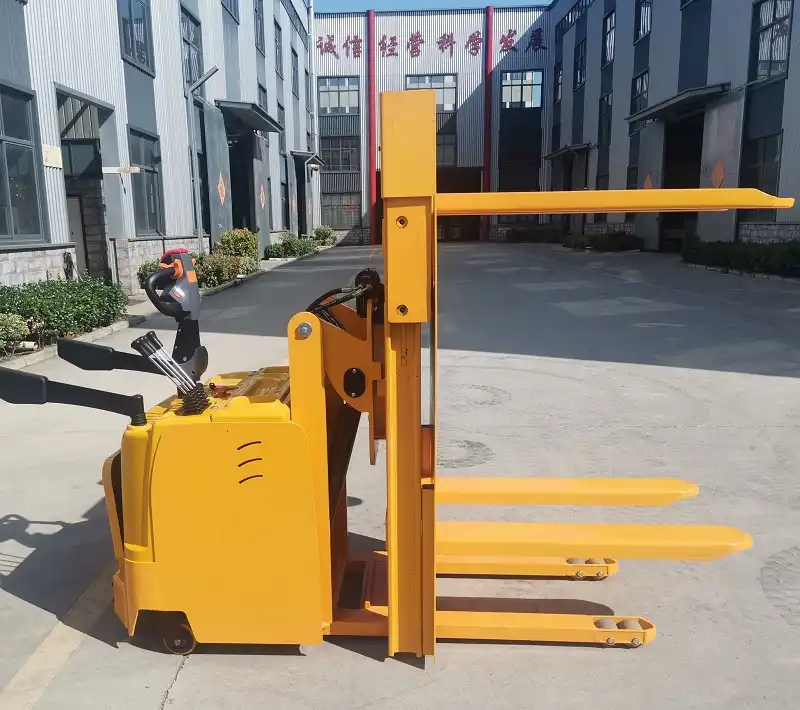
In my years in the packing machine industry, I have seen operations of all kinds. Chemical sites always stand out due to the high stakes involved. The primary challenge is the nature of the products themselves. Many chemicals are dangerous if spilled, inhaled, or touched. This means workers need special training and protective equipment. Also, regulatory compliance is extremely strict. Governments impose harsh penalties for safety violations. Companies must follow rules for storage, labeling, and transport. This makes operations complex. There is also the risk of spills and leaks. Even a small container can release harmful fumes or liquids. These incidents can harm workers, damage property, and pollute the environment. Emergency response plans must be robust. Workers need to know exactly what to do if an accident happens. They need to understand how to contain spills and provide first aid. Furthermore, some chemical processes might involve reactions that produce heat or gas. This adds another layer of risk. Moving these materials around the warehouse presents specific challenges. Heavy drums, awkward containers, and fragile packaging all require precise handling. Manual methods increase the chance of human error. This is where the right equipment becomes invaluable. Investing in safer technologies is not just an option; it is a necessity for protecting lives and ensuring business continuity. It also helps meet the high standards expected by customers and regulators.
How does manual pallet handling risk worker safety in chemical logistics?
Manual pallet handling in chemical logistics is a significant source of risk. Workers often need to lift heavy items, twist their bodies, or work in awkward positions. This can lead to various injuries. These actions are especially dangerous when dealing with hazardous materials.
Manual pallet handling in chemical logistics significantly risks worker safety by increasing the likelihood of musculoskeletal injuries from heavy lifting, strains from awkward postures, and direct exposure to hazardous materials if containers are dropped or mishandled, leading to spills or chemical contact.
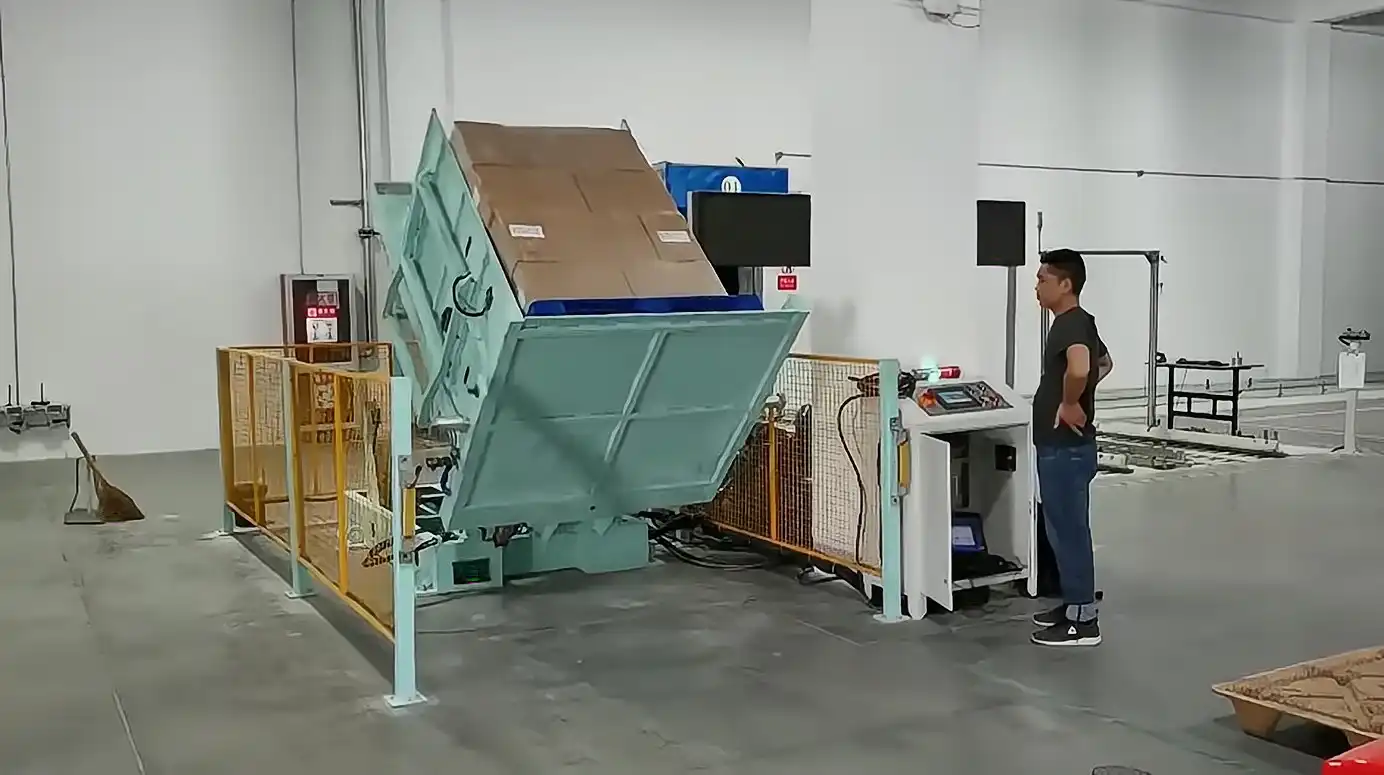
From my experience on the factory floor, I have seen how physically demanding warehouse work can be. When workers manually handle pallets, they often perform tasks that are inherently unsafe. For instance, sometimes a forklift operator might try to “flip” a pallet by lifting it high and then lowering it quickly onto another pallet or the floor. This method is incredibly unstable. The load can easily shift or fall, especially with heavy chemical drums. This puts anyone nearby in extreme danger. Also, workers might manually try to adjust items on a pallet or even physically move pallets by pushing or pulling them. This can cause severe back injuries, sprains, and muscle strains. In a chemical site, a dropped container is not just a broken product; it is a potential chemical spill. This spill can expose workers to toxic fumes, corrosive liquids, or flammable substances. The consequences can be immediate and severe, ranging from burns and respiratory issues to explosions. Using manual methods for pallet changes, like transferring individual items from one pallet to another, is very time-consuming. It also increases the number of times a worker interacts directly with the chemical packaging. Each interaction is a chance for an accident or exposure. Think about the fatigue that sets in during a long shift. Tired workers are more likely to make mistakes. These mistakes can be critical in a hazardous environment. That is why reducing reliance on manual effort is not just about efficiency; it is about protecting the lives of your team. It means preventing the kinds of accidents Carlos wants to avoid.
How does a pallet inverter directly enhance safety in hazardous environments?
A pallet inverter removes the need for manual handling of loads during pallet changes. This mechanical solution directly addresses many safety concerns in hazardous environments. It creates a much safer workflow.
A pallet inverter directly enhances safety in hazardous environments by eliminating manual intervention in pallet changing, preventing worker injuries from heavy lifting or awkward movements, significantly reducing the risk of product drops and chemical spills, and ensuring a controlled, stable transfer of goods in a contained manner.

When I designed packing machines, safety was always a top priority. A pallet inverter brings automation to a high-risk task. This changes everything for chemical warehouses. First, it completely takes away the need for workers to physically lift or maneuver heavy pallets or products. The machine does all the heavy work. This prevents a wide range of common injuries, such as back strains, muscle tears, and crushed limbs. Workers do not have to twist, bend, or carry awkward loads. They can stand clear while the machine operates. This distance from the load is crucial, especially if the materials are corrosive or toxic. Second, a pallet inverter secures the load firmly before any movement. This means there is a much lower chance of items falling off the pallet during the transfer process. If you are handling drums of chemicals, this is incredibly important. A secure grip prevents spills, which, as we discussed, can have devastating effects. The machine handles the entire pallet as one unit, reducing the risk of individual containers being damaged. This also means less exposure to potential fumes or contact with hazardous substances. Workers do not need to be close to the product during the flip. Third, many pallet inverters come with safety features like emergency stop buttons, light curtains, and secure fencing. These features add an extra layer of protection. They ensure that workers are safe around the machine itself. By reducing human error and physical strain, a pallet inverter transforms a dangerous operation into a safe, controlled mechanical process. It truly protects workers where it matters most.
Beyond safety, what operational benefits do pallet inverters offer chemical warehouses?
While safety is the main concern in chemical sites, pallet inverters offer much more. They bring significant operational advantages. These benefits can improve overall warehouse performance and profitability.
Beyond safety, pallet inverters offer chemical warehouses crucial operational benefits like increased efficiency by speeding up pallet changes, improved compliance for diverse pallet standards (Euro, US, plastic), reduced labor costs due to automation, and better product integrity by minimizing manual handling damage.
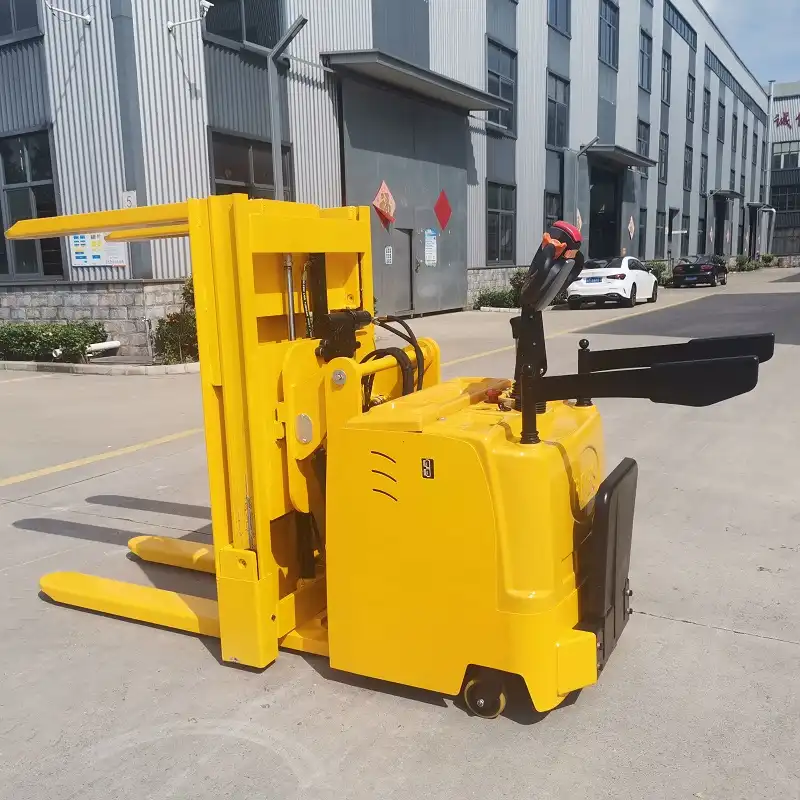
Having built a successful packing machine factory, I know that smart investments deliver multiple returns. For chemical warehouses, pallet inverters offer immediate gains in efficiency. They can change pallets in minutes, far quicker than manual methods. This speed is vital when dealing with high volumes, like Carlos’s thousands of pallets daily. Faster pallet changes mean goods move through the warehouse more quickly. This reduces bottlenecks and improves overall throughput. Also, pallet inverters handle different pallet types with ease. This is a huge benefit for businesses with international operations. You can switch from a standard wood pallet to a hygienic plastic pallet, or from a Euro pallet to a US pallet, without manually re-stacking items. This ensures compliance with various shipping regulations and customer requirements. It avoids costly delays and fines. My clients often tell me how much this flexibility helps their export operations. Labor costs are also a big factor. With a pallet inverter, fewer workers are needed for the physically demanding task of pallet changing. This frees up staff for other, less strenuous, or more skilled tasks. It also helps address the labor shortages that many warehouses face today. The machine works consistently, day in and day out, without getting tired. This increases consistency in operations. Furthermore, automated handling reduces product damage. Manual transfers can lead to dropped boxes, torn bags, or cracked containers. The secure clamping of a pallet inverter prevents such damage. This means less waste and better product quality for your customers. In short, a pallet inverter is not just a safety tool; it is a strategic asset for modern chemical logistics. It helps achieve efficiency, cost savings, and high customer satisfaction.
Conclusion
Pallet inverters are vital for chemical site safety. They protect workers, boost efficiency, and ensure compliance. This makes them a smart investment for any modern warehouse needing a pallet inverter.








