
Coil Wrapping Machine for Singapore Exporters: Which Model Offers Best ROI?
Exporting goods from Singapore means dealing with intense global competition. Many exporters face high labor costs and the constant risk of product damage during long international transit. Relying on outdated, manual packing methods slows down production, drives up expenses, and puts your business reputation at risk. A robust, efficient coil wrapping machine is not just an option; it is a necessity for modern success.
For Singapore exporters, the best ROI from a coil wrapping machine comes from models that balance initial investment with high automation, superior product protection, and low operational costs, specifically orbital wrappers for their versatility and efficiency in safeguarding various coil types for international shipping.

Many of my clients ask me which machine truly delivers the most value. They want to know where to put their money for the best return. From my experience building and running packing machine factories, I learned a lot about what works and what does not. Let me share what I found to help you make smart choices.
1. Why is a Coil Wrapping Machine a Must-Have for Singapore Exporters?
Exporting heavy coils from Singapore means navigating complex supply chains, managing potential damage risks, and meeting strict delivery schedules. If you still use old, manual methods for packing, you will see slow output, increased labor costs, and unhappy customers. Automated coil wrapping is no longer a luxury for exporters; it is essential for staying competitive and growing your business.
Coil wrapping machines are crucial for Singapore exporters because they automate slow manual processes, significantly reduce product damage during transit, improve worker safety, and cut labor costs, ensuring products arrive in perfect condition and businesses remain competitive.
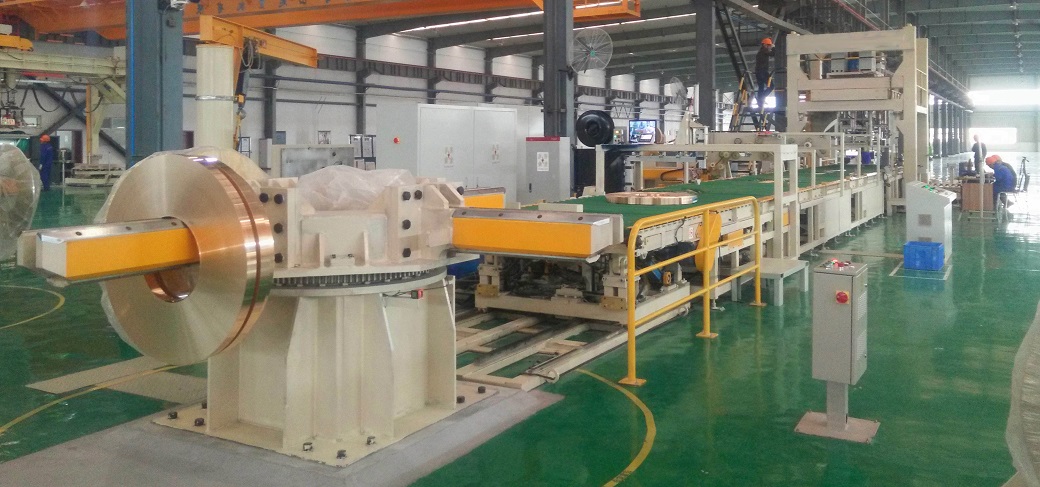
When I first started in the packing machine industry, I saw many factories struggling with manual coil packing. Workers had to physically wrap heavy coils. This was slow. It also caused many injuries. I saw firsthand how much time and money companies lost due to these methods. This pushed me to find better solutions. For Singapore exporters, these problems are even bigger because products travel long distances. They face more handling points. This means a greater chance for damage.
The Hidden Costs of Manual Coil Packing
Manual coil packing might seem cheaper at first glance because you avoid machine purchase costs. However, this thinking ignores many hidden expenses. These costs add up fast, especially for a busy export operation.
- High Labor Costs: You need many workers to pack coils by hand. These workers spend hours doing repetitive, physically demanding tasks. In Singapore, labor is expensive. These wages quickly become a major operational cost.
- Slow Production Speed: Manual packing is inherently slow. This creates bottlenecks at the end of your production line. It reduces your overall output. This can delay shipments. It can also lead to missed deadlines. This affects customer satisfaction.
- Increased Product Damage: Human error is common in manual packing. Coils can get scratched, dented, or unwrapped during handling and transit. This is especially true for delicate edges of steel or copper coils. Each damaged product means a loss. It also leads to customer complaints and returns.
- High Safety Risks: Lifting and turning heavy coils puts workers at risk of injury. Back strains, crushed fingers, and other accidents are common. These injuries lead to higher insurance premiums. They also cause lost workdays. They can even result in legal issues. My own factory once had an incident with a worker hurting their back trying to move a large coil. This experience taught me how important safety automation is.
- Inconsistent Packaging Quality: Manual wrapping quality can vary from worker to worker. It can also vary based on how tired a worker is. This inconsistency means some coils might not be protected well enough for export. This increases the risk of damage during shipping.
To illustrate the stark difference, consider this comparison:
| Feature | Manual Coil Packing | Automated Coil Wrapping Machine |
|---|---|---|
| Speed & Throughput | Slow, labor-intensive, bottlenecks | Fast, consistent, high volume, no bottlenecks |
| Labor Requirement | High (multiple workers per shift) | Low (one operator for monitoring) |
| Product Damage | High risk due to human error, inconsistent wrapping | Very low risk with consistent, secure wrapping |
| Worker Safety | High risk of injury (back, hands, crushing) | Significantly reduced risk, minimal manual handling |
| Packaging Quality | Inconsistent, depends on individual worker skill | Highly consistent, uniform protection |
| Material Usage | Often inefficient, waste from uneven wrapping | Optimized, consistent tension and overlap, less waste |
| Overall Cost | High long-term operational costs (labor, damage, safety) | Lower long-term operational costs, faster ROI |
| Export Readiness | Variable, potential for issues in transit | High, products well-protected for international shipping |
Protecting Your Reputation and Bottom Line
For Singapore exporters, your reputation is everything. A single damaged shipment can tarnish years of trust. Automated coil wrapping ensures your products arrive at their destination in perfect condition. This reduces customer complaints. It also eliminates the costs associated with returns and replacements. It strengthens your brand image. This leads to repeat business and positive referrals. This directly impacts your profitability. You invest in quality packaging. You protect your product and your business future.
2. What Types of Coil Wrapping Machines Offer the Best Value?
With many types of coil wrapping machines available, choosing the right one for your Singapore export business can feel overwhelming. Picking the wrong machine leads to wasted investment, inefficient operations, and continued packing problems. I have seen companies make this mistake. They buy a machine that does not fit their needs. Then they struggle for years. Let me break down the most effective options for exporters. I will focus on what truly offers value.
For Singapore exporters, orbital stretch wrappers offer the best all-around value due to their ability to provide superior, consistent protection for diverse coil types, enhancing product integrity during long-haul shipping while optimizing material use and throughput.

My journey in the packing machine industry taught me that “best value” does not always mean the cheapest. It means the machine that performs reliably, protects your product best, and provides the highest return over its lifetime. For coils, especially those going for export, the type of protection needed is very specific. It must withstand rough handling, changes in temperature, and long storage times.
Understanding Key Coil Wrapping Technologies
Different types of machines offer different ways to wrap coils. Each has its strengths and weaknesses. Understanding these differences helps you choose the right fit for your export needs.
Orbital Stretch Wrappers
Orbital stretch wrappers are arguably the most versatile and effective for coil packing. They use a horizontal rotating ring that passes packaging film or other materials around a stationary or slowly moving product.
- How they work: The coil sits on a conveyor or pallet. The wrapping head moves around the coil, applying film in a tight, overlapping spiral. This creates a fully enclosed, protective wrap.
- Benefits for exporters:
- Full Enclosure: They wrap the entire surface, including the inner and outer diameters. This protects against dust, moisture, and impact damage from all angles. This is critical for long transit times.
- Versatility: They handle various coil sizes and weights. This means steel, copper, wire, or even plastic coils. They adapt easily.
- Efficiency: They wrap quickly and consistently. This reduces labor. It also increases throughput.
- Material Savings: Modern orbital wrappers apply film with consistent tension. This minimizes waste. It also uses less film to achieve a secure wrap.
- Damage Prevention: The tight wrap secures the coil. It prevents shifting or unraveling. This reduces damage during loading, unloading, and shipping.








