
Why Should Hazardous Goods Factories Invest in Pallet Inverters for Safer Handling?
Imagine a busy warehouse. It handles chemicals, flammable liquids, or other dangerous materials every single day. One small mistake in moving a pallet could lead to a massive problem. Accidents in these environments are not just costly; they can be catastrophic, putting lives at risk and causing huge damage. Is your factory truly safe, or are you just one manual slip away from disaster?
Hazardous goods factories absolutely must invest in pallet inverters to ensure safer handling. These machines remove human contact from high-risk tasks, minimizing spills, injuries, and property damage, while also improving overall operational efficiency and compliance.
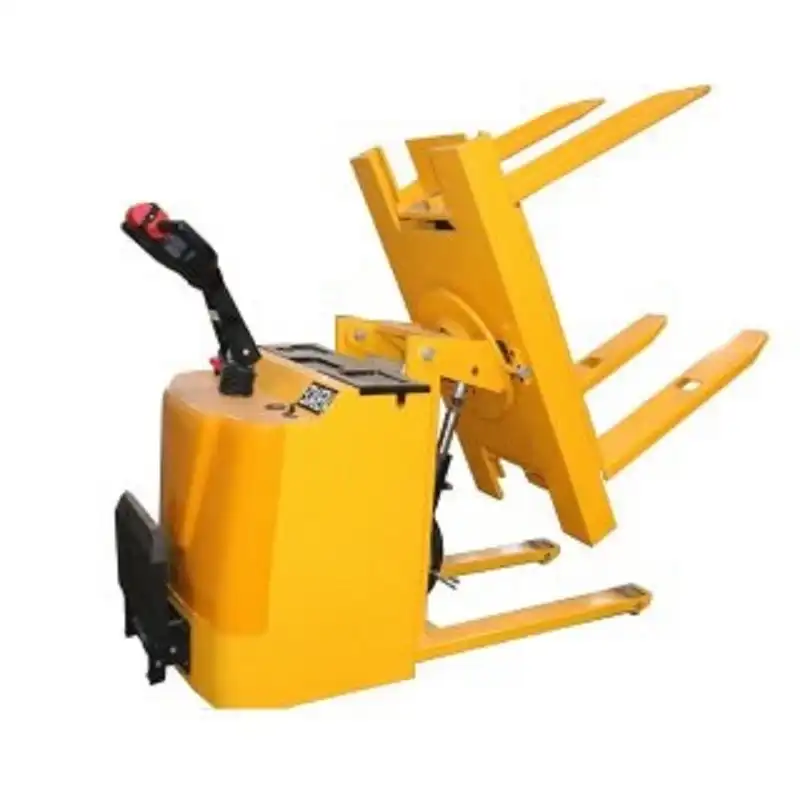
I know what it is like to see operations from the factory floor. I have spent years in this industry. From my experience, the push for safety often meets the need for efficiency. Many managers, like Carlos in Spain, face constant pressure to keep things moving fast while also keeping everyone safe. This article will show you why pallet inverters are not just an expense. They are a smart investment for safety and success in hazardous goods operations.
What Risks Do Manual Pallet Handling Pose in Hazardous Environments?
Think about your warehouse. Do your team members regularly lift, shift, or even manually flip heavy pallets filled with dangerous items? This common practice is a silent threat. It brings many risks. It does not just slow things down; it puts everyone in harm’s way. Are these risks acceptable for your business?
Manual pallet handling in hazardous environments poses significant risks, including chemical spills, toxic exposure, physical injuries from heavy lifting, and the potential for severe accidents like fires or explosions due to dropped or damaged containers.
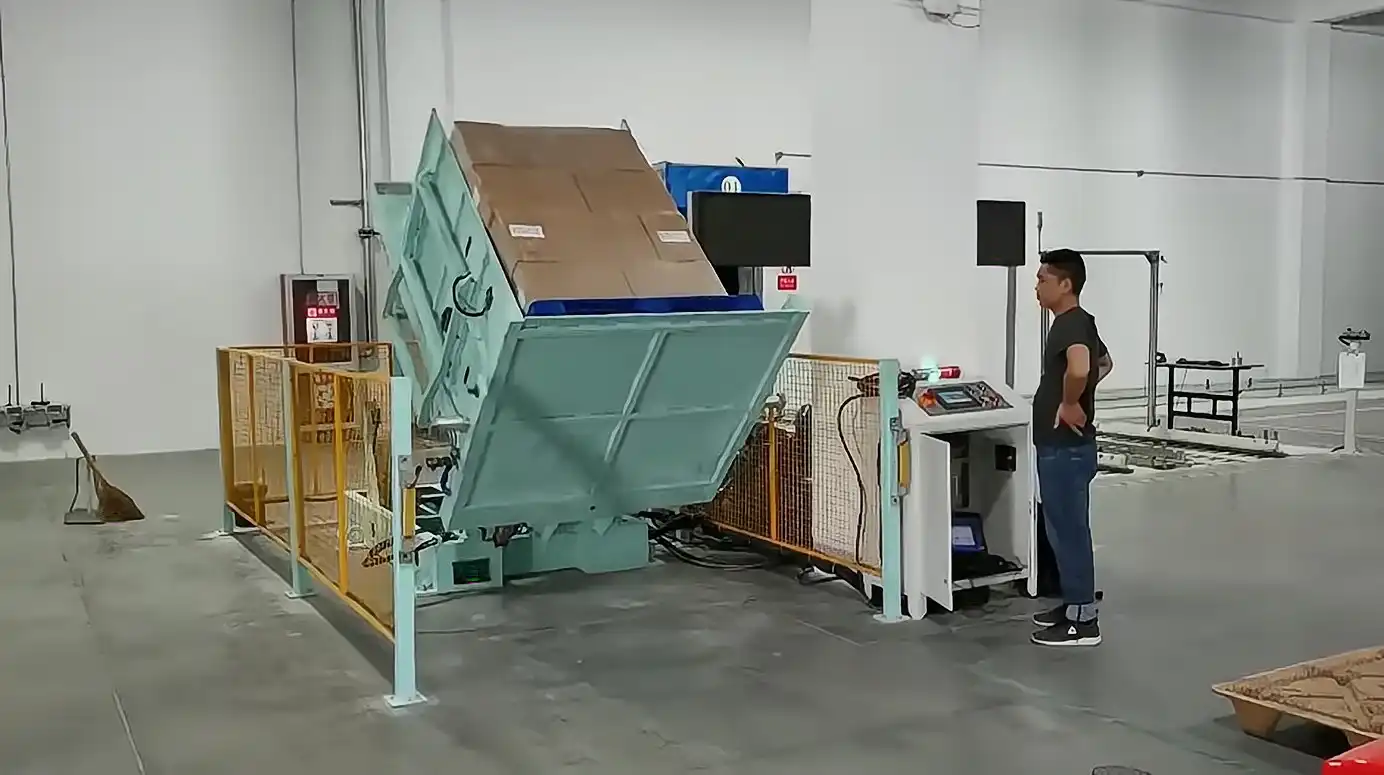
When I first started in the packing machine industry, I saw how much effort went into moving goods. But I also saw the constant dangers. Hazardous materials add a whole new level of worry. Workers often need to change pallets because of different standards, like Euro pallets versus US pallets, or when damaged goods need new bases. Doing this by hand is very risky. It increases the chance of accidents.
1. Direct Health and Safety Threats 🚨
Working with dangerous goods means every movement must be precise. Manual handling makes this very hard. When workers lift, tilt, or rotate heavy pallets by hand, they face many dangers.
- Chemical Exposure and Spills: A single misstep can cause a container to tip. This can lead to chemical spills. These spills are not just messy; they are dangerous. They can harm workers, damage property, and require costly cleanups. For toxic substances, even small leaks are a big problem.
- Physical Injuries: Lifting heavy loads and awkward shapes leads to muscle strains, back injuries, and crushed limbs. These are common warehouse injuries. When the goods are hazardous, these injuries become even worse. A worker cannot quickly move away if they drop a dangerous item.
- Explosion and Fire Hazards: Many hazardous goods are flammable or explosive. If a pallet is dropped or mishandled, it can damage containers. This can cause leaks that might ignite. A small spark can turn into a huge fire or explosion, putting the entire facility and nearby areas at risk.
- Contamination Risks: Beyond direct exposure, damaged containers can lead to environmental contamination. This includes soil or water pollution. Such incidents can result in large fines and damage a company’s reputation.
2. Operational Inefficiencies and Costs 📉
Beyond safety, manual handling of hazardous goods also hurts your business’s bottom line. The slow, risky nature of manual tasks costs money.
- Slow Processing Times: Manually changing pallets takes a lot of time. This slows down your whole operation. In an industry where speed is key, delays can mean missed deadlines and unhappy customers. For Carlos, managing thousands of pallets daily, slow processes are a huge problem.
- High Labor Costs and Shortages: Manual work needs many people. These jobs are often tough and dangerous. This leads to higher labor costs, especially for skilled workers. Also, it is harder to find young people willing to do such high-risk work. This makes labor shortages a big challenge.
- Product Damage and Loss: When workers manually move pallets, they might drop or damage items. This is true even with careful handling. Hazardous goods are often expensive. Product damage means financial loss. It also means dealing with dangerous broken containers.
- Increased Insurance Premiums: A history of accidents and injuries in the workplace will drive up your insurance costs. Insurers see manual handling of hazardous goods as a high-risk activity. This directly affects your operating expenses.
3. Compliance and Reputation Risks ⚖️
Operating with hazardous goods means following strict rules. Manual handling makes this harder.
- Regulatory Penalties: Governments have strict rules for handling hazardous materials. Not following these rules can lead to heavy fines. Regulators watch high-risk industries closely. Manual methods often fail to meet safety standards.
- Loss of Customer Trust: If your company has safety incidents or delivery delays because of manual handling problems, customers will notice. They might lose trust in your ability to handle their goods safely and efficiently. This is especially true for multinational groups. They need reliable partners.
- Environmental Impact: Spills of hazardous materials can have lasting negative effects on the environment. Companies are responsible for these impacts. This can lead to legal action and harm the company’s public image.
Manual handling of hazardous goods is a serious issue. It affects workers, costs, and a company’s future. It is a problem that needs a modern solution.
How Do Pallet Inverters Specifically Enhance Safety for Hazardous Goods?
You have seen the risks. Now, let’s talk about the solution. Pallet inverters are specialized machines. They are not just for moving pallets; they are built for safe and efficient material handling, especially with dangerous goods. How do these machines truly make your hazardous goods operations safer?
Pallet inverters specifically enhance safety for hazardous goods by automating the pallet transfer process, thereby minimizing direct human interaction with dangerous materials, preventing spills through secure clamping, reducing physical strain on workers, and ensuring stable load transfers.

From my early days in the packing machine industry, I always believed in the power of good engineering. I’ve seen how a well-designed machine can change an entire operation. For hazardous goods, a pallet inverter is not just a convenience; it’s a critical safety barrier. It moves the risk away from people.
1. Minimizing Human-Material Interaction 🚫
The biggest safety benefit of a pallet inverter is simple: it keeps people away from danger. Hazardous goods are risky when people touch them or get too close.
- Automated Operation: Pallet inverters do the heavy lifting and turning without human hands. Workers load a pallet into the machine. The machine then does the rest. This means no manual flipping, no climbing, and less direct contact with potentially dangerous items.
- Reduced Exposure: By limiting human interaction, the chance of chemical exposure from spills or fumes drops significantly. This protects workers from breathing in harmful substances or getting them on their skin. This is vital for long-term health and safety.
- Controlled Environment: The entire process happens within the machine’s safety zone. This isolates the hazardous materials during the transfer. If there is a small leak inside the machine, it is contained. This prevents widespread contamination in the warehouse.
2. Preventing Spills and Damage 🛡️
Pallet inverters are designed to handle loads securely. This design prevents the very accidents that cause spills and damage.
- Secure Clamping Mechanisms: These machines firmly hold the pallet and its load. This stops items from shifting or falling during the inversion process. A secure grip means containers are less likely to tip over or break.
- Smooth and Controlled Movement: Unlike manual methods, which can be jerky, pallet inverters move smoothly. They rotate or invert pallets with slow, controlled motions. This gentle handling reduces stress on containers. It lowers the risk of structural damage that could lead to leaks.
- Protecting Product Integrity: Hazardous goods often come in special, costly packaging. Damage to this packaging means both product loss and safety hazards. Pallet inverters protect this packaging. This keeps the product safe and reduces waste.
3. Enhancing Ergonomics and Worker Well-being 💪
Safety is also about the daily health of your workers. Pallet inverters remove the physical toll of manual handling.
- Eliminating Heavy Lifting: Pallet inverters do all the lifting. Workers do not need to strain their backs or use awkward body positions. This greatly reduces the risk of musculoskeletal injuries. These are very common in warehouses.
- Reducing Repetitive Strain: Changing pallets by hand often involves repetitive movements. This can lead to chronic pain and injuries over time. Machines take away this repetitive strain. This helps workers stay healthy and productive for longer.
- Fewer Accidents and Incidents: With less manual intervention, there are fewer chances for human error. This leads to fewer dropped loads, fewer collisions, and overall fewer accidents in the warehouse. A safer workplace means happier, more reliable staff.
4. Improving Compliance and Audit Trails ✅
Meeting safety standards is easier when you use automated systems. Pallet inverters help you show that you follow the rules.
- Standardized Operations: Machines perform tasks the same way every time. This creates a standardized process for pallet handling. This makes it easier to meet and prove compliance with safety regulations for hazardous goods.
- Easier Audits: Automated systems provide clear data on operations. This helps with audits. You can show how your company uses safe methods for handling dangerous materials. This builds trust with regulators and clients.
- Peace of Mind for Management: For managers like Carlos, knowing that dangerous tasks are handled by reliable machines brings peace of mind. It means less worry about accidents, fines, and the complex rules around hazardous materials.
By integrating pallet inverters, factories dealing with hazardous materials create a much safer work environment. They also build a more resilient and compliant operation.
Beyond Safety, What Operational Benefits Do Pallet Inverters Offer Hazardous Goods Facilities?
Safety is the top concern for hazardous goods. But what if one solution could offer much more? Pallet inverters do not just protect your people and products; they also make your entire operation run better. They address many of the challenges managers face daily. What are these added advantages for your business?
Beyond enhancing safety, pallet inverters offer significant operational benefits to hazardous goods facilities by drastically improving efficiency, reducing labor costs, preventing product damage, increasing throughput, and ensuring compliance with diverse international pallet standards.
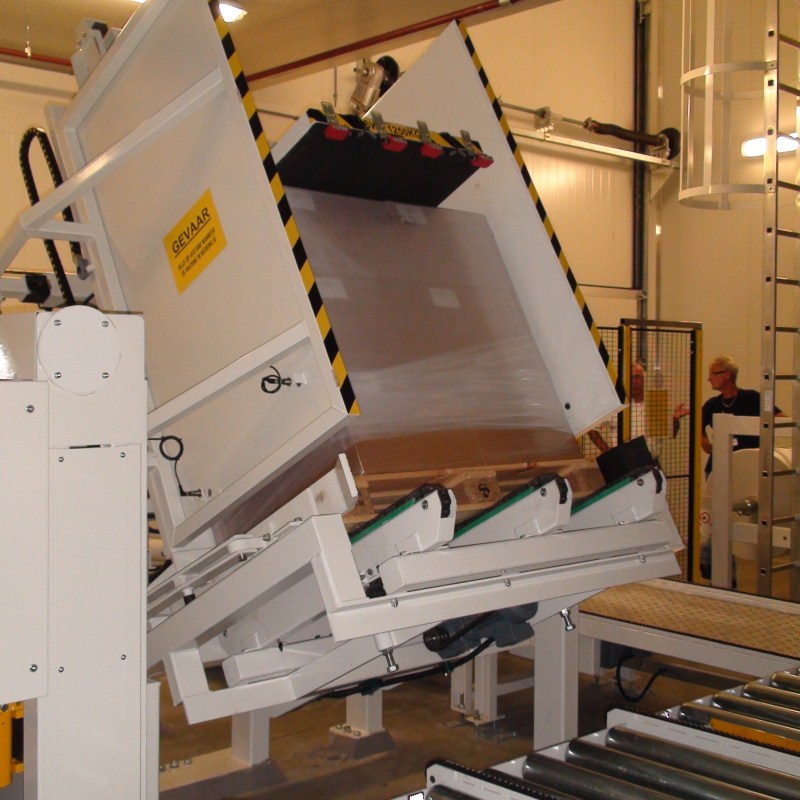
My journey in the packing machine industry has shown me that true innovation solves multiple problems at once. When I started FHOPEPACK, my goal was to provide solutions that go beyond the obvious. A pallet inverter is a perfect example. It not only keeps workers safe but also makes the business more competitive.
1. Boosting Efficiency and Throughput ⚡
In today’s fast-paced world, speed is everything. Pallet inverters speed up critical processes in your warehouse.
- Faster Pallet Switching: Manual pallet changes take a lot of time. Workers have to unload, re-palletize, and reload. Pallet inverters do this in minutes. This dramatically cuts down on the time needed for each pallet. For Carlos, handling thousands of pallets, this time saving is huge.
- Reduced Turnaround Times: Quicker pallet changes mean trucks spend less time waiting at the loading dock. This improves your overall logistics flow. It allows for more shipments per day. This meets the demands of clients asking for faster delivery.
- Streamlined Processes: Integrating pallet inverters into your workflow makes the entire process smoother. It removes bottlenecks caused by manual handling. This helps create a more organized and efficient warehouse operation.
2. Significant Cost Reductions 💰
Every manager looks for ways to cut costs without cutting quality or safety. Pallet inverters help achieve this.
- Lower Labor Costs: Pallet inverters reduce the need for many workers to handle pallets. One person can often operate the machine. This directly cuts down on labor expenses. It also helps with the challenge of finding enough workers for strenuous tasks.
- Reduced Product Damage Costs: As discussed, pallet inverters handle goods carefully. This means less damage to your products. Less damage equals fewer losses and lower costs from replacing or disposing of damaged hazardous items.
- Decreased Insurance Premiums: A safer workplace, with fewer accidents and injuries, often leads to lower insurance rates over time. This is a direct financial benefit that adds up.
- Optimized Space Usage: Some pallet inverters allow for better stacking or consolidation. This can help optimize warehouse space. This means you use your existing space more effectively.
3. Enhancing Flexibility and Compliance 🌍
Modern logistics deals with a global market. This means different standards. Pallet inverters make adapting to these differences easy.
- Handling Diverse Pallet Types: Pallet inverters are made to work with various pallet sizes and materials. This includes Euro pallets, US pallets, plastic pallets, and wooden pallets. This flexibility is crucial for international trade. It lets companies quickly switch between different standards for exports.
- Meeting Hygiene Standards: For industries like food and beverage (Carlos’s sector) or pharmaceuticals, hygiene is key. Pallet inverters can easily swap out wooden pallets (which can harbor pests or dirt) for clean plastic ones. This ensures products remain compliant with strict hygiene rules.
- Damage Control and Returns: Pallet inverters are useful for dealing with damaged pallets. If an incoming pallet is broken, the goods can be safely transferred to a new, sound pallet. This prevents further damage and ensures safe storage or onward shipping.
4. Improving Customer Satisfaction and Reputation ⭐
Ultimately, all these benefits lead back to your customers and your company’s image.
- Reliable Deliveries: With faster, more efficient, and safer handling, your delivery times become more reliable. This is a huge factor for customer satisfaction, especially with demanding clients in e-commerce and retail.
- Consistent Product Quality: Less product damage means customers receive their goods in perfect condition. This boosts confidence in your brand. It shows you handle their products with care.
- Stronger Business Relationships: By providing efficient and safe services, you build a reputation as a trustworthy partner. This helps secure long-term contracts. It also attracts new business. This is exactly what managers like Carlos are looking for in a supplier.
Pallet inverters are a strategic asset. They help hazardous goods factories improve operations, cut costs, and build a stronger business. They go far beyond just safety.
Why Is Choosing the Right Pallet Inverter Supplier Critical for Long-Term Success?
You are ready to invest in a pallet inverter. This is a big step. But the journey does not end with buying a machine. The choice of your supplier is as important as the choice of the machine itself. Why does picking the right partner matter so much for your factory’s future?
Choosing the right pallet inverter supplier is critical for long-term success because it ensures you get reliable equipment, expert customization, comprehensive after-sales support, and a partner who truly understands your specific hazardous goods handling challenges.

When I founded FHOPEPACK, I did it because I wanted to offer more than just machines. I wanted to offer solutions and partnership. I learned that trust and reliability are key. A great machine is only truly great if it comes with great support. For a hazardous goods factory, this is not just good business; it is essential for safety and continuous operation.
1. Ensuring Equipment Reliability and Customization ⚙️
A pallet inverter for hazardous goods needs to be tough and precise. Your supplier must provide machines that meet these high standards.
- Robust Construction: Hazardous goods environments are demanding. Machines need to be built to last. A good supplier uses high-quality materials and strong designs. This ensures the pallet inverter can handle heavy loads and continuous use without failing.
- Tailored Solutions: Every factory is different. A reliable supplier does not offer a “one-size-fits-all” product. They work with you to understand your specific needs. This includes pallet sizes, load weights, and even the type of hazardous materials. They can then customize the machine for your exact operation.
- Compliance with Standards: A reputable supplier knows all the safety standards for hazardous goods. They make sure their machines meet or exceed these rules. This gives you peace of mind that your equipment is compliant. This also protects you from future issues.
2. The Importance of Expertise and Understanding 🧠
You need a supplier who speaks your language and understands your pain points. They should be more than just salespeople.
- Industry Knowledge: A good supplier understands the unique challenges of handling hazardous goods. They know about regulations, safety protocols, and the specific concerns of industries like food and beverage or chemicals. This knowledge allows them to offer relevant advice and solutions.
- Problem-Solving Approach: Managers like Carlos are looking for partners who understand warehouse problems. A good supplier listens to your challenges. They then offer solutions. They do not just try to sell you a machine that might not fit your needs. They help you find the best way to automate.
- Training and Implementation: The best machine is useless if your team does not know how to use it safely and effectively. A good supplier provides thorough training. They help you integrate the pallet inverter into your existing workflow. This ensures a smooth transition and maximum benefit.
3. Comprehensive After-Sales Support 📞
What happens after the sale? This is where a true partner shows their value.
- Prompt Maintenance and Repairs: Machines can break down. When they do, especially in a hazardous goods factory, you need quick help. A reliable supplier offers fast, efficient maintenance and repair services. This minimizes downtime and keeps your operations running.
- Availability of Spare Parts: You need easy access to spare parts. A good supplier stocks essential components. This means you do not have to wait weeks for a repair. This ensures your pallet inverter can be fixed quickly if something breaks.
- Long-Term Partnership: Carlos wants a long-term partner. This means a supplier who stays with you, offers ongoing support, and helps you adapt as your needs change. They are invested in your success, not just a single sale. This kind of relationship builds trust and security.
4. Reputation and Track Record 🌟
Look at what other customers say. A supplier’s history tells you a lot.
- Customer Testimonials and Case Studies: A strong supplier will have positive feedback from other clients. They can show you how they have helped other businesses similar to yours. This proves their ability to deliver results.
- Commitment to Quality: A company’s reputation for quality is built over time. Look for suppliers known for durable machines and excellent service. This commitment to quality translates into reliable products and dependable support for your factory.
Choosing the right supplier is an investment in your factory’s future. It ensures that your pallet inverter not only performs well but also contributes to your long-term safety, efficiency, and growth.
Conclusion
Investing in a pallet inverter is essential for hazardous goods factories. These machines drastically improve safety by reducing human interaction, preventing spills, and enhancing ergonomics. Beyond safety, they boost efficiency, cut costs, and ensure compliance, making them a smart, long-term solution for modern warehouses.








