
How Can European Manufacturers Reduce Downtime on Slit Coil Packing Lines?
Factories in Europe face constant pressure. Production must run smoothly. Any break in your slit coil packing line means lost time and lost money. This kind of downtime hurts your output. It also eats into your profits. You need solutions that work.
Reducing downtime involves upgrading from old manual tasks, ensuring your equipment is reliable, and working with suppliers who truly understand your factory’s needs. This combination keeps your operations running efficiently and boosts overall output.
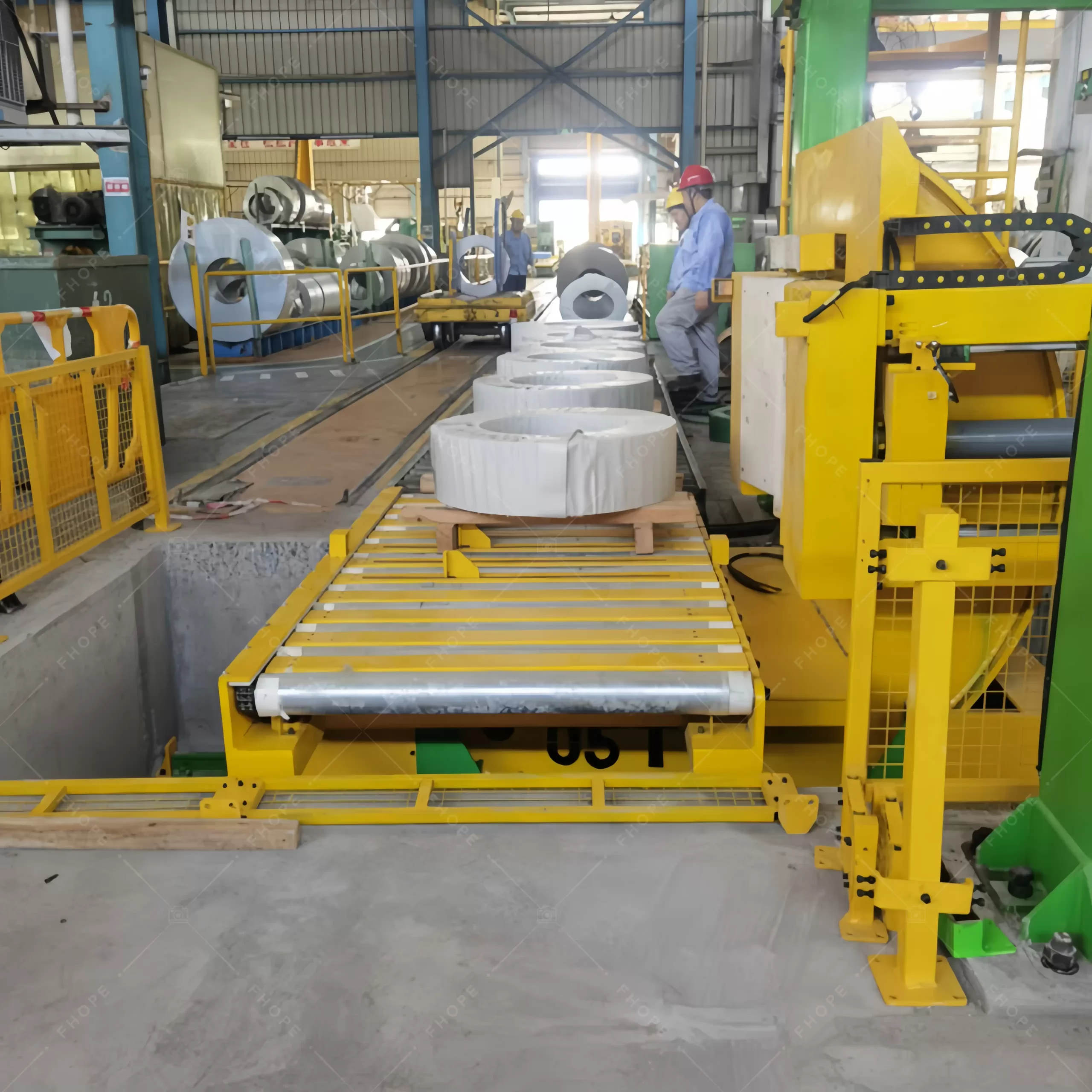
I have seen many factories struggle with these issues. I started on the factory floor myself. I later built my own packing machine factory. So, I know the problems you face. Let us explore some practical steps you can take right now.
Are Manual Coil Packing Methods Still Costing European Factories?
You probably know this problem. Your team packs heavy steel coils by hand. This process is slow. It takes a lot of time. This bottleneck slows down your entire factory. This manual work also puts your workers at risk.
Manual coil packing leads to slower production, higher safety risks, and potential damage to your products. Automating these steps is very important for improving efficiency and cutting costs in European manufacturing plants.

When I visit a factory, I often see people struggling with heavy coils. They lift, turn, and wrap. This is not just slow. It is also dangerous. Think about the costs here. It is not just the wages you pay. It is also the injuries. A worker might strain their back. They might drop a coil. This leads to lost workdays. It also means higher insurance payments. For European manufacturers, safety rules are strict. Failing to meet them can lead to big fines.
The Hidden Costs of Manual Labor
Manual work sounds cheap at first. You do not buy a big machine. But think deeper. Each coil takes X minutes to pack by hand. A machine can do it in Y minutes. The difference adds up fast. You need more workers for the same output. This means higher wages. It also means more benefits. Then there is turnover. People do not want to do hard, dangerous work forever. Hiring and training new staff costs money too. My own journey started as an employee. I saw this firsthand. Factories lost good people because the work was too hard.
Safety Hazards You Cannot Ignore
Handling heavy steel coils by hand is extremely risky. Workers can suffer severe injuries. These include crushed fingers, back strains, and foot injuries. Dropping a coil can also cause major damage to the factory floor or other equipment. This puts everyone nearby in danger. European safety standards are very high. You need to protect your team. Reducing manual handling is not just good for business. It is the right thing to do. My experience in building a factory taught me that a safe factory is a productive factory.
Protecting Your Product and Reputation
When workers handle coils, mistakes can happen. Edges can get bent. Surfaces can get scratched. Even small damage can make a client unhappy. Unhappy clients do not come back. This means lost orders. It means lost reputation. Automated systems wrap coils evenly and gently. They protect the product from start to finish. This ensures your steel arrives perfect every time. This also builds trust with your customers.
| Feature | Manual Coil Packing | Automated Coil Packing |
|---|---|---|
| Speed | Slow and inconsistent | Fast and consistent |
| Safety | High risk of worker injury | Low risk, workers are protected |
| Labor Cost | High, due to more workers | Low, fewer workers needed |
| Product Damage | Higher chance of damage | Lower chance of damage |
| Consistency | Varies by worker | High, machine ensures uniform pack |
| ROI | Negative, hidden costs | Positive, clear savings over time |
Can Reliable Packing Equipment Solve Your European Production Bottlenecks?
Your current packing machines break down often. This causes your whole production line to stop. Every minute of this downtime costs you a lot of money. You cannot afford these interruptions. You need equipment that just works.
High-quality, durable packing machines are very important for keeping downtime low. They can handle tough factory conditions. They deliver steady performance. This helps avoid expensive stops in your production line.

When I started FHOPEPACK, I knew equipment reliability was key. I spent years in packing machine factories. I saw good machines and bad machines. The bad ones caused endless headaches. They were cheap to buy but expensive to own. Michael, the factory manager, needs equipment that can handle a tough environment. This means machines built to last. They must work under high pressure. They must operate consistently.
Built for Durability: What to Look For
Good packing machines are made with strong materials. They have heavy-duty frames. They use industrial-grade parts. These machines are not made for light use. They are made for continuous, demanding work in a steel plant. Look for features like reinforced steel structures. Look for powerful motors. Look for robust control systems. These parts ensure the machine can handle heavy coils day after day. They prevent common breakdowns. They stand up to dust, heat, and vibration. This is very important for European factories. Their production demands are high.
Maintenance and Uptime: A Critical Relationship
No machine runs forever without care. But good machines need less care. They are easy to maintain. They have parts that are simple to replace. This means less time spent on repairs. It means more time spent producing. When choosing equipment, ask about maintenance schedules. Ask about spare parts availability. A machine that is easy to fix gets back to work faster. This directly cuts your downtime. It keeps your line moving.
The ROI of Robust Machinery
Investing in strong, reliable machines costs more up front. But think about the long term. You save money by avoiding costly breakdowns. You save money on fewer repairs. You save money on lower labor costs. You also make more money because your production line runs more. This means your initial investment pays for itself. It gives you a clear return. My clients, like Michael, look for this. They need solutions that improve their bottom line. A good machine is an investment in your future profits.
| Feature | Low-Cost Packing Machine | Robust Industrial Packing Machine |
|---|---|---|
| Initial Cost | Lower | Higher |
| Durability | Lower, prone to wear | High, built for heavy use |
| Maintenance Needs | High, frequent repairs | Lower, less frequent repairs |
| Downtime Impact | High, frequent breakdowns | Low, rare breakdowns |
| Operational Lifespan | Shorter | Longer |
| ROI | Potentially negative due to repairs | Clearly positive, consistent production |
How Do You Partner with a Truly Knowledgeable Packing Machine Supplier in Europe?
You have probably worked with suppliers before. Some just want to sell you a machine. Then they disappear. You need help, but they are gone. This creates a big problem. You feel alone when things go wrong.
Finding a packing machine supplier who offers deep industry understanding, strong after-sales support, and customized solutions is key to long-term success and minimal downtime.

Michael, the factory manager I mentioned, has faced this. He needs a partner, not just a seller. My whole mission with FHOPEPACK is about sharing knowledge. It is about being a partner. I want to help factories succeed. This is what I did for my own clients. This is what I want to offer to European manufacturers. You need someone who understands your real challenges. You need someone who has been there.
Beyond the Sale: What a True Partner Offers
A true partner does not just sell you a machine. They listen to your problems. They ask about your production bottlenecks. They care about your safety concerns. They suggest solutions that fit your factory. This often means custom equipment. It means ongoing support. They train your team. They offer spare parts. They help you if a problem comes up later. This is what real partnership looks like. It is about building trust over time. It is about making sure your investment pays off.
The Value of Industry Expertise
I learned the packing machine business from the ground up. I worked in a factory. I built a factory. This experience taught me what works and what does not. When you talk to a supplier, do they understand your specific industry? Do they know about coil packing? Do they understand the challenges of steel processing? A truly expert supplier can see problems before they happen. They can offer solutions that save you time and money. They do not just sell a product. They sell solutions. They share their insights.
Support That Keeps You Running
Downtime costs money. When a machine stops, you need help fast. A good supplier offers quick and effective after-sales support. This includes remote assistance. It includes on-site visits if needed. It includes fast delivery of spare parts. Ask about their service response times. Ask about their technical team. A strong support system is vital. It means your machine gets fixed fast. It means your production line starts moving again. This kind of support builds confidence. It ensures your long-term success.
| Aspect | Sales-Focused Supplier | Partner-Focused Supplier |
|---|---|---|
| Focus | Selling a machine | Solving your factory’s problems |
| Understanding | Limited industry knowledge | Deep industry expertise |
| After-Sales Support | Weak or non-existent | Strong, responsive, long-term |
| Solutions | Off-the-shelf products | Customized, problem-specific solutions |
| Relationship | Transactional | Collaborative, trust-based |
| Value | Price, short-term gain | Long-term efficiency, lower costs |
Conclusion
Automating processes, using reliable equipment, and partnering with experts like FHOPEPACK will cut your downtime. This boosts your profits and ensures long-term success for European manufacturers.








