
Why South Korean Steel Plants Are Leading in Coil Packing Line Automation?
For years, metal processing plants like yours have faced a constant struggle. You are dealing with slow, manual packing lines. These methods cost you valuable time and money. They also put your workers in danger. I have seen many managers, just like you, Michael, worry about the high risk of injury from moving heavy coils. They also dread the product damage that happens during handling. This is a common problem. It leads to lost profits and unhappy customers.
South Korean steel plants stand out. They are leading the way in coil packing line automation. They are doing this by investing in smart technology and efficient processes. This helps them overcome the very problems you face. They focus on innovation. They use advanced machines. This makes their packing lines fast, safe, and cost-effective.
You might wonder how they do it. You might also want to know what these changes mean for your business. Let us look deeper into their success. We will see how their choices can help your factory grow and reduce risk.
How Do South Korean Plants Achieve High Efficiency in Coil Packing?
Many factories still use people to pack steel coils. This process is slow. It also costs a lot of money. It is hard to keep up with demand. It hurts your delivery times. You are always under pressure to make more products. But if your packing is slow, your whole factory slows down. This is a big problem.
South Korean plants fix this by using automation. They use machines for jobs that people used to do. This makes their packing lines much faster. They can move more products out the door every day. This helps them meet high production goals. Their focus is on smooth, continuous flow.
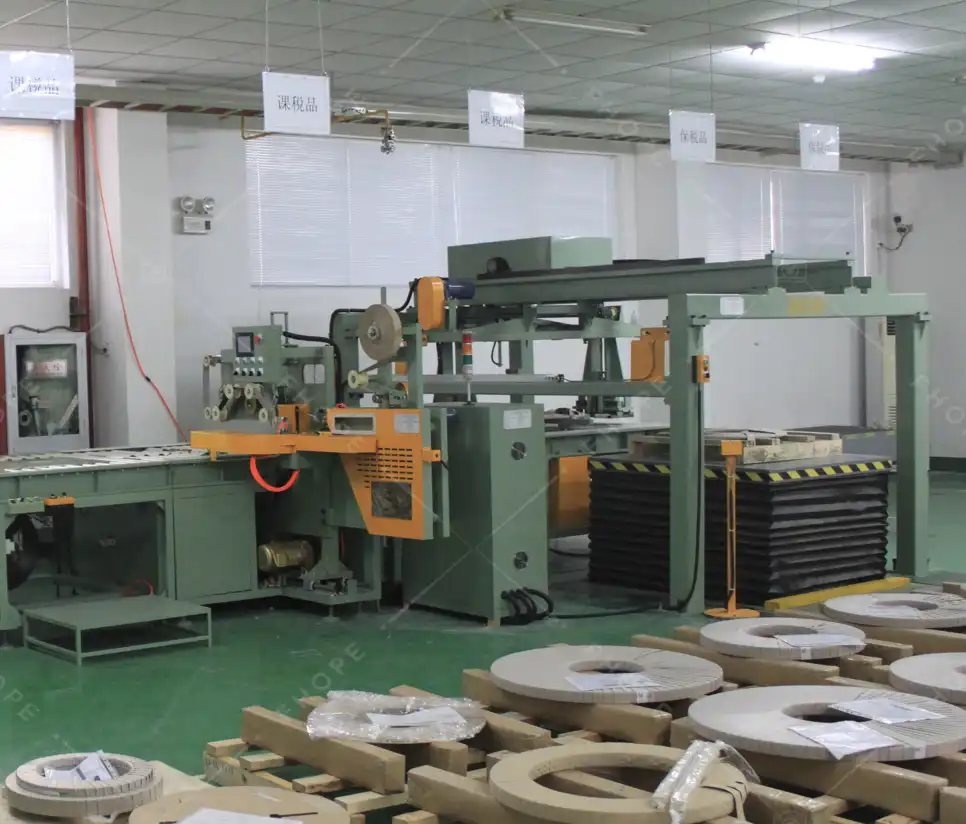
They look at the whole packing process. They find every spot where work slows down. Then they add machines to speed things up. This means less waiting time between steps. It means coils move from one machine to the next without stopping. This way, the packing process matches the speed of production. This boosts their overall factory output.
Streamlining Operations with Automated Systems
South Korean plants use several key strategies to boost efficiency. They integrate different machines. This creates a continuous packing line. For example, they use automatic coil feeding systems. These systems deliver coils to the packing station. Then, horizontal or vertical coil wrapping machines wrap the coils fast. After that, automatic strapping machines secure the package. This all happens with minimal human help.
One big change is the reduction of manual handling. In many factories, workers must manually move heavy coils. This takes a lot of time. It also uses a lot of energy. It is a slow process. Automated systems, like coil tilters and transfer carts, move coils safely and quickly. This removes the need for people to do heavy lifting. This speeds up the whole process. It also reduces fatigue for workers.
They also use smart control systems. These systems manage the entire packing line. They make sure each machine works well with the others. This prevents bottlenecks. It helps maintain a steady flow of products. If one part of the line has an issue, the system can alert operators right away. This allows for quick fixes. So, downtime is very short.
For example, I have seen factories where one person wraps a coil. Then another person moves it. Then another person straps it. This is not efficient. South Korean plants automate these steps. They use one machine that wraps. Then another machine straps. Then a robot moves the coil. This makes the whole process smooth. It saves a lot of time. It also needs fewer workers. This means lower labor costs. This focus on smooth, automated flow is a major reason for their high efficiency. It is something I saw countless times in my own journey in the packing machine industry. I learned that every minute saved on the packing line translates into real money for the business.
What Role Does Advanced Technology Play in Their Success?
Many factories struggle with old machines. These machines often break down. They are not efficient. This causes many delays. Downtime is expensive. It means lost production and missed deadlines. You need reliable equipment. You need machines that can handle heavy work. This is a major challenge.
South Korean plants use the latest technology. They invest in machines that are durable and smart. These machines break down less often. They work faster. They use less power. This helps them avoid costly delays. It also keeps their production running smoothly. They know that good technology is an investment. It pays off in the long run.
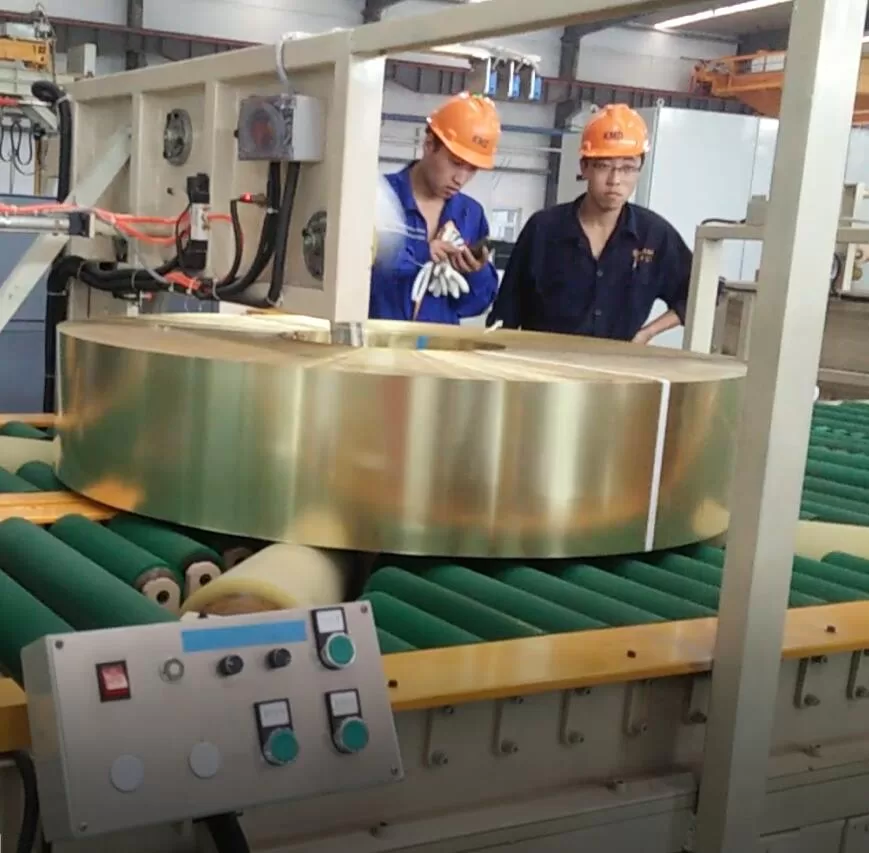
They also use machines that are precise. This means less product damage. When you use old machines, coils can get scratched or dented. This leads to customer complaints. It means you lose money. New technology helps prevent this. It makes sure every package is perfect. This leads to happier customers. It also means more profit for the factory.
Embracing Next-Generation Packing Machinery
Advanced technology is the backbone of South Korean steel plants’ success. They use specialized machines for each step of the packing process. For coil wrapping, they often use horizontal or vertical orbital stretch wrappers. These machines apply a tight, consistent wrap around the coil. This protects the product from dust and moisture. It also prevents damage during transport. These machines can wrap coils of various sizes. They do it much faster than any person could.
For strapping, they use automatic strapping machines. These machines apply steel or PET straps securely. They use precise tension control. This ensures the coil stays tightly bundled. This stops the coil from unwinding or getting damaged. Some advanced systems can apply multiple straps at once. This further speeds up the process. It also provides extra security.
They also use automated handling systems. This includes heavy-duty coil tilters and transfer cars. Coil tilters can safely change the orientation of a coil. This is important for different packing or storage needs. Transfer cars move coils along the production line. They do this without the need for forklifts or cranes. This reduces the risk of accidents. It also saves labor costs. These technologies are built strong. They are made for the tough demands of a steel plant. They can handle continuous operation. This means less time spent on repairs. It means more time making products.
As an engineer who has worked in and built packing machine factories, I understand the importance of robust equipment. When I started FHOPEPACK, my goal was to build machines that could withstand the demanding environments of heavy industry. I know that for a factory manager like Michael, every minute of uptime is critical. Investing in advanced, reliable technology is not just about making things faster; it is about building a foundation for consistent, high-quality production. It is about peace of mind.
How Do They Ensure Safety and Quality in Automated Lines?
Many factories face serious safety risks. Workers handle heavy materials. They use old equipment. This leads to many accidents. Injuries are costly. They hurt workers. They also raise insurance costs. You need to protect your people. You need to make your workplace safer. This is a constant worry for factory managers like Michael.
South Korean plants prioritize safety. They design their automated lines to keep people out of harm’s way. Machines do the dangerous work. This means fewer people are near heavy coils or moving parts. They use safety sensors. They have emergency stops. This reduces the risk of accidents. Their focus is on preventing injuries. This makes their factories much safer places to work.
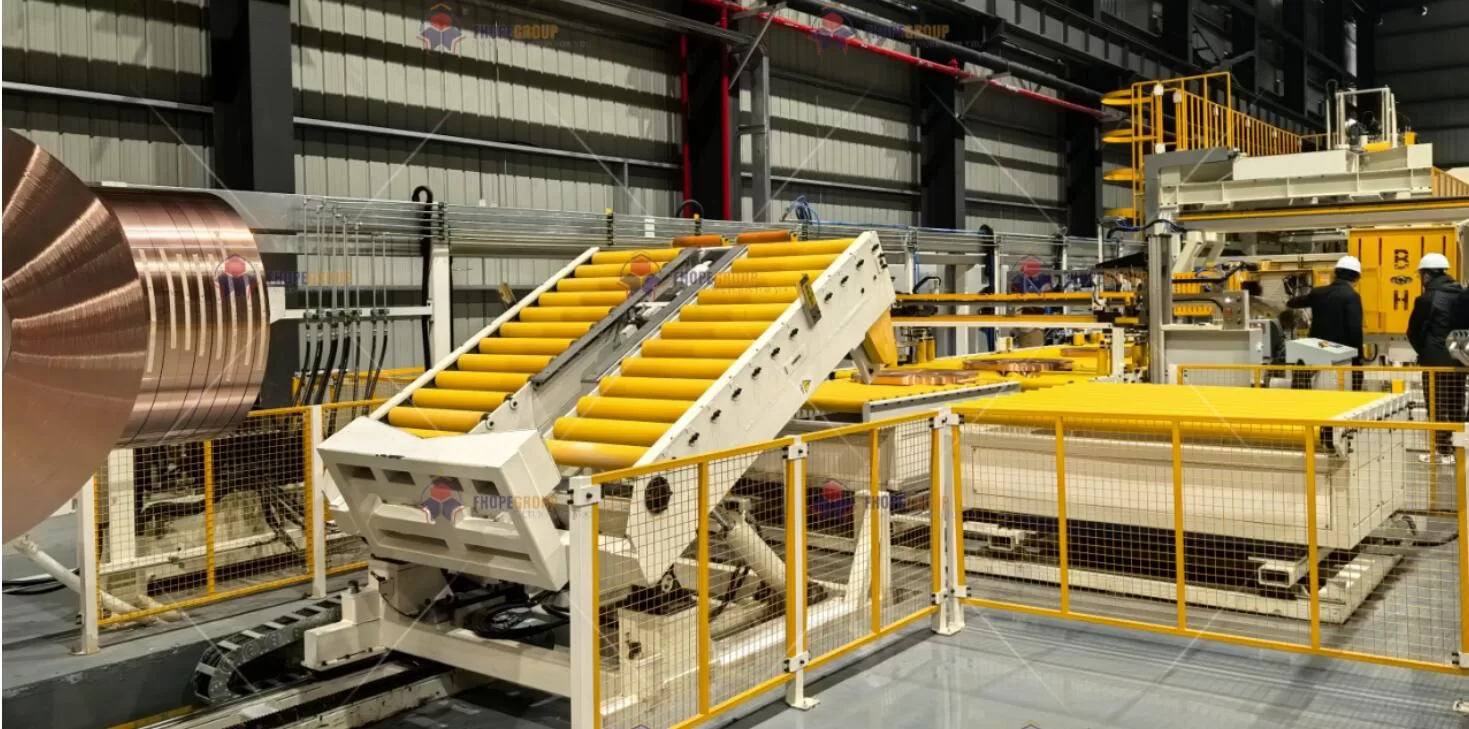
They also make sure their packing is high quality. Automated systems pack coils consistently. The wrap is tight. The straps are secure. This prevents damage to the product. It reduces scratches or dents during shipping. High quality packing means fewer customer complaints. It means your product arrives in perfect condition. This builds trust with your clients. This makes your business stronger.
Revolutionizing Workplace Safety and Product Integrity
South Korean steel plants implement several key safety measures. They use physical barriers and safety cages around automated machinery. This keeps workers away from moving parts. They also use light curtains and pressure mats. These sensors detect if a person enters a dangerous zone. If someone does, the machine stops instantly. This prevents accidents. They also train their staff thoroughly. Workers know how to operate machines safely. They know what to do in an emergency. This creates a safer work environment. It reduces the chance of injuries. This focus on safety also helps reduce high insurance costs and employee turnover rates.
For product quality, automation plays a huge role. Manual packing often leads to inconsistencies. One coil might be wrapped tightly, another loosely. This can cause product damage during handling or transit. Automated packing machines apply consistent tension and coverage. Every coil gets the same high-quality wrap. This uniformity reduces product loss. It minimizes external damage, such as scratches or edge deformations on steel coils. This directly addresses Michael’s challenge of product damage and customer complaints.
Automated systems also reduce the need for manual lifting and moving. This greatly lowers the risk of dropping or damaging coils. It also reduces the risk of injury for workers. I remember seeing how much physical strain manual coil handling put on factory workers. When I established my own factory, I committed to building solutions that would remove this burden. The automatic coil tilters and transfer carts FHOPEPACK provides are direct results of that commitment. They are designed to move heavy coils safely and efficiently. This not only protects your products but, more importantly, it protects your valuable employees. This is a win-win situation.
What Is My Take on This Automation Journey?
I have spent my whole career in the packing machine industry. I started as an employee. I worked my way up. Then I built my own successful factory. I saw all the challenges faced by plants like yours, Michael. I know the pressure you are under to increase output and control costs. I also know the worry about worker safety. This journey taught me one big truth: automation is not just about machines. It is about solving real problems for real people.
When I started FHOPEPACK, my mission was clear. I wanted to share knowledge. I wanted to help others succeed. This is why I talk about South Korean steel plants. Their success is not a secret. It comes from smart investment. It comes from focusing on efficiency, safety, and quality. They use technology to get rid of bottlenecks. They reduce risks. They also cut costs. This is what every factory manager wants.

You might have dealt with suppliers who only want to sell a machine. They do not care about your real problems. I understand your hesitation. My experience is different. I built my business by understanding the factory floor. I know what production bottlenecks feel like. I know the importance of reliable equipment and good after-sales service. I want to be your partner. I want to help you find the right solution. I want to help you reach your goals.
My Insights on Partnering for Automation Success
My experience running a packing machine factory gave me a unique perspective. I was on the client side. I faced the same issues that you face today. I know the pain of inefficient processes. I know the cost of damaged goods. I also know the fear of a serious workplace injury. This is why FHOPEPACK focuses on being a true partner. We do not just sell equipment. We offer solutions based on deep industry knowledge. We understand your specific needs, like Michael’s need to reduce manual handling and improve safety.
When you look at automation, think about the total return on investment (ROI). It is more than just the machine cost. It includes saved labor costs. It includes reduced product damage. It includes lower insurance premiums from a safer workplace. It also includes increased production speed. These all add up to significant savings and profits. For instance, an automated coil tilter might seem like a big investment. But it removes the high risk and slow process of manual tilting. It prevents potential injuries that could cost millions. That is a clear ROI.
I encourage you to look beyond simply replacing old machines. Think about redesigning your whole end-of-line process. This is what South Korean plants do. They integrate systems. They create a seamless flow. This is where the biggest gains in efficiency and safety come from. We can help you identify these areas. We can help you choose the right machines. We can help you implement them smoothly. My goal is to help your business grow. It is to help you achieve financial independence, just as the packing machine industry helped me. This is my way of giving back.
Conclusion
South Korean steel plants prove automation works. They boost efficiency, safety, and quality. Investing in advanced packing lines reduces costs and protects workers. This leads to higher profits and a stronger business.








