
Solving Production Bottlenecks: A Mexican Plant Manager’s Guide to Coil Packaging Automation?
Do you manage a busy metal processing plant in Mexico? Do you see piles of finished coils waiting to be packed by hand? This slow process can feel like a heavy chain around your plant’s neck. It holds back your whole production line. You lose time. You lose money. Worse, your workers face constant risks. It is a daily struggle for factory managers like you. I know this struggle. I am Randal Liu. I spent years building packing machine systems. I know the pressures you face. I am here to share how we can lift that weight.
Automated coil and wire packaging systems offer a direct answer to common production bottlenecks. They speed up packing, cut labor costs, and greatly improve workplace safety. For a factory in Mexico, this means better output, less product damage, and a clear path to higher profits. My experience in this field shows that smart automation is not just an upgrade. It is a necessary step for growth and efficiency in heavy industry.

You might think buying new machines is a big cost. You might worry about how it changes your operations. But what if this investment pays for itself many times over? What if it truly solves the deep problems your plant faces every day? Let us dive into the real benefits. We will see how these systems can transform your factory floor.
Is Your Manual Packaging Holding You Back from Growth?
Is your coil and wire packing line a slow point? Do you feel like you are always waiting for finished goods to move? This slow pace does more than just annoy you. It limits how much your factory can produce. It means you miss delivery dates. This makes it hard to grow. I saw this in my own journey. I know how frustrating it is when one part of your factory keeps the whole business from moving forward. It is a common challenge for plants in Mexico.
Manual coil and wire packaging creates huge efficiency bottlenecks. Workers move slowly. They handle heavy items by hand. This makes packing a long process. It slows down the entire production flow. It can lower your plant’s total output. Automating this step speeds things up. It removes delays. It helps your factory meet rising demand. My experience tells me that removing this bottleneck can unlock your plant’s true potential.
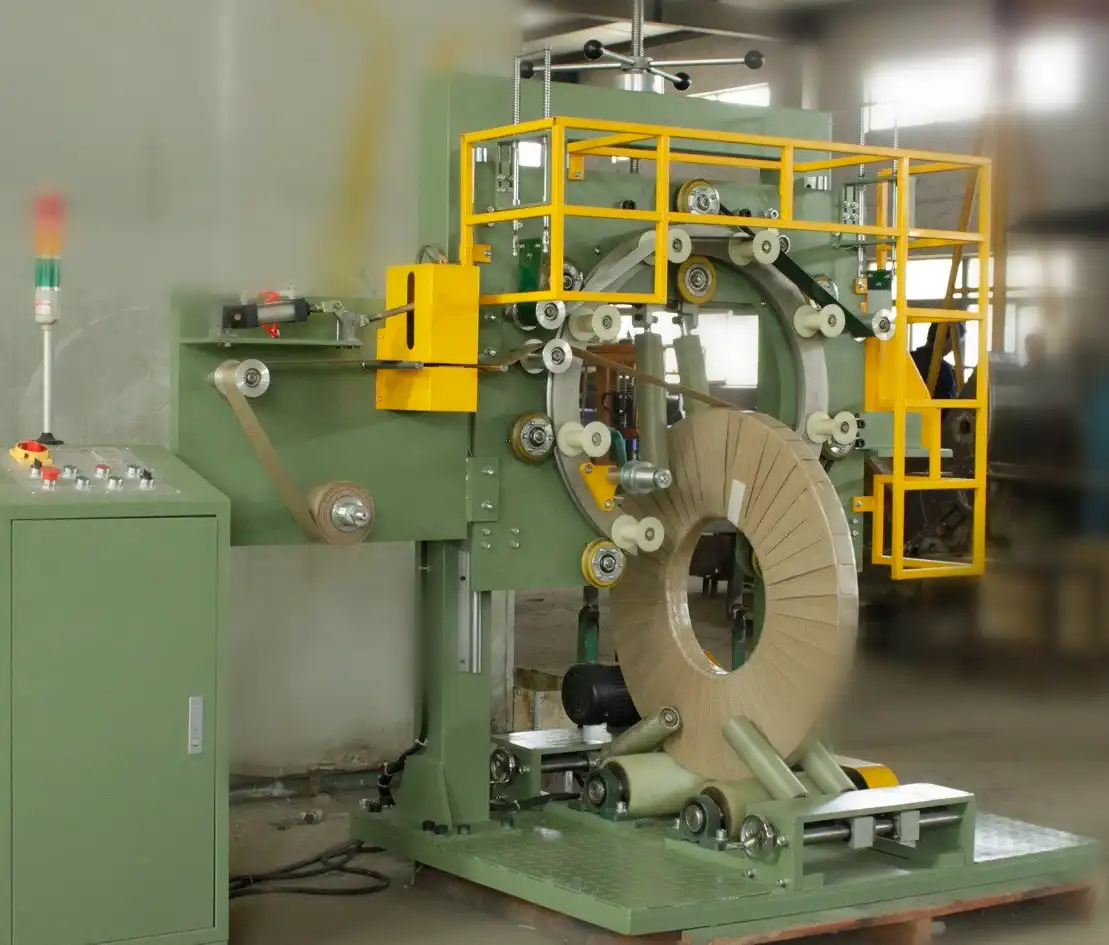
When your plant relies on manual labor for coil and wire packaging, you face many problems. First, human workers have limits. They can only lift so much. They can only move so fast. This means your packaging line cannot keep up with high production speeds. For a metal processing plant, this is a big issue. Your furnaces and rolling mills work fast. But if packaging is slow, finished products pile up. This takes up space. It slows down the next steps. It creates a backlog.
Second, manual packing is inconsistent. Some workers are faster than others. Their packing might not always be the same quality. This can lead to uneven bundles. It can cause problems down the line. It affects your brand image. Machines work at a constant speed. They apply the same force every time. They make every package look the same. This means better quality control for your steel coils and wires.
Third, labor costs add up. You pay for wages. You pay for benefits. You pay for training. As production goes up, you need more workers. This increases your costs a lot. An automated system needs fewer people to operate it. It runs around the clock if needed. This cuts down your labor expenses over time. It makes your plant more cost-effective. For factory managers in Mexico, reducing operational costs is always a top goal.
Finally, manual packaging ties up valuable human resources. These workers could be doing other skilled tasks. They could be fixing machines. They could be doing quality checks. When they are busy wrapping coils, they cannot do those jobs. Automation frees them up. They can then focus on tasks that add more value to your plant. This helps your overall productivity. It is about using your workforce smarter. It is about making your plant work better as a whole. This is how you really grow. You stop letting the packing line slow you down. You let it speed you up instead.
Can You Afford Not to Prioritize Worker Safety and Product Quality?
Do you worry about your workers getting hurt? Are you seeing more damaged products during packing? These issues are not just small problems. They are big threats to your business. Manual handling of heavy steel coils and wires is very dangerous. Accidents happen. Product edges get dinged. This costs you a lot. It costs in medical bills. It costs in lost production. It costs in customer complaints. I have seen how these problems can hurt a factory. It is a risk you cannot ignore.
Manual handling of heavy metal products, like steel coils, creates serious safety hazards. Workers face risks of strains, crushes, and other injuries. This leads to high insurance costs and staff turnover. Also, rough handling can damage products. This results in customer complaints and financial loss. Automated packaging solutions greatly reduce these risks. They keep workers safe. They protect your product quality. My belief is that a safe plant is a profitable plant. It is also one that keeps its customers happy.
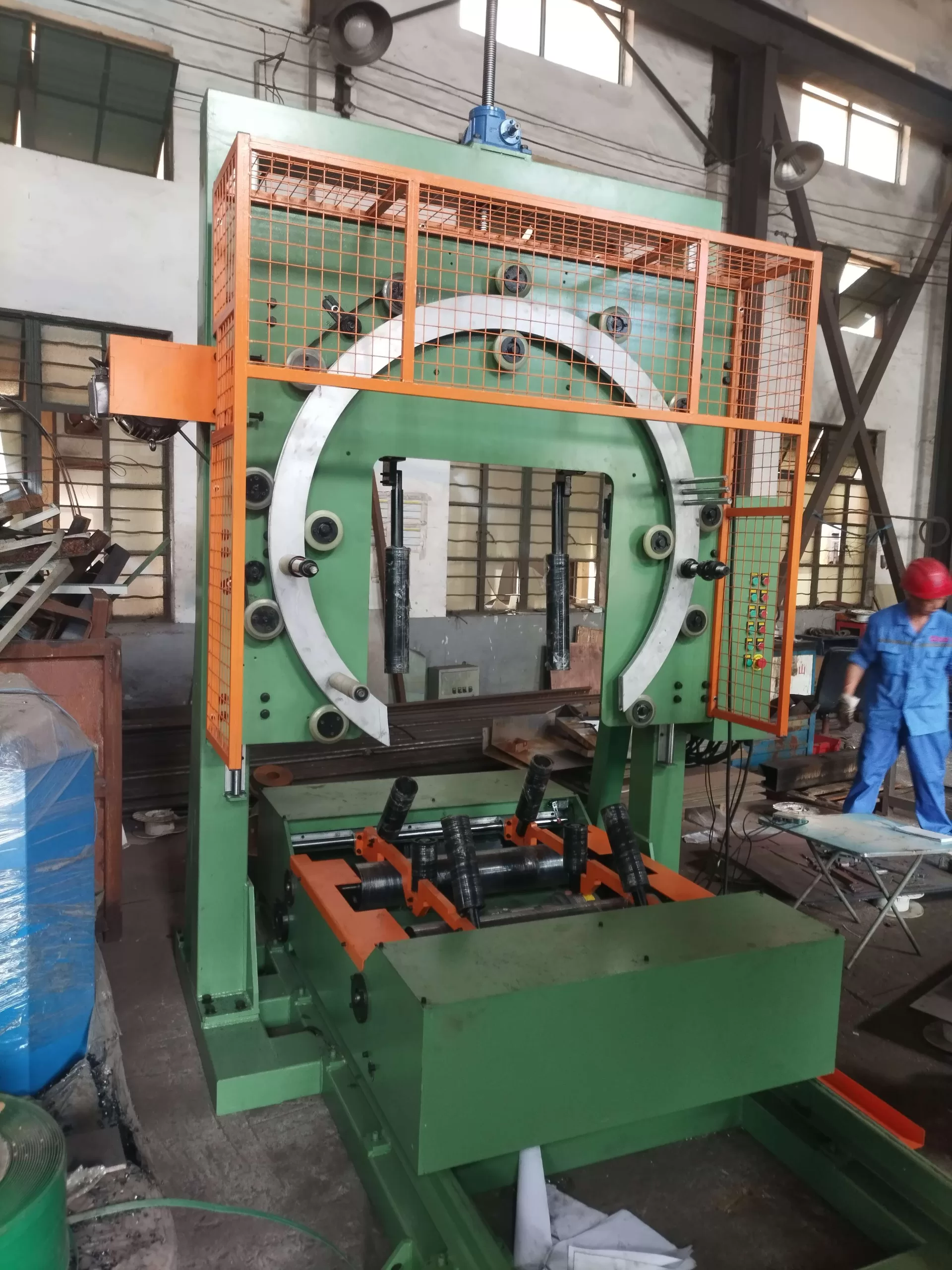
Worker safety is not just a moral duty; it is a business must. When workers manually move heavy coils or wires, they put their bodies at risk. They can strain their backs. They can drop heavy items on their feet. They can get crushed between machines. These accidents lead to high medical costs. They lead to lost workdays. They can even lead to lawsuits. For a factory manager in Mexico, these safety issues can cause huge headaches. They can raise your insurance rates. They can make it hard to keep good workers. High staff turnover costs money and time in training new people.
An automated system takes the human out of the direct danger zone. Machines do the heavy lifting. They do the turning. They do the strapping. Workers can supervise from a safe distance. This greatly lowers the chance of workplace injuries. It creates a much safer environment for your team. This focus on safety also builds a better company culture. Workers feel valued. They are more loyal. This also helps with employee retention.
Product damage is another hidden cost of manual processes. When coils are moved by hand or with old equipment, they can hit things. Their edges can get bent. Their surfaces can get scratched. Even small damage can make a customer reject a product. This leads to returns. It leads to rework. It leads to lost sales. It hurts your reputation. My experience shows that damaged goods cut into profits. They cause customer trust issues.
Automated systems handle products with care. They use precise movements. They have custom grippers and conveyors. They are designed to move coils and wires without impact. This means your products arrive at the customer in perfect condition. This leads to fewer complaints. It builds customer loyalty. It protects your brand image. It helps your factory save money that would otherwise be lost to damaged goods. Investing in automation is an investment in both your people and your product.
How Can You Build Trust with Equipment Suppliers Again?
Have you been burned by equipment suppliers before? Did they promise the world but deliver very little? It is frustrating to invest in new machines only to get poor service or support. This makes you wary. You might hesitate to trust anyone new. I hear this from many factory owners. They need solutions, but they fear making another bad choice. I understand this deeply because I was once an employee and then built my own successful factory. I know what it takes to support a business.
Many factory managers struggle with unreliable equipment suppliers. These suppliers often focus only on making a sale. They do not offer good after-sales service or deep industry knowledge. This leads to frustration and wasted money. To build trust again, look for a supplier who acts like a true partner. This means someone who understands your specific production problems. They should offer expert insights and proven solutions. My commitment is to be that kind of partner. I want to share knowledge. I want to help you succeed, not just sell a machine.

It is a tough situation when you need new equipment but fear new suppliers. I have seen many companies sell machines and then disappear. They do not help with setup. They do not offer quick repairs. They do not answer your questions. This leaves you stranded. It turns a good investment into a big headache. For a factory manager like Michael in Mexico, unreliable suppliers mean more downtime. They mean more stress. They mean less profit. This kind of experience makes any plant manager very cautious about future investments.
A truly valuable partner does more than just ship a box. They take time to understand your factory. They learn about your current bottlenecks. They listen to your safety worries. They ask about your specific products, like steel coils or wires. They know that every plant is different. They do not offer a one-size-fits-all solution. Instead, they customize their advice and equipment to fit your exact needs. This is what I believe in. My goal at FHOPEPACK is to be a knowledge-sharing platform first. The machines are a tool for success, but the expertise is the foundation.
Look for a supplier who has real-world experience. Someone who has been in your shoes. I started as an employee in a packing machine factory. Then I built my own. I understand the whole process. I know the challenges of running a business. I know how important reliable machines are. This background allows me to offer advice that is practical and proven. I am not just a salesperson. I am an engineer and a factory owner myself.
A good partner offers strong after-sales support. This includes installation help. It includes training for your team. It includes fast spare parts delivery. It includes quick troubleshooting. This support helps you keep your machines running smoothly. It reduces downtime. It protects your investment. It gives you peace of mind. You need a partner who sees your success as their success. This is how trust is built. It is about a long-term relationship, not just a single transaction.
Are Automated Coil Packaging Systems a Smart Investment for Your Plant’s Future?
You need to make smart choices for your factory’s future. Every investment must deliver clear returns. You might wonder if automated coil packaging systems are really worth the cost. Will they truly help you cut costs? Will they make your plant safer? Will they boost your output enough to justify the price? These are very important questions for any factory manager. I know you look for solutions with a clear return on investment. I can tell you these systems offer exactly that.
Automated coil packaging systems are a strategic investment that offers clear ROI for plants in Mexico. They significantly cut labor costs by reducing the need for manual work. They also lower product damage, saving money from waste and customer returns. These systems increase overall production speed and ensure consistent quality. This leads to higher profits. They also make your workplace much safer. My experience shows that smart automation is key for long-term growth and competitiveness in heavy manufacturing. It is an investment that truly pays off.
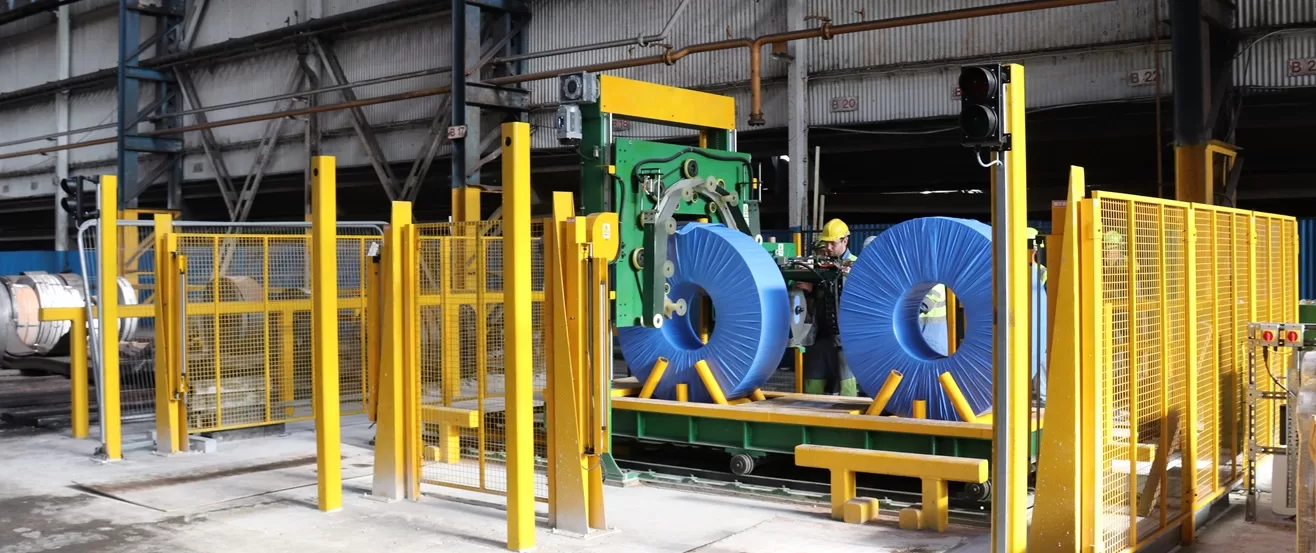
Making an investment in new equipment requires careful thought. You need to see how it benefits your bottom line. Automated coil packaging systems offer a compelling case for return on investment (ROI). First, consider labor cost savings. Manual packaging requires many workers. These workers have salaries, benefits, and insurance. An automated system can do the work of several people. This drastically cuts your payroll expenses over time. These savings add up quickly. They can help pay for the machine itself.
Second, think about increased efficiency and output. An automated system works faster and without breaks. It does not get tired. It can run continuously. This means you can pack more coils and wires in less time. Your production bottleneck at the end of the line disappears. Your factory can then produce at its full capacity. This higher output means more products to sell. More sales mean more revenue. It is a direct path to higher profits for your plant.
Third, product damage goes down. As I mentioned earlier, manual handling often leads to damaged products. This means lost material. It means rework. It means unhappy customers. Automated systems handle products with precision. They reduce the chance of damage during packing and handling. This saves you money on wasted materials. It protects your product quality and your reputation. These savings directly improve your profit margins.
Fourth, improved safety is a huge indirect saving. Fewer worker injuries mean lower insurance premiums. They mean less money spent on medical care. They mean less lost production time due to absences. A safer workplace also means happier, more motivated employees. This leads to less staff turnover. It reduces recruitment and training costs. All these factors contribute to a healthier financial outlook for your plant.
Finally, an automated system is built to last. It is designed for the high-intensity, demanding environment of a metal processing plant. These machines are durable. They are reliable. They require less maintenance than manual processes. This means less downtime. It means more consistent production. For a factory manager like Michael in Mexico, this means a reliable partner in production. It means long-term growth. It means staying competitive in the market. It is truly an investment in your plant’s long-term success.
Conclusion
Automated coil packaging is not just about new machines. It is about transforming your factory. It improves safety, cuts costs, and boosts production. As Randal Liu, I believe in practical solutions that lead to real success. Let us build a more efficient and profitable future together.








