
Choosing the Right Banding Material for Steel Coil Transport
Steel coils are incredibly heavy, dense, and notoriously difficult to secure. Improper banding isn’t just a risk; it’s a disaster waiting to happen, leading to damaged goods, serious accidents, and costly delays. Selecting the correct banding material is paramount for safeguarding your investment and ensuring safe passage from mill to destination.
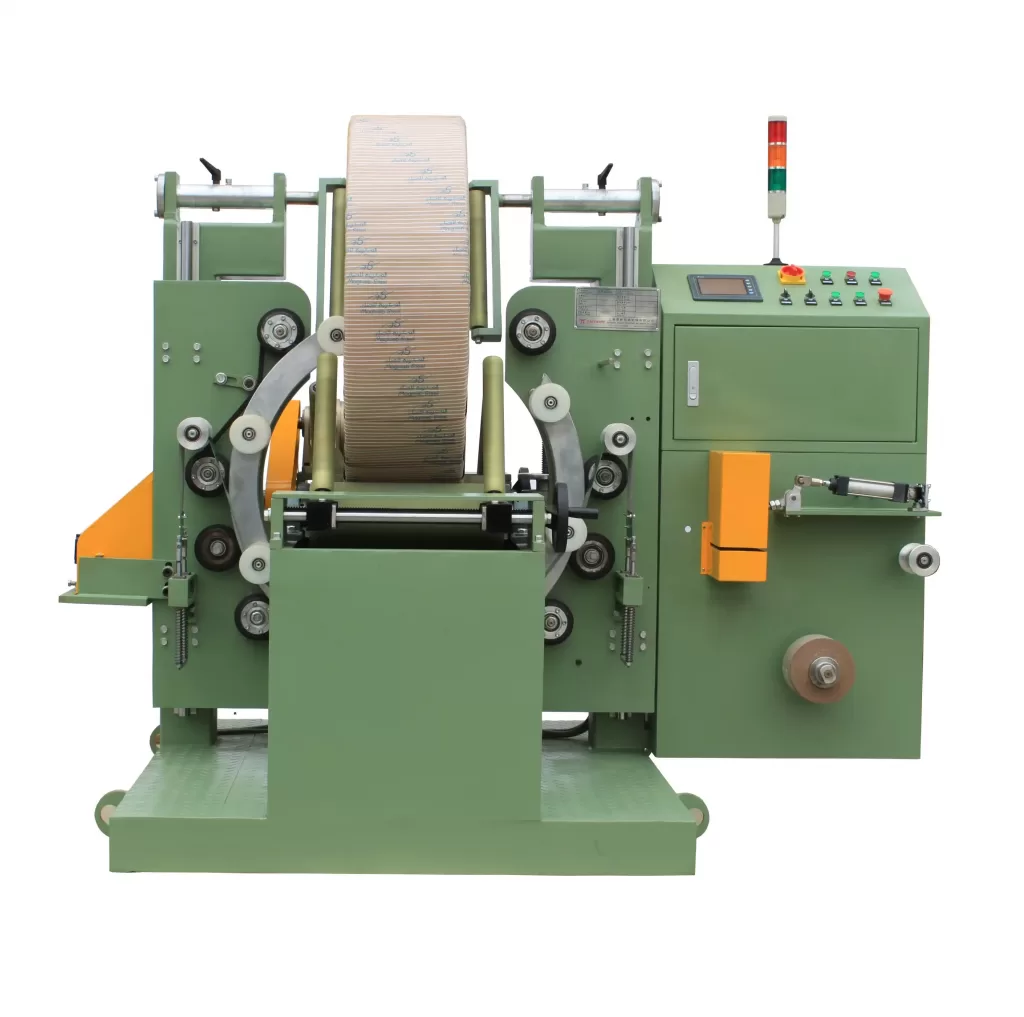
For the demanding task of steel coil transport, steel strapping is typically the industry standard due to its superior tensile strength and minimal elongation under extreme loads. While alternatives exist, steel’s raw power provides the necessary containment and resistance to shifting forces inherent in transporting such massive, concentrated weight, crucial for preventing catastrophic failures during transit.
Navigating the options requires a deep understanding of each material’s capabilities and limitations. This guide cuts through the noise, providing the essential knowledge you need to make an informed decision and keep your valuable steel coils safely secured.
Steel Strapping: The Unchallenged Workhorse for Steel Coils
When you’re dealing with the sheer mass and density of steel coils, you need a banding solution that won’t compromise. Steel strapping has long been the go-to material, earning its reputation through decades of reliable performance in the toughest transport scenarios. Its fundamental properties make it uniquely suited to handle the dynamic stresses placed upon banding during the movement of heavy, rigid loads.
Steel strapping stands out for steel coil transport primarily due to its exceptional tensile strength and very low elongation. This means it can withstand immense tension without significantly stretching or breaking, a critical factor when securing heavy, non-compressible loads prone to shifting. Its rigidity also helps maintain load integrity and resists damage from the sharp edges often found on steel coils, offering a robust barrier against containment failure.
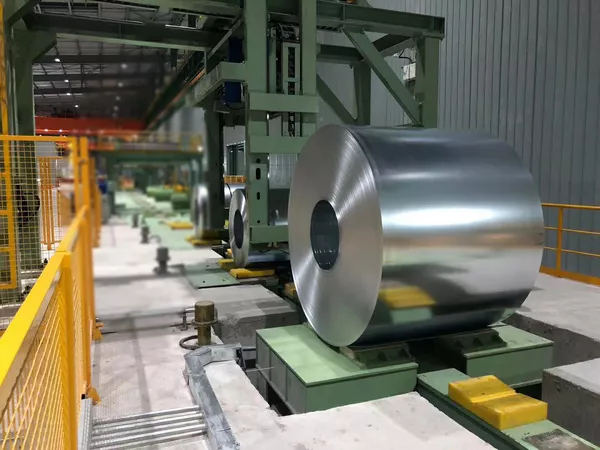
Decoding Steel Strapping Specifications for Coil Transport
Selecting the right steel strapping isn’t just about choosing steel; it’s about specifying the correct type for the job. Thickness, width, and grade are primary factors influencing strength, while coatings address environmental challenges. For steel coils, under-specifying these factors is a direct path to failure.
Thickness and Width: The Foundation of Strength
The load capacity of steel strapping is directly proportional to its cross-sectional area – a combination of thickness and width. Thicker and wider straps provide greater breaking strength and resistance to deformation. For heavy steel coils, which exert tremendous outward pressure and dynamic forces during transport, maximizing these dimensions is often necessary. Common dimensions for heavy industrial strapping range from 0.031″ to 0.074″ in thickness and 3/4″ to 1-1/4″ in width. Using strapping that is too thin or narrow for the coil’s weight and transport method is a critical error.
Steel Grade: Defining Performance
Steel strapping comes in different grades, indicating its material properties like tensile and yield strength. High-tensile steel (often referred to as High Carbon or Heavy Duty) is essential for securing steel coils. Unlike regular-duty steel, which is more economical but stretches readily, high-tensile steel offers superior break strength and minimal elongation under load, crucial for maintaining tension on a rigid coil. Alloy or stainless steel grades exist but are typically overkill and cost-prohibitive for standard steel coil transport, primarily used in highly corrosive or specialized environments.
Coatings: Battling the Elements
Steel is susceptible to rust, which can compromise strap integrity over time. Given that steel coils may be transported or stored outdoors, protective coatings are vital. Galvanized (zinc-coated) strapping provides good basic corrosion resistance and is a common choice. Painted or waxed coatings offer some protection but may not be sufficient for prolonged outdoor or high-humidity exposure. For maximum protection against moisture and abrasion, PVC-coated strapping is an option, though less common for the primary banding of the heaviest coils. Choosing the appropriate coating based on the expected environmental conditions ensures the strap maintains its strength throughout the journey.
Choosing the right steel strapping requires careful consideration of these factors relative to the coil’s size, weight, and the demands of the transport route.
| Specification | Description | Relevance for Steel Coils | Common Range for Heavy Coils |
|---|---|---|---|
| Thickness | Gauge of the steel strap | Directly impacts tensile strength; resists deformation. | 0.031″ to 0.074″ |
| Width | Width of the steel strap | Directly impacts tensile strength; distributes load pressure. | 3/4″ to 1-1/4″ |
| Steel Grade | Material strength and elongation properties | Determines breaking strength and ability to hold tension. | High Tensile (HT) |
| Coating | Protective layer against corrosion | Prevents rust from weakening strap, especially outdoors. | Galvanized, Painted/Waxed |
| Tensile Strength | Maximum load a strap can withstand before breaking | Essential for securing heavy, dynamic loads without failure. | High (based on T/W/Grade) |
| Elongation | How much the strap stretches under tension | Low elongation critical for rigid coils to maintain tightness. | Very Low (for HT) |
Investing in the correct specifications is a non-negotiable aspect of secure steel coil transport.
Exploring Alternatives: Can Other Materials Handle Steel Coils?
While steel strapping dominates the heavy industrial packaging landscape, particularly for dense items like steel coils, advancements in materials technology have introduced alternatives. High-strength polyester banding (PET) is the most prominent contender. Understanding its properties relative to steel is crucial before considering it for steel coil applications.
Polyester banding (PET) offers high tensile strength, good shock absorption, and retains tension well. While suitable for many heavy loads, it typically does not match the ultimate break strength or rigidity of high-tensile steel strapping. For the heaviest steel coils, PET may not provide sufficient resistance to the extreme forces and sharp edges involved, making steel the more reliable choice in most cases for primary securement.
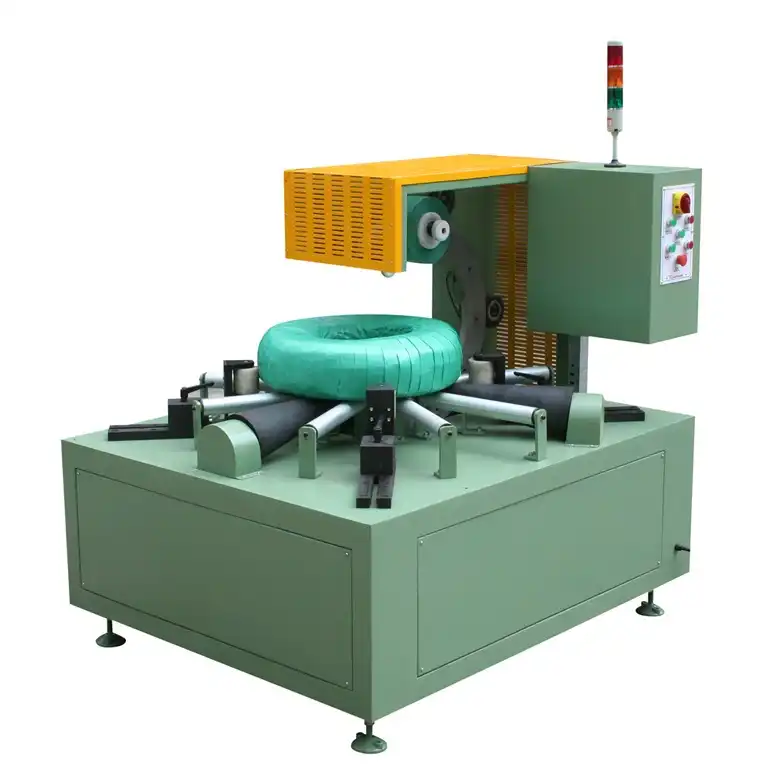
Polyester Banding: When and Where for Coils?
Polyester (PET) strapping, often reinforced, has made significant inroads into applications previously dominated by steel. Its advantages include being lighter, safer to handle (no sharp edges), weather-resistant (no rust), and often more cost-effective. PET strapping also boasts good elastic recovery, meaning it can absorb shocks and maintain tension if the load settles or shifts slightly.
However, when it comes to massive, unforgiving steel coils, PET has limitations. Its elongation, while offering shock absorption, is still higher than high-tensile steel. This can be problematic for rigid loads like coils, where maintaining consistent, high tension with minimal stretch is paramount to prevent shifting. Steel coils have sharp edges that can potentially cut or fray PET strapping if not adequately protected with edge protectors. Furthermore, the peak tensile strength of PET, even in its heavy-duty variants, may not meet the stringent requirements for securing the heaviest coils, especially for dynamic transport modes like rail or truck over long distances.
Despite these limitations, heavy-duty PET strapping might be considered for lighter steel coils, specific unitizing applications (bundling multiple smaller coils), or as a secondary securement measure in conjunction with steel strapping, particularly in environments where rust is a severe concern. It is critical to perform thorough testing and risk assessment before substituting steel with PET for primary securement of substantial steel coils. Consulting with packaging experts is highly recommended to ensure the chosen material meets the specific load requirements and transport conditions.
Choosing the Right Band: Factors Specific to Steel Coil Transport
Securing steel coils isn’t a one-size-fits-all problem. The ideal banding solution depends heavily on the specifics of the coil and its journey. Ignoring these nuances can lead to inadequate securement and potential catastrophe.
Are you risking load failure by underestimating the forces involved in transporting massive steel coils? The dynamic stresses during transit demand a banding material engineered for maximum resistance and minimal compromise.
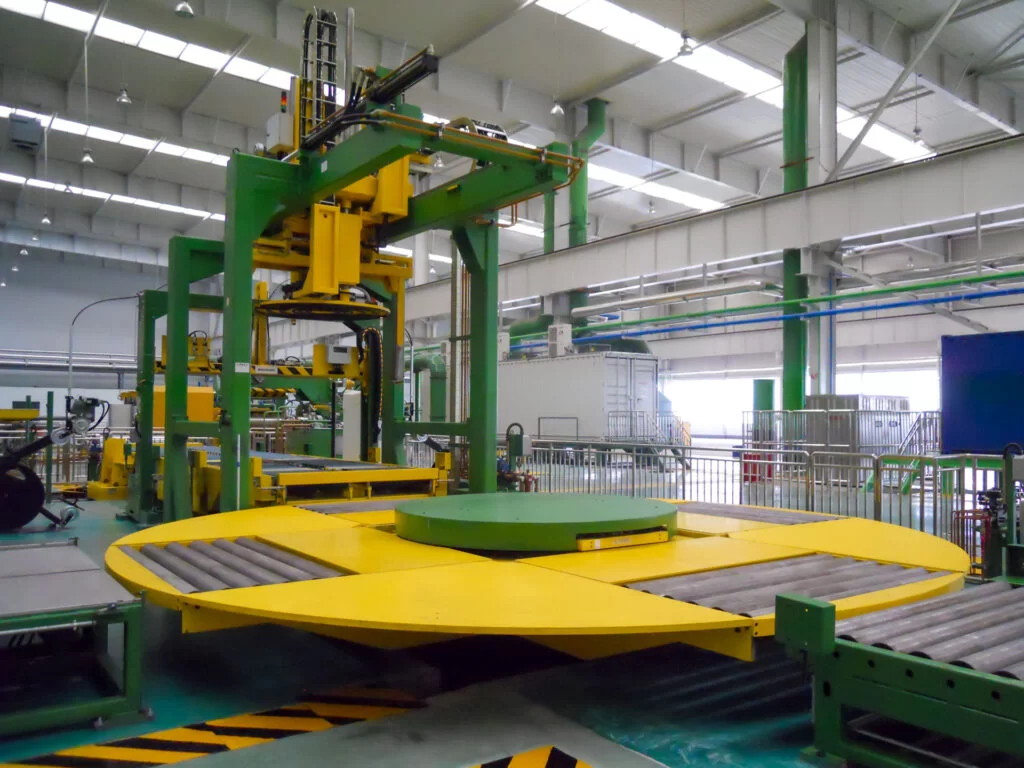
Selecting the right banding material for steel coil transport hinges on the coil’s weight and dimensions, the mode and duration of transport, environmental exposure, and budget. Steel strapping remains the most reliable primary option for heavy coils due to its strength and low elongation, while high-tensile polyester might be considered for lighter coils or specific conditions.
Critical Considerations for Banding Steel Coils
Beyond the general properties of strapping materials, several factors specific to steel coil transport must guide your selection process. Each element plays a role in determining the forces the banding must withstand and the environment it must endure.
Load Characteristics: Weight, Size, and Configuration
The weight and size of the steel coil are the most fundamental factors. Heavier coils require strapping with higher tensile strength. The coil’s configuration (eye-horizontal or eye-vertical) dictates the banding pattern and the type of forces applied to the straps. Eye-vertical coils often require radial banding to prevent “pancaking,” while eye-horizontal coils need circumferential banding to hold the wraps together and secure the coil to the transport platform. The sharp edges inherent to steel coils necessitate robust strapping resistant to cutting or abrasion, and often require edge protectors to distribute pressure and prevent strap damage.
Mode and Duration of Transport
Different transport modes subject loads to varying stresses. Rail transport involves significant impacts (buffeting), while truck transport involves vibration and braking forces. Sea transport adds challenges like moisture, salt spray, and prolonged exposure. Longer transit times increase the importance of strap integrity and corrosion resistance. Steel’s rigidity and high break strength make it ideal for resisting the severe dynamic forces encountered in rail and heavy road transport.
Environmental Conditions
Will the coils be exposed to rain, humidity, or corrosive environments? This significantly impacts the choice of coating for steel strapping or favors the inherent corrosion resistance of polyester. Extreme temperatures can also affect material properties, although steel’s performance is generally less affected than plastic strapping across typical transport temperature ranges.
Budget and Application Efficiency
While safety and security are paramount, cost is always a consideration. Steel strapping and the necessary tools (heavy-duty tensioners, sealers) can have a higher upfront cost than PET. However, the potential cost of load damage or accidents far outweighs the material cost difference. Application efficiency (manual vs. automated tools) and worker safety (sharp edges of steel) are also factors. Modern automated strapping systems are available for both steel and PET, but the weight and handling challenges of heavy steel strapping rolls must be considered.
Here’s a comparative glance at steel vs. PET specifically in the context of steel coil transport:
| Feature | Steel Strapping | High-Tensile Polyester (PET) | Relevance for Steel Coils |
|---|---|---|---|
| Tensile Strength | Highest | High | Critical for securing massive weight. Steel is superior. |
| Elongation | Very Low | Moderate (with recovery) | Low elongation is vital to prevent shifting on rigid coils. |
| Rigidity | High | Moderate | Resists sharp edges and maintains load form better. |
| Edge Resistance | High (but creates sharp edges itself) | Lower (requires protectors) | Coils’ sharp edges pose a risk to PET. |
| Corrosion | Susceptible (needs coating) | Resistant | Important for outdoor/humid transport/storage. |
| Shock Absorption | Low | Good | PET’s recovery can help with minor shifts, but steel handles peak forces. |
| Handling Safety | Sharp edges, heavy | Safer, lighter | Worker safety is a factor, requires PPE/proper training. |
| Cost (Material) | Generally Higher | Generally Lower | Balance against risk/cost of failure. |
| Application Tools | Heavy-duty, manual/pneumatic/auto | Lighter, manual/battery/pneumatic/auto | Tooling needs match material strength. |
Ultimately, the choice demands a careful evaluation of the specific steel coil, its transport journey, and the acceptable risk level. For the vast majority of heavy steel coil transport, steel strapping remains the most reliable and proven solution.
Application and Safety: Strapping Steel Coils Correctly
Selecting the material is only half the battle; proper application is equally critical for secure steel coil transport. Incorrect tensioning, sealing, or placement renders even the strongest banding ineffective. Furthermore, handling heavy, sharp strapping requires strict adherence to safety protocols.
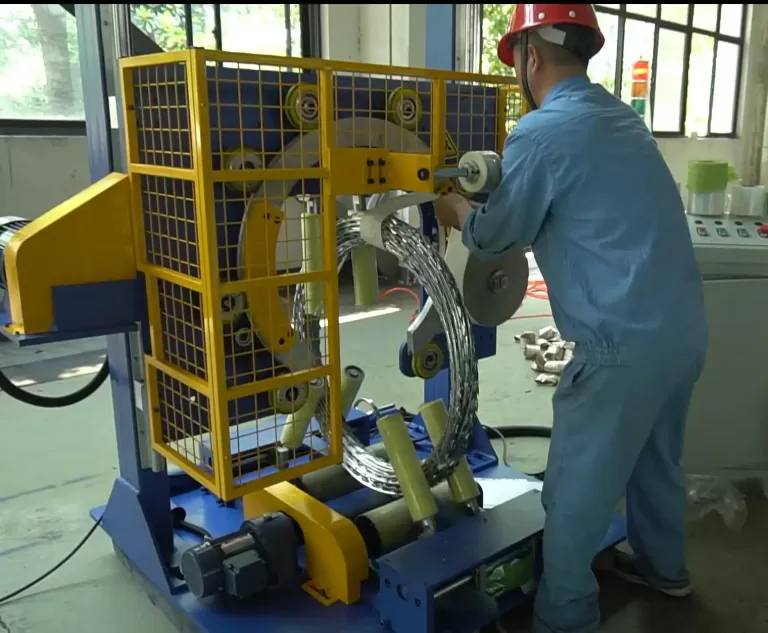
Proper application of banding material to steel coils ensures the load remains stable and contained throughout transit, preventing dangerous shifts. For steel coil transport, this means applying adequate, consistent tension using heavy-duty tools, utilizing appropriate sealing methods (like notch or crimp seals for steel), strategically placing radial and circumferential bands to secure the coil’s integrity and prevent “pancaking,” and always using edge protectors to safeguard both the strap and the coil edges.
Securing a steel coil involves applying bands both circumferentially (around the outer diameter) and radially (through the eye or across the face) depending on the coil’s orientation and size. Circumferential bands hold the wraps tightly together, while radial bands prevent the coil from collapsing outwards (pancaking) or shifting horizontally. For eye-horizontal coils, securing the coil to the transport platform is paramount, often using strapping fed through the eye and anchored to the platform, in addition to circumferential bands. Edge protectors, made of steel, cardboard, or plastic, are essential under the strapping wherever it contacts the coil edge to prevent cutting the strap and to distribute tension evenly, protecting the coil surface. Tensioning must be sufficient to compress the coil wraps and hold the shape, but not so excessive as to damage the coil edges or the strap itself. Heavy-duty tensioning tools (pneumatic or manual ratchet type designed for high tension) and reliable sealing tools are non-negotiable. Safety requires cut-resistant gloves, eye protection, and proper training on tool usage and safe working distances, given the high tension involved. Inspecting strapping during transit and re-tensioning if necessary is also a critical step, especially for long journeys.
Conclusion
Choosing the right banding material for steel coil transport is a critical decision impacting safety, cost, and product integrity. While polyester banding offers advantages in handling and corrosion resistance for some applications, high-tensile steel strapping remains the gold standard for the demanding task of securing heavy steel coils due to its unmatched strength and minimal elongation. Proper application techniques, appropriate tools, and a strong focus on safety are equally vital to ensure successful transit. By carefully considering load characteristics, transport conditions, and material specifications, you can select the optimal solution to keep your valuable cargo secure from origin to destination, perhaps even optimizing the process with a dedicated coil packing line.








