
How to Safely Handle Heavy Steel Coils with Lifting Equipment
Handling massive steel coils presents significant challenges, posing risks to personnel, product integrity, and operational flow if not managed correctly. Problem: The sheer weight and unwieldiness of these industrial giants demand specialized techniques and machinery. Agitation: Mishandling can lead to costly damage, production delays, and severe accidents. Solution: Implementing proper lifting equipment and adhering to stringent safety protocols is paramount.
Safely handling heavy steel coils involves selecting the appropriate lifting equipment, training personnel in correct techniques, preparing designated storage areas, conducting regular inspections, and implementing comprehensive safety protocols. Key equipment includes specialized coil lifters, cranes with suitable attachments, forklift attachments, and automated handling systems designed for high capacities and coil stability. Adhering to these practices minimizes risks, protects assets, and enhances overall operational efficiency in industrial environments.
Mastering the safe movement and storage of steel coils is non-negotiable in heavy industries. This guide delves into the essential strategies, equipment, and safety measures required to handle these weighty materials efficiently and securely, ensuring your operations run smoothly and your workforce remains protected.
Selecting the Right Lifting Equipment for Steel Coils
Choosing the correct tools for the job is the first critical step in ensuring safety and efficiency when dealing with heavy steel coils. The diverse range of coil sizes and weights, coupled with varying facility layouts, necessitates a thoughtful approach to equipment selection.
Selecting the right lifting equipment for steel coils is crucial for operational efficiency and safety. Options range from overhead cranes with specialized coil grabs and C-hooks to below-the-hook devices, coil cars, lift platforms, and forklift attachments specifically engineered for handling heavy, cylindrical loads. The choice depends on coil weight, size, frequency of movement, available space, and the integration needed with automated systems. Each equipment type offers distinct advantages in terms of capacity, maneuverability, and safety features, designed to prevent coil damage and minimize risks to personnel during lifting and transfer operations.
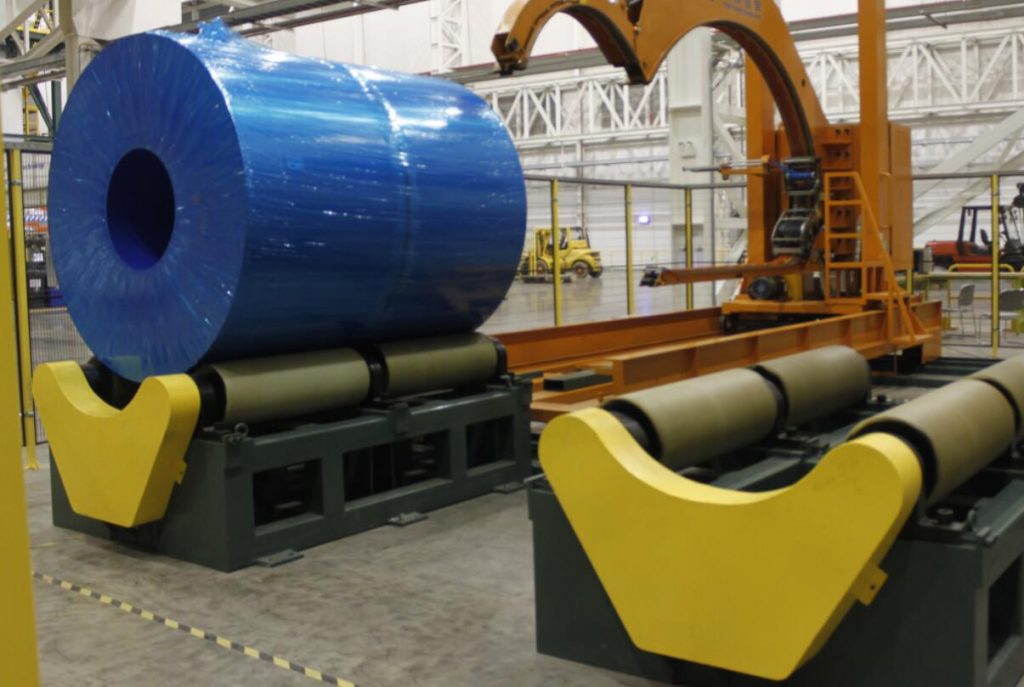
Choosing the appropriate lifting equipment is not merely about capacity; it’s about suitability for the specific task, integration with the workflow, and incorporation of safety features. Different applications, whether it’s a service center requiring rapid processing or a mill needing robust, high-capacity movement, demand tailored solutions.
Types of Lifting Equipment for Steel Coils
The landscape of heavy-duty lifting equipment offers several specialized options designed to interact safely and effectively with steel coils. Understanding the capabilities and ideal applications of each type is key to optimizing your material handling process.
Overhead Cranes with Coil Attachments
Overhead cranes are workhorses in facilities handling heavy materials like steel coils. When paired with specialized attachments, they offer exceptional reach and capacity.
- C-Hooks: These are commonly used attachments that engage the coil through its eye. They are robust but require careful balancing and clearance.
- Coil Grabs: Mechanical or hydraulic grabs can secure the coil from the sides or top, offering greater stability and often allowing for handling coils with damaged eyes or no eye.
- Vacuum Lifters: Less common for extremely heavy steel, but used for some applications, offering damage-free lifting from the outer wrap.
These systems are often integrated with smart features like sway control and slack rope prevention to enhance safety and precision during high-speed movements typical in automotive or steel production lines, where quick cycle times are essential. Konecranes, for example, highlights cranes designed for rapid, heavy-duty cycles with capacities up to 80 tons or customizable for higher loads, emphasizing features for long life, reduced vibration, and semi/fully automated functions.
Below-the-Hook Lifting Devices
Custom-engineered below-the-hook devices are specifically designed for unique coil handling challenges, ensuring a secure and stable lift based on coil dimensions and weight. These can include specialized tongs, hooks, or frames that interface directly with the coil or its core.
Coil Cars and Transfer Systems
Coil cars are essential ground-based systems used to transport coils horizontally, often between storage areas, processing lines, or staging points for crane lifts.
- Operator Safety: Designed with safety in mind, ensuring stable transport.
- Coil Stability: Features to secure coils and prevent rolling during movement.
- Automation: Can be fully automated for retrieval and storage, streamlining operations.
The source material mentions custom-designed coil cars for service centers and mills, emphasizing heavy-duty construction and the ability to integrate into fully automated retrieval and storage systems.
Lift Platforms and Work Positioners
For specific tasks like positioning coils for processing or packaging, multi-post lifting platforms or custom work positioners can provide stable elevation and access.
| Equipment Type | Capacity Range (Example) | Handling Method | Advantages | Common Application Areas |
|---|---|---|---|---|
| Overhead Crane + C-Hook/Grab | Up to 100+ tons | Engages eye or sides | High capacity, wide reach, speed | Mills, heavy manufacturing, automotive stamping lines |
| Below-the-Hook Custom Device | Varies (High) | Tailored attachment | Specific problem solving, secure fit | Unique coil types, integrated process lines |
| Coil Car | Varies (High) | Ground-based horizontal move | Efficient transport, staging, automation potential | Between storage, processing lines, loading/unloading points |
| Multi-Post Lift / Work Positioner | Up to 100,000 lbs (Source) | Vertical lift, positioning | Stable elevation, ergonomic access | Packaging, inspection, specific processing tasks |
| AGVs (Automated Guided Vehicles) | Varies (High) | Autonomous horizontal move | Automated workflow, reduced manual handling risks | Automated warehouses, integrated production systems |
Selecting the right equipment requires a thorough analysis of your facility’s needs, including the characteristics of the coils being handled, the desired throughput, and the existing infrastructure. Integrating automation where possible, such as with AGVs or automated coil retrieval systems, can significantly boost efficiency and safety by reducing human interaction with heavy loads.
Proper Handling Techniques and Safety Protocols
Even with the most advanced lifting equipment, the human element remains critical in the safe handling of steel coils. Proper techniques and a robust safety culture are indispensable safeguards against accidents and damage.
Proper handling techniques for steel coils involve trained operators who understand the characteristics of the load and the capabilities of the equipment. Key practices include lifting from the coil’s core when possible, avoiding pressure on edges, maintaining controlled lifting speeds, ensuring the load is stable and centered, and keeping clear visibility throughout the move. Supplementing these techniques with strict safety protocols like hazard assessments, clear communication channels, and designated safe zones around moving loads is essential to prevent incidents and protect personnel.
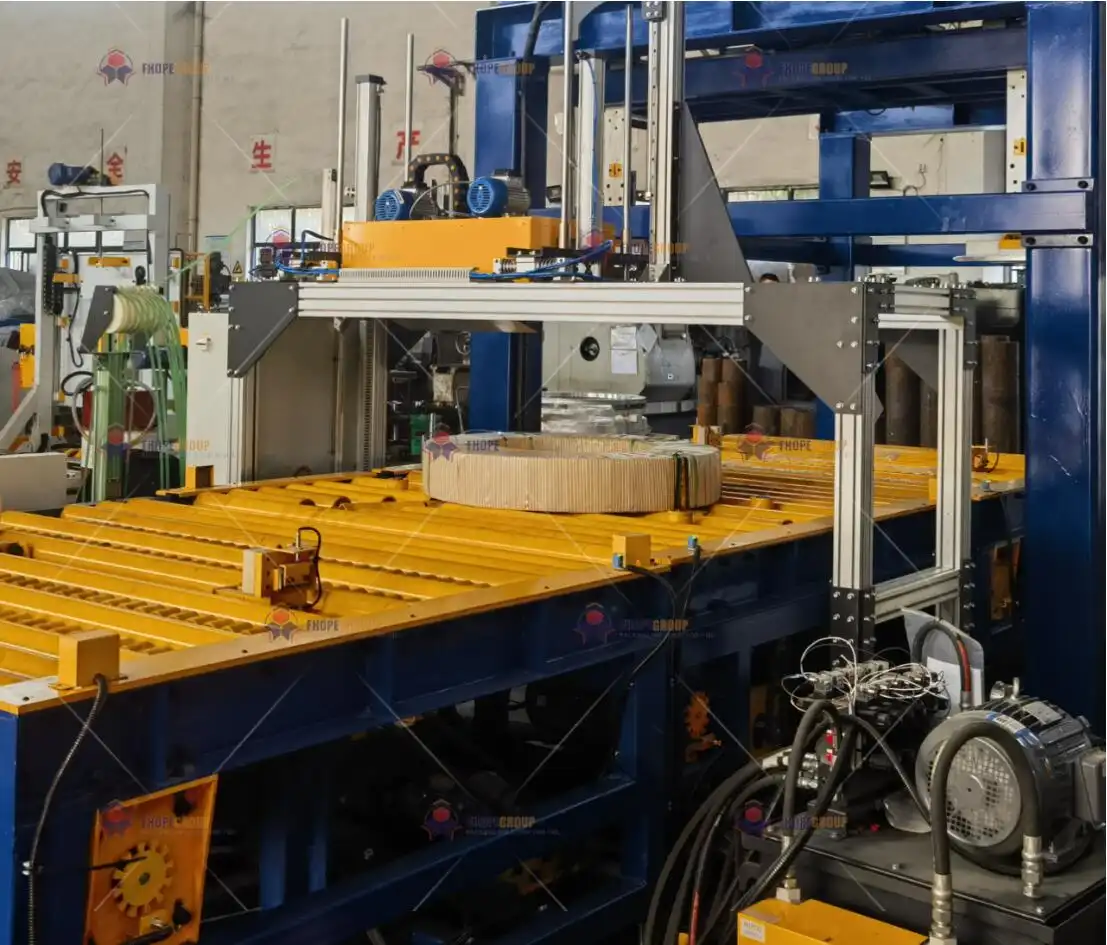
Training personnel on the nuances of handling heavy, potentially unstable loads is paramount. Beyond basic equipment operation, it involves understanding weight distribution, load dynamics, and the potential hazards specific to steel coils.
- Lifting from the Core: Wherever feasible, lifting the coil by its inner diameter provides the most stable point of engagement, minimizing the risk of crushing the outer wraps or causing the coil to deform.
- Avoid Edge Pressure: The outer edges of steel coils are particularly vulnerable to damage. Lifting methods and equipment attachments should be designed or adjusted to prevent excessive force or contact that could lead to dents or deformations, which affect quality.
- Smooth and Controlled Movement: Sudden starts, stops, or changes in direction can cause the coil to swing or become unstable. Lifts should be initiated and completed slowly and smoothly, maintaining a steady load throughout the entire travel path.
- Appropriate Attachment Selection: Matching the lifting attachment to the coil’s size, weight, and configuration (e.g., narrow slit coils vs. wide master coils) is crucial for a secure grip and balanced lift.
- Maintaining Visibility and Awareness: Operators must have a clear view of the load, the path of travel, and the surrounding environment. Spotters or signaling systems should be used in congested areas or when visibility is limited. Personnel on the ground must be trained to recognize the hazards and maintain safe distances.
- Gentle Placement: Setting the coil down requires the same care as lifting it. Lower the load slowly and position it gently onto designated chocks or supports to prevent impacts that could damage the coil or the floor.
Implementing comprehensive safety protocols creates a framework for safe operations. This includes:
- Risk Assessment: Regularly assessing lifting and handling tasks to identify potential hazards.
- Operator Certification and Training: Ensuring all personnel operating lifting equipment are properly trained, certified, and regularly retrained. Include hazard awareness, emergency procedures, and specific training for different coil types and weights.
- Clear Communication: Establishing clear communication channels between operators, spotters, and ground personnel using hand signals, radios, or other agreed-upon methods.
- Designated Safe Zones: Marking and enforcing exclusion zones around lifting operations where personnel should not enter.
- Proper PPE Usage: Mandating the use of appropriate Personal Protective Equipment (PPE), including steel-toed boots, hard hats (where required), safety glasses, and heavy-duty gloves.
- Equipment Inspection: Daily pre-use inspections of all lifting equipment and attachments are mandatory to identify wear, damage, or malfunctions before they lead to failure.
Integrating these handling techniques with strict safety protocols builds a culture of safety that protects both people and valuable steel coil inventory, ensuring operational continuity and compliance with safety standards.
Secure Storage Practices for Steel Coils
Once heavy steel coils have been safely transported, securing them in storage is the final step in minimizing risks and preserving product quality. Improper storage can lead to coil damage, structural failures, and significant safety hazards.
Secure storage practices for heavy steel coils involve designating a suitable area with adequate structural support and protection from environmental factors. Coils should ideally be stored vertically to prevent deformation, particularly at the edges. Utilizing sturdy chocks, blocks, or racks is essential to prevent rolling and shifting. Anchoring stored coils, especially in stacks, adds a critical layer of stability. Implementing a clear labeling system aids inventory management and retrieval, while adhering to a “first-in, first-out” (FIFO) system ensures optimal stock rotation and prevents prolonged storage that could lead to deterioration.
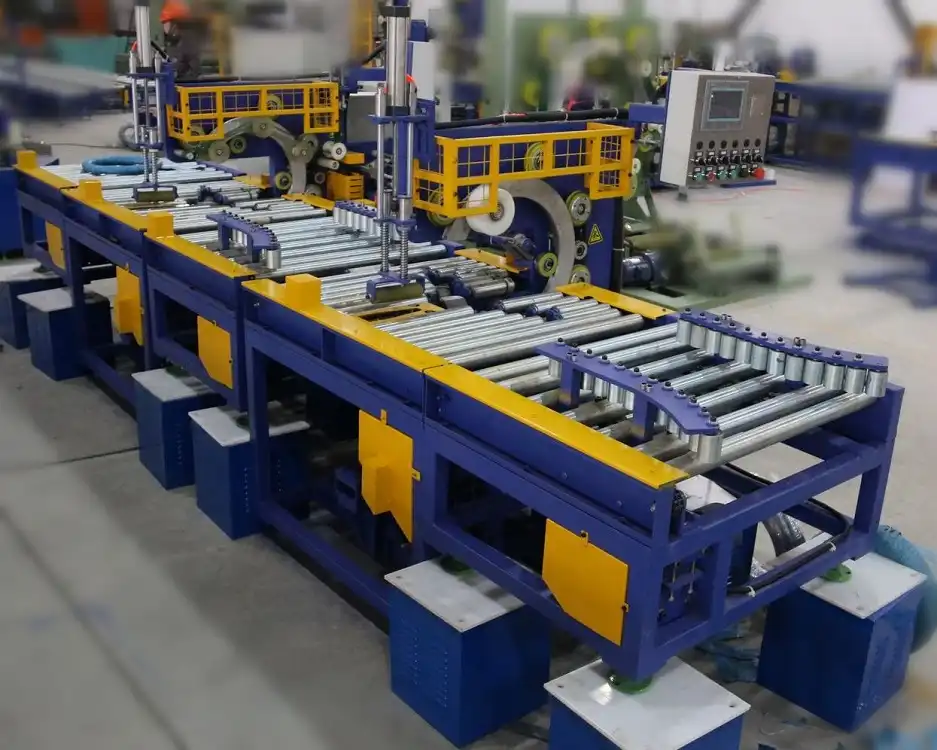
A well-organized and safe storage area is as crucial as the lifting equipment itself. The provided material emphasizes several key practices for steel coil storage reels (often referring to how coils are presented or stored):
- Vertical Storage: Storing coils vertically on their side (with the eye horizontal) is often recommended as it helps prevent deformation of the outer wraps and edges caused by the coil’s own weight.
- Use of Chocks and Blocks: Wooden blocks, specialized saddles, or metal chocks should be placed between coils or beneath them to prevent rolling, particularly if storing horizontally or on inclines. Using these supports also helps maintain spacing for safe access.
- Anchoring and Securing: Larger or stacked coils should be anchored or secured within robust racking systems to prevent tipping or shifting, especially in areas prone to vibrations or seismic activity.
- Clear Labeling: Each stored coil should be clearly labeled with essential information such as type, size, weight, and production date. This is vital for accurate inventory tracking, efficient retrieval, and ensuring the correct material is selected for production.
- “First In, First Out” (FIFO): Rotating stock using the FIFO principle ensures that older coils are used before newer ones. This minimizes the time coils spend in storage, reducing the likelihood of issues like rust or material degradation.
- Uniform Weight Distribution: Storage racks and floor areas must be designed to support the immense weight of the coils. Avoid overloading specific sections or stacking coils too high in unsupported configurations, as this creates instability and increases the risk of collapse. Ensure the floor itself is capable of bearing the load.
Designing a Safe Steel Coil Storage Area
Effective coil storage goes beyond just stacking. It requires careful planning and design of the storage environment itself.
Site Preparation and Floor Loading
The foundation and floor of the storage area must be engineered to withstand the concentrated load of heavy steel coils. This often requires reinforced concrete or specialized foundation work. Adequate space for maneuvering lifting equipment (cranes, forklifts, coil cars) is also essential, free from obstructions.
Racking and Support Structures
If stacking is necessary or preferred, robust racking systems designed specifically for the weight and shape of steel coils are mandatory. These systems must be securely anchored and regularly inspected for damage. Alternative support structures, like heavy-duty steel saddles or cradles, can also be used.
Environmental Protection
Steel is susceptible to corrosion. Storage areas should ideally be indoors or provide adequate overhead protection from rain, snow, and direct sunlight. Proper ventilation can help control humidity levels.
Access and Aisles
Clear aisles must be maintained to allow safe and efficient access for lifting and retrieval equipment. The width of these aisles should be sufficient for the widest load and equipment being used, with turning radii taken into consideration.
Safety Signage and Lighting
The storage area should be well-lit, and clear signage should indicate hazards, weight limits, aisleways, and emergency procedures.
By implementing these secure storage practices, facilities can significantly reduce the risks associated with heavy steel coils, protect their inventory from damage, and create a safer working environment for personnel. This detailed approach ensures that coils remain in optimal condition and are readily accessible when needed for production or distribution.
Inspection, Maintenance, and Continuous Improvement
Ensuring the ongoing safety and efficiency of steel coil handling operations relies heavily on proactive inspection, maintenance, and a commitment to continuous improvement. Complacency can quickly lead to unforeseen issues and accidents.
Regular inspection and maintenance of both the steel coils themselves and the lifting and storage equipment are fundamental to safe operations. This includes daily pre-use checks of cranes, hoists, hooks, and attachments, periodic detailed inspections by qualified personnel, and timely repairs of any identified issues. Stored coils should also be periodically inspected for signs of damage or deterioration. A program of planned maintenance for machinery, coupled with regular safety audits and training updates, ensures that the handling system remains reliable, personnel stay informed, and best practices are consistently applied, driving continuous improvement in safety and efficiency.
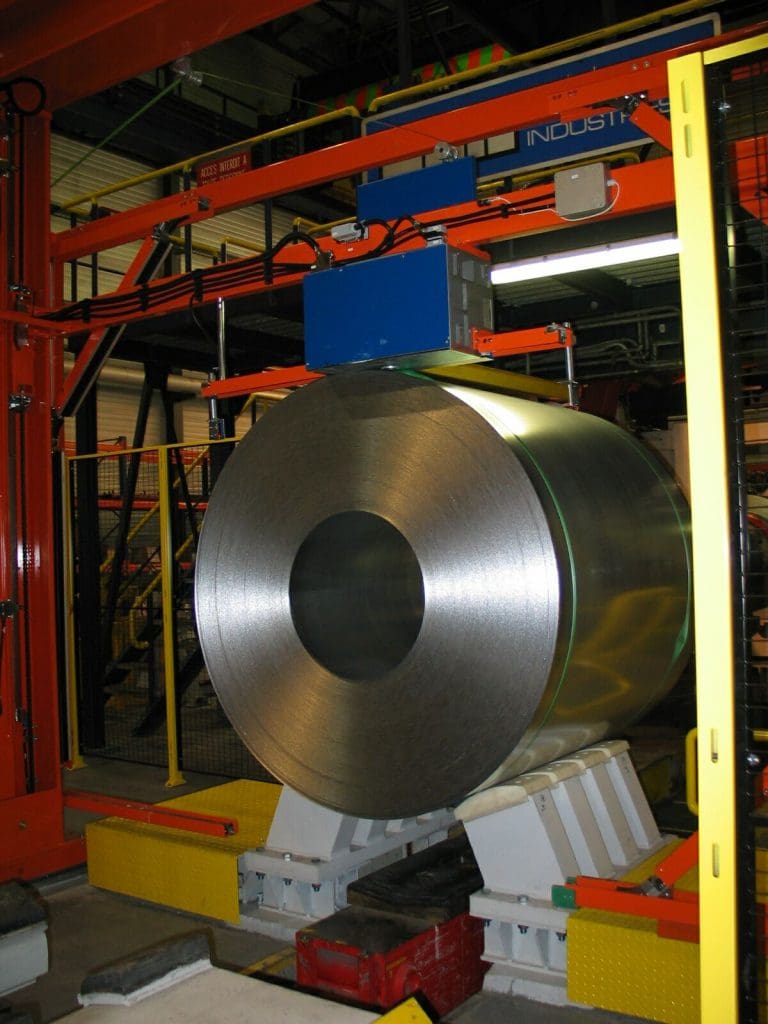
A proactive approach to maintenance prevents equipment failure, which is a major cause of accidents in heavy lifting operations. Similarly, inspecting stored coils ensures quality is maintained and identifies potential issues before they become handling hazards.
Implementing a Robust Inspection and Maintenance Program
Establishing a structured program for inspections and maintenance is non-negotiable for facilities handling heavy steel coils.
Equipment Inspections
- Pre-Use Checks: Operators should perform quick visual checks of their equipment (crane, forklift, attachment) at the start of each shift.
- Periodic Inspections: More detailed inspections by qualified technicians should be conducted at regular intervals (e.g., monthly, quarterly, annually) as required by regulations and manufacturer recommendations. These inspect for wear, fatigue, damage, lubrication needs, and functionality of safety features like limit switches.
- Major Inspections: Comprehensive inspections are needed at specific intervals (e.g., every few years) or after major repairs or modifications.
Coil Inspections
- Incoming Inspection: Inspect coils upon arrival for any signs of transit damage, deformation, or visible rust.
- Storage Inspection: Periodically check stored coils for signs of deterioration, especially if stored long-term. Ensure chocks and restraints are still secure.
- Pre-Handling Inspection: A quick check before lifting a coil ensures it’s in a safe condition to be moved.
Maintenance Procedures
- Planned Maintenance: Implement a schedule for routine maintenance tasks like lubrication, adjustments, and replacement of wear parts based on manufacturer guidelines or usage hours. This prevents unexpected breakdowns.
- Repairs: Any issues identified during inspections must be addressed promptly by qualified personnel. Damaged equipment or storage structures should be tagged out and taken out of service until repaired or replaced.
- Record Keeping: Maintain detailed records of all inspections, maintenance performed, and repairs. This helps track equipment history, identify recurring issues, and demonstrate compliance with safety regulations.
Continuous Improvement in Safety and Handling
Safety is not a static state; it requires continuous effort and adaptation.
- Safety Audits: Conduct regular safety audits to evaluate compliance with protocols, identify potential hazards, and assess the effectiveness of current procedures.
- Training Updates: Regularly update safety training programs to reflect new equipment, procedures, or lessons learned from near misses or incidents.
- Feedback Mechanisms: Encourage employees to report potential hazards, near misses, and suggestions for improvement. Their frontline experience is invaluable.
- Investigating Incidents and Near Misses: Thoroughly investigate all incidents and near misses to understand their root causes and implement corrective actions to prevent recurrence.
- Adopting New Technologies: Stay abreast of advancements in lifting equipment, automation, and safety technology that could further enhance operations. Automated systems for coil handling, like AGVs or sophisticated coil retrieval systems, can reduce the need for human presence in high-risk areas.
By embedding inspection, maintenance, and a culture of continuous improvement into your steel coil handling operations, you build resilience against potential failures, ensure a higher level of safety for your workforce, and protect the quality and integrity of your valuable materials.
Integrating Automation and Advanced Solutions for Enhanced Efficiency
The demand for higher throughput and even greater safety in steel processing has driven the integration of automation and advanced material handling solutions. Moving beyond traditional methods, modern facilities are leveraging technology to optimize the handling of heavy steel coils.
Integrating automation and advanced lifting equipment significantly enhances the safety and efficiency of handling heavy steel coils. Automated Guided Vehicles (AGVs) and self-propelling lift systems can autonomously transport coils within a facility, reducing manual intervention. Custom-designed systems like automated coil retrieval and storage ensure precise placement and inventory management. These solutions, often featuring advanced controls and sensors, minimize the risk of human error and physical strain, streamline workflows, and allow for faster cycle times while maintaining stringent safety standards, representing key industrial solutions for modern manufacturing and metal processing.
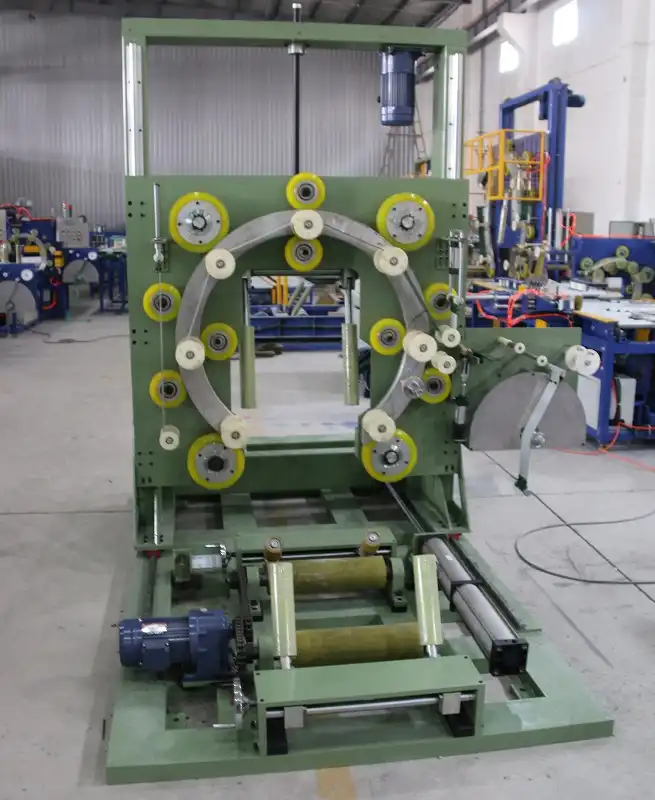
The source material points towards a range of advanced solutions, highlighting customizability and automation as key capabilities. This includes:
- Guided Vehicles (AGV/MGV): These autonomous or manually guided vehicles can transport coils along defined paths, connecting different process areas without direct human operation of the vehicle in motion.
- Custom Work Positioners & Tilters/Up-enders: Beyond simple lifting, equipment designed to precisely position or orient coils can be crucial for integration with processing machinery like slitters, stamping presses, or packaging lines. Tilters and up-enders change the coil’s orientation (e.g., from eye horizontal to eye vertical or vice-versa), often part of an automated flow.
- Transfer Cars: Similar to coil cars but often referring to heavier-duty systems that move along fixed rails, transferring materials between bays or buildings.
- Automated Retrieval and Storage Systems: Sophisticated systems that can automatically store and retrieve coils from high-density storage racks, managed by a central control system, optimizing space utilization and significantly increasing speed and accuracy.
- Integrated Systems: The most advanced facilities integrate multiple pieces of equipment – cranes, AGVs, transfer cars, positioners – into a seamless, automated workflow, managed by a central control system. This level of automation minimizes human interaction with heavy loads, reducing risk while maximizing efficiency.
These advanced solutions are particularly relevant in industries like automotive stamping, where demanding production schedules require rapid and reliable movement of large volumes of steel coils, or in large steel mills where sheer weight and volume necessitate automated handling for safety and throughput. The concept of “We Build Big Things to Help Our Customers Build Big Things” from the source material underscores the scale and custom engineering involved in these solutions. Implementing such systems requires significant upfront investment but can yield substantial long-term benefits in terms of reduced labor costs, increased throughput, minimized product damage, and a demonstrably safer working environment. They represent the forefront of industrial solutions for handling challenging materials.
Conclusion
Safely handling heavy steel coils with lifting equipment is a complex but manageable task requiring the right combination of specialized machinery, trained personnel, robust procedures, and a commitment to safety. By selecting appropriate equipment, implementing rigorous handling and storage techniques, establishing a culture of regular inspection and maintenance, and exploring automation, facilities can significantly mitigate risks, protect valuable assets like steel coils, and optimize operational efficiency. These practices are not just about compliance; they are fundamental to a productive and secure working environment in the heavy industries that rely on steel. Consider integrating advanced systems like a coil packing line to enhance post-handling processes safely and efficiently.








