
How to Ensure Steel Wire Rewinding Machine Compatibility with Existing Systems?
Ensuring steel wire rewinding machine compatibility is crucial for seamless integration and optimal performance. It prevents costly downtime and ensures efficient production processes. Careful planning and assessment are essential for achieving system compatibility.
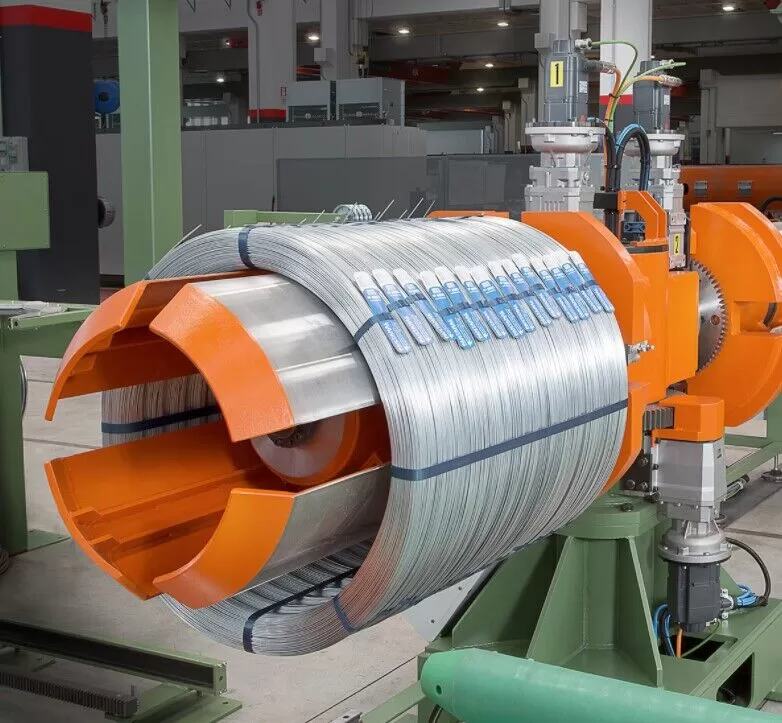
To ensure steel wire rewinding machine compatibility, start with a thorough assessment of your existing systems. Evaluate the mechanical, electrical, and control interfaces. Consider data exchange protocols and physical space constraints. Verify compliance with industry standards for seamless system compatibility.
Integrating a new steel wire rewinding machine into an existing system can be challenging, but with the right approach, it can be a smooth and efficient process. Let’s delve into the critical aspects of ensuring compatibility and optimizing performance.
1. Mechanical Integration
Mechanical integration involves physically connecting the rewinding machine to existing systems. This includes assessing the spatial requirements and ensuring proper alignment.
Mechanical integration focuses on the physical aspects, ensuring seamless connection. Evaluate dimensions, mounting points, and material handling systems. Proper alignment and stability are crucial for preventing mechanical failures.

1.1 Spatial Requirements and Layout Optimization
Before installing a new rewinding machine, evaluate the available space. Consider the machine’s dimensions, including its operational footprint and maintenance access. Optimize the layout to ensure smooth material flow and minimize bottlenecks.
1.2 Interface Compatibility
Assess the interface compatibility between the rewinding machine and existing equipment. This includes:
- Material Handling Systems: Ensure the rewinding machine aligns with existing conveyors, feeders, and take-up systems.
- Mounting Points: Verify that the mounting points on the machine are compatible with existing infrastructure.
- Alignment: Precise alignment is crucial to prevent mechanical stress and ensure smooth operation.
1.3 Structural Considerations
Ensure the existing infrastructure can support the weight and operational forces of the rewinding machine. Conduct structural analyses to identify potential weaknesses and reinforce the structure if necessary.
| Consideration | Detail |
|---|---|
| Load Capacity | Verify that the floor and support structures can handle the machine’s weight. |
| Vibration Isolation | Implement vibration isolation measures to prevent the transmission of vibrations to other equipment. |
| Foundation Stability | Ensure the machine’s foundation is stable and level to prevent misalignment and mechanical stress. |
These mechanical considerations are vital for preventing downtime and ensuring the longevity of your equipment. Properly evaluating and addressing these concerns can significantly improve the overall efficiency of your operation.
2. Electrical Integration
Electrical integration involves connecting the rewinding machine’s electrical systems to the existing power grid and control systems.
Electrical integration addresses power supply, control signals, and safety circuits. Verify voltage compatibility and grounding requirements. Ensure compliance with electrical codes for safe and reliable operation.

2.1 Power Supply Compatibility
Verify that the rewinding machine’s power requirements match the existing power grid. This includes voltage, current, and frequency. Use transformers or voltage regulators to ensure compatibility.
2.2 Control Signal Integration
Integrate the rewinding machine’s control signals with the existing control system. This includes:
- Start/Stop Signals: Ensure the machine can be started and stopped remotely.
- Speed Control: Integrate speed control signals for precise adjustments.
- Emergency Stop: Implement an emergency stop system that can shut down the machine in critical situations.
2.3 Safety Circuit Integration
Integrate the rewinding machine’s safety circuits with the existing safety system. This includes:
- Overload Protection: Implement overload protection to prevent motor damage.
- Short Circuit Protection: Install short circuit protection to prevent electrical fires.
- Grounding: Ensure proper grounding to prevent electrical shock hazards.
3. Control System Integration
Control system integration involves integrating the rewinding machine’s control system with the existing automation platform.
Control system integration ensures seamless communication and data exchange. Select appropriate communication protocols. Develop custom interfaces if needed for smooth data transfer and coordinated operation.

3.1 Communication Protocols
Select communication protocols that are compatible with the existing automation platform. Common protocols include:
- Ethernet/IP: A widely used industrial Ethernet protocol.
- Profinet: Another popular industrial Ethernet protocol.
- Modbus: A serial communication protocol commonly used in industrial applications.
3.2 Data Mapping
Map the rewinding machine’s data points to the existing automation system. This includes:
- Speed: Map the machine’s speed data to the control system.
- Tension: Integrate tension data for precise control.
- Error Codes: Map error codes for quick troubleshooting.
3.3 HMI Integration
Integrate the rewinding machine’s human-machine interface (HMI) with the existing HMI system. This provides operators with a unified interface for monitoring and controlling the entire system.
| Feature | Importance |
|---|---|
| Centralized Control | Enables operators to control all equipment from a single interface. |
| Real-Time Monitoring | Provides real-time data on machine status and performance. |
| Alarm Management | Allows operators to quickly identify and respond to errors and alarms. |
Proper control system integration is essential for maximizing the efficiency and reliability of your steel wire rewinding machine. By carefully planning and executing this integration, you can ensure seamless operation and optimal performance.
4. Risk Assessment and Safety Measures
Performing a comprehensive risk assessment is essential for identifying potential hazards associated with the new rewinding machine and its integration with existing systems.
%[Steel wire rewinding machine compatibility]( “Steel wire rewinding machine compatibility”)
Integrating a new steel wire rewinding machine into an existing system comes with risks. Ensure safety compliance. Provide operator training. Regular maintenance is crucial. A solid plan minimizes downtime and maximizes efficiency
Conduct thorough risk assessments and implement safety measures. Provide comprehensive operator training. Establish regular maintenance schedules for long-term reliability and safety. A plan minimizes downtime and maximizes efficiency.
- Hazard Identification: Identify potential hazards, such as electrical shocks, mechanical injuries, and fire risks.
- Risk Evaluation: Evaluate the likelihood and severity of each hazard.
- Control Measures: Implement control measures to mitigate the identified risks.
Conclusion
Ensuring steel wire rewinding machine compatibility is essential for seamless integration and optimal performance. By addressing mechanical, electrical, and control system integration, you can minimize downtime and maximize efficiency. Thorough risk assessment and safety measures are also crucial for preventing accidents and ensuring a safe working environment. Proper Steel wire rewinding machine compatibility guarantees a smooth transition and long-term reliability.








