
Choosing Between Steel and Polyester Strapping for Heavy Loads
Securing heavy loads for transport presents a significant challenge. The wrong strapping can lead to damaged goods, delays, and costly returns. You need materials that guarantee stability and safety. But when faced with the powerful options of steel and polyester strapping, how do you choose the ultimate solution for your heaviest shipments?
For truly massive, static, or sharp-edged heavy loads, steel strapping offers unparalleled break strength and rigidity. However, polyester strapping is a versatile and often preferred alternative for many heavy loads that may settle, expand, or require shock absorption, providing a safer, cost-effective option with excellent tension retention for most heavy-duty applications.
To make an informed decision that protects your valuable cargo and optimizes your operations, we must delve into the unique characteristics, advantages, and limitations of both steel and polyester strapping when put to the test with substantial weight and challenging conditions. Let’s explore their properties in detail.
Steel Strapping: The Heavy-Duty Standard
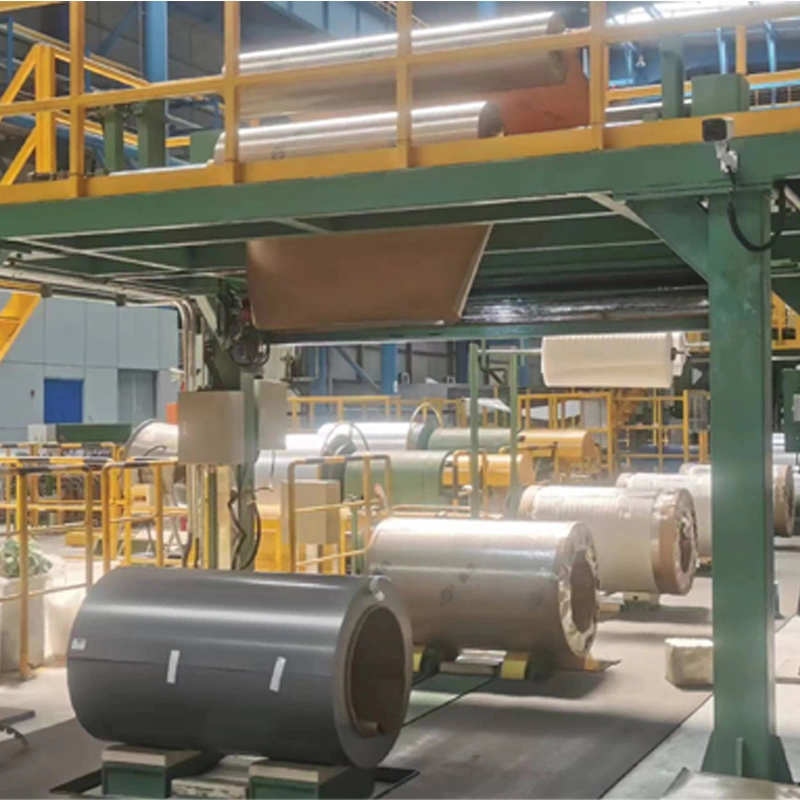
Steel strapping, often considered the classic workhorse of the packaging world, has long been the standard for securing the most demanding loads in industrial settings. Its inherent strength and rigidity make it the traditional choice for stabilizing massive weight and non-compressible materials, playing a critical role in safely transporting goods like steel coils and heavy industrial machinery.
Steel strapping is renowned for possessing the highest break strength among all strapping materials, making it the ultimate choice for securing non-compressible, extremely heavy loads such as industrial machinery, steel coils, or metal plates with sharp edges. Crafted from steel alloys, it offers exceptional rigidity, ensuring stable loads remain secure without settling or losing shape. It maintains tension effectively over long durations and is highly resistant to UV light and extreme temperature fluctuations. However, its rigidity means it doesn’t adapt to settling loads like lumber, and untreated versions can rust. Handling steel strapping requires caution due to its weight and sharp edges, and it is generally more costly than polyester alternatives. Despite these drawbacks, it remains essential for specific applications like mandatory rail shipments and securing the heaviest, most stable industrial components.

Properties and Performance Analysis
Steel strapping’s robust performance characteristics stem from its metallic composition. It boasts the highest tensile strength and, crucially for the most demanding applications, the highest break strength. This means it can withstand immense force before snapping, making it the primary choice for loads where failure is simply not an option. Unlike plastic strapping, steel has very low elasticity, meaning it stretches minimally when tension is applied and retains that tension with exceptional stability over time, particularly on rigid, non-compressible loads. This rigidity is a double-edged sword; while perfect for static materials like steel beams or heavy machinery that won’t shift or settle, it offers no give for loads like lumber that might expand or contract with humidity changes, potentially leading to strap loosening.
Environmental resistance is another key strength of steel. It holds up well under prolonged exposure to UV light and extreme temperature fluctuations, which can degrade plastic alternatives. However, untreated steel strapping is susceptible to rust in humid or wet environments, which can stain the packaged product. Galvanized or coated steel offers improved corrosion resistance, albeit at a higher cost.
Handling steel strapping requires significant care. Its weight and sharp edges pose a risk of injury during application and removal, often necessitating heavier tools and protective equipment. The material cost is also typically higher than polyester and can fluctuate based on metal market prices. Steel strapping is commonly available in widths ranging from 3/8 inch to 1-1/4 inches and thicknesses from 0.020 inch to 0.035 inch, with thicker gauges providing higher strength. Rolls are generally smaller than polyester rolls due to weight, meaning more coil changes in high-volume operations.
Here’s a look at key steel strapping properties:
| Property | Characteristic | Implications for Heavy Loads |
|---|---|---|
| Break Strength | Highest among strapping materials | Ultimate security for the heaviest, most demanding loads. |
| Elasticity | Very Low | Minimal stretch; retains tension on static loads but won’t adapt to settling. |
| Tension Retention | Excellent on static loads, stable over time | Keeps rigid loads secure long-term. |
| Environmental Resist | High UV/Temp Resistance; Rusts if untreated | Suitable for outdoor storage/long transit, but consider rust. |
| Rigidity | High | Ideal for non-compressible, sharp-edged materials; non-conforming to settling. |
| Safety/Handling | Hazardous (heavy, sharp edges, spring back) | Requires training, protective gear, and robust tools. |
| Cost | Generally higher, price fluctuates, shorter rolls | Higher material & labor cost; more downtime for roll changes. |
Specific heavy-duty applications where steel strapping is often mandated or preferred include railroad shipments of large machinery or metals, securing massive steel coils, bundling structural steel or iron beams, and packaging products like baling wire or heavy industrial equipment with non-compressible loads.
Polyester Strapping: The Versatile Alternative
Polyester strapping, often recognized by its acronym PET, has emerged as a powerful and versatile alternative to steel in many heavy-duty packaging scenarios. Its blend of strength, elasticity, and handling ease makes it suitable for a wider range of challenging applications, often replacing steel where its specific properties are not strictly necessary.
Polyester (PET) strapping provides a highly versatile solution for heavy loads, particularly those prone to settling, shifting, or requiring compression during transit. Its key advantage lies in its elasticity, allowing it to stretch and recover, absorbing impacts and maintaining tension on dynamic loads. It is significantly safer and easier to handle than steel, resistant to moisture and corrosion, and often made from recycled materials. While not always surpassing steel for the absolute heaviest, static loads or those with extreme sharp edges without protection, polyester is a cost-effective, environmentally conscious, and increasingly popular choice for a broad spectrum of heavy-duty palletizing and bundling applications.
Polyester strapping is characterized by a combination of high tensile strength and significant elasticity compared to steel. This elasticity, sometimes referred to as its “rubber band” effect, allows it to stretch and recover, absorbing shocks and maintaining tension even as a load settles, expands, or contracts during transit. This makes it ideal for strapping materials like lumber, bricks, or certain palletized beverages, which might shift or compress over time. Its ability to conform and recover tension helps keep the load secure throughout the supply chain, reducing the risk of product damage caused by strap loosening.
While steel boasts the highest break strength, polyester’s tensile strength is often comparable to or even higher than steel strapping in certain dimensions. Coupled with its excellent elongation recovery and impact absorption properties, PET strapping offers superb load containment for extended periods, standing far above polypropylene strapping in this regard.
Polyester is inherently resistant to moisture, corrosion, and many chemicals, and it will not rust or stain your products. This makes it a better choice in humid or wet environments where untreated steel would corrode. However, while resistant, polyester can degrade over very long periods of exposure to extreme UV light and temperature changes, potentially losing some tension or strength, unlike steel which maintains performance in such conditions more reliably long-term.
One of the most significant advantages of polyester strapping is its safety and ease of use. It is lighter than steel, lacks sharp edges, and the risk of “spring back” upon cutting is much lower, drastically reducing the risk of operator injury. This leads to a safer work environment and potentially lower labor costs. Polyester is also more cost-effective than steel, with prices being more stable. It comes in longer rolls, requiring fewer roll changes and less storage space. PET strapping typically ranges in width from 3/8 inch to 5/8 inch and is often thicker than steel strapping, with average thicknesses between 0.02 inch and 0.05 inch, contributing to its strength. It is widely recyclable, often made from recycled plastics, appealing to businesses focused on sustainability.
Key Factors Influencing Your Decision
Selecting the optimal strapping material for your heavy loads involves more than just looking at tensile strength. A range of practical and environmental factors must be carefully assessed to ensure maximum security, safety, and cost-effectiveness for your specific operational needs.
Deciding between steel and polyester strapping for heavy loads hinges on several factors: the load’s exact weight and stability (does it settle?), presence of sharp edges, anticipated transport conditions (distance, temperature, humidity, UV exposure), budget constraints, required duration of tension, and safety considerations for handlers. Steel is typically favored for the heaviest, static loads and sharp materials, while polyester is often the preferred, safer, and more versatile option for many heavy, palletized loads that might shift or need shock absorption.
Making the correct choice requires a thorough evaluation of your specific application. Simply classifying a load as “heavy” isn’t enough; understanding the nature of the heaviness and the journey it will undertake is crucial.
Load Characteristics
- Weight and Density: For the absolute heaviest, most dense, and non-compressible loads (like solid steel coils or large machinery parts), steel’s superior break strength often makes it the default or required choice. For palletized loads of heavy items that aren’t a single, massive block (like bricks, concrete blocks, or bottled goods), polyester is frequently sufficient and offers benefits.
- Load Stability and Settling: Loads that may settle, compress, or expand due to moisture or vibration during transit (such as lumber) are better suited for polyester due to its elasticity and ability to recover tension. Rigid, non-settling loads (like metal fabrication) maintain tension better with steel’s rigidity.
- Shape and Edges: Products with sharp corners or edges (e.g., sheet metal, angle iron) can easily cut through polyester strapping, necessitating costly edge protectors. Steel strapping is highly resistant to cutting and abrasion from these types of loads, making it the safer material choice in direct contact.
Environmental Conditions and Transit
- Transport Distance and Time: For very long transit times or storage periods, especially in varying climates, steel’s stable tension retention and resistance to environmental degradation (except rust) can be advantageous. While polyester performs well, its long-term performance under extreme conditions or UV exposure may slightly diminish compared to steel.
- Temperature and Humidity: Steel is largely unaffected by temperature changes. Polyester is resistant to moisture and rust, making it superior to untreated steel in wet environments. However, extreme temperature fluctuations over time can impact polyester more than steel.
- UV Exposure: Steel is highly resistant to UV light. While polyester has good initial UV resistance, prolonged exposure, especially over long transit or storage durations outdoors, can weaken it.
Operational and Cost Considerations
- Safety: Polyester is dramatically safer and easier to handle than steel, reducing the risk of worker injuries and associated costs (medical, insurance, lost time). This is a major factor driving the shift away from steel in many operations.
- Cost: Polyester strapping is generally less expensive per foot than steel strapping. The cost savings extend to labor (easier application), fewer roll changes (longer rolls), and potentially less product damage (adapting to load shift). While steel’s initial cost is higher, its durability might offer long-term value for specific applications.
- Application Method: The choice of tooling (manual vs. battery vs. automatic) impacts the tension and joint efficiency achievable with each material, which in turn influences required strap dimensions and performance. Battery-powered tools enhance polyester’s performance considerably.
Considering these factors alongside the inherent properties allows for a nuanced decision, ensuring the selected strapping material provides optimal security without unnecessary cost or safety risks.
| Feature | Steel Strapping | Polyester Strapping |
|---|---|---|
| Primary Strength | Highest Break Strength | High Tensile Strength, Good Break Strength |
| Elasticity | Very Low | High, Excellent Recovery |
| Tension Hold | Excellent on Static Loads, Long-Term Stable | Good, Adapts to Dynamic Loads, Very Good vs. Polypro |
| Sharp Edges | Highly Resistant | Needs Edge Protection |
| Settling Loads | Poor Adaptation | Good Adaptation, Maintains Tension |
| Safety | High Risk of Injury | Much Safer, Easier Handling |
| Cost | Higher, Fluctuates | Lower, More Stable |
| Rust/Corrosion | Untreated Rusts | Resistant |
| UV/Temp Extremes | Very Resistant | Can Degrade Over Long, Extreme Exposure |
| Environmental | Recyclable | Recyclable, Often Recycled Content |
| Typical Use Cases | Ultra-Heavy Static, Sharp Metals, Rail | Heavy Palletized, Lumber, Bricks, Settling Loads |
Strapping Tools: Impacting Your Choice
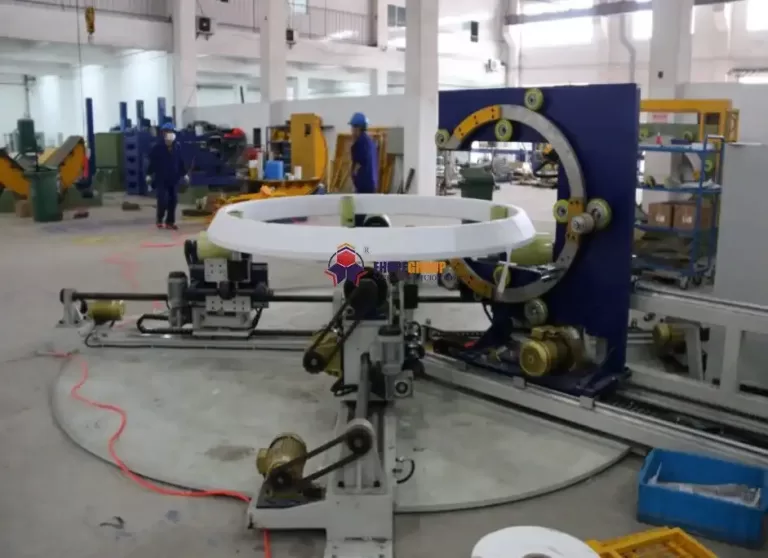
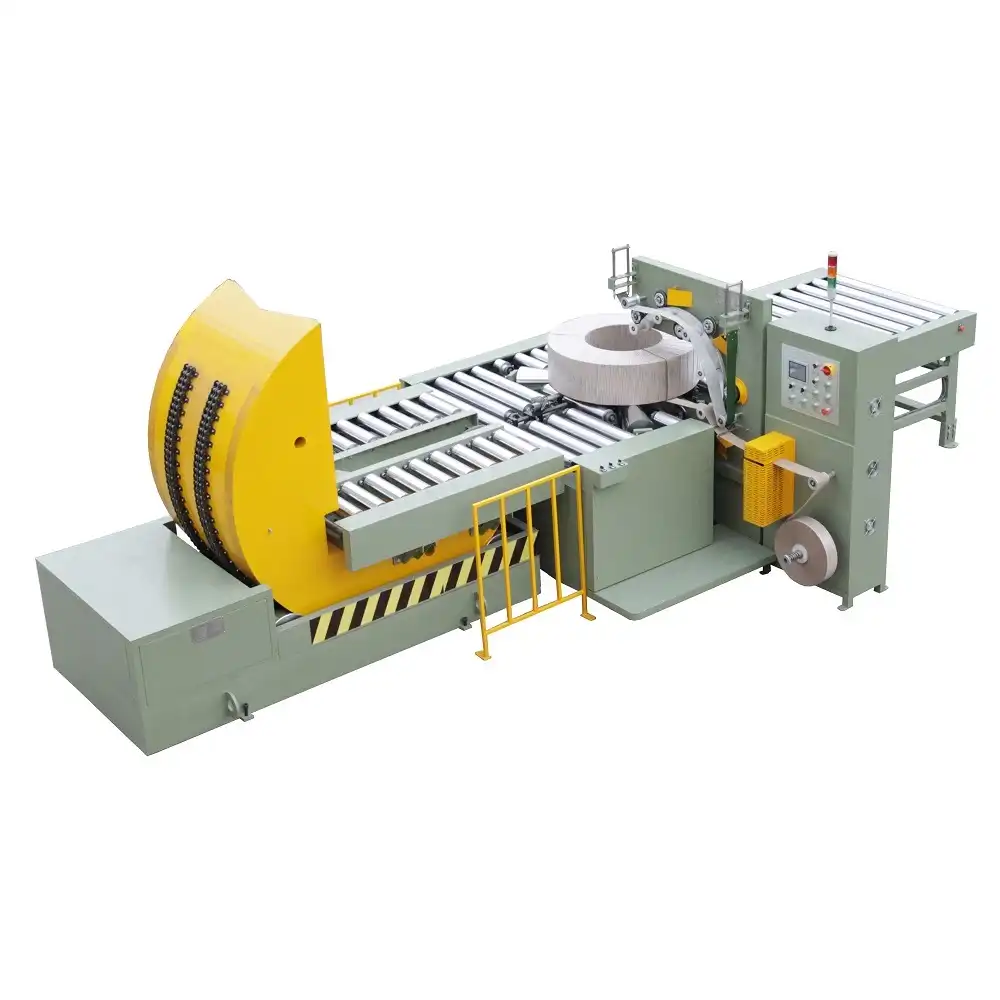
Battery-powered or pneumatic tools offer significant advantages, particularly for polyester strapping. These tools apply consistent, high tension and create a friction weld, bonding the two ends of the polyester strap together with high efficiency, often reaching 85% of the strap’s break strength. This improved joint strength can sometimes allow businesses to use a lighter gauge of polyester strap for the same load security previously achieved with a heavier strap or even steel, leading to material cost savings. For high-volume operations securing heavy loads, automated strapping machines can provide the highest levels of speed, consistency, and tension control, suitable for both steel and polyester depending on the machine type and application. Choosing the appropriate tooling is therefore an integral part of selecting the optimal strapping solution for heavy loads, influencing not only labor efficiency and safety but also the effective performance and cost of the strapping material itself.
Conclusion
Choosing the right strapping material for heavy loads is a critical decision impacting shipment safety and cost. Steel remains the benchmark for the absolute heaviest, most rigid, and sharp loads, offering maximum break strength and environmental resistance. However, polyester is increasingly preferred for its versatility, safety, shock absorption, cost-effectiveness, and environmental benefits for a wide range of heavy-duty applications, especially when loads may settle or shift. Carefully evaluate your specific load characteristics, transport conditions, budget, and safety priorities. For businesses handling heavy-duty applications like coil strapping, selecting the right solution ensures goods arrive securely.








