
Can Fully Automated U.S. Slit Coil Packing Lines Slash Labor Costs and Downtime?
Are you a factory manager in the U.S., constantly battling high labor costs? Do you see your production lines slow down because of manual packing? Many operations, especially with slit coils, still rely on people. This creates huge bottlenecks. It also leads to safety risks. Workers handle heavy materials. This causes injuries. It pushes up your insurance costs. Plus, if a machine stops, your whole line stops. This costs real money. You need a way to move faster and safer. You need to protect your profits. So, can automation really fix these problems? Does it deliver real savings in a busy U.S. factory?
Yes, fully automated U.S. slit coil packing lines can significantly cut labor costs and reduce downtime. They do this by making operations much smoother. These systems improve worker safety. They also make sure product quality stays high. This helps factory managers tackle their main challenges head-on. They get better output. They spend less money. They avoid costly stops.
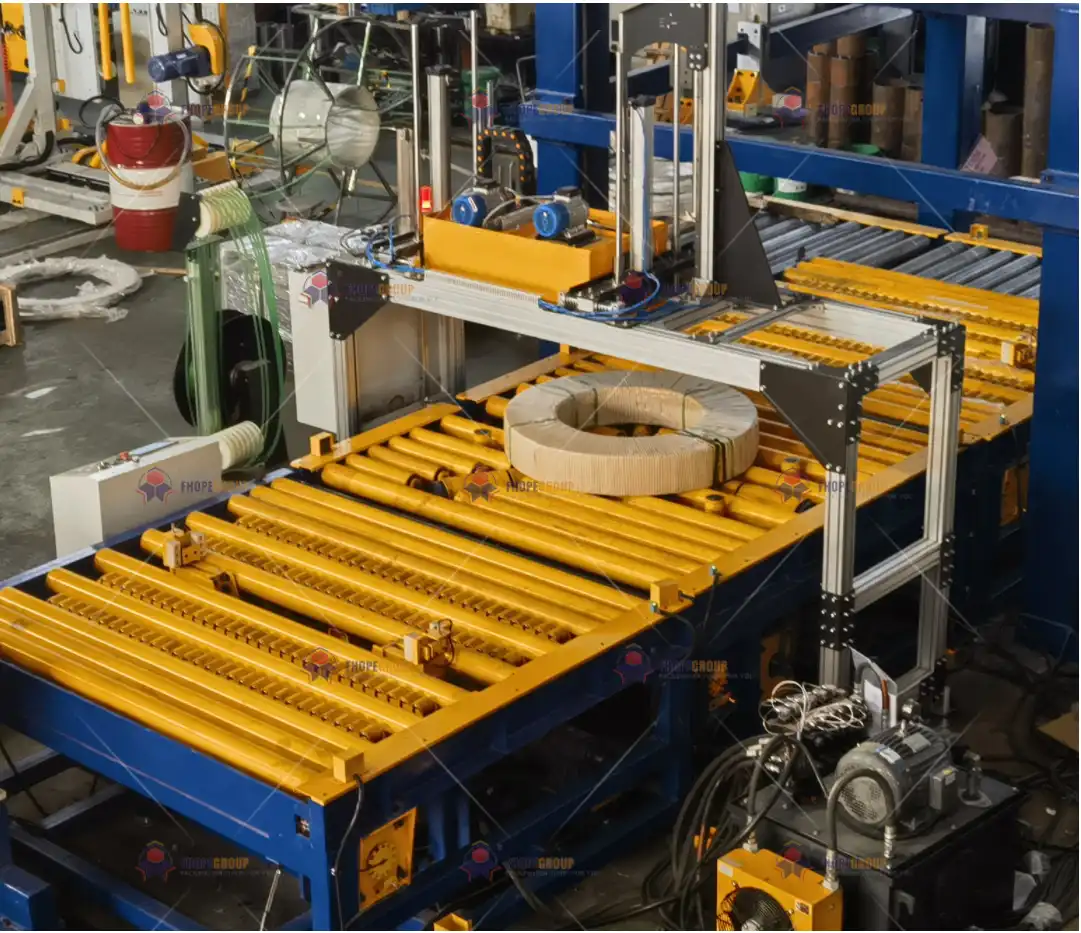
The idea of automation sounds great. But knowing how it actually works is important. You need to see how it can truly change your factory floor. You need to understand the details. Let’s look closer at how these modern systems can help your business grow. We will see how they make your production lines safer and more efficient.
Can Automation Really Solve the Labor Crunch in U.S. Factories?
The U.S. manufacturing sector faces a big challenge. It is hard to find skilled labor. Wages are rising. Keeping good workers is tough. This makes manual operations very expensive. It also makes them hard to manage. Are you struggling to staff your packing line? Do you worry about turnover? Many factory owners I talk to have these same concerns. They ask if machines can truly replace people. Can automation step in where workers are scarce? Can it really ease the pressure on your payroll?
Automation can indeed solve a lot of the labor crunch in U.S. factories. It takes over repetitive and dangerous tasks. This reduces the need for many workers on the packing line. It also allows your existing team to focus on higher-value jobs. This makes your workforce more efficient. It also helps manage rising labor costs.
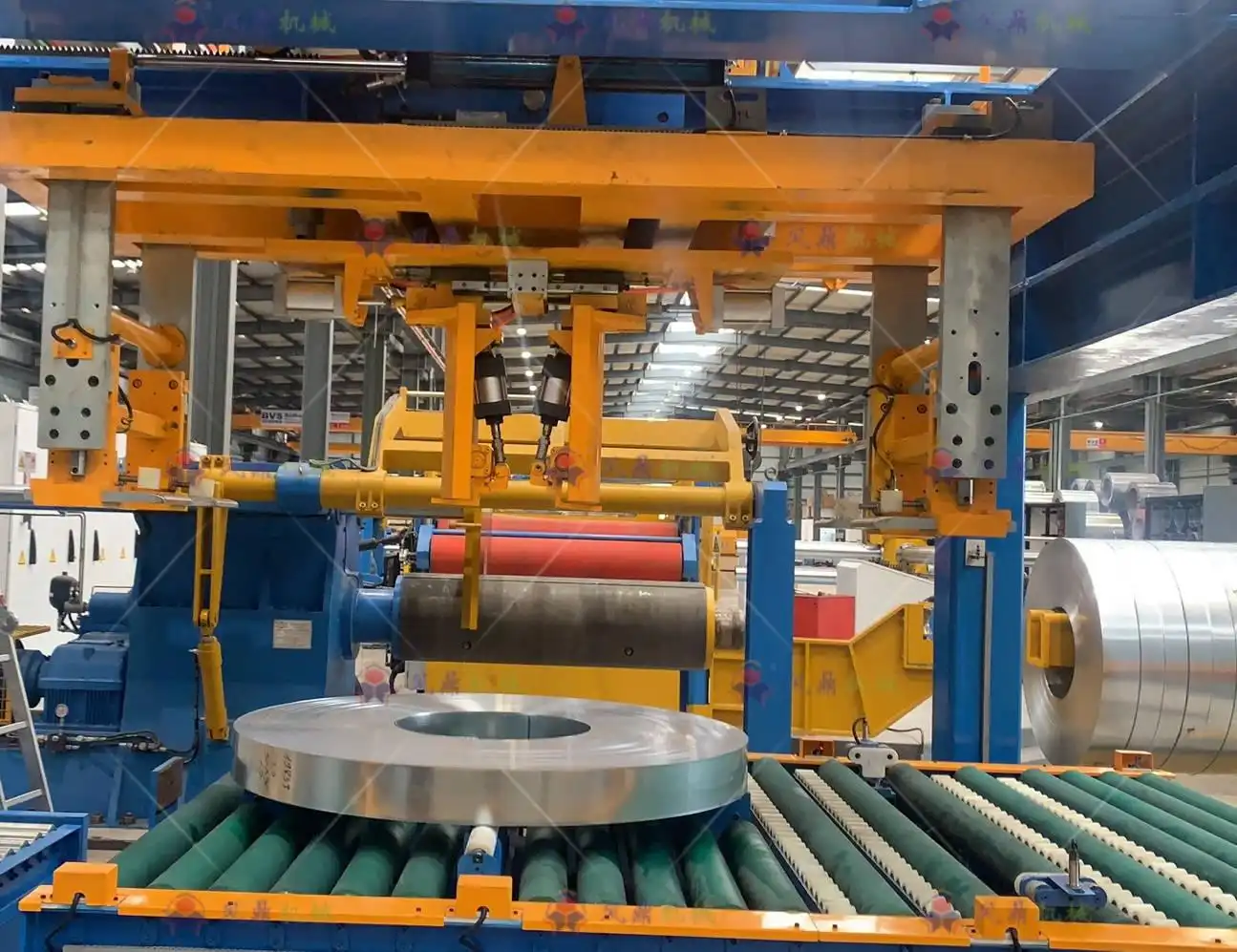
From my own journey in the packing machine industry, I have seen this first hand. When I started my factory, labor was a constant challenge. Finding enough skilled hands was hard. Keeping them was even harder. This is why I always focused on building machines that worked smarter. I designed them to reduce the number of people needed. Automated coil packing lines take over many tasks. Workers used to lift heavy coils. They used to wrap them by hand. They used to strap them. These tasks are slow. They are also physically demanding. A machine can do this work much faster. It does it without breaks. It does it without getting tired. Think about the cost of labor in the U.S. Wages are high. Benefits add to that cost. Training new staff takes time and money. When you use automation, you reduce these direct labor costs. You also reduce costs related to injuries. You save on sick days. You save on employee turnover. One automatic machine can do the work of several people. Over time, this adds up to big savings. It frees up your budget. You can then use that money for other things. You can invest in new tech. You can train your remaining workers for more complex roles. This does not mean people lose their jobs. It means their jobs change. Workers can move to roles that need thinking. They can manage the machines. They can do maintenance. They can handle quality control. This makes the overall operation smarter. It makes it more resilient. It helps factories like Michael’s run smoothly. It keeps production high, even when skilled labor is hard to find. It is a strategic move. It is not just about cutting heads. It is about making your whole system more productive. It is about future-proofing your business. I have seen how this shift helps companies grow. It gives them stability. It lets them meet demand without constant staffing worries. It’s a real solution for today’s labor market.
How Do Automated Systems Improve Safety and Reduce Risk?
Safety is a top concern in any factory. Especially in heavy manufacturing. Manual handling of steel coils and wire is very dangerous. Workers can get crushed. They can strain their backs. Accidents happen. These incidents cost a lot. They lead to worker injuries. They mean high insurance premiums. They also cause lost workdays. Are you worried about your team’s safety? Do you want to reduce costly accidents? You need to find a way to protect your people better. Can machines really make your factory a safer place?
Automated systems improve safety by removing workers from hazardous tasks. They handle heavy and awkward materials. This greatly reduces the risk of injuries. Fewer manual actions mean fewer accidents. This leads to lower insurance costs. It also makes your workplace safer for everyone. Machines perform tasks in a controlled way. This keeps people out of harm’s way.
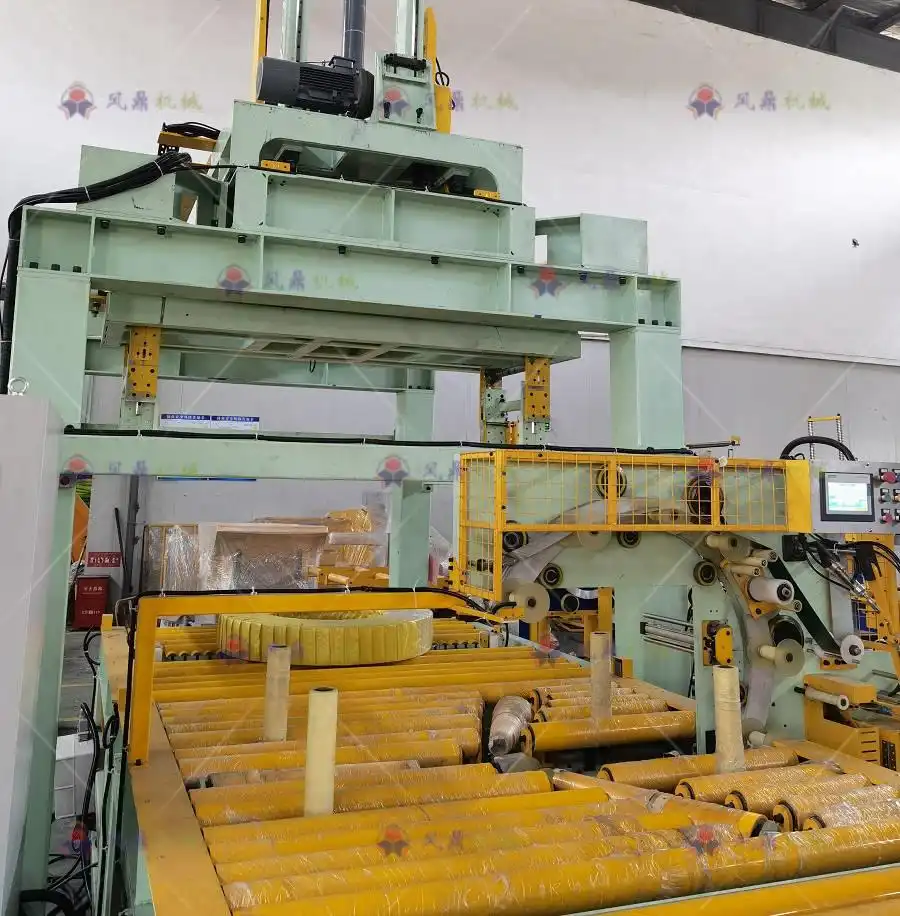
When I was building my packing machine factory, safety was always a key design point. I saw how workers struggled. They lifted heavy components. They worked near moving parts. I knew there had to be a better way. This understanding came from being on the factory floor myself. I experienced the risks. Automated systems are built to keep people safe. They use robots or mechanical arms. These arms do the heavy lifting. They do the turning and positioning of coils. This means workers do not need to touch these heavy items. Michael, as a factory manager, knows the pain of worker injuries. A single serious accident can stop production. It can lead to investigations. It can lead to huge fines. It also affects morale. Think about the typical risks. Manual strapping involves sharp edges. Flipping heavy coils manually is dangerous. Transporting large items often means operating forklifts in busy areas. Automation takes these risks away. A machine applies straps. It wraps the coils. It moves them on conveyors. Workers can stand at a safe distance. They can monitor the process. They can intervene only when needed. This change has many benefits. First, fewer accidents mean lower medical costs. It means less time lost to recovery. Second, your insurance premiums can go down. Insurers see a safer workplace. They reward factories that invest in safety. Third, worker morale improves. People feel safer at work. This helps with employee retention. It creates a better work environment. I always tell my clients, safety is not just about rules. It is about smart design. It is about choosing the right tools. Automated systems are those tools. They are an investment in your people. They are an investment in your business stability. They help you meet safety regulations easily. They also help build a culture where safety comes first. This is a critical point. It is not just about avoiding fines. It is about doing the right thing. It is about making sure everyone goes home safe at the end of the day.
What’s the True ROI of Investing in an Automated Coil Packing Line?
Every factory manager needs to justify big purchases. You need to show a clear return on investment (ROI). Automated packing lines look costly at first. But what are the real savings? Are they just about labor? Or do they offer more? You want to know if this investment will truly pay off. You need solid numbers. You need a clear path to profit. How do you measure the value of fewer damaged products? How do you count the gains from faster output? Let’s explore the true financial picture.
The true ROI of an automated coil packing line goes beyond just labor savings. It includes reduced product damage, increased throughput, and lower operational costs. These systems lead to faster production cycles. They cut down on wasted materials. They also lower maintenance needs over time. This creates a strong financial return. It helps boost your factory’s overall profitability significantly.
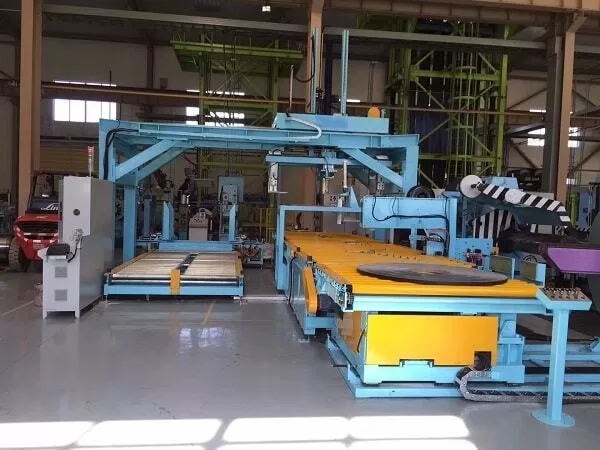
When I helped my clients grow their businesses, one of the first things we looked at was ROI. It is not enough to just buy a machine. You need to know it will make you money. My experience in running my own factory taught me this. Every dollar spent must bring back more dollars. An automated coil packing line has many ways to deliver ROI. First, Direct Labor Savings. We already talked about this. You need fewer people on the packing line. This reduces your biggest ongoing cost. Second, Reduced Product Damage. Michael mentioned product damage during packing. Manual handling often causes dents or scratches. These lead to customer complaints. They lead to returns. They mean lost profits. An automated system handles coils gently. It uses precise movements. It reduces damage almost to zero. This saves you money from rework. It saves you money from scrap. It also improves customer satisfaction. Happy customers order more. Third, Increased Throughput. Automation is much faster than manual work. Machines work without tiring. They work at a steady pace. This means you can pack more coils in less time. You can meet higher demand. You can take on more orders. This directly boosts your factory’s production capacity. It also increases your revenue potential. Fourth, Lower Operational Costs. Besides labor, automation reduces other costs. It lowers insurance premiums due to improved safety. It can also reduce energy costs through optimized processes. Some modern machines are very energy efficient. Plus, planned maintenance on automated systems is often more predictable. It causes less downtime than dealing with human error or unplanned manual issues. Fifth, Improved Quality and Consistency. Every coil is packed the same way. This means consistent product quality. This consistency helps build your brand’s reputation. It also reduces customer service issues. This can be hard to put a number on. But it is very important for long-term business growth. To calculate ROI, you need to look at all these factors. You need to compare your current costs with projected costs after automation. The initial investment might seem large. But the long-term savings and increased revenue can be huge. Many companies see a full return on their investment in just a few years. Sometimes even faster. This makes automation not just an expense. It makes it a smart strategic investment for growth.
Why Partnering with Industry Experts Matters More Than Ever?
You have probably dealt with equipment suppliers before. Some are great. Others are only interested in selling. They disappear when you need support. This leads to broken trust. It leaves you with problems you cannot solve. Michael, you know this pain. You need a supplier who understands your factory. You need someone who offers real solutions. You need ongoing help. Why is finding a true partner more important now than ever? How can you avoid bad experiences and make smart choices?
Partnering with industry experts is vital. These experts understand your unique challenges. They do not just sell machines. They offer insights. They provide reliable solutions. They offer strong after-sales support. This partnership helps you avoid costly mistakes. It ensures your investment truly solves your problems. It also supports your long-term business growth.
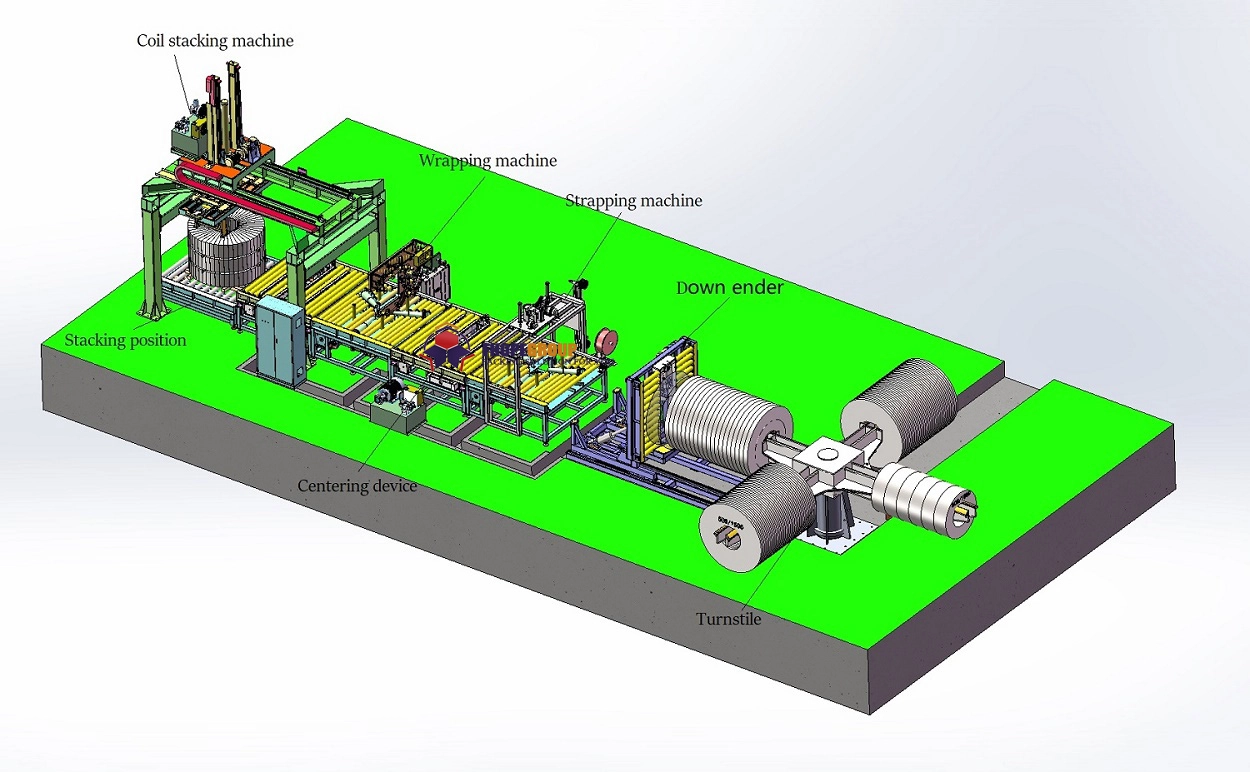
My journey from a factory employee to owning FHOPEPACK taught me a big lesson. It is not just about making good machines. It is about understanding the customer. It is about helping them succeed. Many suppliers only focus on sales targets. They push whatever machine they have. They do not listen to your actual needs. I have seen clients buy the wrong equipment because of this. They ended up with more problems than before. This is why I believe in true partnership. As a factory manager like Michael, you face specific problems. You have unique production bottlenecks. You have safety concerns. You need higher efficiency. An expert partner listens to these details. They ask the right questions. They visit your site if needed. They look at your current setup. Then, they recommend a solution. It is a solution designed for your factory. It is not just a generic machine. A true expert also provides strong after-sales service. A machine is an investment. It needs support. It needs maintenance. It needs spare parts. A good partner is there for you after the sale. They help you with installation. They train your team. They offer troubleshooting. They respond quickly when you have an issue. This reduces your downtime. It protects your investment. Think about the trust crisis Michael faced with past suppliers. This happens when companies prioritize profit over people. My goal with FHOPEPACK is different. I want to share my knowledge. I want to help others avoid the mistakes I have seen. I want to help them make smart choices. Choosing a partner who has been in your shoes is powerful. Someone who understands the daily pressures of running a factory. Someone who knows the coil packing and steel wire packing world inside out. This kind of partnership builds real value. It leads to lasting success. It means you are not just buying a machine. You are buying peace of mind. You are buying expert guidance. You are getting a team that truly cares about your factory’s future.
My Insights!
For me, FHOPEPACK is more than just a brand. It is a way to give back. The packing machine industry changed my life. I started as an employee. I learned the ropes. I saw the challenges. Then, I built my own factory. This journey taught me so much. It showed me the power of good machines. It showed me the value of helping others. I know what it means to push for higher output. I know what it means to control costs. I know the constant worry about safety. I faced these exact same problems myself. This is why I focus on practical solutions. I want to share the insights I gained. I want to help factory managers like Michael. When I look at automation, I see an answer. It is an answer to labor shortages. It is an answer to safety risks. It is an answer to production bottlenecks. But it is not just about buying a machine. It is about careful planning. It is about choosing the right partner. It is about understanding your own factory’s unique needs. My success came from understanding the core issues. It came from building reliable equipment. It came from putting the client first. Now, I want to pass that on. I want to make sure you have the knowledge you need. You deserve equipment that works. You deserve a partner who understands your business. You deserve to achieve your own financial independence and growth, just like I did.
Conclusion
Fully automated U.S. slit coil packing lines truly cut labor costs and downtime. They boost safety and profit. Partner with experts like FHOPEPACK for real solutions and lasting growth.








