
Which Maintenance Practices Keep U.S. Steel Coil Packing Lines Running Smoothly?
The sound of a packing machine stopping in a U.S. steel coil factory is like a punch to the gut for any plant manager. You know this feeling, right? Production bottlenecks, rising costs, and safety worries are constant companions. Manual handling means slow work, risks for staff, and damage to products. This all leads to lost profits and unhappy clients. We have all seen it.
Keeping U.S. steel coil packing lines running smoothly needs a mix of smart maintenance plans. These include regular checks, fixing problems fast, and making big overhauls when needed. Companies that focus on uptime use things like predictive maintenance, staff training, and strong safety rules. They also pick the right partners for their equipment. This helps them cut costs, boost output, and keep workers safe.

Running a steel coil packing line is a tough job. Things break, and time is money. Do you want to learn how to keep your machines running well? Do you want to make sure your packing process is smooth, safe, and cost-effective? Let’s look at the key steps and strategies that can help you.
How Can Proactive Maintenance Boost Your Packing Line’s Efficiency?
Does it feel like your steel coil packing line always breaks down at the worst time? Are you tired of unexpected stops that mess up your delivery schedules and push up your costs? Relying on reactive fixes means you are always behind. It slows down your whole factory.
Proactive maintenance keeps your packing machines running. It spots problems before they happen. This means fewer big breakdowns and more steady output. It makes your whole line work better. It helps you meet demand without big delays.

Proactive maintenance is a planned way to keep machines working well. It stops problems before they start. This is different from fixing things only when they break. For U.S. steel coil packing lines, this means checking machines often. It means replacing parts before they fail. It also means looking at data to see when parts might need fixing. I learned this early in my career. When I worked in the factory, we often faced sudden breakdowns. We lost production time. This taught me the value of planning. When I started FHOPEPACK, I knew smart maintenance was key. It makes a big difference in the daily work of a busy factory.
There are different types of proactive maintenance. Each one helps in its own way:
Planned Preventive Maintenance (PPM)
This is about doing tasks on a set schedule. You do not wait for a problem. You change oil, check belts, and clean parts at regular times. For example, if a machine part usually lasts 1,000 hours, you replace it at 900 hours. This stops it from breaking down in the middle of a shift. This kind of planning cuts down on surprise stops. It helps factory managers like Michael Chen keep their lines moving. It reduces the stress of unexpected repairs. It makes the whole process more predictable.
Predictive Maintenance (PdM)
This uses technology to watch machine health. Sensors can check things like vibration, temperature, and noise. They send data to a computer. The computer spots small changes. These changes can mean a part is about to fail. For example, a tiny increase in a motor’s vibration might mean its bearings are worn out. You can then fix the bearings before the motor breaks completely. This saves money because you only fix what needs fixing, right when it needs it. It avoids costly complete failures. It keeps the line running when it should be running. This is a game-changer for high-volume operations.
Condition-Based Maintenance (CBM)
CBM is like PdM. But it focuses more on specific machine conditions. You set limits for things like temperature or pressure. If a machine goes past these limits, it sends an alert. This means you only do maintenance when the machine shows signs of a problem. It prevents unnecessary maintenance. It also catches issues before they become big problems. For a busy steel coil packing line, this means less downtime for checks. It means more time making products.
| Maintenance Type | Goal | Benefit for Packing Lines | Example |
|---|---|---|---|
| Preventive (PPM) | Stop breakdowns before they happen | Predictable operations, less unplanned downtime | Changing conveyor belts every 6 months |
| Predictive (PdM) | Fix parts right before they fail | Maximized part life, minimized repair costs | Using vibration sensors to detect failing motor bearings |
| Condition-Based (CBM) | Maintain based on actual need | Optimized maintenance schedule, less waste | Lubricating a wrapping machine when sensor indicates wear |
By using these methods, U.S. steel coil factories can keep their machines working well. This boosts output. It also lowers costs in the long run.
What Role Does Maintenance Play in Enhancing Worker Safety on Coil Lines?
Are you worried about the safety of your workers on the packing line? Do manual tasks like moving heavy coils put your team at risk of injury? High accident rates mean higher insurance costs and losing skilled employees. It creates a stressful work environment for everyone.
Maintenance directly makes the workplace safer. When machines work correctly, they do not cause accidents. Good maintenance spots risks before they become dangers. It protects your team. It lowers the chance of costly injuries. It helps everyone go home safe.

Worker safety is a big deal in any factory, especially in heavy industries like steel. Packing heavy steel coils and wire products has many risks. Poorly maintained machines can be very dangerous. They can malfunction, causing coils to fall or parts to pinch workers. Regular and correct maintenance helps reduce these risks a lot. My own experience building a factory taught me this. We always put safety first. We knew that a safe worker is a productive worker. It also saved us money on injury claims. It helped us keep our best people.
Here is how maintenance makes things safer:
Keeping Machines in Good Working Order
Machines that are well-maintained work as they should. This means less chance of them failing suddenly. For example, if a coil wrapping machine has a faulty sensor, it might not stop when a worker gets too close. If the sensor is checked and fixed often, this risk goes away. Moving parts need regular checks. Safety guards must be in place and working. This stops workers from getting hurt by moving parts. It also prevents coils from moving unexpectedly.
Reducing the Need for Manual Intervention
Many safety problems come from workers having to handle heavy items. Or they have to fix machines that are not working right. Good maintenance means machines break down less often. This means fewer times workers need to step in to fix something that should be automatic. This also means less risk of strain or injury from lifting. Investing in automated wrapping machines, for example, removes the need for human hands to move heavy coils. But these machines still need maintenance to work properly and safely. When I advised clients, I always told them to look at machines as an investment in safety. A machine that does its job means a worker does not have to do a dangerous one.
Ensuring Safety Features Work
Modern packing machines have many safety features. These include emergency stop buttons, interlocks, and light curtains. These features only work if they are maintained. Regular checks must make sure these systems are active and ready. For instance, an emergency stop button must always cut power instantly. If it is sticky or faulty, it puts everyone at risk. Maintenance includes testing these parts. It makes sure they respond fast when needed. This is not just a good idea. It is a must.
Promoting a Culture of Safety
When a factory puts money into maintenance, it shows it cares about its workers. This builds a culture where safety is important. Workers see that management wants them to be safe. They are more likely to follow safety rules themselves. They are also more likely to report problems with machines early. This helps fix issues before they become hazards.
| Safety Aspect | Maintenance’s Role | Impact on Workers |
|---|---|---|
| Machine Reliability | Prevents sudden failures, keeps operations stable | Less exposure to unexpected movements, reduced risk of injury |
| Automation Use | Ensures automated systems work, reducing manual tasks | Fewer heavy lifts, less strain, lower risk of crushing injuries |
| Safety Device Function | Regularly tests and repairs E-stops, interlocks, sensors | Guarantees protective systems respond when needed |
| Workplace Culture | Shows commitment to worker well-being, encourages vigilance | Higher morale, more likely to report potential hazards |
By focusing on maintenance, U.S. steel coil factories protect their most important asset: their people.
How Does Proper Maintenance Help Prevent Product Damage During Packing?
Are you seeing too much product damage during internal transfer or packing? Are steel coil edges getting bent or scratched, leading to customer complaints and lost profits? Every damaged coil costs you money and reputation. It eats into your bottom line.
Proper maintenance protects your products. When machines run smoothly, they handle coils with care. This means fewer dents, scratches, or other damage. It ensures your product reaches the customer in perfect condition. This saves money and keeps customers happy.
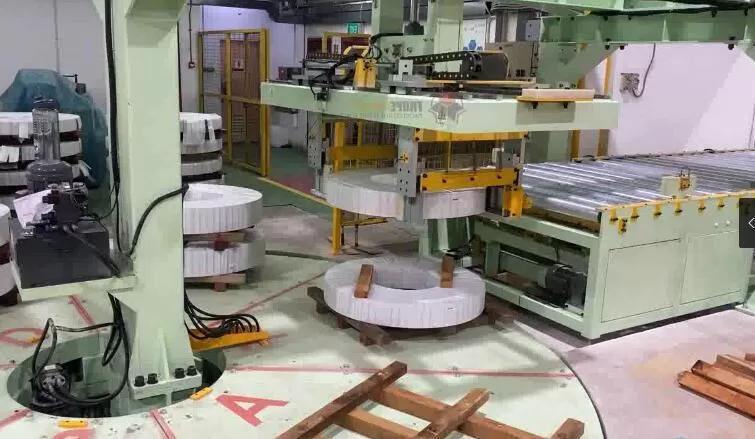
Product damage during packing is a silent killer of profits. In the steel coil industry, even a small scratch on an edge can make a coil unusable for some clients. This leads to costly reworks, discounts, or even full returns. Good maintenance plays a big role in stopping this. When I was building my factory, I learned that customer satisfaction begins even before the product leaves the door. A perfect product means a happy customer. It means they will buy from you again. This is why I always pushed for the best maintenance practices for our packing lines.
Here is how smart maintenance saves your product:
Keeping Machine Parts Aligned and Smooth
Packing machines, especially those handling large steel coils, have many moving parts. Rollers, conveyors, and wrapping arms must be perfectly aligned. If they are out of sync, or if parts are rough or worn, they can scratch or dent the coil. Regular checks and lubrication of these parts ensure they move smoothly. This keeps the coil safe. For instance, if the tensioning system on a wrapping machine is not calibrated, it might apply too much or too little force. This could deform the coil or cause the wrapping material to tear. This then leaves the coil exposed.
Ensuring Correct Machine Settings and Calibration
Many packing machines have settings for different coil sizes and weights. These settings need to be exact. If the machine’s sensors or calibration tools are faulty, the machine might apply too much pressure or move too quickly for a given coil. This can cause damage. Maintenance includes checking these sensors and recalibrating the machine regularly. This makes sure every coil is handled just right. This prevents damage that comes from incorrect force or movement.
Preventing Dust and Debris Buildup
Steel factories are often dusty places. Dust, metal shavings, and other debris can get into machine parts. This can cause friction or clog up sensors. Over time, this can lead to rough movements or parts getting stuck. These issues can directly harm the product. Regular cleaning and dust removal are part of good maintenance. This keeps the machines clean. It helps them operate smoothly without damaging the sensitive surfaces of the coils.
Maintaining Wrapping Material Feed Systems
The way wrapping material is applied is also key to product protection. If the film dispenser or strapping unit is not maintained, it can create uneven wrapping. It can cause material jams. Or it can leave parts of the coil exposed. This makes the product vulnerable to damage during transport. Maintenance ensures these systems work without a hitch. This provides consistent, full protection for every coil.
| Damage Risk | Maintenance Action | Outcome for Product |
|---|---|---|
| Surface Scratches/Dents | Regular alignment and lubrication of rollers/conveyors | Smooth, gentle product handling, preventing marks |
| Coil Deformation | Calibration of tensioning systems, sensor checks | Correct force application, maintaining coil shape |
| Exposure to Elements | Maintenance of wrapping material dispensers/strapping units | Consistent, secure wrapping, full protection from environment |
| Impact Damage | Ensuring smooth operation of moving parts, no jerky motions | Controlled movement of coils, avoiding sudden impacts |
By focusing on these areas, factories can reduce product damage greatly. This boosts customer satisfaction and also saves money.
Why is Choosing the Right Maintenance Partner Crucial for Long-Term Success?
Have you been burned by equipment suppliers who only care about the sale? Do you struggle to find a partner who truly understands your factory’s needs and offers real, ongoing support? A bad partner can leave you with broken machines and no help. This can cost you a lot.
Choosing the right maintenance partner is key. They offer more than just machines. They offer deep knowledge and reliable service. They understand your issues. They provide solutions that make your business better. This brings peace of mind and long-term success.

Finding a good partner for your equipment and its maintenance is just as important as the equipment itself. I have seen many factories invest in new machines. Then they struggle because the supplier disappears after the sale. This leaves the factory managers frustrated. It makes it hard to keep things running. When I built FHOPEPACK, I knew I wanted to be different. I wanted to be a real partner. I wanted to share my knowledge. My goal was to help clients truly grow. That is why our mission is to be a knowledge-sharing platform. We want to make mold knowledge accessible. This applies to packing machines too. This is especially true for complex systems like steel coil packing lines.
Here is why a good partner matters so much:
Deep Industry Knowledge
A great partner understands the steel coil industry. They know the unique challenges. They know about heavy loads, tough environments, and the need for precision. They can tell you which machines will work best for your specific needs. They can also tell you how to keep them running. They do not just sell a machine. They provide solutions. For instance, they know that coil edges are sensitive. So they will recommend machines that handle coils gently. They also know that U.S. factories have strict safety rules. So they offer machines that meet or go beyond these rules.
Reliable After-Sales Support
After-sales service is often where suppliers fall short. A good partner provides fast and effective support. This means they are there when you have questions. They help you with spare parts. They offer technical help. If a machine breaks down, you need someone who responds fast. You need someone who can get you up and running again quickly. This reduces costly downtime. It also gives you peace of mind. As a factory owner, I learned that breakdowns are inevitable. But quick and expert support is priceless.
Long-Term Relationship and Trust
You want a partner, not just a vendor. A good partner builds a long-term relationship based on trust. They are invested in your success. They offer advice. They help you plan for the future. They are not just selling you something today. They are thinking about how to help your factory grow next year and the year after. This kind of relationship means you can count on them for good advice. You can also count on them for reliable service over many years. This is what I strive for with FHOPEPACK. I want to be that trusted expert.
Training and Education
A valuable partner also offers training for your team. They teach your workers how to operate the machines safely. They teach them how to do basic maintenance. This empowers your staff. It reduces your reliance on external help for small issues. It makes your operations more self-sufficient. This also helps meet the goal of seeking expert guidance from people like me.
| Partner Quality | Benefit for Factory | Impact on Operations |
|---|---|---|
| Industry Expertise | Customized solutions, relevant equipment advice | Optimized machine performance, fewer bad investments |
| Strong After-Sales | Quick repairs, readily available parts, technical support | Minimized downtime, swift problem resolution |
| Trustworthy Relationship | Long-term support, honest advice, shared goals | Confidence in equipment, strategic growth planning |
| Comprehensive Training | Empowered staff, internal problem-solving capability | Improved operational efficiency, reduced reliance on outside help |
Choosing the right partner is a smart business decision. It leads to better machine performance. It also leads to lasting growth.
My Insights on Packing Line Maintenance?
Are you wondering how my journey from packing machine employee to factory owner impacts my view on maintenance? Do you want to hear unique insights that only come from building a successful business in this field? My path has given me a deep understanding of what truly works.
My personal journey in the packing machine industry has shown me that maintenance is not just about fixing things. It is about smart strategy. It is about investing in your future. It is about building strong relationships. These are the foundations for smooth operations and growth.
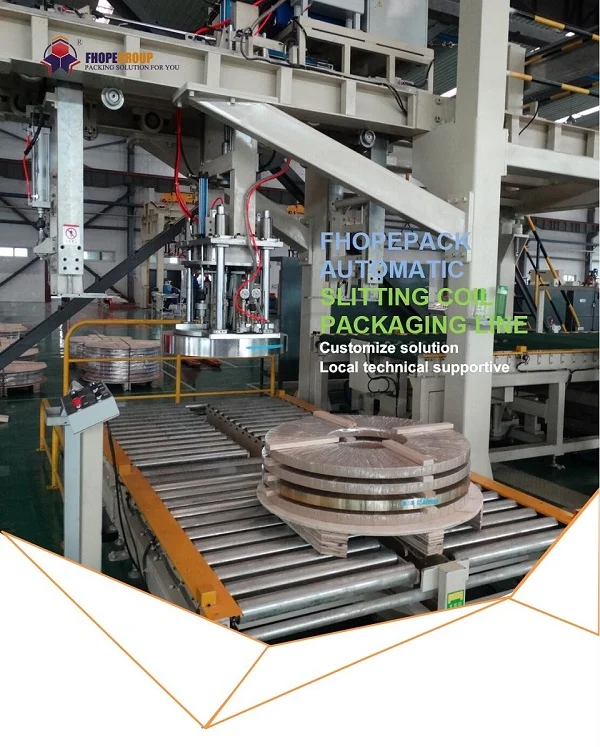
My journey began on the factory floor, working with packing machines day in and day out. I saw firsthand what went wrong. I saw how quickly small issues could turn into massive, costly breakdowns. This hands-on experience taught me the true value of every bolt, every sensor, every calibration. When I started my own packing machine factory, this perspective became my guiding principle. It helped me build systems that worked, and more importantly, lasted. I also learned that giving back is important. The industry gave me financial independence. It helped my clients grow. Now, I want to share what I learned. I want to help others succeed.
From my time on the factory floor to leading my own successful business, I have seen a lot. Here are my key insights for U.S. steel coil packing line maintenance:
Do Not Underestimate the Human Element
Machines are important. But the people who operate and maintain them are even more so. A well-trained team can spot small problems before they grow. They can perform routine checks with precision. They can react quickly and safely when issues arise. Investing in ongoing training for your maintenance staff is crucial. It gives them the skills to handle new technologies. It also keeps them updated on best practices. I made sure my staff understood the machines inside and out. This paid off many times over.
Data is Your Best Friend
In today’s world, data can tell you so much. For packing lines, this means tracking machine uptime, breakdown frequency, and the cost of repairs. It also means using sensors to get real-time data on machine performance. This data helps you move from just fixing things when they break to predicting when they might fail. It lets you plan maintenance during slow periods. This avoids stopping production when you need it most. This data-driven approach is a game-changer for efficiency.
Build a Strong Parts Inventory
Downtime is costly. Waiting for a spare part to arrive from overseas can stop your entire operation for days or weeks. Based on your critical machines, build a smart inventory of spare parts. These include things like common sensors, belts, and specific components that are prone to wear. This does not mean stocking every part. It means having the most important ones ready. This way, when something breaks, you can fix it fast. This reduces your line’s downtime significantly.
Focus on Total Cost of Ownership, Not Just Purchase Price
When buying new equipment, many factory managers only look at the upfront cost. But the true cost includes maintenance, energy use, and downtime. A cheaper machine might have higher maintenance needs or break down more often. This means it costs you more in the long run. Always look at the total cost of ownership. This includes how much it costs to run and keep the machine working well over its lifetime. This is a lesson I learned through experience. Investing in quality, maintainable equipment from the start saves fortunes.
Conclusion
Smooth steel coil packing lines need smart maintenance. Focus on proactive checks, worker safety, and product protection. Choose a reliable partner. These steps ensure efficiency and long-term success.








