
What Are the Key Safety Considerations for European Slit Coil Packing Lines?
Factories often focus on speed and cost. But safety is just as important. Ignoring safety can lead to serious accidents. These accidents cause big losses. They hurt workers. They also stop your production. We need to understand the main safety points. This helps keep your team safe. It also keeps your operations running smoothly.
Key safety points for European slit coil packing lines include strong machine guards. They also need quick emergency stop systems. The design must be easy for people to use. This helps reduce body strain. We must also train workers well. It is vital to follow specific European rules. These include the Machinery Directive (2006/42/EC). And standards like EN ISO 12100.
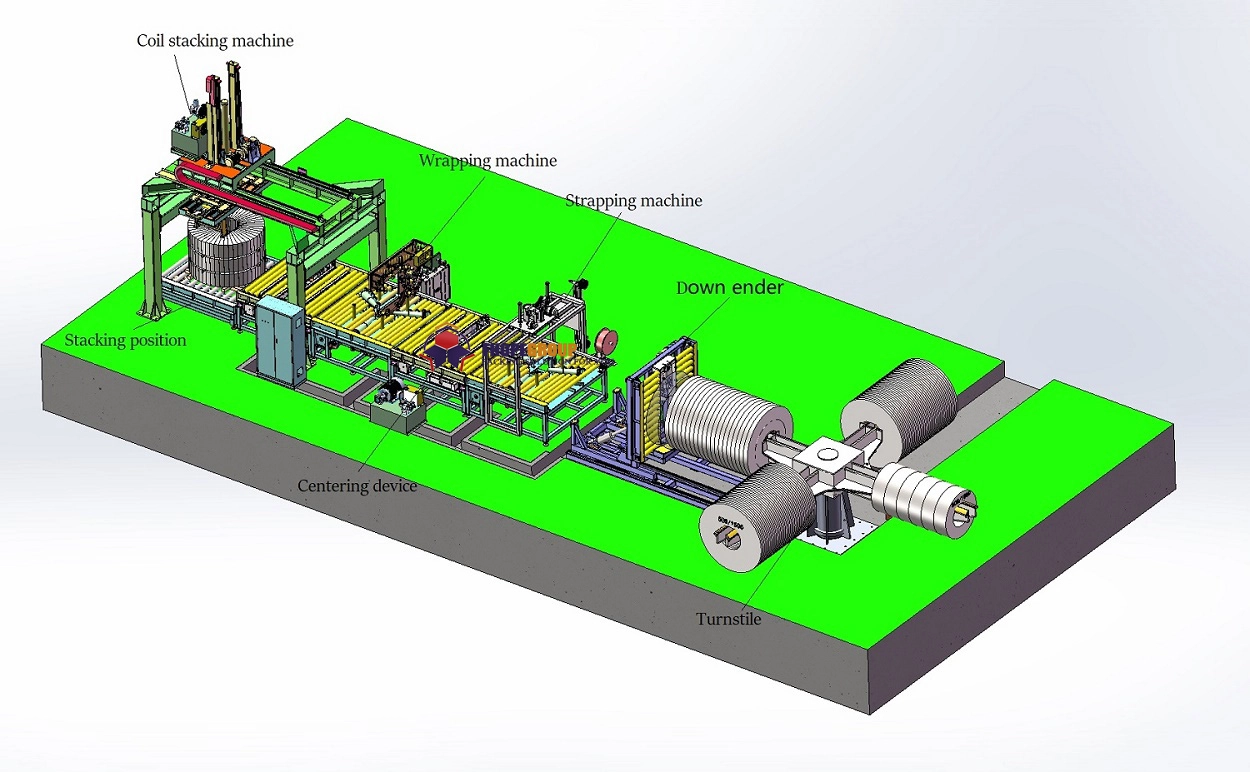
You can see that safety has many layers. It is more than just buying a machine. We need to look at how people work. We need to check how machines are built. And we need to know the rules. Let’s dig deeper into what makes a packing line safe. This will help you keep your people safe. It will also help your business grow stronger.
Why Is Manual Handling Such a Big Risk on Coil Packing Lines?
Many factories still use people to move heavy coils. They use people to pack products. This old way of working has big problems. It makes work slow. It also puts workers in danger. We must understand why this method is risky. We need to find better ways.
Manual handling on coil packing lines causes high risks. Coils are very heavy. They also have strange shapes. Workers can get muscle injuries. They can get crushed. They can get cuts from sharp edges. And they can get tired. Tired workers make more mistakes. All these things make manual work dangerous.

Handling heavy steel coils by hand is a major safety issue. Workers often lift, push, or pull very heavy items. This can lead to serious muscle and joint problems. These are called musculoskeletal injuries. Common injuries include back pain, sprains, and strains. I have seen many workers suffer from these issues. It is painful for them. It also costs the company a lot of money. These injuries mean high medical bills. They also mean workers cannot come to work. This makes production slow down.
Another big danger is crushing. Coils can roll. They can fall. They can shift suddenly. Workers can get trapped between coils. They can also get trapped between a coil and a machine. This can cause very bad injuries. Sometimes it can even cause death. The sharp edges of slit coils are also dangerous. They can cause deep cuts. Workers need strong gloves. But accidents can still happen.
Workers get tired when they do the same hard tasks again and again. Long hours of manual work lead to fatigue. Tired workers are more likely to make mistakes. They might drop a coil. They might not see a danger. These errors increase the risk of accidents. For a factory manager, this means many problems. There are higher insurance costs. There is also a higher rate of workers leaving the job. No one wants to work in a place where they feel unsafe. This is why many factory managers, like Michael Chen in Mexico, look for better ways. They know that safety is not just about rules. It is about keeping people safe. It is about keeping the business running. It is about trust.
Here is a look at some common risks from manual handling:
| Risk Type | Common Problems | Impact on Workers | Impact on Factory |
|---|---|---|---|
| Musculoskeletal | Back pain, sprains, strains | Long-term pain, reduced ability | High medical costs, lost work time |
| Crushing | Caught between objects, falling objects | Severe injury, disability | Production stops, legal issues |
| Cuts & Lacerations | Sharp edges of coils, wire | Deep wounds, infections | First aid needs, lost time |
| Fatigue & Error | Overwork, repetitive tasks | Increased accidents, stress | Lower quality, slower work |
How Can Automation Make Your Coil Packing Line Much Safer?
Manual work on packing lines is risky. We know this. So, how can we solve this big safety problem? The answer is clear. Automation is the best way. It changes how work is done. It makes the workplace much safer.
Automation greatly improves safety on coil packing lines. It removes people from dangerous spots. It stops heavy lifting by hand. Machines do the hard work. Automation also makes sure all steps are the same every time. It uses safety features like interlocks and sensors. These features create safe zones.
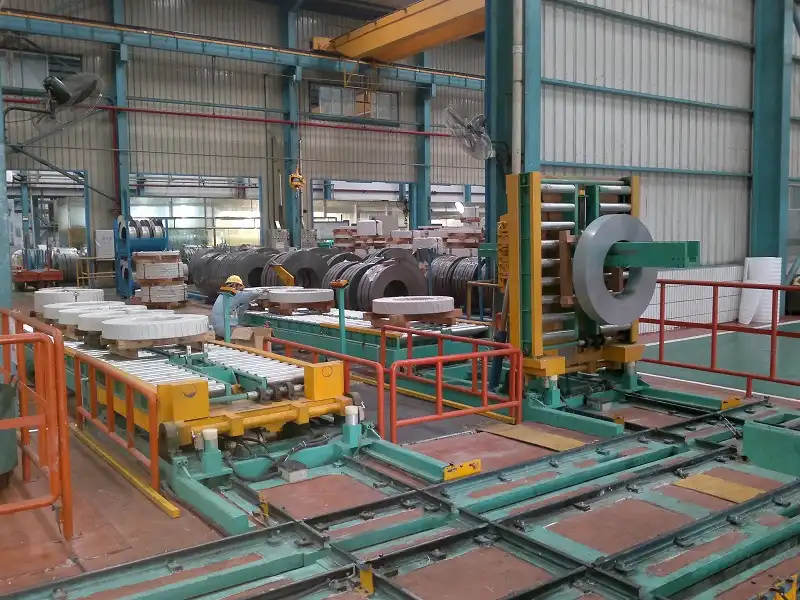
The biggest safety benefit of automation is that it takes people out of harm’s way. When machines handle coils, workers do not need to be near moving parts. They do not need to lift heavy items. This removes the direct risk of injuries from crushing or overexertion. For example, automated coil cars move coils from one place to another. Workers do not need to push or pull them. Stretch wrapping machines or strapping machines wrap the coils. Workers do not need to walk around the coil holding tape.
Automated systems work in a very consistent way. They follow the same path every time. This means fewer unexpected movements. It means fewer human errors. Human error is a big cause of accidents. Machines do not get tired. They do not get distracted. This makes the whole process much more predictable and safe.
Modern automated machines come with many built-in safety features. These are not just add-ons. They are part of the machine’s design. Emergency stop buttons are easy to reach. They stop the machine right away. Light curtains create invisible safety barriers. If a worker puts a hand or foot into a dangerous zone, the machine stops. Safety fences keep people away from moving parts. Interlocking guards mean a machine cannot run if a safety door is open.
I have seen how these features change factories. When I started FHOPEPACK, I knew we had to build safety into every machine. It was not an option. It was a must. We always think about how to keep the operator safe. This means using the best sensors. It means designing clear paths for machines. It means making sure all parts move in a controlled way. These features protect workers. They also give managers peace of mind. Investing in automation is an investment in your people. It is an investment in a safer future for your factory.
Here is how automation can improve safety:
| Manual Process | Automated Solution | Safety Benefit |
|---|---|---|
| Manual lifting of coils | Coil cars, robotic handling | Eliminates back injuries, crushing risks |
| Walking around coils for wrapping | Automatic stretch wrappers | Removes trip hazards, prevents cuts from edges |
| Reaching into machines for adjustments | Remote controls, guarded access | Keeps hands clear of moving parts, reduces entrapment |
| Inconsistent packing quality | Programmed packing machines | Less product damage, more stable loads, fewer reworks |
What Specific Safety Standards Do European Coil Packing Machines Follow?
There are many rules for machines built and sold in Europe. It can be hard to know which rules matter most. This is true for packing lines. But understanding these rules is very important. It ensures machines are safe. It also ensures they can be sold and used in Europe.
European coil packing machines must follow key safety standards. The main one is the Machinery Directive (2006/42/EC). This rule sets basic health and safety needs. Machines also follow harmonized standards. These include EN ISO 12100 for general safety design. EN ISO 13849 for control system safety. And EN 60204-1 for electrical safety.

The most important legal rule for machinery in Europe is the Machinery Directive 2006/42/EC. This directive is a law. It says what machines must do to be safe. It covers everything from how a machine is designed to how it is built. It also requires a CE marking. This CE mark shows the machine meets all European safety rules. If a machine does not have this mark, it cannot be sold or used legally in Europe. The directive aims to protect workers. It also helps businesses trade machines across Europe.
To help meet the Machinery Directive, there are “harmonized standards.” These are technical documents. They give detailed ways to build machines safely. If a machine follows these standards, it is generally assumed to meet the directive’s rules. Here are some key ones:
- EN ISO 12100: Safety of machinery – General principles for design – Risk assessment and risk reduction. This is a very important standard. It tells machine builders how to identify dangers. It tells them how to reduce risks from the very start of design. It means safety is built in, not added later.
- EN ISO 13849: Safety of machinery – Safety-related parts of control systems. This standard is about the safety parts of a machine’s brain. It makes sure that safety functions work correctly. For example, if an emergency stop button is pressed, this standard helps ensure the machine stops fast and safely.
- EN 60204-1: Safety of machinery – Electrical equipment of machines – General requirements. This standard covers all electrical aspects of a machine. It makes sure the wiring, circuits, and components are safe. It prevents electric shocks and fires.
For me, when I started FHOPEPACK, understanding these rules was a big task. It was complex. But it was crucial. We had to make sure our machines met these strict requirements. This meant careful design. It meant thorough testing. It meant working with experts. For Michael Chen, or any factory manager, knowing that your supplier follows these rules gives confidence. It means less risk for your workers. It also means less legal risk for your company. It is about buying a machine that is not just powerful but also truly safe.
Here are some key European safety standards:
| Standard/Directive | Main Focus | Why it Matters for Packing Lines |
|---|---|---|
| Machinery Directive 2006/42/EC | Legal framework for machine safety | Mandatory for CE marking, ensures basic safety |
| EN ISO 12100 | General design principles, risk reduction | Guides machine builders to design safety in |
| EN ISO 13849 | Safety of control systems | Ensures safety functions like E-stops work well |
| EN 60204-1 | Electrical safety of machines | Prevents electrical hazards |
| CE Marking | Declaration of conformity to EU standards | Proves machine meets EU safety laws |
Beyond the Machine, How Do You Build a Truly Safe Packing Environment?
Just having a safe machine is a good start. But it is not enough. Accidents can still happen. This is true even with the best machines. So, we need to do more. We need to build a whole safe environment. This means thinking about everything around the machine.
Building a truly safe packing environment goes beyond just machine safety. It includes proper training for workers. It means having clear safety steps. It needs regular machine checks. Work areas should be easy and safe to use. And everyone in the factory must make safety a top value.

The machine itself is only one part of the safety puzzle. People are another big part. Workers must know how to use the machines safely. They need to understand the risks. They need to know what to do in an emergency. This means good training. Training should be ongoing. It should cover how to operate the machine. It should also cover how to spot dangers. It should teach about emergency stops. And it should include lockout/tagout (LOTO) procedures. LOTO means safely shutting down machines for maintenance. It locks them so they cannot start by accident. This stops many serious injuries.
Clear rules and steps are also vital. Every task should have a safe way to do it. Workers should follow these steps every time. This helps prevent mistakes. Regular checks and maintenance are also very important. Machines wear out. Parts can break. Regular maintenance finds these problems before they cause an accident. It keeps machines running safely and smoothly. For example, checking guards, sensors, and emergency stops every day or week.
How the workspace is set up also matters. This is called ergonomics. It means designing the work area to fit the person. It reduces physical strain. It prevents fatigue. For example, making sure controls are easy to reach. Ensuring there is enough space to move. Using good lighting. All these small things add up to a safer place.
Finally, a strong safety culture is key. This means safety is a core value for everyone. From the top manager to every worker on the floor. People should feel safe to report dangers. They should suggest ways to improve safety. They should not fear punishment for speaking up. My philosophy at FHOPEPACK is simple: we do not just sell machines. We want to be a partner. We help our clients like Michael build better, safer factories. We share our knowledge. We help them train their teams. This complete approach makes factories safer. It also makes them more productive. It is about building trust. It is about growing together.
Here are the pillars of a truly safe packing environment:
| Pillar | Key Actions | Benefit |
|---|---|---|
| Training & Competence | Regular operator training, emergency procedures | Reduces human error, prepares for incidents |
| Clear Procedures | Standard operating procedures, Lockout/Tagout (LOTO) | Ensures consistent safe practices, prevents accidents |
| Maintenance | Regular inspections, preventative repairs | Prevents breakdowns, ensures machine reliability |
| Ergonomics | User-friendly design of workstations | Reduces physical strain, improves worker comfort |
| Safety Culture | Encouraging reporting, continuous improvement | Fosters a proactive, safety-first mindset |
Conclusion
Making European slit coil packing lines safe needs a full approach. It starts with automation and meets strict standards. It also relies on training and a strong safety culture.








