
Smart Coil Packaging That Supports South Korea’s Global Export Supply Chains?
Are you a factory manager in the heavy industry sector? Do you feel the constant pressure to boost output, cut costs, and keep your workers safe? Perhaps your current packing process feels like a bottleneck. This is especially true in countries like South Korea, a global powerhouse for exports. Their factories ship large volumes of products. They need packaging solutions that keep up with this demand.
Effective coil packaging is not just a nice-to-have. It is a critical part of a smooth global supply chain. It directly impacts delivery times and product quality. Smart coil packaging uses advanced technology to make things faster and safer. It ensures products arrive at their destination in perfect condition. This directly helps South Korean companies meet their strict export targets. It also keeps their reputation for quality high.
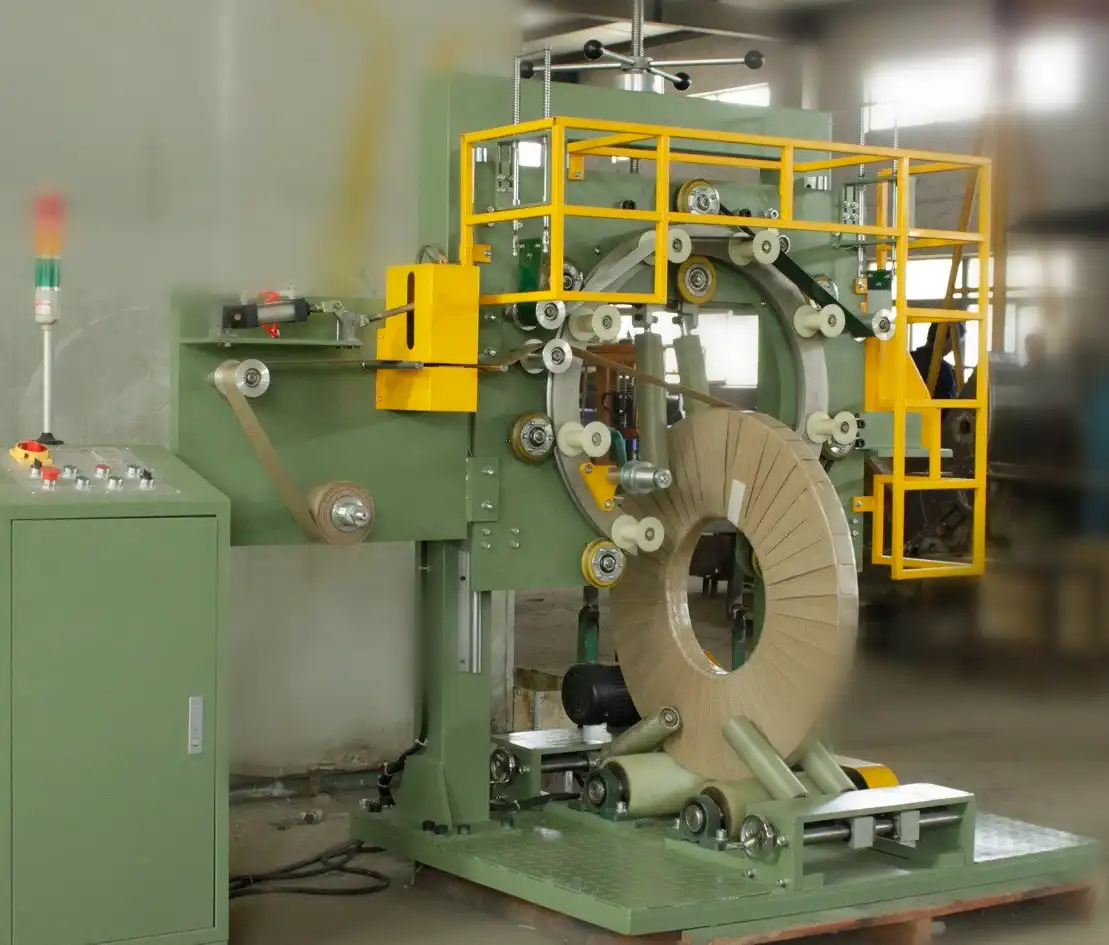
I started FHOPEPACK because I saw these challenges firsthand. I worked my way up from an employee to owning a successful packing machine factory. I learned a lot about what factories truly need. I want to share that knowledge. This article will show you how modern coil packaging can transform your operations. It can help you solve the exact problems many factory managers face every day.
Why is Manual Coil Packaging a Big Problem in Export Hubs?
Are your current coil and wire packaging lines slowing down your whole factory? Do you rely on many people to do heavy, repetitive tasks? This can create a big bottleneck. It holds back your overall production and shipping speed. For export-focused nations like South Korea, this can mean lost opportunities. It can also lead to unhappy customers.
Manual coil packing processes are slow and inefficient. Workers handle heavy coils by hand. This takes a lot of time. It also increases the risk of mistakes. Companies that ship globally need speed and consistency. Manual methods often fail to deliver this. They simply cannot keep up with high volume demands. This impacts the entire supply chain.
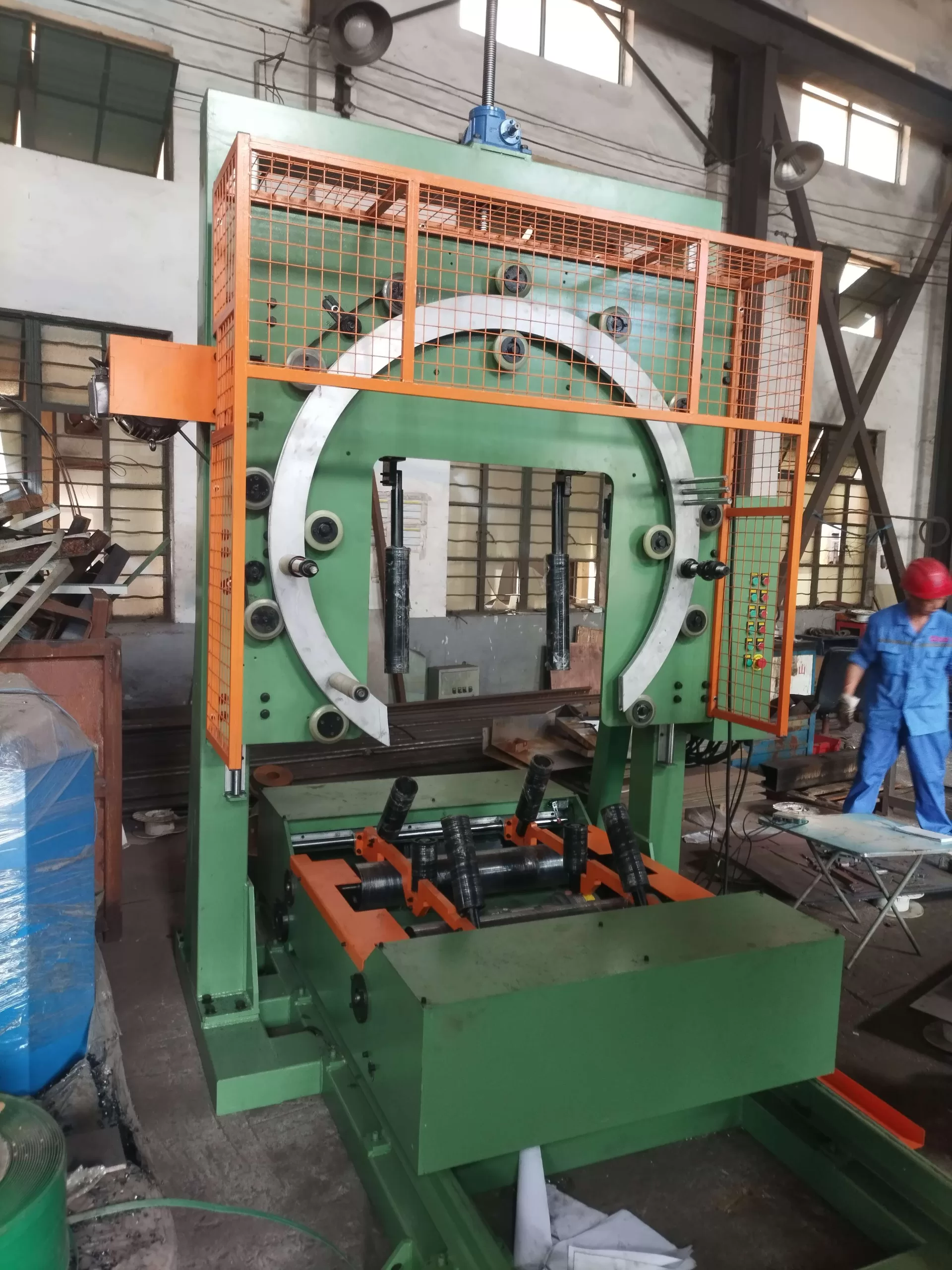
When I was first starting out in the packing machine industry, I saw many factories struggling with this. They had state-of-the-art production lines. But then, everything would slow down at the packaging stage. It was like running a marathon and then stopping at the finish line. This always bothered me. It showed me how crucial the end-of-line process is. It is not just about making the product. It is about getting it ready for the customer.
The True Cost of Manual Labor in Packaging
Many managers look at automation and think it is too expensive. But they often miss the hidden costs of manual packaging. These costs add up fast. They can seriously hurt a factory’s bottom line.
- Labor Costs: This is the most obvious one. You pay wages for every person on the packaging line. This includes salaries, benefits, and overtime. As production scales up, you need more people. This makes labor costs skyrocket. In South Korea, labor costs are rising. This makes manual processes even less competitive.
- Efficiency Drain: People are not machines. They need breaks. They get tired. Their speed can vary. This leads to inconsistent output. A coil that takes five minutes to pack manually might take only one minute with a machine. Over thousands of coils, this difference is huge. It impacts your overall factory throughput.
- Safety Risks: This is a major concern. Handling heavy steel coils or wire bundles is dangerous. Workers can suffer sprains, crushing injuries, or worse. These accidents lead to high insurance costs. They also cause lost workdays. Worker turnover also increases. People do not want to work in unsafe conditions. I remember visiting a factory where a worker almost dropped a coil on his foot. It was a wake-up call for the management. They realized they needed a safer way.
- Product Damage: Manual handling is rough. Coils can get scratched. Edges can get bent. This happens during internal transport or packaging. Damaged products mean customer complaints. It leads to returns. This directly impacts profit. It also hurts your brand’s reputation. A small scratch can mean a big problem for a global client. They expect perfection.
- Space Constraints: Manual packaging often requires a lot of space. You need room for workers to move. You also need space for tools and materials. Automated systems often have a smaller footprint. They can pack more in less space. This frees up valuable factory floor for other uses.
- Lack of Consistency: Humans make errors. A package might not be sealed right. A label might be put on wrong. This leads to inconsistencies in your final product. For global exports, consistency is key. Customers in different countries expect the same quality every time.
These hidden costs make manual packaging unsustainable in the long run. Especially for factories aiming to be competitive in a global market. Investing in smart packaging is not just about buying a machine. It is about solving these deeply rooted problems. It is about future-proofing your business.
How Can Smart Automation Make South Korean Factories Safer?
Do your current operations involve workers physically lifting or moving heavy coils? Is the risk of injury a constant worry in your factory? Manual handling of heavy items like steel coils or wire spools is dangerous. It is a leading cause of workplace accidents. This leads to high insurance costs. It also causes employee turnover. This makes it hard to keep experienced staff.
Smart automation dramatically reduces the need for manual handling. Machines do the heavy lifting. They also do the dangerous tasks. This keeps workers away from harm. Automated systems use robots or specialized machines. These machines can pick up, turn, wrap, and stack heavy coils. They do this without any human contact with the load. This makes the work environment much safer.

When I was building my own factory, safety was always a top priority for me. I saw too many accidents happen in other places. I believed that technology could prevent these. I wanted to design systems that protect people first. This is not just good for workers. It is also good for business. A safe factory is a productive factory.
Minimizing Risks with Automated Solutions
Automated packaging systems are designed with safety in mind. They remove workers from hazardous zones. This significantly lowers the chance of accidents.
- Reduced Manual Handling: This is the biggest safety gain. Workers no longer need to manually lift or shift heavy coils. Machines handle the weight. This eliminates strain injuries, back problems, and crushing hazards. This is especially important in high-volume export factories. They move many heavy products every day.
- Controlled Environment: Automated systems operate in a controlled, predictable manner. They follow precise movements. This removes human error. It also prevents unexpected actions that can lead to accidents. Safety sensors and interlocks stop machines if a problem occurs. This protects workers who might be nearby.
- Less Exposure to Repetitive Motion: Manual packaging often involves repetitive tasks. These can lead to musculoskeletal disorders over time. Automation takes over these repetitive motions. This protects workers from long-term health issues. Workers can then focus on supervision or other tasks. These tasks are less physically demanding.
- Improved Work Environment: A safer workplace boosts morale. Workers feel valued and protected. This leads to higher job satisfaction. It also reduces employee turnover. Factories in South Korea want to attract and keep skilled labor. A safe environment helps them do this. It creates a better place for everyone to work.
- Compliance with Regulations: Many countries have strict safety rules for heavy industry. Automated systems help factories meet these rules easily. This avoids fines and legal issues. It also shows a commitment to worker well-being. This is good for a company’s image, especially for global exporters.
| Manual Handling Risks | Automated Solution Benefits |
|---|---|
| Strain, sprains, back injuries | No heavy lifting by workers |
| Crushing hazards | Workers kept away from moving loads |
| Repetitive motion injuries | Machines handle repetitive tasks |
| Human error in handling | Precise, consistent machine movements |
| High insurance costs | Fewer accidents, lower premiums |
| High employee turnover | Safer environment, better retention |
By investing in smart automation, factories do more than just improve efficiency. They create a fundamentally safer environment for their employees. This commitment to safety builds a strong, reliable workforce. It also reduces operational risks. This is critical for any company aiming for long-term success in the global export market.
Does Investing in Advanced Coil Packaging Really Pay Off?
Are you unsure if buying new packaging equipment is worth the money? Do you need clear proof that such an investment will actually improve your bottom line? Many factory managers focus on the upfront cost. They do not always see the big picture. They miss the long-term savings and increased profits that automation brings.
Investing in advanced coil packaging offers a clear return on investment (ROI). It lowers labor costs. It reduces product damage. It also speeds up production. These benefits combine to boost your factory’s overall profitability. Automated systems work faster and more precisely than people. This means more products get packed and shipped each day. This also means fewer reworks or returns due to poor packaging.
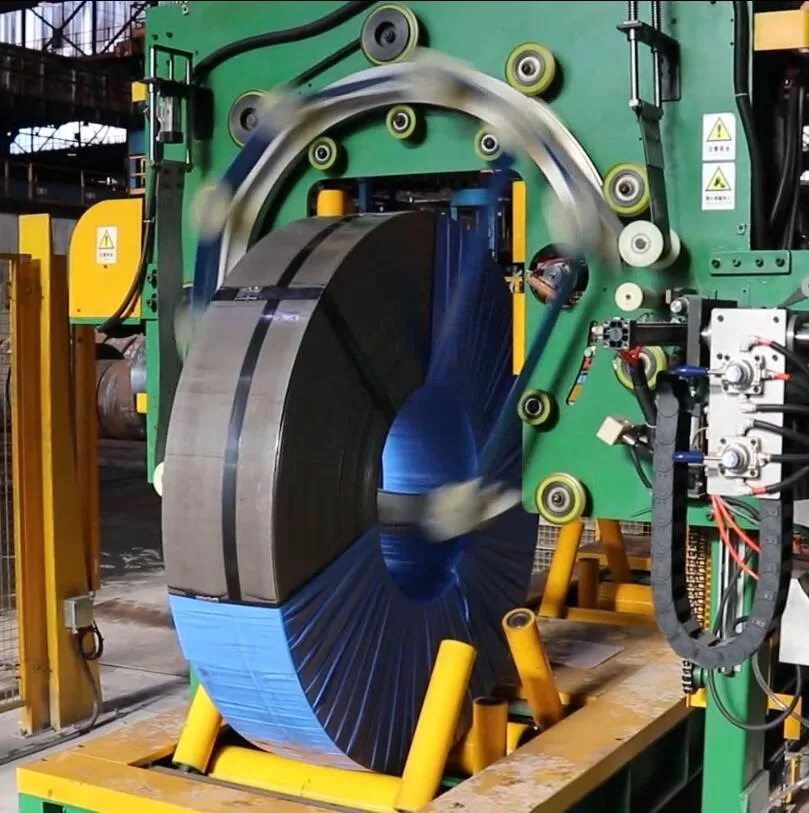
When I advise clients, I always talk about ROI. I learned early on that it is not just about selling a machine. It is about selling a solution that makes money for the client. I’ve seen factories transform their finances by making smart investments. They stopped focusing on the cost of the machine and started focusing on the money the machine saves and makes them.
Realizing ROI through Smart Packaging Solutions
The benefits of advanced packaging systems go beyond just faster packing. They create value across your entire operation.
- Labor Cost Reduction: This is often the first and most direct financial benefit. An automated system can replace several manual laborers. This means you save on wages, benefits, and training costs. While there is an initial investment, these savings quickly add up. Over a few years, the machine pays for itself through labor savings alone. For factories in South Korea facing increasing labor costs, this is a major advantage.
- Reduced Product Loss and Damage: Manual handling and traditional packaging methods often lead to product damage. Scratched coils or improperly secured bundles become unsellable. They lead to customer complaints. Automated systems pack consistently and carefully. This drastically reduces damage. Fewer damaged products mean less waste and more sellable inventory. This directly impacts your profit margins.
- Increased Throughput and Production Capacity: Automated machines work continuously and quickly. They do not get tired. They do not need breaks. This means your packaging line runs at peak efficiency all the time. You can pack more coils per hour. This increases your overall production capacity. You can meet larger orders. You can also ship faster. This makes your factory more competitive, especially for global export.
- Improved Customer Satisfaction: Products packaged by automated systems are consistent. They are secure. They arrive in perfect condition. This leads to happier customers. Satisfied customers often place repeat orders. They also recommend your company to others. This builds a stronger brand reputation. For export businesses, this is crucial for long-term growth.
- Lower Insurance Costs: As discussed earlier, a safer workplace leads to fewer accidents. Fewer accidents mean lower insurance premiums. This is another direct cost saving that contributes to your ROI. It also reduces the indirect costs of managing accidents, like investigations and lost productivity.
- Optimized Material Usage: Automated wrappers and strappers use materials precisely. They do not waste film or strapping. Manual methods can be less precise. They often use more material than needed. Optimized material use reduces your operational costs over time. This also aligns with sustainability goals, which are becoming more important for global businesses.
| Investment Area | ROI Impact |
|---|---|
| Automated Equipment | Reduces labor costs, increases throughput |
| Improved Safety Features | Lowers insurance premiums, boosts morale |
| Consistent Packaging Quality | Reduces product damage, increases customer satisfaction |
| Faster Packing Speeds | Meets high export demand, faster delivery times |
| Optimized Material Use | Reduces waste, cuts material costs |
By carefully analyzing these points, you can see that the initial cost of smart packaging equipment is an investment. It is not just an expense. It is an investment that yields significant returns. These returns come in the form of cost savings, increased revenue, and a stronger market position. This makes your factory more resilient and profitable.
How Do You Choose the Right Partner for Your Packaging Needs?
Have you ever worked with equipment suppliers who only care about making a sale? Do you then feel left alone when you need after-sales support or technical help? Finding the right partner is crucial. It is not just about buying a machine. It is about finding someone who understands your challenges. You need a partner who offers real solutions and long-term support.
Choosing the right partner means finding an expert. This expert should know your industry inside and out. They should understand your production bottlenecks. They should also see your safety concerns and efficiency problems. A true partner provides insights. They offer reliable solutions. They will stand by you after the sale. They ensure your investment continues to work for you.
When I started FHOPEPACK, my mission was to be that kind of partner. I had been an employee. I had also built my own factory. I understood the frustrations of dealing with suppliers who did not truly care. I wanted to give back. I wanted to use my experience to help others succeed. This is why FHOPEPACK is more than a company. It is a knowledge-sharing platform. We aim to make packaging knowledge accessible to everyone. We want to help you make informed decisions.
Partnering for Long-Term Success
A good partnership goes beyond the transaction. It involves trust, deep understanding, and ongoing support.
- Industry Expertise and Understanding: The best partners have a deep understanding of your specific industry. They know the unique challenges of coil and wire manufacturing. They understand the demands of global export supply chains. They can speak your language. They can identify your pain points before you even fully explain them. This expertise is critical for providing truly effective solutions. It is not just about selling a machine. It is about solving your specific problems.
- Solutions, Not Just Products: A reliable partner focuses on providing solutions. They do not just push their latest product. They take the time to analyze your current process. They identify your specific bottlenecks. Then, they recommend equipment that addresses those issues directly. They might suggest a custom solution. They might also suggest combining different machines. Their goal is to improve your overall operation. They want to help you achieve your goals.
- Strong After-Sales Service and Support: This is where many suppliers fail. A machine can be great, but it needs support. A good partner offers comprehensive after-sales service. This includes installation help. It includes training for your staff. It also includes maintenance and spare parts supply. Quick response times for technical issues are vital. Downtime costs money. A partner who can get you back up and running fast is invaluable.
- Commitment to Your Growth: A true partner sees your success as their own. They are not just interested in one sale. They want a long-term relationship. They might offer advice on future upgrades. They might share insights on market trends. They proactively look for ways to help your business grow. This aligns with FHOPEPACK’s mission. We want to help our clients achieve financial independence. We want to help them expand their businesses.
- Transparent Communication: You need a partner who communicates openly and honestly. They should be clear about costs, timelines, and machine capabilities. They should also be upfront about any limitations. Trust is built on clear communication. This ensures there are no surprises down the road. You know exactly what to expect.
| What to Look For in a Partner | Why it Matters |
|---|---|
| Deep Industry Knowledge | They understand your specific challenges |
| Solution-Oriented Approach | They solve problems, not just sell machines |
| Robust After-Sales Support | Ensures minimal downtime, maximizes machine life |
| Commitment to Your Success | They help your business grow and thrive |
| Transparent Communication | Builds trust, avoids misunderstandings |
Choosing the right packing machine partner is a strategic decision. It goes beyond technical specifications. It involves finding someone who can truly support your factory’s journey. Someone who can help you navigate the complexities of modern manufacturing and global exports. With the right partner, your investment in smart packaging becomes a powerful engine for growth and profitability.
Conclusion
Smart coil packaging is vital for export hubs like South Korea. It boosts efficiency, enhances safety, and drives profitability. Choose a partner with deep industry knowledge and strong support to truly transform your operations.








