
CE-Certified and KOSHA-Compliant: Can Safe Coil Packaging Transform Your Korean Operations?
Do you constantly worry about factory output, cost control, and worker safety? Are you a manager facing the daily pressure of making sure heavy manufacturing runs smoothly? You know that even a small stop on the production line means big losses. You also know that reliable, efficient equipment is key. But finding truly durable machines for tough factory environments? That is a real challenge.
CE-Certified and KOSHA-compliant coil packaging machines improve worker safety and boost efficiency by automating heavy lifting and secure wrapping. They reduce manual labor, prevent injuries, and ensure consistent product quality, which directly solves production bottlenecks and lowers operational costs in demanding industrial settings, especially in Korea. This equipment helps factories meet strict safety standards while achieving higher output.
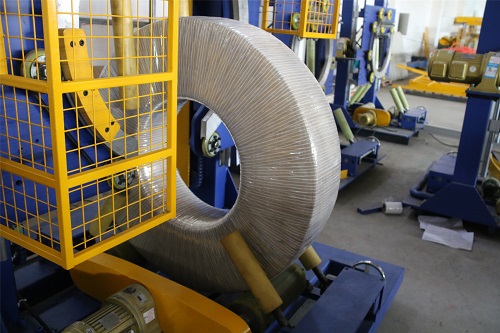
I understand these challenges deeply. My own journey in the packing machine industry taught me much. It is not just about buying a machine; it is about finding a partner who understands your production bottlenecks, safety issues, and efficiency problems. Someone who offers real solutions and expert insights. Let us look closer at how the right packaging solution can truly change your operations.
Why is CE Certification essential for your factory’s safety?
Have you ever worried if your new machine meets global safety rules? Do you spend time making sure your equipment protects your workers? Factories, especially those dealing with heavy materials like steel coils, must follow strict safety standards. Not meeting these rules can lead to accidents, big fines, and a damaged reputation. This is why CE Certification matters.
CE Certification shows that a product meets high safety, health, and environmental protection standards within the European Economic Area. Even if your factory is in Korea or Mexico, this certification signals a global commitment to safety. It means the manufacturer designed the machine with worker protection in mind. This includes electrical safety, mechanical safety, and noise reduction. Choosing CE-certified machines helps you build a safer workplace. It also reduces the risk of accidents from poorly designed equipment.
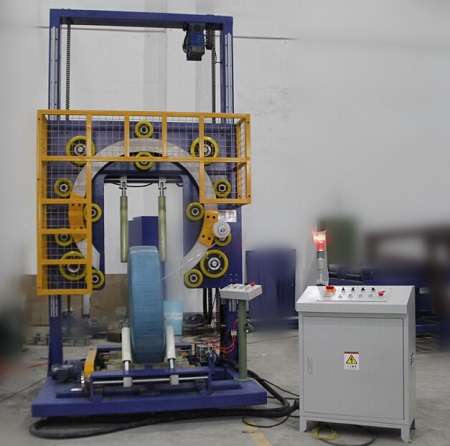
Factories like yours handle heavy steel coils and wire. Moving these items by hand is slow and dangerous. Workers can get hurt lifting or flipping heavy pallets. This means more accidents, higher insurance costs, and staff leaving the job. A machine with CE Certification helps reduce these risks. It means the machine is built to handle heavy loads safely. It has proper guards, emergency stops, and clear instructions. This makes the workplace much safer for your team.
-
Understanding CE Certification: What does it mean for your machinery?
CE stands for “Conformité Européenne,” which means “European Conformity.” It is a mark that shows a product meets certain standards. These standards cover many things, like safety, health, and environmental protection. For packing machines, it means the machine is safe to use. It means it will not harm workers if used correctly. It also means it will not cause environmental damage. This certification is not just for Europe. Many countries around the world recognize it as a sign of quality and safety. When you buy a CE-certified machine, you get a product that has been through a strict design and testing process. This process checks for many hazards. For example, it checks for moving parts that can trap fingers. It checks for electrical shorts that can cause fires. It also checks for sharp edges or parts that can fall off. My own experience running a factory taught me the real cost of unsafe equipment. One time, we had a machine that was not properly guarded. A worker almost injured their hand. This made me realize that safety is not an option; it is a must. After that, I made sure all our new machines had top-level safety certifications. This commitment to safety keeps workers safe. It also helps the business run without costly interruptions. You want equipment that keeps your team safe and productive. CE certification helps guarantee that.
Aspect of Safety What CE Certification Ensures Benefit for Your Factory Mechanical Safety Guards for moving parts, stable structure, no sharp edges. Prevents cuts, crushes, and entrapment injuries. Less worker downtime. Electrical Safety Proper wiring, insulation, surge protection, emergency stop buttons. Reduces risk of electric shock, fires, and equipment failure. Enhances operational reliability. Noise Reduction Design limits noise levels during operation. Creates a quieter, more comfortable work environment. Reduces long-term hearing issues for staff. User Manuals Clear, comprehensive instructions for safe operation and maintenance. Empowers operators to use machines correctly and safely. Reduces errors and accidents. Risk Assessment Manufacturer identifies and mitigates potential hazards. You get a machine where safety was thought about from the start. Fewer hidden dangers.
How does KOSHA compliance protect your workers and operations?
Are you operating in Korea or planning to expand there? Do you know the specific safety rules for machinery in that region? Just like CE, KOSHA compliance is crucial for keeping your workers safe and avoiding problems with local regulations. Ignoring these local standards can lead to serious legal issues and harm to your staff.
KOSHA stands for the Korea Occupational Safety and Health Agency. It sets the rules for workplace safety in South Korea. For heavy machinery like coil packaging systems, KOSHA compliance means the equipment meets specific national safety standards. These standards often cover things like machine guarding, emergency shutdown systems, and ergonomic design. Machines that follow KOSHA rules are designed to prevent accidents in the Korean industrial environment. They help reduce the chances of injuries from heavy lifting, repetitive tasks, or faulty equipment. This keeps your workers safe and ensures your factory operates within the law.
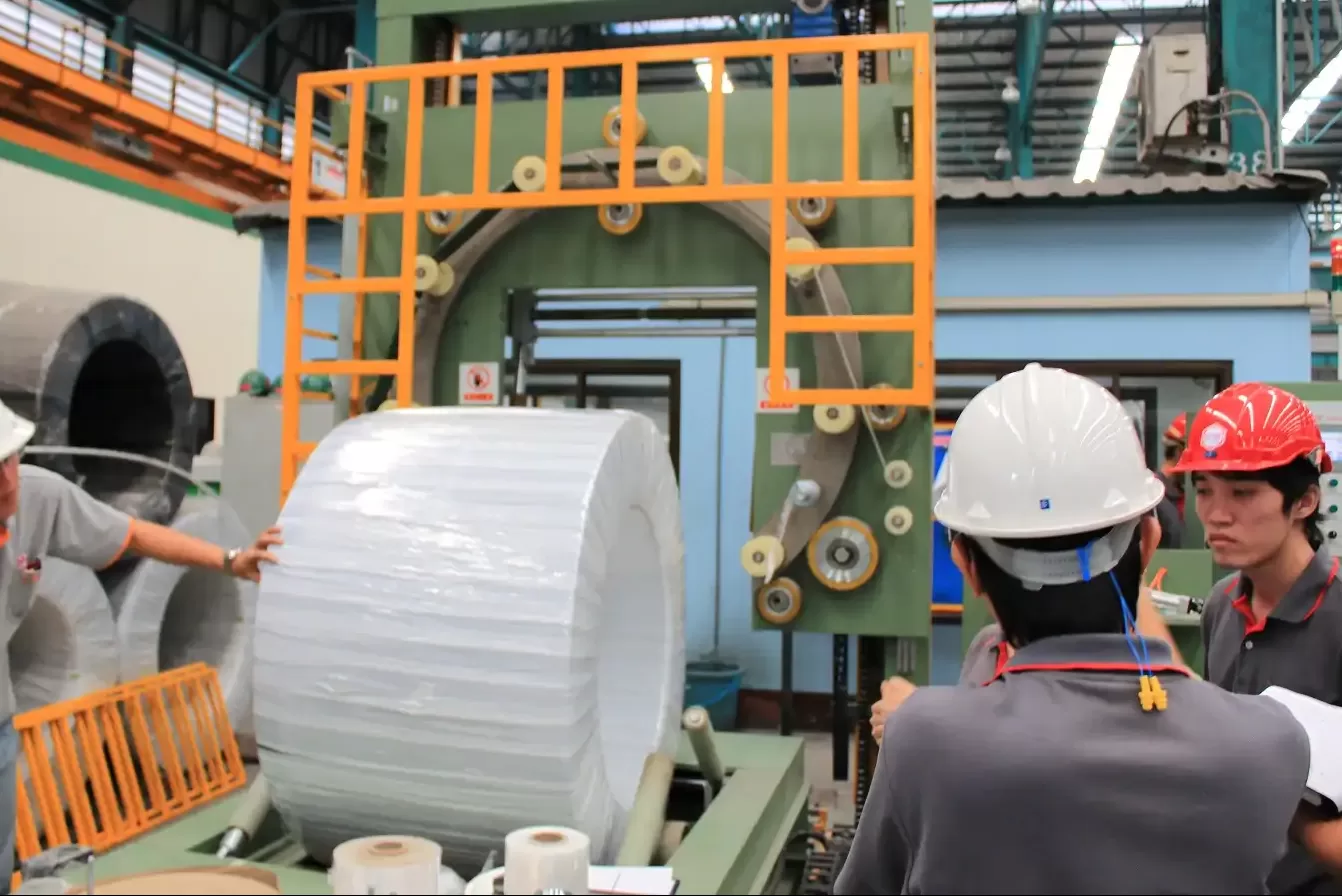
Manual handling of heavy steel coils or wires is a huge safety risk. Workers might slip, drop items, or strain their backs. This leads to high injury rates. High injury rates mean more worker sick days, more insurance claims, and higher costs. KOSHA-compliant packaging machines often include features that take heavy lifting away from workers. They use automated systems to load, wrap, and unload coils. This lowers the chance of human error and reduces the risk of serious injuries. By choosing KOSHA-compliant equipment, you are not just following the rules; you are actively protecting your most valuable asset: your employees.
-
Navigating KOSHA Standards: What they mean for your factory floor?
KOSHA regulations are specific to Korea. They aim to reduce workplace accidents and illnesses. For machinery, KOSHA checks things like how machines are installed. It also checks how they are maintained. It makes sure they have proper safety devices. For example, a KOSHA-compliant coil packaging machine will have strong guards around moving parts. It will have clear emergency stop buttons. It will also have warnings about potential dangers. My time building packing machine factories showed me the importance of adapting to local regulations. We worked with clients in different countries. Each country had its own safety rules. We learned that understanding these local rules is key. It is not enough to just know global standards. You must also know the specific rules for your region. This makes sure your equipment is not only safe but also legally compliant. This prevents any operational disruptions from government inspections or fines. It also makes your workers feel safer. When they feel safe, they work better. The specific KOSHA requirements can vary based on the type of machinery and industry. However, the core idea remains the same: protect workers. This includes rules on machine design, installation, operation, and maintenance. If a machine is KOSHA-compliant, it means it has passed strict checks. It means it is safe for use in Korean factories. Investing in such equipment shows your commitment. It shows you care about your workers’ well-being. It also helps you avoid costly legal problems.
KOSHA Requirement Focus Impact on Coil Packaging Machines Direct Benefit to Your Operations Machine Guarding Enclosures, barriers for all moving parts. Prevents workers from touching dangerous areas. Reduces crushing and entrapment injuries. Emergency Stops Easily accessible, clearly marked buttons to shut down machine quickly. Allows immediate response to emergencies. Minimizes injury severity if an accident starts. Ergonomic Design Machine interfaces are easy for workers to use. Reduces strain. Lowers risk of repetitive strain injuries. Increases worker comfort and efficiency. Safety Training Requires clear instructions for operators on safe use. Ensures workers understand machine operations and hazards. Reduces human error accidents. Maintenance Protocols Guidelines for safe machine repair and upkeep. Ensures machines remain safe over time. Prevents accidents from faulty maintenance.
Can automated coil packaging truly boost your production efficiency?
Is your current packaging process slow? Does it rely on too many people? Are you seeing delays in shipping finished products? Many factories struggle with inefficient end-of-line processes. This often creates a bottleneck that slows down the entire production line. If your packaging is not keeping up, it directly affects your delivery times and overall output.
Automated coil packaging directly addresses these efficiency problems. Instead of manual labor, machines handle the wrapping and strapping of coils. This makes the process much faster and more consistent. Automated systems can wrap coils in minutes, while manual methods take much longer. This speed increase means products move through your factory faster. It reduces bottlenecks at the end of the line. Also, automated machines work without breaks. They do not get tired. This ensures a steady flow of finished products, which boosts your factory’s overall production rate.

One big challenge for many factories is product damage during internal movement and packaging. Steel coil edges can get scratched or dented. This leads to customer complaints and lost profits. Automated packaging systems provide consistent, secure wrapping. They apply the same tension and material every time. This protects your product from damage. It ensures your coils arrive at the customer in perfect condition. This means fewer returns and more satisfied clients. By improving efficiency and product quality, automation brings clear benefits to your bottom line.
-
Unlocking Production Speed: How automation removes bottlenecks?
Automating your coil packaging is not just about replacing hands with machines. It is about redesigning your whole process. Manual packaging often involves several steps. Each step takes time. It also depends on a worker’s speed. Automation combines these steps. It does them quickly. For example, a machine can pick up a coil. It can wrap it. Then, it can strap it. All this happens in one smooth motion. This removes the waiting time between tasks. It makes the flow of goods much faster. When I first started my packing machine factory, I saw how much time was wasted on manual packaging. We had skilled workers. But their speed was limited. We invested in early automation. It changed everything. Our output went up. Our delivery times got better. This helped our clients grow their businesses. It showed me that the right technology is an investment in your future. Automated systems also reduce human error. Manual wrapping can be inconsistent. Some wraps might be too loose. Some might be too tight. This can lead to product damage or poor presentation. Machines apply the same pressure every time. They use the right amount of material. This ensures every coil is wrapped perfectly. This consistency is key for high-volume production. It also ensures customer satisfaction. This means your products leave your factory looking their best.
Efficiency Gain Area How Automation Achieves It Measurable Impact on Your Factory Speed Wraps coils in minutes instead of hours. Significantly higher daily output. Faster order fulfillment. Consistency Applies uniform tension and material every time. Fewer product defects from packaging. Reduced customer complaints. Labor Reduction Fewer workers needed for packaging tasks. Lower labor costs. Workers can be reassigned to other valuable tasks. Reduced Downtime Machines are less prone to errors than humans. More continuous production flow. Less time spent fixing packaging mistakes. Space Optimization Automated lines can be more compact than manual setups. Frees up factory floor space for other operations or expansion.
What role does robust equipment play in long-term operational success?
Do you constantly deal with machine breakdowns? Are you tired of equipment that just cannot handle your factory’s tough environment? Heavy manufacturing puts a lot of stress on machines. If your equipment is not built to last, it costs you much more than just the repair bill. It costs you in lost production, missed deadlines, and endless headaches.
Robust equipment is the backbone of any successful heavy manufacturing factory. This type of equipment is designed to withstand harsh conditions. It can handle high-intensity work schedules. It is built with strong materials and reliable components. This means fewer breakdowns. It means less downtime for repairs. When your machines run smoothly, your production line runs smoothly. This leads to consistent output. It also reduces unexpected costs from maintenance and parts. Investing in durable equipment is a long-term strategy for operational stability and growth.

I have seen factories lose huge amounts of money because of unreliable machines. A simple part breaking down can stop an entire production line. This affects delivery times. It also affects customer trust. Michael, the factory manager, deeply values equipment reliability and efficiency. Any downtime means big losses for him. He wants durable equipment. He wants equipment that can handle his factory’s high-intensity, demanding environment. By choosing robust coil packaging solutions, you ensure your investment pays off. You get machines that perform day after day, year after year. This protects your profits and keeps your factory moving forward.
-
Building for Resilience: Why durable machines are a smart investment?
Think about the materials used to build the machine. Are they industrial-grade steel? Are the motors and gears strong enough for continuous use? A robust machine is built to handle the specific stresses of a heavy manufacturing environment. It is not made with cheap, flimsy parts. It is designed to work for many years. It is designed to work without constant failures. This kind of design saves you money in the long run. You spend less on repairs. You spend less on replacement parts. You also avoid losing money from stopped production. In my own experience building packing machine factories, I always focused on durability. We knew our clients operated in tough conditions. If our machines failed, it affected their business. So, we designed for strength. We tested our machines under extreme loads. We learned that a slightly higher upfront cost for robust design saves a fortune later. It is like building a house. You want a strong foundation. You want strong materials. This makes it last. It is the same with industrial equipment. Moreover, robust machines often have simpler designs for maintenance. They are easier to fix when something does go wrong. Their parts are often more readily available. This means less time waiting for repairs. It means your machine gets back to work faster. This resilience is key to consistent production. It allows you to meet your targets reliably. It also builds trust with your customers. They know you can deliver on time, every time.
Aspect of Robustness How it Impacts Machine Performance Long-term Operational Benefit Material Quality Uses heavy-duty steel, industrial-grade components. Withstands constant wear and tear. Reduces structural failures. Build Strength Welded frames, reinforced structures, stable base. Handles heavy loads and vibrations without compromise. Ensures stability during operation. Component Durability High-quality motors, bearings, sensors from trusted brands. Extends operational life of key parts. Reduces frequency of replacements. Design for Harshness Protected electrical systems, sealed bearings against dust/debris. Operates reliably in dusty, demanding factory environments. Minimizes contamination issues. Ease of Maintenance Accessible parts, simple diagnostic systems. Faster repairs, less specialized knowledge needed. Minimizes total repair time.
Why should you choose a partner, not just a supplier, for your packing machine needs?
Have you ever bought equipment from a company that just cared about the sale? Did they disappear after the delivery? Did they leave you struggling with problems? Many factory managers have dealt with equipment suppliers who are great at selling but terrible at after-sales service. This leaves you feeling stranded. It makes you cautious about choosing new partners.
Choosing a packing machine provider is more than just a transaction. It is about finding a long-term partner. A true partner understands your specific production challenges. They know your safety concerns and your efficiency goals. They do not just sell you a machine; they offer professional insights and reliable solutions. They help you pick the right equipment for your factory’s unique needs. They also provide ongoing support and service. This partnership approach ensures your investment truly solves your problems and helps your business grow.
My own journey from factory employee to factory owner taught me this lesson deeply. I saw first-hand the struggles on the factory floor. I also saw how the right support could change a business. This is why I built FHOPEPACK on a foundation of sharing knowledge and providing real solutions. I want to help others succeed, just as I was helped. When you work with a partner, you gain access to their deep industry knowledge. You get their experience from setting up successful factories. This guidance ensures your equipment investment truly makes a difference. It helps power your business growth. This is the FHOPEPACK promise.
-
Beyond the Sale: What a true packing machine partner offers?
A good partner does not just sell you a machine and walk away. They are involved from the start. They help you analyze your current packaging process. They identify where your bottlenecks are. They look at your safety risks. Then, they suggest solutions that fit your factory. This might mean custom-designed equipment. It might mean integrating new machines with your existing lines. This level of understanding saves you money. It also saves you headaches. I have personally worked with many clients. They came to me with complex problems. Some had very old machines. Others had unique product shapes. We did not just give them a catalog. We sat down. We talked about their goals. We visited their sites. We found solutions together. This deep engagement is what a partnership brings. It is not just about features and prices. It is about building a solution that works for you. Moreover, a partner offers strong after-sales support. Machines need maintenance. Sometimes they need repairs. A reliable partner provides quick service. They have spare parts ready. They offer technical advice. This keeps your machines running. It minimizes downtime. This continuous support is vital for long-term operational success. It means you are never alone when a problem arises. It means your factory keeps producing.
Feature of a Partner Relationship What it provides Benefit to Your Factory Manager Role Problem Understanding Deep dive into your specific production, safety, and efficiency issues. Solutions are tailored to your exact needs, not generic. Expert Consultation Access to years of industry experience and successful factory setups. Guidance on strategic investments, not just equipment purchases. Customized Solutions Machines designed or adapted to fit your unique factory layout and product. Optimized integration, maximum efficiency, fewer operational compromises. Reliable After-Sales Service Prompt support, readily available spare parts, technical assistance. Minimal downtime for repairs, continued production, peace of mind. Long-Term Relationship Commitment to your business growth and ongoing support. A trusted advisor who helps you adapt to future challenges and opportunities.
Conclusion
Investing in CE-Certified and KOSHA-compliant automated coil packaging significantly boosts safety and efficiency. It reduces costs, prevents damage, and partners you with experts like me at FHOPEPACK for lasting success.








