
Which Automation Features Drive ROI on European Slit Coil Packing Lines?
manual packing lines often feel like a constant battle. Are you struggling with slow output, high labor costs, or even worse, safety risks on your European slit coil packing line? You are not alone. Many factory managers face these very same issues every single day. The pressure to increase production while keeping costs down is immense, and outdated processes can hold you back.
So, what are the best automation features for a European slit coil packing line that really bring back your investment? The key features are automatic coil handling systems, precise automatic strapping machines, advanced stretch wrapping solutions, and integrated weighing and labeling systems. These technologies work together to make your entire packing process faster, safer, and much more cost-effective. They directly address common bottlenecks and reduce manual work.

You might wonder if these automation features are just fancy add-ons or if they truly solve real-world problems. They do. I have seen firsthand how the right technology transforms operations. Let us look deeper at how these smart solutions can help your factory, just like they have helped many of my clients, turning challenges into clear gains.
How Can Automation Solve Efficiency Bottlenecks in Slit Coil Packing?
Do you feel like your packing line is the slowest part of your entire factory? Is your finished product waiting to ship because manual packing cannot keep up? This kind of bottleneck is frustrating. It impacts your delivery times and can even upset your customers. Manual processes are just not fast enough for today’s high-demand production environments.
Automation solves these efficiency problems by speeding up every step of the packing process. Automated systems handle coils faster than human workers. They also apply strapping, wrap, and label products with great speed and consistency. This means your coils move through the packing line much quicker. It reduces waiting times and makes your whole operation more fluid.
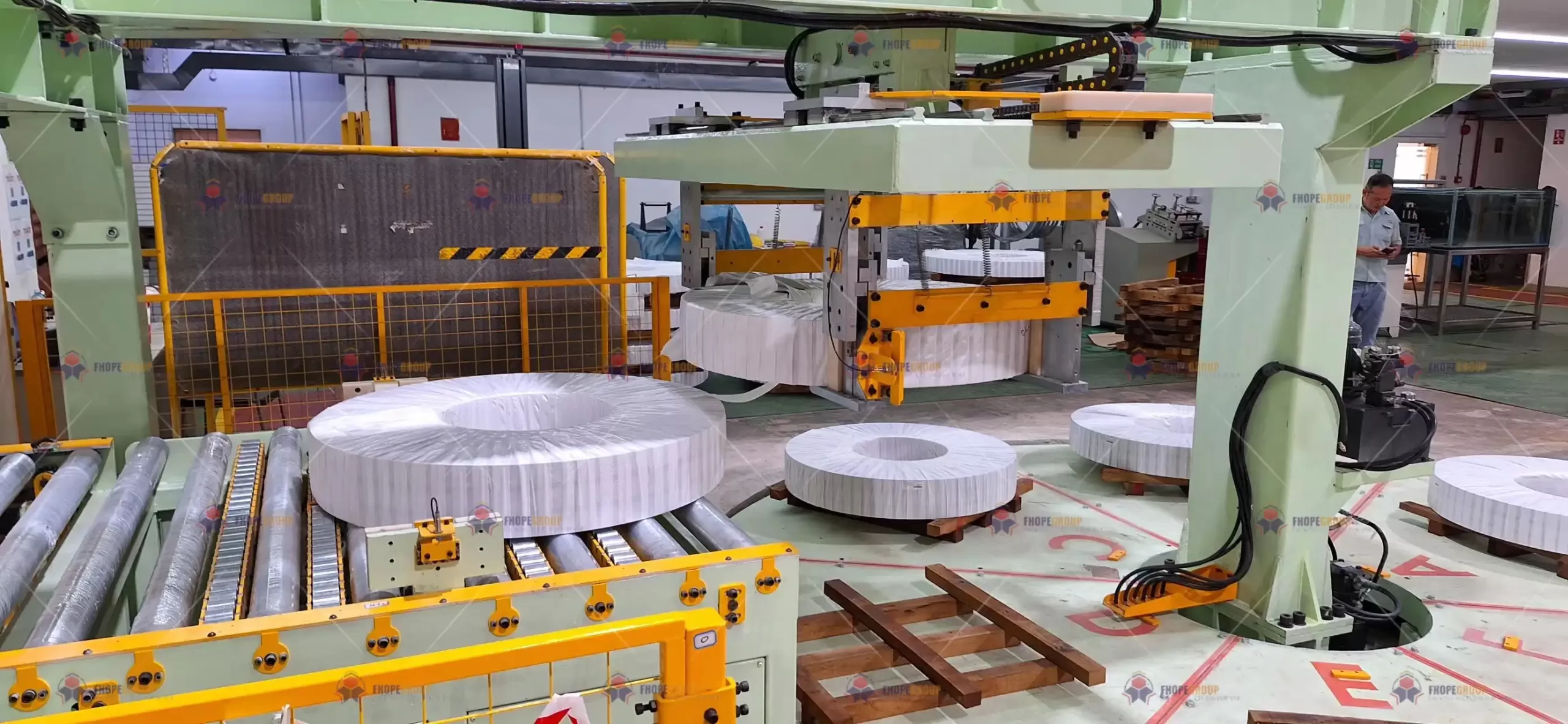
Efficiency bottlenecks are a major pain point for many factory managers, like Michael. He oversees a busy metal processing plant. Michael told me his current steel coil and wire packing process relies heavily on manual work. This makes it very slow. It also makes it inefficient. This problem seriously impacts his overall production and his delivery speed. He cannot get products out fast enough. This means missed deadlines and unhappy clients.
Automatic coil handling systems are a big part of the solution. They pick up coils, move them, and place them on the packing line without any human help. This removes the slow, risky process of using forklifts or cranes to move coils one by one. Imagine a system that automatically picks a coil from the production line. Then it places it directly onto a conveyor or a wrapping station. This cuts down on the time between each step. It also allows for continuous flow.
Then you have automatic strapping machines. These machines apply straps to coils in seconds. A human worker takes much longer. They also might not apply the strap with the same tension every time. An automatic strapper ensures every strap is tight and secure. This consistency is important for product safety during transport. It also speeds up the process because the machine works non-stop.
Advanced stretch wrapping solutions are also vital. Manual wrapping is very slow. It also uses a lot of film. An automatic wrapper moves around the coil, wrapping it tightly and evenly. It uses just the right amount of film. This not only saves on material costs. It also ensures the coil is fully protected from dust, moisture, and scratches. The machine can complete a full wrap in minutes. A human might take much longer and still not achieve the same quality. This is crucial for Michael, as product damage during internal transfer and packing leads to customer complaints.
Finally, integrated weighing and labeling systems are a big step forward. After wrapping, the coil moves to a weighing station. The machine weighs it automatically. Then it prints a label with all the product details. It can also apply this label to the package. This removes manual data entry. It also removes human errors. This means less rework and faster dispatch. By putting all these automated steps together, factories can dramatically increase their throughput. They can also meet tight delivery schedules. This directly solves the efficiency bottleneck Michael faces. It means his plant can produce more and deliver faster.
What Specific Features Boost Safety on the Packing Line?
Are you worried about worker safety on your packing line? Manual handling of heavy coils or flipping pallets can be very dangerous. It creates a high risk of workplace injuries. This can lead to high insurance costs. It also causes high employee turnover. No manager wants their team to be at risk. Michael certainly does not. He told me about his safety concerns with manual handling.
Automated systems bring a huge improvement in safety. They remove the need for workers to be near heavy, moving machinery or to lift heavy items. Features like automatic coil handling, robotic assistance, and protective guarding keep people out of harm’s way. This means fewer accidents and a safer work environment for everyone. It also helps reduce those high insurance costs.
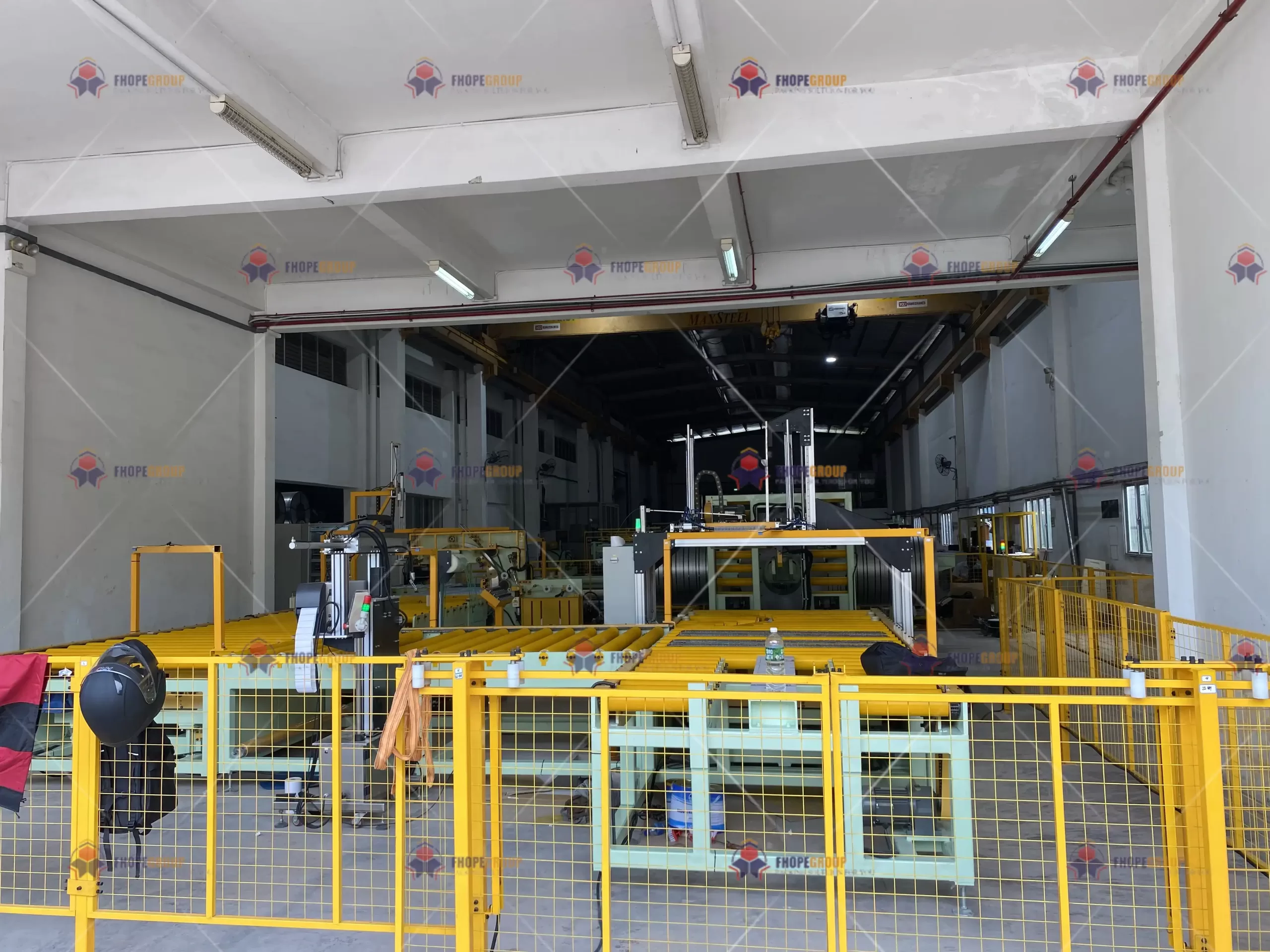
Worker safety is a major concern for Michael. He knows that manually moving heavy coils or turning pallets is not only slow. It also carries a very high risk of injury. These accidents can lead to significant insurance costs. They also cause a high rate of employee turnover. It is hard to keep skilled workers when the job is dangerous. He wants to find solutions that greatly reduce the need for workers to handle heavy items. This is so he can improve worker safety at his plant.
One of the most important safety features is automatic coil handling. This includes systems like coil conveyors, coil lifters, and automatic loading arms. These systems move coils from one point to another without any human touching them. Workers no longer need to use forklifts in tight spaces. They also do not have to manually guide heavy coils. This removes the risk of crushing injuries. It also removes strain injuries. This directly solves the problem of manual handling.
Another key feature is the use of robotic arms. These robots can perform tasks like placing corner protectors. They can also apply edge protection. They can even assist with strapping or labeling in hazardous zones. Robots can work in areas that are too dangerous for humans. This keeps human operators at a safe distance. Robots can also lift very heavy items that would cause injury to a person. They do this repeatedly without getting tired or making mistakes. This is a game-changer for tasks that require heavy lifting or repetitive motions.
Protective guarding and interlocks are also critical. Automated packing lines are enclosed with safety fences or light curtains. If a worker gets too close, the machines automatically stop. This prevents contact with moving parts. Interlocks ensure that machines cannot start if a safety door is open. These systems are designed to protect workers from accidents. They also make sure that only trained personnel can access dangerous areas when necessary.
Emergency stop buttons are placed at easy-to-reach locations all along the line. These buttons allow workers to shut down the entire system immediately if there is a problem. They are a last line of defense. Safety sensors, such as pressure mats and vision systems, detect if a person or an object is in a restricted area. If they do, they stop the machine before an accident can happen.
By putting these safety features in place, factories can create a much safer workplace. This means fewer injuries. It also means lower insurance premiums. And most importantly, it means a healthier, happier workforce. For Michael, this means a significant improvement in his plant’s operational safety. It also helps him retain his valuable employees.
How Do Automated Systems Reduce Product Damage and Costs?
Are you losing money because your products get damaged before they even leave the factory? Scratched surfaces, bent edges, or crushed coils during internal transfer and packing mean customer complaints. It also means wasted materials and lost profits. This kind of damage is a direct hit to your bottom line. It also harms your reputation.
Automated systems greatly reduce product damage. They handle coils gently and precisely. They also apply uniform, secure packaging every time. This consistent quality prevents scratches, dents, and other defects that often happen with manual handling. By reducing damage, you save money on rework and returns. You also keep your customers happy.

Product damage is a common and costly problem. Michael shared his challenge: “During internal transfer and packing, products like steel coil edges sometimes get damaged. This leads to customer complaints and profit loss.” He needs a way to protect his coils better. This is where automation really shines.
Automated handling systems are designed for precision. Unlike human operators, machines do not get tired. They do not get distracted. They lift and move coils with consistent force and exact placement. This prevents the kind of rough handling that can cause dents or scratches. For example, specialized coil lifting devices cradle the coil. They do not just grab it roughly. This reduces stress points on the material.
Automated strapping machines ensure consistent tension. If straps are too loose, the coil can shift and get damaged. If they are too tight, they can deform the coil or cut into the packaging. An automated system applies the correct tension every single time. This keeps the coil secure without causing damage. It also means fewer broken straps during transit.
Precision wrapping is another key feature. Automated stretch wrappers or film wrappers apply protective layers evenly. They cover the entire surface of the coil. This creates a barrier against dust, moisture, and abrasions. Manual wrapping can leave gaps or uneven layers. This makes the product vulnerable. Automated systems ensure full coverage and a tight seal. This protects sensitive coil edges from impacts or rubbing during transport. It also prevents rust from moisture.
Furthermore, automated systems can integrate quality control checks. Some advanced systems can detect if a coil is not properly centered. They can also check if a strap is missing. They can even check if the wrap is incomplete. This allows for immediate correction. This prevents damaged products from moving further down the line. It ensures only perfectly packed coils are shipped. This proactive approach saves a lot of money on returns, replacements, and unhappy customers.
The cost savings are clear. Less damaged product means less waste. It means fewer material reorders. It also means less labor for rework. There are fewer customer complaints. This protects your brand reputation. For Michael, this means a significant reduction in his losses from product damage. It translates directly into higher profits for his factory.
Why Is Choosing the Right Partner as Important as the Technology Itself?
Have you ever bought equipment only to find the supplier disappears after the sale? Dealing with suppliers who only care about selling and offer poor after-sales service is frustrating. It can leave you stranded when you need help most. This kind of bad experience makes you very careful when looking for new partners. Michael knows this feeling well.
Choosing the right partner is as important as the technology itself. A good supplier offers deep industry knowledge. They provide strong support after the sale. They understand your specific factory needs. They do not just sell machines. They offer solutions. They become a true partner who helps you succeed and grow your business over the long term.
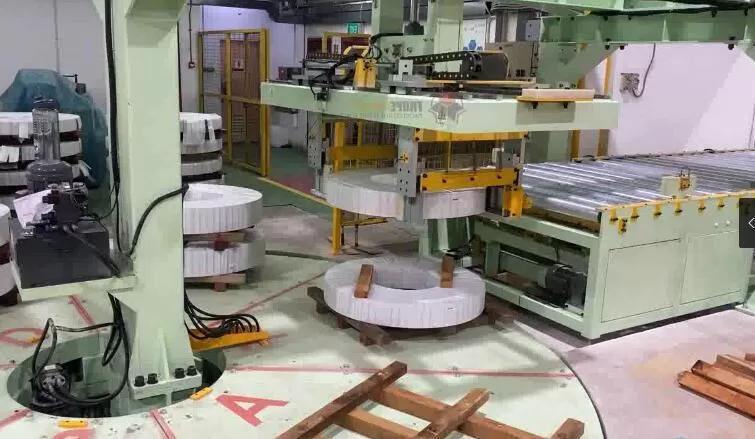
Michael has had bad experiences with equipment suppliers in the past. He told me, “I have dealt with some equipment suppliers who only focus on sales. Their after-sales service was poor. So, I am very careful about finding a new partner.” This is a common problem. Many companies focus only on the initial transaction. But the machine is only part of the solution. The support you get afterwards is just as vital.
A good partner has a deep understanding of your industry. They know the challenges you face every day. They know about production bottlenecks, safety risks, and efficiency problems. They can offer real insights. They can suggest solutions that truly fit your situation. For me, coming from the packing machine industry, starting as an employee, and then building my own factory, I understand these challenges personally. I know what it means to run a production line. I know what it takes to make it profitable.
This kind of partner will help you identify the right equipment. They will not just try to sell you the most expensive option. They will help you find what truly solves your specific problems. They will also consider your long-term goals. They can provide case studies or examples of how they have helped similar businesses. This builds trust. Michael needs someone who understands his problems, not just a salesperson.
Excellent after-sales service is non-negotiable. This means having readily available spare parts. It means fast technical support when a machine breaks down. It means regular maintenance services. Downtime costs money. A partner who can get your machine running again quickly saves you from big losses. They also offer training for your staff. This makes sure your team can operate the new equipment safely and efficiently. This reduces future problems.
A true partner also thinks about the return on investment (ROI). They can help you calculate how much money you will save with their equipment. They can show you how it will increase your profits. They will be transparent about costs and benefits. This helps you make smart financial decisions. Michael wants equipment with a clear ROI. He wants it to lower labor costs and reduce product damage. He wants it to boost his factory’s overall profit.
Ultimately, you want to work with experts like me who have real industry background. Someone who has successfully built factories. Someone who understands the journey. This ensures your investment truly solves problems. It also supports business growth. It is about building a long-term relationship. It is about having someone in your corner who genuinely wants you to succeed.
My Insights on Future-Proofing Your Packing Line!
Looking ahead, what else should you consider for your packing line? How can you make sure your investment today keeps paying off tomorrow? It is not just about buying a machine. It is about building a system that can grow with your business. We need to think about future technologies. We also need to think about how your market might change.
My insight is this: future-proofing your packing line means investing in flexibility and smart data. Choose systems that can adapt to different coil sizes. Also, choose systems that can handle various packaging materials. Look for equipment that collects performance data. This data helps you optimize operations. It also helps you predict maintenance needs. This prepares your factory for whatever comes next.
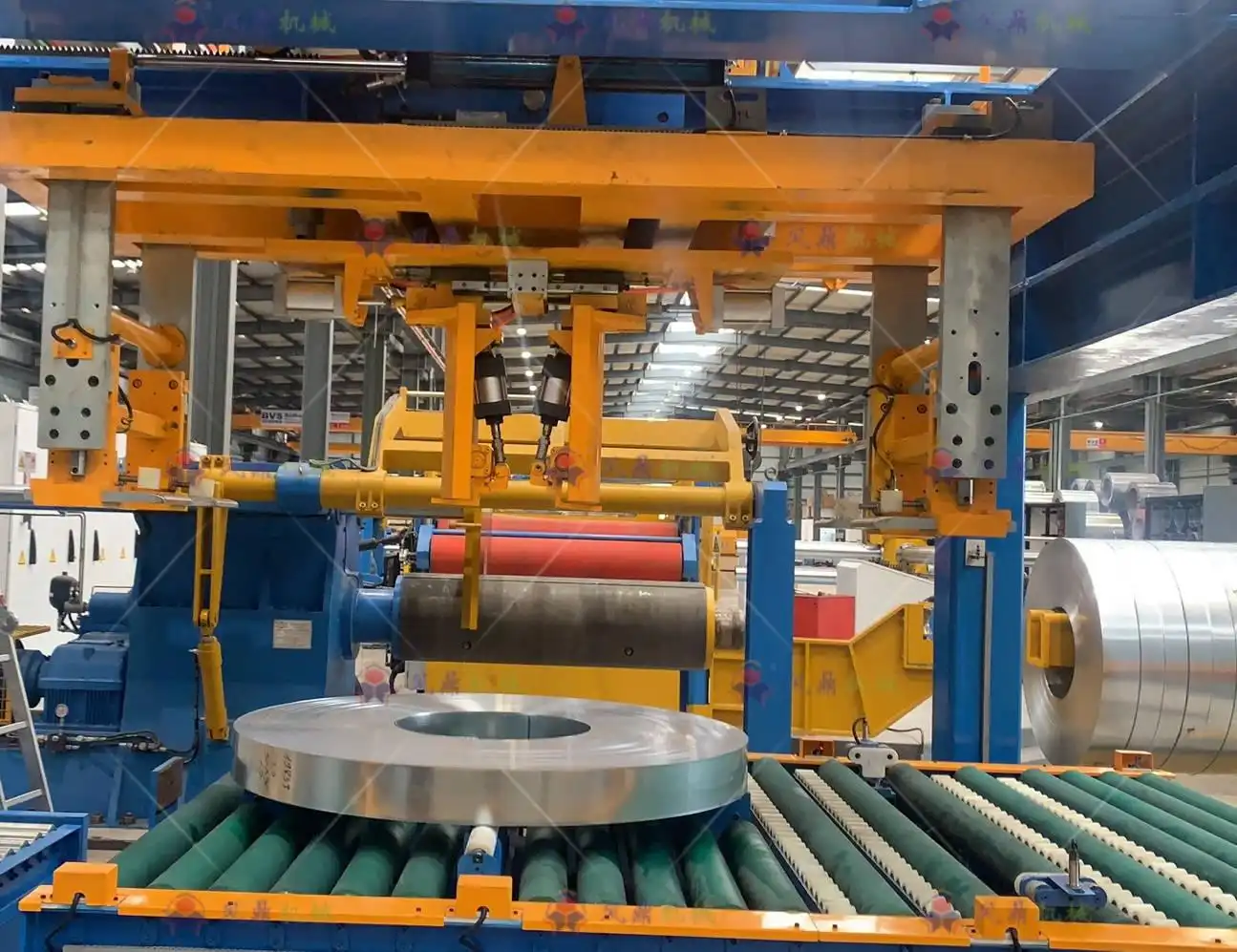
After years in this industry, from an employee on the factory floor to establishing my own successful packing machine factory, I have learned a lot. I have seen what works and what does not. The packing machine industry has allowed me to gain financial independence. It has also helped many of my clients grow their businesses. Now, I want to share my expertise. I want to help others succeed. My biggest insight for factories like Michael’s is to look beyond just the immediate problem. Think about the future.
When you invest in automation, think about flexibility. Your product range might change in the future. You might need to pack different coil sizes. You might use different materials. Can your automated system handle these changes? Choose modular systems. These systems allow you to add or change components easily. This prevents you from needing to buy a whole new line later. It also protects your initial investment.
Another key aspect is data. Modern packing machines can collect a lot of data. They can track throughput. They can monitor energy use. They can record error rates. This data is very valuable. It helps you understand exactly how your line is performing. It helps you find areas for improvement. You can use this data to optimize processes. You can also use it to schedule preventive maintenance. This reduces unexpected downtime. Michael, as an operations director, knows the value of data for improving output and controlling costs.
Consider the potential for integration. Can your new packing line communicate with your existing factory systems? Can it talk to your enterprise resource planning (ERP) system? Can it integrate with your warehouse management system (WMS)? Seamless data flow reduces manual input. It also reduces errors. It makes your entire supply chain more efficient. This kind of connectivity is what makes a factory truly smart.
Finally, remember the human element. Automation frees your workers from dangerous and repetitive tasks. This lets them focus on more skilled work. It improves their job satisfaction. It also increases their productivity in other areas. Train your team well on the new systems. Involve them in the transition. This ensures a smooth integration and a motivated workforce. The goal is not to replace people. The goal is to empower them and make their work safer and more fulfilling.
My journey has taught me that the best investments are those that not only solve current problems but also create a pathway for future growth. For Michael and other factory managers in Europe, embracing smart, flexible automation is not just about catching up. It is about leading the way.
Conclusion
Investing in automation features for European slit coil packing lines brings clear ROI. It boosts efficiency, greatly improves safety, and cuts product damage. Choosing a knowledgeable partner is vital for long-term success.








