
Which Industries Gain the Most Value From Pallet Changer Installation?
Are you struggling with manual pallet handling, inconsistent pallet sizes, or constant safety concerns in your warehouse? Many businesses face these issues daily. The costs of inefficient pallet management add up quickly. This can lead to delays, product damage, and even worker injuries. I have seen these problems many times in my journey in the packing machine industry. I know the real impact they have on a company’s bottom line and reputation.
The industries that gain the most value from pallet changer installation are those with high throughput volumes, diverse pallet specifications, strict hygiene or safety requirements, and significant labor costs. This includes sectors like food and beverage, pharmaceuticals, logistics, manufacturing, and e-commerce. Pallet changers help these businesses streamline operations, improve worker safety, and meet rigorous compliance standards. They also cut down on manual labor needs.

You might be thinking, “How exactly can a machine solve my unique industry challenges?” That is a great question. The answer lies in understanding the specific pain points each sector faces and how modern pallet changing technology addresses them head-on. Let us explore which industries truly unlock the biggest advantages by adopting these essential machines. We will dive into the core benefits that make pallet changers an invaluable asset for their operations.
Why is the Food & Beverage Industry a Prime Candidate for Pallet Changer Technology?
The food and beverage industry operates under immense pressure. Businesses need to move products fast, keep things clean, and meet diverse international standards. Manual pallet handling in this sector is a recipe for problems. It slows down operations, risks contamination, and causes unnecessary costs. I have seen many food processing clients struggle with changing between different pallet types for export. This can be a huge headache.
The food and beverage industry gains significant value from pallet changer technology because it directly addresses critical needs like hygiene, product integrity, rapid turnover, and compliance with varied pallet regulations. These machines ensure a seamless transfer of goods from internal, food-grade pallets to external shipping pallets, avoiding contamination risks and reducing labor-intensive processes. This also helps with quick dispatch and reduces costly delays.
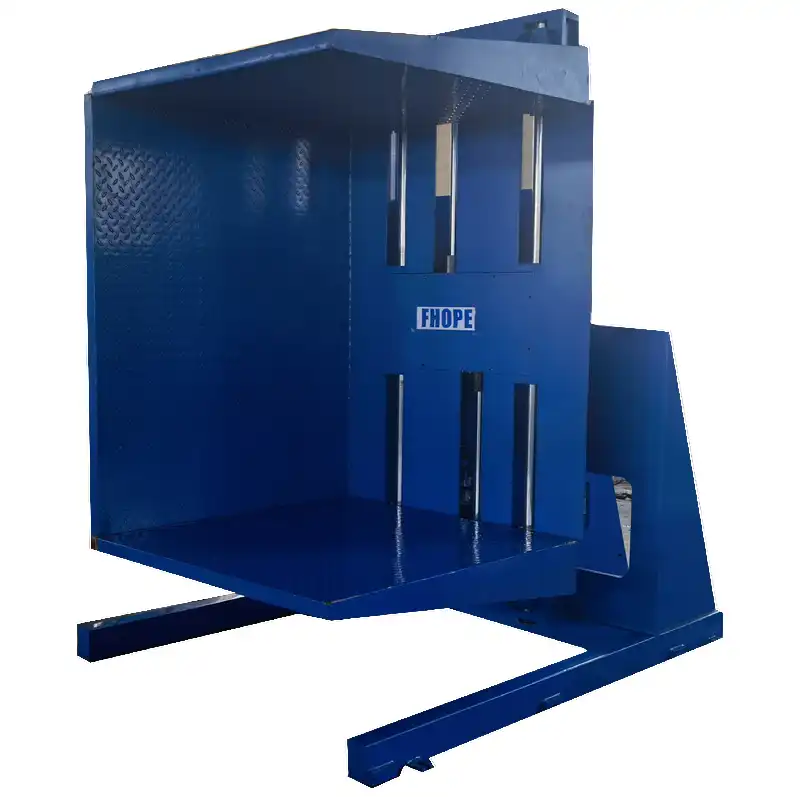
The challenges faced by companies like the one Carlos Rodríguez manages are not unique. They deal with thousands of pallets daily. They also need to switch between Euro pallets and US pallets for exports. This creates a huge demand for an efficient solution. A pallet changer is not just a piece of equipment for them. It is a strategic tool. It helps ensure consistent quality and reduces compliance risks. It protects delicate food items during the transfer process. This means fewer damaged goods and happier customers. My own experience building packing machine factories showed me how critical reliable equipment is. It helps maintain product quality in sensitive sectors. We work to make machines that our clients can depend on every single day. (Food and beverage logistics, pallet handling solutions, hygiene compliance, export pallet switching)
Dive deeper into why the Food & Beverage Industry needs Pallet Changers:
- Ensuring Strict Hygiene and Product Safety:
- Food and beverage products demand the highest hygiene standards. Internal pallets often need to be clean, food-grade, or plastic. External shipping pallets can be dirty, wooden, or have splinters. A pallet changer allows a swift transfer of products from one pallet type to another without direct human contact. This reduces the risk of contamination. It keeps sensitive products safe during transport. This also helps prevent costly recalls and protects brand reputation. It ensures that goods stay on clean surfaces at all times. This is vital for safety regulations.
- Managing Diverse Pallet Specifications for Global Trade:
- Many food and beverage companies, especially those involved in international logistics, must deal with multiple pallet types. Carlos, for example, faces frequent switching between European standard pallets and American standard pallets. Manual changing is slow and error-prone. Pallet changers can handle various pallet sizes and materials. This makes them highly adaptable. They ensure that products are always on the correct pallet for their destination country. This prevents shipping delays and costly re-palletizing at customs. It also supports seamless cross-border trade.
- Boosting Operational Efficiency and Throughput:
- The food industry often has tight production schedules and high volume requirements. Manual pallet transfers can take significant time. They also use up valuable labor resources. Pallet changers automate this process. They complete transfers in minutes, not hours. This significantly speeds up the flow of goods through the warehouse. It also reduces bottlenecks at loading docks. This increased efficiency means more products can move out faster. This meets the short delivery cycles demanded by modern retailers and e-commerce platforms. It also improves overall warehouse productivity.
- Reducing Labor Costs and Enhancing Worker Safety:
- Manual pallet changes involve heavy lifting and awkward movements. This increases the risk of worker injuries like back strains or crushed hands. Labor is also becoming more expensive and harder to find. Automated pallet changers remove the need for manual lifting and maneuvering of heavy loads. This creates a much safer working environment. It also reduces the chances of accidents. Fewer injuries mean lower insurance costs and less downtime. It also frees up staff for other, less physically demanding tasks. This improves overall labor efficiency and reduces reliance on scarce manual labor.
How Do Logistics and 3PL Providers Maximize Throughput with Pallet Changers?
Third-party logistics (3PL) providers and large warehouses are the backbone of global supply chains. They handle vast amounts of goods for many clients. Their success depends on speed, accuracy, and cost-effectiveness. In this fast-paced environment, manual pallet operations can be a major bottleneck. It limits their ability to process diverse shipments quickly and efficiently. I have seen how a slow pallet transfer can impact an entire supply chain.
Logistics and 3PL providers maximize throughput with pallet changers by enabling rapid and flexible handling of diverse pallet types, improving operational speed, and ensuring seamless integration into automated warehouse systems. These machines allow 3PLs to quickly adapt to various client requirements. They also streamline inventory flow and minimize the manual labor needed for pallet transfers. This leads to faster order fulfillment and lower operating costs.

The core business for 3PLs is moving goods. They must do this quickly and without errors. Imagine a warehouse like Carlos’s, processing thousands of pallets daily for different clients. Each client might use unique pallet standards or require specific hygiene levels for their products. Without automated pallet changers, adapting to these varying needs becomes a manual, labor-intensive, and error-prone task. This directly affects their ability to meet service level agreements. It also impacts customer satisfaction. My experience in designing packing machines, including coil packing, handling machine, and pallet changing machines, taught me that flexibility is key for logistics providers. They need equipment that can handle anything thrown at it. This ensures their operations run smoothly, no matter the cargo or destination. (3PL efficiency, warehouse automation, diverse pallet handling, supply chain optimization)
Dive deeper into how Logistics and 3PL Providers benefit from Pallet Changers:
- Adapting to Diverse Client and Pallet Requirements:
- 3PLs serve a wide array of clients, each with specific pallet standards and product handling needs. Some clients might require plastic pallets for internal storage. Others need wooden pallets for shipping. International clients often use different sizes (e.g., Euro, US, or Chep pallets). Pallet changers offer the flexibility to switch between these various types quickly. This means 3PLs can easily accommodate diverse requests without manual intervention. This adaptability is crucial for attracting and retaining a broad client base. It also reduces operational complexities.
- Boosting Throughput and Reducing Processing Times:
- High throughput is the lifeblood of any logistics operation. Manual pallet transfers are inherently slow. They disrupt the continuous flow of goods. Pallet changers automate this process. They can handle many pallets per hour. This significantly reduces the time needed for pallet exchange. It speeds up inbound and outbound operations. This means quicker unloading of trucks and faster loading for dispatch. This increased speed allows 3PLs to process more orders in less time. This directly improves their overall efficiency and capacity.
- Minimizing Labor Dependence and Costs:
- Finding and retaining warehouse labor is a constant challenge for 3PLs. Manual pallet handling is physically demanding. It is also a repetitive job that many younger workers avoid. By automating pallet changes, 3PLs reduce their reliance on manual labor for this specific task. This addresses labor shortages and lowers labor costs. It also frees up staff to focus on more skilled or value-added activities within the warehouse. This leads to a more optimized workforce and lower operational expenditures.
- Enhancing Safety and Reducing Product Damage:
- Manual pallet transfers carry inherent risks. Workers can suffer injuries from lifting heavy loads or product falls. Products can also be damaged during awkward manual movements. Automated pallet changers perform these tasks with precision. This minimizes the risk of human error and accidents. They handle goods gently. This protects the integrity of products. Safer operations mean lower insurance premiums and fewer compensation claims. This also ensures that goods arrive at their destination in perfect condition, improving customer satisfaction.
What Critical Role Do Pallet Changers Play in Pharmaceutical and Chemical Operations?
Pharmaceutical and chemical industries operate under extremely strict regulations. Product integrity, safety, and hygiene are not just important; they are non-negotiable. Contamination can have severe consequences, from product recalls to public health crises. Manual handling of sensitive or hazardous materials poses significant risks to both products and personnel. I have witnessed how careful these operations need to be.
Pallet changers play a critical role in pharmaceutical and chemical operations by ensuring product sterility, preventing cross-contamination, and enhancing safety when handling sensitive or hazardous materials. They facilitate the transfer of products from cleanroom-compliant pallets to shipping pallets without compromising environmental controls or exposing workers to risks. This helps companies meet rigorous regulatory standards and maintain product quality.
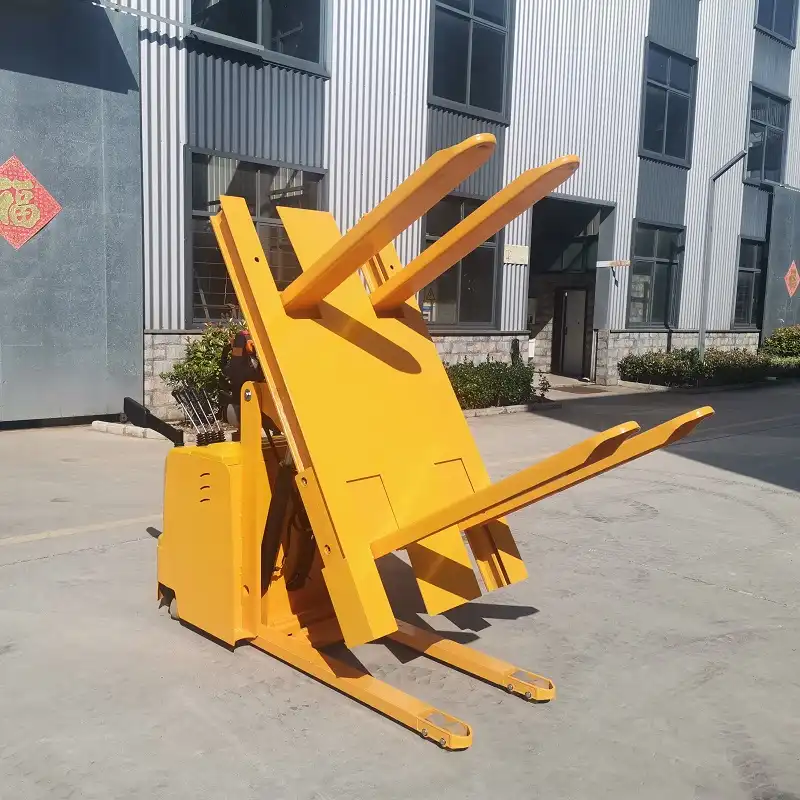
In these highly regulated sectors, every step of the process is scrutinized. Pallet changeovers often require products to move from sterile internal pallets to standard shipping pallets. This must happen without breaking the cleanroom environment or risking spills of hazardous chemicals. A poorly managed pallet transfer can lead to product degradation or, worse, safety incidents. This is not just about efficiency; it is about compliance and corporate responsibility. My commitment to providing robust and reliable packing machines comes from understanding these critical needs. Our pallet changers, like those from FHOPEPACK, are designed to perform these tasks with utmost precision and safety. This protects both the product and the people handling it. (Pharmaceutical logistics, cleanroom operations, chemical safety, contamination prevention, regulatory compliance)
Dive deeper into the critical role of Pallet Changers in Pharmaceutical and Chemical Operations:
- Maintaining Cleanroom Integrity and Preventing Contamination:
- Pharmaceutical manufacturing often occurs in controlled cleanroom environments. Products are stored on specialized, sterile pallets. They cannot leave this zone. Shipping requires a different, often non-sterile, pallet. Pallet changers allow this transition without breaking the cleanroom barrier. They move only the product from the sterile pallet to the external one. This prevents contaminants from entering the clean zone. It also ensures product purity and safety. This is vital for regulatory approval and patient safety.
- Enhancing Safety with Hazardous Materials:
- Chemical products, especially hazardous ones, demand extreme caution during handling. Manual tilting or transfer of pallets carrying drums or containers of chemicals increases the risk of spills, leaks, or exposure to workers. Automated pallet changers perform these transfers with precision. They reduce the need for direct human interaction with dangerous goods. This significantly lowers the risk of accidents and injuries. It also helps comply with strict safety regulations.
- Ensuring Product Integrity and Reducing Damage:
- Many pharmaceutical and chemical products are fragile or expensive. They cannot withstand rough handling. Manual methods can lead to product damage, especially during awkward pallet inversions. Pallet changers provide a stable and controlled method of transfer. They hold the load securely during the entire process. This minimizes the risk of product loss due to damage. It also ensures that valuable goods arrive in perfect condition. This saves money and maintains customer trust.
- Meeting Stringent Regulatory and Auditing Requirements:
- Both pharmaceutical and chemical industries face rigorous audits and compliance checks. Every process must be documented and controlled. Automated pallet changing systems offer consistency and traceability. They reduce the variability and human error associated with manual methods. This makes it easier to demonstrate compliance with Good Manufacturing Practices (GMP) and other industry standards. It also streamlines auditing processes.
Can Pallet Changers Transform Efficiency in High-Volume Manufacturing and Automotive?
High-volume manufacturing, especially in the automotive sector, is all about speed, precision, and minimizing downtime. Production lines must flow continuously. Any disruption, even a small one, can lead to significant losses. Managing heavy components on diverse pallets, often specific to parts or production stages, adds complexity. Manual pallet changes can be a costly bottleneck in these demanding environments. I have seen how production stops because of slow material handling.
Pallet changers transform efficiency in high-volume manufacturing and automotive by enabling rapid and safe handling of heavy, often specialized, components, integrating smoothly into automated production lines, and reducing manual labor for repetitive tasks. They ensure a continuous flow of materials, improve worker safety when dealing with heavy loads, and adapt to specific pallet types needed for various stages of assembly or shipping. This directly impacts overall productivity and cost-effectiveness.
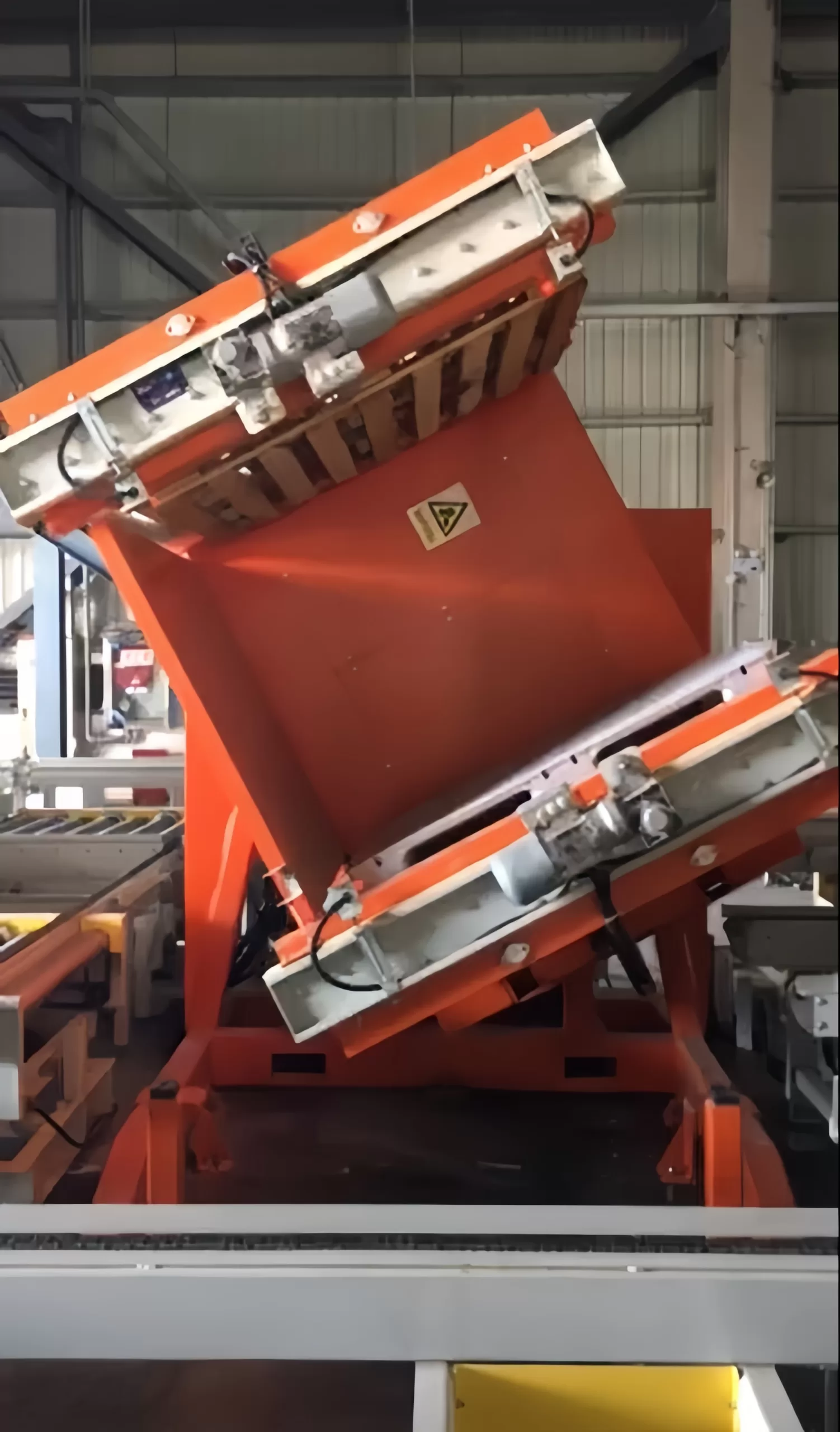
In manufacturing plants, pallets might hold anything from engine blocks to delicate electronic components. These pallets vary in size, material, and even strength. They can be standard wooden pallets for raw materials or specialized metal skids for in-process parts. The need to switch between these quickly, without stopping the line, is critical. Manual operations are too slow and risky for such heavy items. They can also lead to injuries and damage. My background in building factories and working with packing machines has taught me the importance of robust, reliable solutions for heavy industry. FHOPEPACK focuses on creating machines that can withstand the rigors of these environments. They help keep production moving efficiently and safely. (Manufacturing automation, heavy component handling, automotive supply chain, production line efficiency, specialized pallet management)
Dive deeper into how Pallet Changers transform efficiency in High-Volume Manufacturing and Automotive:
- Ensuring Seamless Integration with Automated Production Lines:
- Modern manufacturing relies heavily on automation. Pallet changers are designed to integrate directly into existing conveyor systems and robotic cells. They ensure a smooth, uninterrupted flow of materials. This means raw materials can be transferred to internal production pallets without manual intervention. Finished goods can then move to shipping pallets just as easily. This seamless integration eliminates manual bottlenecks. It keeps the entire production process running at peak efficiency.
- Handling Heavy and Specialized Components Safely:
- The automotive and heavy manufacturing sectors frequently deal with large, heavy, or uniquely shaped parts. Manual handling of these items for pallet changes is extremely dangerous. It also requires significant physical effort. Pallet changers are built to handle heavy loads with precision and stability. They can safely invert or transfer goods from specialized manufacturing pallets to standard shipping pallets. This drastically reduces the risk of worker injuries. It also prevents damage to expensive components.
- Optimizing Space and Inventory Management:
- Many manufacturing facilities operate with limited floor space. Efficient pallet management helps optimize storage. Pallet changers can facilitate transferring goods to different pallet types that stack better or fit existing racking systems more efficiently. This allows for better use of vertical space. It also improves overall warehouse layout. This helps in managing inventory more effectively. It ensures materials are always accessible when needed for production.
- Reducing Labor Input for Repetitive Tasks:
- Repetitive manual tasks, like pallet changing, are not only physically demanding but also prone to human error. In high-volume settings, this can lead to inefficiencies and increased costs. Pallet changers automate these mundane tasks. This reduces the need for constant manual labor. It frees up workers for more complex or value-added roles. This leads to a more optimized workforce. It also lowers operational costs associated with wages, training, and injury claims.
How Do E-commerce and Retail Leverage Pallet Changers for Faster Distribution?
The e-commerce and retail sectors thrive on speed and customer satisfaction. Consumers expect rapid delivery and flawless order fulfillment. This puts immense pressure on distribution centers to process orders quickly and efficiently. Handling a vast array of products on various pallets, often from different suppliers, adds layers of complexity. Manual pallet management can easily become the weakest link in a fast-paced retail supply chain.
E-commerce and retail leverage pallet changers for faster distribution by streamlining the intake of diverse supplier pallets, rapidly transferring goods to internal warehouse or customer-specific pallets, and accelerating the outbound shipping process. These machines help retailers manage fluctuating demand, reduce manual labor associated with high parcel volumes, and ensure timely dispatch of goods to meet demanding delivery schedules. This directly supports quicker order fulfillment and enhanced customer experience.
The modern retail landscape demands agility. Imagine a major e-commerce fulfillment center that receives shipments from hundreds of suppliers daily. Each supplier might use their own pallet type or condition. To move these items efficiently through the warehouse, they often need to be on standard internal pallets or specific pallets for sorting and dispatch. Manually handling thousands of these transfers daily is simply not feasible. It would create massive bottlenecks. My own journey, helping many clients grow their businesses, has shown me how vital efficient material flow is for growth, especially in retail. Companies like FHOPEPACK aim to provide the solutions that keep these complex operations running smoothly and profitably. (E-commerce fulfillment, retail distribution, rapid order processing, diverse supplier pallets, supply chain agility)
Dive deeper into how E-commerce and Retail leverage Pallet Changers:
- Expediting Inbound Logistics and Supplier Pallet Management:
- E-commerce businesses receive goods from countless suppliers. These suppliers often ship on a variety of pallet types, sizes, and qualities. Pallet changers allow distribution centers to quickly and efficiently transfer these inbound goods onto standardized internal pallets. This streamlines internal material flow. It also simplifies storage and automated handling within the warehouse. This means trucks can be unloaded faster. Inventory can be processed more rapidly.
- Accelerating Outbound Shipping and Order Fulfillment:
- Meeting ambitious delivery promises requires extremely fast outbound processing. After picking and packing, products often need to be consolidated onto specific pallets for transport to regional hubs or direct customer delivery. Pallet changers speed up this final step. They ensure that goods are on the correct shipping pallet type quickly. This reduces bottlenecks at the loading dock. It allows trucks to depart on schedule. This directly impacts delivery times and customer satisfaction.
- Improving Warehouse Flow and Automated System Compatibility:
- Many large e-commerce warehouses use advanced automated storage and retrieval systems (AS/RS) or conveyor belts. These systems often require goods to be on specific, consistent pallet types. Pallet changers act as a crucial link. They convert non-compatible supplier pallets into compatible internal pallets. This ensures seamless integration with automated equipment. It maximizes the efficiency of the entire warehouse system. This prevents manual interference that can slow down automation.
- Addressing Labor Shortages and Reducing Operational Costs:
- The e-commerce sector often experiences peak seasons, which demand massive increases in labor. Manual pallet changing is a labor-intensive activity. It contributes significantly to operational costs and stress during these times. Automating this task with pallet changers reduces the need for additional staff during peak periods. It lowers overall labor expenses. It also minimizes employee turnover associated with physically demanding roles. This makes operations more sustainable and cost-effective year-round.
Conclusion
Pallet changers offer immense value across many industries. They solve critical problems related to efficiency, safety, compliance, and labor. From food and beverage hygiene to manufacturing throughput, and from pharmaceutical safety to e-commerce speed, these machines are essential. Investing in a reliable pallet inverter or changer, like those from FHOPEPACK, helps businesses stay competitive and achieve their operational goals.








