
What Role Do Pallet Changers Play in Smart Warehousing 4.0?
Are you struggling with rising costs, labor shortages, and the constant pressure to deliver faster? Many logistics managers, like Carlos in Spain, face a daily battle against outdated processes. They see how manual pallet handling slows everything down, causes safety risks, and drains budgets. This is a common pain point in warehouses everywhere, preventing them from reaching their full potential.
Pallet changers are a crucial component in Smart Warehousing 4.0, transforming how goods move. They automate the difficult and risky process of transferring products between different pallet types, making operations faster, safer, and more cost-effective. These machines are key to building an intelligent and interconnected warehouse system.

If you are looking for ways to streamline your logistics, improve safety, and keep up with demand, understanding pallet changers is essential. Let’s dive deeper into how these smart machines are not just equipment, but strategic assets for the modern warehouse.
What is Smart Warehousing 4.0, and Why Are Pallet Changers Essential?
Are your current warehouse operations feeling a bit behind the times? Perhaps you are seeing a mix of old methods trying to keep pace with new demands. The truth is, relying on traditional systems can lead to bottlenecks and missed opportunities. This makes it hard to achieve true efficiency and responsiveness.
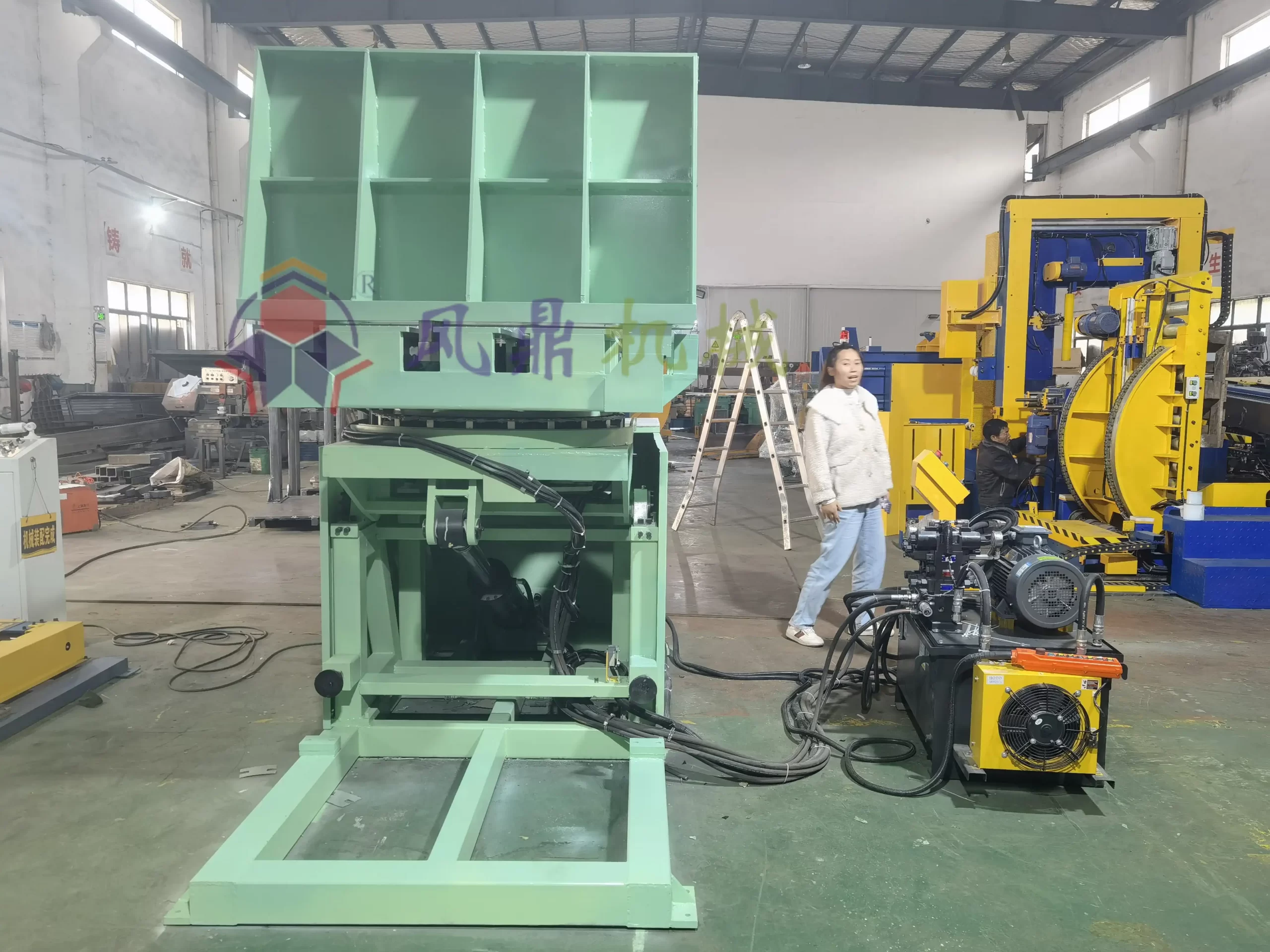
Smart Warehousing 4.0 represents an intelligent, highly automated, and data-driven approach to logistics. It integrates various technologies like IoT, AI, and robotics. Pallet changers are essential here because they ensure the smooth and automated flow of goods, acting as a critical link between different handling systems and pallet specifications within this interconnected environment.
-
Defining Smart Warehousing 4.0: The Blueprint for Modern Logistics Smart Warehousing 4.0 is much more than just putting a few machines into a warehouse. It is about creating a truly integrated ecosystem. This system uses cutting-edge technology to achieve maximum efficiency, visibility, and adaptability. Think about it as a central nervous system for your goods. It connects every piece of equipment, every process, and every piece of data. Key components include the Internet of Things (IoT), where devices communicate with each other, Artificial Intelligence (AI) for predictive analytics and decision-making, and advanced automation for tasks that used to be manual. This digital transformation allows warehouses to respond quickly to market changes, optimize inventory, and reduce operational costs. My experience in the packing machine industry has taught me that the future belongs to those who embrace these smart solutions. They allow you to shift from reactive problem-solving to proactive strategic planning, anticipating needs before they arise. It also means less human error and more consistent output, which directly impacts your bottom line and customer satisfaction. The goal is a seamless flow of information and materials. (smart warehousing 4.0 definition, intelligent logistics, automated material handling)
-
The Core of Modern Logistics: Speed, Accuracy, and Cost-Effectiveness In today’s fast-paced world, businesses demand speed, accuracy, and cost control from their logistics partners. Customers expect quick delivery, and companies want to minimize waste and maximize throughput. A smart warehouse addresses these demands head-on. It uses automated systems to process orders quickly and without mistakes. Data analytics helps identify inefficiencies and areas for improvement. This means less idle time for machines and people. It also leads to a leaner supply chain. For a manager like Carlos, who handles thousands of pallets daily, these factors are not just buzzwords. They are essential for staying competitive and profitable. I have seen how even small improvements in these areas can have a huge impact on a business. Reducing the time it takes to move goods, ensuring every item is where it should be, and doing all of this at a lower cost are the pillars of a successful modern operation. This focus on optimization is why I dedicated FHOPEPACK to sharing knowledge about advanced packing and handling machines. (efficient logistics, warehouse optimization, cost reduction strategies)
-
Why Pallet Changers are Indispensable: Connecting the Automated Flow Within this sophisticated Smart Warehousing 4.0 setup, pallet changers play an indispensable role. They are not just isolated machines; they are vital connectors. Imagine a factory floor where goods need to move from one type of pallet (maybe a wooden pallet for internal use) to another (perhaps a plastic export pallet) for international shipping. Manually doing this is slow, labor-intensive, and prone to mistakes. A pallet changer automates this transfer, making it quick and safe. It bridges the gap between different stages of the logistics chain. For example, it allows smooth transitions between production lines, automated storage and retrieval systems (AS/RS), and outbound shipping docks. Without them, even the most advanced automated systems would face bottlenecks at these transfer points. They ensure that the material flow remains continuous and uninterrupted, which is a hallmark of Smart Warehousing 4.0. My journey building FHOPEPACK was driven by seeing the critical need for machines that seamlessly integrate into complex industrial processes. (automated pallet transfer, material flow optimization, warehouse integration solutions)
How Do Pallet Changers Solve Your Biggest Warehouse Headaches?
Are you tired of the constant battle with varied pallet sizes, the struggle to find enough reliable workers, and the looming threat of workplace accidents? Many warehouse managers, much like Carlos, feel the pressure. These issues do not just cause frustration; they lead to real financial losses, contract penalties, and unhappy customers. The problems often seem too big to solve with simple fixes.
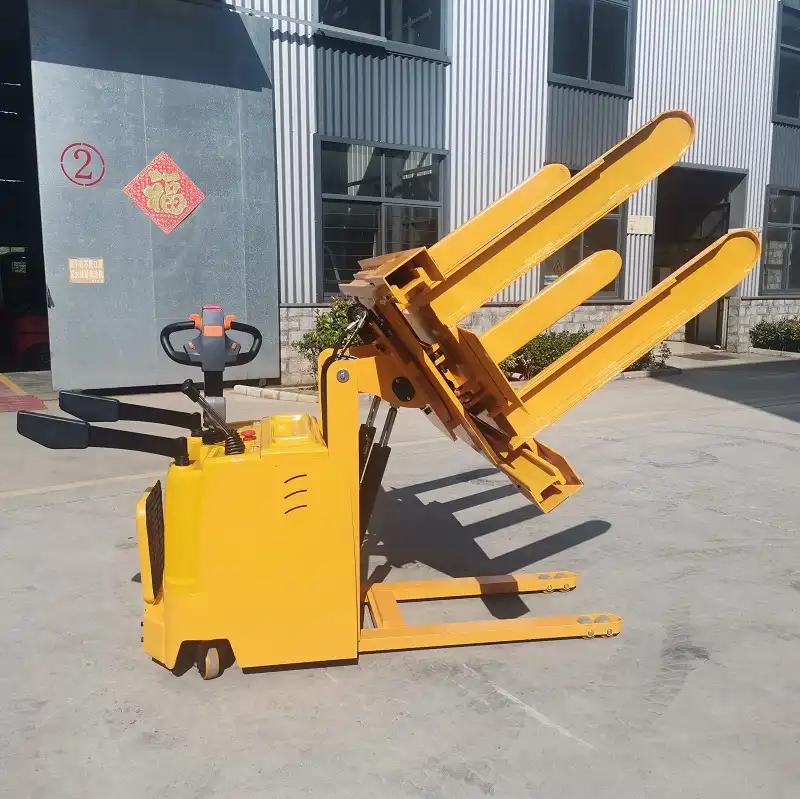
Pallet changers directly tackle significant warehouse challenges. They efficiently handle diverse pallet specifications, reduce reliance on manual labor, eliminate dangerous handling tasks, and accelerate goods movement. This makes them a practical solution for improving operational efficiency, safety, and compliance in busy logistics environments.
-
Tackling Pallet Diversity: Seamless Transitions for Global Trade One of the biggest headaches for any logistics manager, especially in international trade, is dealing with diverse pallet specifications. As Carlos mentioned, exporting goods often requires switching from standard Euro pallets to US-specific pallets or even plastic pallets for hygiene reasons. Manually transferring goods between these different pallet types is incredibly inefficient. It consumes a lot of time and resources. It also carries a high risk of product damage or errors in handling. Pallet changers solve this problem elegantly. They are designed to manage various pallet sizes and materials automatically. This capability ensures that products are quickly and safely transferred to the correct pallet for their next destination. This removes the manual burden and speeds up the entire shipping process. I have seen clients transform their export operations just by integrating the right pallet changing solutions. This level of adaptability is essential for keeping goods moving across borders without costly delays. (diverse pallet sizes, international logistics solutions, efficient pallet exchange)
-
Addressing Labor Shortages: Optimizing Human Resources The logistics industry, like many others, faces a growing challenge: a shortage of labor. Attracting and retaining workers for physically demanding tasks like manually handling and transferring pallets is becoming harder. This scarcity drives up labor costs and puts immense pressure on existing teams. Pallet changers offer a clear solution by significantly reducing the need for manual intervention in pallet transfer. These machines perform the heavy lifting and complex rotations, freeing human workers from repetitive and strenuous tasks. This allows warehouse staff to focus on more skilled, value-added activities, such as quality control, inventory management, or operating other specialized equipment. By automating these processes, companies can achieve higher throughput with fewer people, directly addressing the impact of labor scarcity. This makes the workplace more appealing for employees too, as they move away from purely physical labor. (warehouse labor solutions, automation for logistics, reduced manual handling)
-
Enhancing Workplace Safety: A Top Priority for Managers Safety is not just a regulatory requirement; it is a moral and operational imperative. Manually changing or flipping heavy pallets poses significant risks. This includes the potential for goods tipping over, leading to product damage, and serious injuries to staff, such as strains, crushing incidents, or falls. Carlos knows this pain well, mentioning multiple accidents. Such incidents can result in costly medical bills, insurance claims, downtime, and a negative impact on morale. Pallet changers eliminate these dangers by performing the entire transfer process mechanically. Workers no longer need to lift, tilt, or physically maneuver heavy loads. This significantly reduces the risk of accidents and creates a much safer working environment. Investing in such equipment is not just about efficiency; it is a direct investment in the well-being of your employees and the stability of your operations. I always emphasize safety in my designs because a safe operation is a productive operation. (pallet transfer safety, workplace injury prevention, automated safety solutions)
-
Meeting Customer Demands: The Need for Speed and Reliability In today’s market, customer expectations are higher than ever. E-commerce and retail clients demand shorter delivery times and perfect order fulfillment. This puts immense pressure on warehouses to process orders faster and more accurately. Any delay in the pallet switching process can directly impact shipping schedules, potentially leading to contract penalties and, worse, customer dissatisfaction and loss. Pallet changers are critical in accelerating these processes. By automating pallet transfers, they eliminate bottlenecks that often occur with manual methods. This ensures a quicker turnaround time for goods moving through the warehouse, from inbound processing to outbound shipping. Their reliable and consistent operation minimizes errors, guaranteeing that goods are prepared correctly and on time. This helps businesses meet tight deadlines, maintain customer trust, and uphold service level agreements, directly contributing to long-term success. (customer satisfaction logistics, rapid order fulfillment, efficient supply chain operations)
Beyond Efficiency: How Do Pallet Changers Improve Safety and Compliance?
Are you worried about the financial and reputational damage from workplace accidents or non-compliance fines? The hidden costs of manual handling go far beyond just labor. They include insurance hikes, legal fees, and the loss of trust from clients and employees. Overlooking these risks can threaten your entire operation.
Pallet changers go beyond merely boosting efficiency; they fundamentally improve workplace safety by minimizing human interaction with heavy loads, significantly reducing injury risks. They also ensure goods remain stable during transfer, which is vital for maintaining product integrity and meeting strict regulatory and hygiene compliance standards across different regions.

-
Reducing Injury Risks: Protecting Your Most Valuable Asset My years in the packing machine industry taught me that safety is paramount. Manual handling of heavy and sometimes unstable palletized loads is a leading cause of injuries in warehouses. Workers can suffer from back strains, crushed limbs, or other severe accidents when trying to manually flip or transfer products. These incidents are not just unfortunate; they are preventable. Pallet changers remove the human element from these hazardous tasks. They use hydraulic or mechanical systems to securely clamp, lift, tilt, or rotate loads. This means employees do not have to put themselves in harm’s way. This greatly reduces the potential for costly workplace injuries and related downtime. A safer workplace also leads to higher employee morale and lower turnover, which are invaluable assets for any business. It shows that the company values its people. (warehouse safety measures, injury prevention logistics, automated handling benefits)
-
Ensuring Product Integrity: Preventing Damage During Transfer Product damage during pallet transfer can be a significant hidden cost. When goods are manually moved or inverted, there is always a risk of items shifting, falling, or being mishandled. This can lead to ruined products, repackaging costs, and even rejected shipments. For businesses dealing with fragile or high-value goods, this is unacceptable. Pallet changers are engineered to handle loads gently and securely. They use various clamping and tilting mechanisms that ensure the product remains stable throughout the entire transfer process. This precision minimizes the risk of damage, protecting your inventory and reducing waste. By ensuring goods arrive at their destination in perfect condition, these machines help maintain product quality and customer satisfaction, which is essential for brand reputation. (product damage prevention, secure pallet transfer, goods integrity in logistics)
-
Meeting International Standards: Facilitating Export Compliance Global supply chains are complex. They often involve strict compliance requirements for different countries. For example, some regions might require heat-treated wooden pallets, while others prefer plastic or metal pallets for hygiene or pest control reasons. Switching between these types is mandatory for international shipments. Manual switching makes compliance checks harder and increases the risk of mistakes. Pallet changers automate this critical step. They ensure that goods are transferred to the correct, compliant pallet type efficiently and without errors. This proactive approach helps businesses avoid hefty fines, customs delays, and potential rejections at borders. It simplifies the compliance process and provides clear documentation of proper handling. This is especially important for food and beverage companies like those Carlos manages, where hygiene and specific pallet types are non-negotiable for export. (international logistics compliance, export pallet requirements, customs regulation adherence)
-
Audit Readiness: Standardized Operations for Easier Verification Regulatory bodies and external auditors often require detailed records of how goods are handled, especially concerning safety and product integrity. Manual processes can be inconsistent and difficult to document, making audits more challenging. Pallet changers, as automated systems, provide a standardized and repeatable operation. This consistency makes it much easier to demonstrate compliance with internal protocols and external regulations. They help create a verifiable process for pallet exchanges. This means simpler audits, clearer accountability, and less administrative burden. By implementing these systems, businesses can ensure they are always ready for inspections. This reduces stress and potential legal issues, fostering trust with regulatory authorities and partners. (logistics audit readiness, standardized warehouse procedures, compliance documentation)
Choosing the Right Pallet Changer: What Are Your Options?
Are you overwhelmed by the variety of pallet changer systems on the market, unsure which one will genuinely meet your warehouse’s specific needs? Picking the wrong equipment can be an expensive mistake, leading to inefficiencies, maintenance headaches, and ultimately, wasted investment. It is critical to choose a partner who understands your challenges.
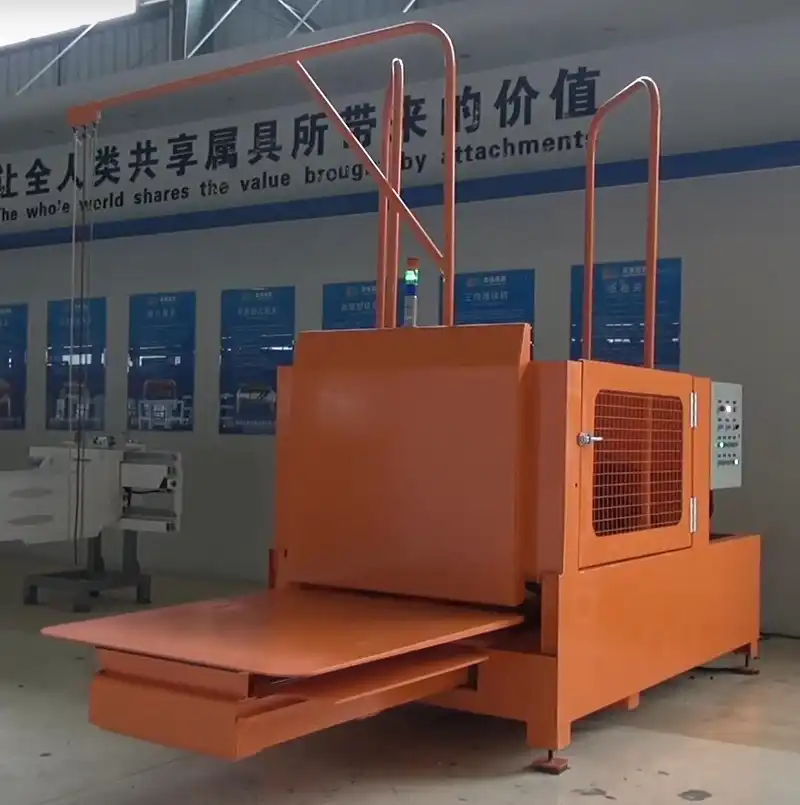
Selecting the ideal pallet changer system requires careful consideration of your operational volume, product characteristics, and available space. Options range from fixed, high-volume units to versatile mobile changers, each designed to optimize specific warehouse environments. FHOPEPACK offers reliable and adaptable solutions tailored to these diverse needs.
-
Types of Pallet Changers: Matching the Machine to Your Mission When considering a pallet changer, it is important to understand the different types available. Each is designed for specific operational needs. From my experience helping clients, a one-size-fits-all approach rarely works.
- Fixed Pallet Changers: These are generally installed in a permanent location, suitable for high-volume operations where goods consistently flow through a specific point. They often include 180-degree inverters or side-press units. For example, FHOPEPACK offers robust 180-degree pallet inverters that can handle a wide range of loads, quickly flipping them for pallet exchange or rotation. These are perfect for businesses with dedicated production lines or shipping areas.
- Mobile Pallet Changers: These units offer flexibility. They are ideal for warehouses that need to perform pallet exchanges in various locations or have lower, more varied volumes. FHOPEPACK’s mobile pallet changers, for instance, can be easily moved with a forklift. This allows you to bring the changer to the load, instead of the other way around. This flexibility makes them very useful for diverse operational layouts.
- Automated vs. Semi-Automated: Automated systems integrate directly into conveyor lines and require minimal human oversight, suitable for fully autonomous Smart Warehousing 4.0. Semi-automated units need an operator but still significantly reduce manual effort. Understanding your desired level of human intervention is key. (pallet changer types, fixed pallet inverter, mobile pallet changing solutions)
-
Key Selection Criteria: Guiding Your Investment Choosing the right pallet changer involves more than just looking at the price tag. You need to consider several critical factors to ensure the machine truly meets your requirements and provides a good return on investment.
- Volume and Throughput: How many pallets do you need to process per hour or day? High-volume operations will require faster, more robust, and potentially fully automated systems.
- Product Type: What are you moving? The weight, fragility, stability, and dimensions of your products will dictate the clamping mechanisms and load capacity needed. Some products need gentle handling, others are very heavy.
- Available Space: Fixed units need dedicated floor space, while mobile units require clear pathways for movement. Space constraints in existing warehouses are a common challenge I have helped clients overcome.
- Budget and ROI: While initial cost is a factor, consider the long-term savings in labor, reduced damage, and improved efficiency. Calculate the return on investment carefully.
- Desired Automation Level: Do you want a fully hands-off system or something that complements human operators? This impacts system complexity and cost. By carefully evaluating these points, you can make an informed decision that truly benefits your operations. (warehouse equipment selection, pallet changer capacity, product handling requirements)
-
FHOPEPACK Solutions: Reliable Partners for Your Warehouse Automation At FHOPEPACK, we understand the complexities of warehouse operations. That is why we offer a range of reliable and adaptable pallet changing solutions designed to meet diverse industrial needs. Our machines are built with precision engineering and a focus on long-term performance. Whether you need a heavy-duty fixed inverter for continuous high-volume operation or a flexible mobile unit for varied tasks, we have solutions that integrate seamlessly into your existing or future smart warehouse setup. We prioritize robust construction and user-friendly interfaces. This ensures maximum uptime and ease of operation. We also aim to be more than just a supplier; we want to be a long-term partner who understands your challenges, just like Carlos is looking for. While FHOPEPACK is my primary focus, I also know that companies like SHJLPACK offer various solutions. However, based on my journey in this industry, I believe FHOPEPACK provides a strong blend of innovation, quality, and dedicated support. (FHOPEPACK pallet systems, reliable warehouse solutions, industrial pallet changers)
Integrating Pallet Changers for a Truly Smart Warehouse: What’s Next?
Are your current automated machines working in silos, missing the opportunity to create a truly unified and intelligent system? Many businesses invest in individual pieces of automation but fail to connect them. This leaves a significant gap in their journey toward a fully optimized Smart Warehousing 4.0. You could be missing out on the full benefits of automation.
Integrating pallet changers seamlessly with your Warehouse Management System (WMS), conveyor lines, and robotics is the key to a cohesive Smart Warehousing 4.0 ecosystem. This integration optimizes material flow from beginning to end, enabling real-time data exchange, predictive maintenance, and scalable operations that are ready for future growth.
-
WMS/WCS Integration: The Brains of Your Smart Warehouse For pallet changers to truly shine in a Smart Warehousing 4.0 environment, they need to communicate effectively with your Warehouse Management System (WMS) and Warehouse Control System (WCS). These systems are the central brains of your operation. Integrating pallet changers means they receive commands directly from the WMS. For example, they can be instructed on which pallet type to switch to, or which specific product needs handling. In return, the pallet changer can send back real-time data. This includes completion times, error messages, and operational status. This two-way communication eliminates manual data entry, reduces errors, and provides managers like Carlos with a complete overview of pallet handling processes. It ensures that every pallet move is tracked and optimized within the larger logistics plan, driving greater efficiency and accuracy across the entire warehouse floor. My work with FHOPEPACK emphasizes solutions that offer easy integration, because I understand how critical this connectivity is. (WMS pallet changer integration, automated warehouse control, real-time logistics data)
-
Automation Synergy: Working with Conveyors, AGVs, and Robotics A pallet changer is powerful on its own, but its true potential is unlocked when it works in harmony with other automation technologies. Imagine a system where pallets are automatically delivered to the changer by an Automated Guided Vehicle (AGV). Then, after the swap, they move onto a conveyor belt for further processing or storage in an Automated Storage and Retrieval System (AS/RS). This synergy creates a fully automated, hands-off material handling process. Robots can load and unload goods, while pallet changers ensure the correct pallet format. This level of integration eliminates manual intervention at almost every stage. It maximizes throughput, reduces labor costs, and significantly lowers the risk of errors and accidents. Such an interconnected system is the hallmark of advanced Smart Warehousing 4.0, transforming raw inputs into a highly efficient output. It is about creating a flow where every machine supports the next. (automated guided vehicles, warehouse robotics integration, conveyor system automation)
-
Data Analytics and Predictive Maintenance: Smart Operations for Maximum Uptime One of the greatest advantages of integrating pallet changers into a smart warehouse is the wealth of data they generate. These machines can collect information on cycle times, load weights, operational efficiency, and even wear and tear on components. This data is invaluable for advanced analytics. Managers can use it to identify bottlenecks, optimize workflows, and make informed decisions about resource allocation. Even more importantly, this data enables predictive maintenance. Instead of waiting for a machine to break down, which causes costly interruptions, the system can predict when maintenance is needed. This allows for scheduled servicing, minimizing downtime and extending the lifespan of the equipment. My experience has shown that proactive maintenance is always better than reactive repairs. It ensures continuous operation and reliability, which are critical for meeting tight delivery schedules. (predictive maintenance logistics, data-driven warehouse management, operational efficiency analytics)
-
Scalability and Future-Proofing: Building for Tomorrow’s Needs The business world is always changing, and your warehouse needs to be ready for whatever comes next. Investing in smart, integrated pallet changer systems is not just about solving today’s problems. It is about building a scalable and future-proof infrastructure. As your business grows, as product lines expand, or as market demands shift, your automated system should be able to adapt. A well-integrated pallet changer system can be easily expanded or reconfigured to handle increased volumes or new pallet types. It provides the flexibility needed to stay competitive. This modular approach ensures that your initial investment continues to pay dividends for years to come. It prevents the need for costly complete overhauls. This foresight in planning and implementation is what separates truly smart warehouses from those that are merely automated. I always advise clients to think about the future, not just the present needs, when choosing their equipment. (future warehouse automation, scalable logistics systems, long-term warehouse investment)
Conclusion
Pallet changers are more than just machines; they are essential tools for Smart Warehousing 4.0. They boost efficiency, enhance safety, ensure compliance, and solve key operational challenges. By integrating these systems, warehouses can achieve seamless material flow, reduce costs, and prepare for future demands. To explore how a pallet inverter can transform your operations, visit FHOPEPACK.








