
Steel Coil Packaging Line vs Wire Coil Packing Solution — Which Is More Flexible?
Have you ever faced a situation where your production line is humming along, but the final packaging stage becomes a bottleneck? It is a frustrating problem. This often leads to missed deadlines, inconsistent quality, and even costly customer complaints. Many managers, just like Ivan Petrov in a large Russian steel mill, struggle with making their packaging process as efficient as their core manufacturing. They need to understand the right technology to prevent these issues. (packaging bottleneck challenges)
When comparing a steel coil packaging line and a wire coil packing solution, a dedicated steel coil packaging line generally offers superior flexibility for diverse steel coil specifications and integrated processes, while a wire coil solution is optimized for the smaller, lighter, and more uniform dimensions typical of wire products. Each system is designed for different types of materials and production scales, making the steel coil line more adaptable for the varied demands of a steel mill.
It is vital to choose the correct system. This choice directly impacts your operational efficiency, product quality, and even your bottom line. To make an informed decision, we need to dive deeper into what each solution offers and how it addresses the real-world demands of busy production environments. Let me share my insights from years in this industry. (choosing packaging solutions)
What Defines a Modern Steel Coil Packaging Line and Its Role?
Is your steel mill struggling with manual, inconsistent packaging processes that slow down your entire operation? Imagine the frustration when perfectly manufactured coils leave the line, only to be poorly packed, leading to potential damage or customer returns. This is a common pain point for many production directors. They need a system that ensures efficiency and quality. (steel mill packaging challenges)
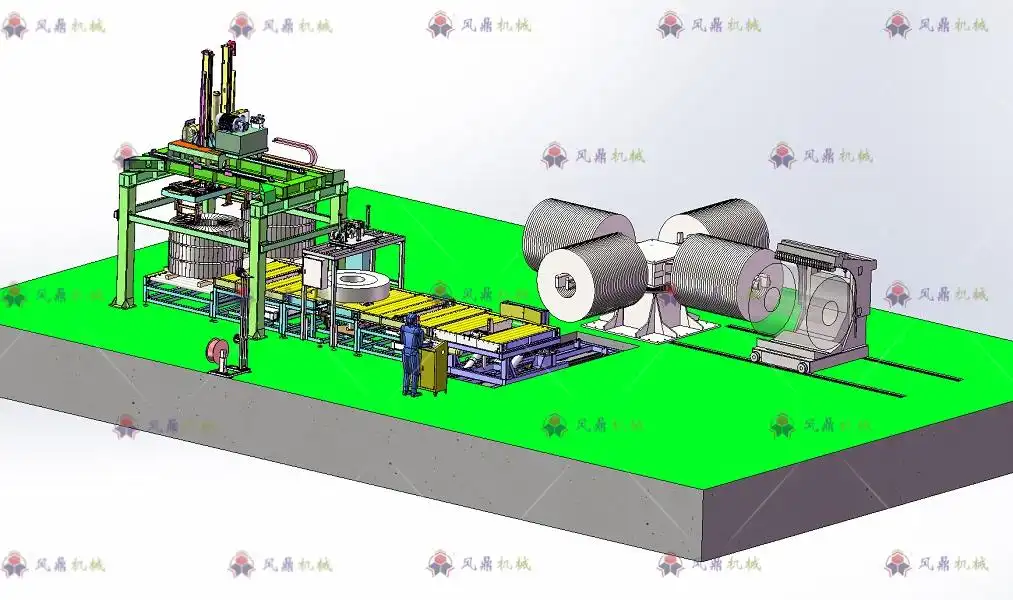
A modern steel coil packaging line is an integrated, automated system designed to handle heavy, large-diameter steel coils with various finishes, providing robust protection through processes like strapping, wrapping, and labeling, and often incorporating specialized handling equipment for seamless integration into existing production workflows.

As someone who started on the factory floor and then built a successful packing machine company, I have seen first-hand how much a well-designed steel coil packaging line can transform a business. These lines are not just about machines; they are about creating a continuous, safe, and high-quality process for a crucial product. They solve problems like high labor costs and inconsistent packaging.
-
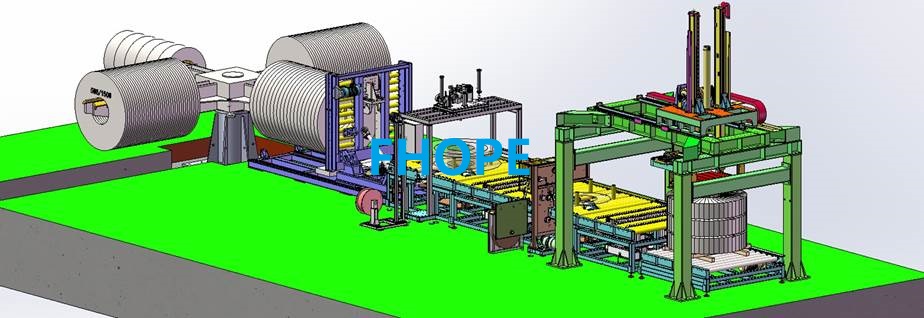
Understanding the Components of a Steel Coil Packaging Line: A comprehensive steel coil packaging line is much more than a single machine. It is a carefully engineered sequence of equipment. This sequence works together to prepare, protect, and handle large steel coils. For instance, Ivan needs to manage cold-rolled, galvanized, and pre-painted coils, each with specific requirements. A modular line can adapt to these different needs.
- Coil Handling and Conveying: This involves robust coil cars, up-enders, and heavy-duty conveyors. These systems safely move coils from the production line to the packaging stations. They manage coils weighing 1 to 3 tons and varying diameters. This reduces manual intervention, which is a key safety concern for Ivan’s team. (heavy coil handling)
- Strapping Stations (PET/Steel): These apply high-tension strapping, either PET or steel, around the coil. They secure the layers and prevent movement during transport. The systems can be fully automatic, adjusting to different coil widths and outer diameters. This consistency is crucial for export clients who demand tight, secure packaging. (automatic coil strapping)
- Wrapping Machines (Stretch/Shrink/VCI): These machines wrap the entire coil with protective film. This film can be stretch film for general protection, shrink film for a tighter seal, or VCI (Volatile Corrosion Inhibitor) film for rust prevention. For Ivan, who needs anti-rust and anti-scratch packaging, this is a critical element. Automatic tension control ensures consistent wrap quality. (moisture protection wrapping)
- Labeling and Marking: Automated label applicators attach barcodes, product information, or customer-specific labels. This ensures traceability and meets specific customer requirements, such as CE/ISO certification and barcode applications for export. This reduces human error and speeds up inventory management. (automated coil labeling)
- Stacking and Palletizing: Some lines include automated stacking or palletizing solutions. These prepare coils for storage or direct loading onto trucks. This further reduces manual labor and improves safety in the dispatch area. (automated coil stacking)
These integrated systems ensure that even under high production volumes, packaging quality remains consistent. They also significantly reduce the risk of workplace injuries compared to manual processes. My experience has shown me that investing in such a line pays off in the long run. It reduces costs, improves client satisfaction, and protects your reputation. (integrated packaging solutions)
How Does a Wire Coil Packing Solution Differ in Design and Application?
Are you mistaking the packaging needs of small wire coils for those of heavy steel coils? Applying a “one size fits all” approach to packaging can lead to inefficient operations and damaged products. Many businesses do not realize the distinct design and application differences between solutions for wire and steel coils. This misunderstanding can cause major operational headaches. (wire vs steel coil packaging)
A wire coil packing solution is specifically engineered for the lighter weight, smaller diameters, and often continuous lengths of wire products, typically focusing on compact wrapping and bundling to prepare coils for bulk transport or retail, contrasting sharply with the robust handling and heavy-duty protection required for large steel coils.
My journey in the packing machine industry taught me that specialization is key. While both systems deal with coiled materials, their fundamental design philosophies diverge. A wire coil solution aims for speed and compactness for smaller items, while a steel coil solution prioritizes strength, stability, and comprehensive protection for massive, valuable industrial goods. We at FHOPEPACK understand these unique requirements deeply.
-
Key Differences in Design and Application: Understanding the specific design choices for wire coil solutions highlights why they are less flexible for steel coils. These differences stem from the material properties, weight, and intended use of the finished product.
- Coil Size and Weight Capacity: Wire coils are typically much smaller and lighter than steel coils. A wire coil might range from a few kilograms to a few hundred kilograms. In contrast, steel coils, as Ivan handles, are 1 to 3 tons or more. Wire coil machines have lighter frames and less powerful handling mechanisms. They are not built to withstand the stresses of heavy steel coils. Trying to use them for steel coils would quickly lead to equipment failure and safety risks. (light duty vs heavy duty packing)
- Packaging Material and Method: Wire coil packing often involves plastic film wrapping, light strapping, or bundling for small, manageable units. The goal is to keep the wire neatly coiled and protected from minor abrasions. Sometimes, multiple small wire coils are bundled together. For steel coils, the packaging must provide structural integrity and extreme protection against moisture, rust, and physical impact. This means heavy-duty steel or PET strapping, robust stretch or shrink films, and often VCI protection. (coil protection methods)
- Automation and Integration Complexity: Wire coil solutions can be highly automated, but their integration with upstream processes is usually simpler. They often receive coils directly from wire drawing or coiling machines. A steel coil line needs sophisticated integration with rolling mills or slitting lines. This involves managing diverse coil types, automated coil turning, and precise positioning for heavy-duty operations. Ivan’s need for seamless integration with a complex production line points to the advanced capabilities of steel coil lines. (integrated automation solutions)
- Safety Features: While safety is paramount in all machinery, the risks associated with handling multi-ton steel coils are significantly higher. Steel coil lines incorporate massive safety barriers, interlocks, and emergency stop systems designed for industrial heavy lifting. Wire coil solutions have safety features appropriate for lighter loads, but they lack the engineering required for the sheer force and weight involved in steel coil handling. (industrial safety standards)
These distinctions are critical. A wire coil solution provides excellent value and efficiency for its intended purpose. However, it simply cannot meet the structural, safety, and protection demands of a steel coil operation. Recognizing this ensures you invest in the right technology for your specific manufacturing needs, avoiding costly mistakes and maximizing operational benefits. (specialized packaging machinery)
Which System Offers Superior Adaptability for Varied Coil Specifications?
Does your current packaging process struggle to keep up with the diverse range of products your factory produces? Many production managers face this challenge. They need to switch between different coil sizes, materials, and packaging styles. This often results in manual adjustments, production delays, and inconsistent quality. It is a significant barrier to efficient operations. (adapting packaging to product diversity)
For operations with varied coil specifications, a dedicated steel coil packaging line offers superior adaptability due to its robust design, modular components, and advanced control systems that can automatically adjust to wide ranges of coil diameters, widths, weights, and material types, making it far more flexible than a specialized wire coil solution.
My experience building FHOPEPACK taught me that adaptability is paramount in industrial packaging. Factories rarely produce a single, uniform product. They often handle various sizes, materials, and customer requirements. A truly flexible solution, like a modern steel coil packaging line, is designed with this complexity in mind. It ensures that changing product specifications do not become a bottleneck.
-
Adaptability to Diverse Coil Specifications: Ivan’s steel plant produces cold-rolled, galvanized, and pre-painted coils, each with different packaging needs. His coils vary in weight from 1 to 3 tons, and their inner and outer diameters change. This diversity is a major challenge. The right packaging line must handle these variations seamlessly.
-
Handling Coil Dimensions (Diameter, Width, Weight):
- Steel Coil Lines (e.g., FHOPEPACK): These systems are engineered with heavy-duty components that can accommodate a vast range of coil dimensions. Automatic centering devices, adjustable conveyor widths, and variable-speed wrapping machines allow for quick transitions between different coil sizes. For instance, a single FHOPEPACK line can typically handle inner diameters from 508mm to 610mm, outer diameters up to 2000mm, and weights up to 30 tons. The control system automatically detects coil parameters and adjusts the strapping and wrapping sequences. This significantly reduces manual setup time.
- Wire Coil Solutions: These are built for much smaller and lighter coils. Their conveying and clamping mechanisms have limited adjustment ranges. They cannot physically handle the weight or dimensions of a typical steel coil. Attempting to force larger coils into a wire system would lead to damage to both the coil and the machine. (coil size adaptability)
-
Material and Surface Adaptability:
- Steel Coil Lines: These lines often feature specialized handling surfaces (e.g., rubber-coated rollers) to prevent scratching delicate coil surfaces like pre-painted or galvanized steel. They can apply various packaging materials—PET strapping for cost-effectiveness, steel strapping for maximum security, VCI film for corrosion protection, and heavy-duty stretch film for weatherproofing. The control systems allow easy programming for different recipes based on the coil material and customer requirements.
- Wire Coil Solutions: These typically use simpler handling and packaging materials, as wire surfaces are generally less sensitive to scratching. Their primary focus is on bundling and basic protection, not on anti-corrosion or heavy-duty surface preservation. (material handling flexibility)
-
Packaging Method Versatility:
- Steel Coil Lines: A full steel coil line offers immense versatility in packaging methods. It can integrate multiple strapping heads, different wrapping technologies (orbital, horizontal, vertical), and automated labeling. This means one line can fulfill diverse customer demands, from simple strapping to export-grade waterproof and tamper-evident packaging with barcode tracking. Ivan’s need for PET/steel strapping, moisture-proof wrapping, and automatic labeling is perfectly met by such a versatile system.
- Wire Coil Solutions: Packaging methods are usually limited to simple wrapping, bundling, and sometimes light strapping. They lack the advanced, multi-layer protection capabilities required for high-value steel coils that undergo long-distance transport or require specific environmental protection. (packaging method versatility)
A robust steel coil packaging line, designed with modularity and intelligent controls, is the clear winner for adaptability. It provides the flexibility to manage varied production without compromising efficiency or quality. This ensures that your investment continues to meet evolving market demands and keeps your operations running smoothly. (flexible packaging machinery)
-
Can These Solutions Significantly Enhance Workplace Safety and Efficiency?
Is your packaging department a constant source of safety concerns and production slowdowns? Many factories still rely on manual handling for heavy products. This creates a high risk of injury and labor-intensive processes that limit output. Production managers like Ivan are acutely aware of the dangers and inefficiencies associated with manual packaging. They desperately need safer, faster methods. (manual packaging risks)
Automated packaging solutions, particularly advanced steel coil packaging lines, dramatically enhance workplace safety by eliminating manual heavy lifting and repetitive tasks, and they significantly boost efficiency through continuous, high-speed operations, consistent quality, and reduced human error, outperforming manual processes by a wide margin.

Safety and efficiency are not just buzzwords; they are fundamental pillars of a successful factory. I built FHOPEPACK on the principle that machinery should make work safer and more productive. When I see outdated, manual processes, I know there is a better way. Modern packaging lines are engineered to mitigate risks and maximize throughput, directly addressing Ivan’s core challenges of labor shortage and safety.
-
Impact on Workplace Safety and Efficiency: Ivan’s goals include improving automation levels, ensuring safe production by replacing manual lifting and turning, and optimizing packaging quality while reducing overall costs. This directly points to the benefits of automated systems.
- Safety Enhancements:
- Elimination of Manual Handling: The most significant safety benefit is removing human workers from direct contact with heavy, moving coils. Automated coil cars, up-enders, and conveyors handle all lifting and turning. This drastically reduces the risk of crushing injuries, strains, and falls. Ivan’s challenge of high labor intensity and potential injuries is directly solved.
- Controlled Environments: Automated lines operate within guarded areas with safety interlocks. These prevent unauthorized access during operation. Emergency stop buttons are strategically placed. This creates a much safer working environment compared to crowded manual stations where workers are close to heavy machinery.
- Reduced Repetitive Strain: Manual strapping and wrapping are physically demanding tasks that can lead to repetitive strain injuries. Automation eliminates these tasks, allowing workers to focus on supervision and maintenance, which are less physically taxing. (industrial automation safety)
- Efficiency Gains:
- Consistent Throughput: Automated lines operate at a continuous, predefined speed. They do not get tired or make mistakes. This ensures a steady output rate, essential for Ivan’s hundreds of tons of daily shipments. It prevents bottlenecks in the dispatch area.
- Faster Cycle Times: Machines perform tasks much faster than humans. Automated strapping can apply multiple bands in seconds. Wrapping machines complete cycles in minutes. This dramatically reduces the time each coil spends in the packaging process. It means coils move from the production line to the warehouse or truck much more quickly.
- Reduced Labor Dependency: With automation, fewer workers are needed for the packaging line. This addresses Ivan’s challenge of labor shortages and high turnover rates for physically demanding roles. Existing staff can be repurposed for higher-value tasks or allocated to other critical areas of the plant.
- Optimized Material Usage: Automated systems apply packaging materials with precision, minimizing waste. They control film tension and strapping force consistently. This reduces material overruns and ensures packaging integrity, which contributes to lower overall costs. (packaging line efficiency)
For Ivan, the shift from manual to automated packaging means a significant reduction in accidents and a substantial increase in output. It is a win-win scenario that improves both employee well-being and the factory’s productivity. FHOPEPACK has always focused on delivering solutions that achieve these dual goals for our clients. (automated packaging benefits)
- Safety Enhancements:








