
What Benefits Do Pallet Changers Offer for Beverage and Brewery Operations?
In the fast-paced world of beverage and brewery operations, every minute counts. Manual pallet handling, with its slow pace, safety risks, and potential for product damage, can feel like a constant battle. Are you constantly grappling with inefficient pallet changes, struggling to meet tight delivery schedules, or worried about workplace injuries? Many industry leaders share these concerns, knowing that outdated methods can quickly turn a profitable operation into a logistical nightmare.
Pallet changers revolutionize beverage and brewery logistics by significantly boosting efficiency, enhancing workplace safety, and reducing operational costs. They streamline the process of swapping pallets, whether for hygiene, repair, or different destination requirements, ensuring smooth product flow and compliance with diverse international standards. %[Pallet changing machine for beverage industry]( “Automated pallet changing machine for beverage production”)
As someone who built a packing machine factory from the ground up, I’ve seen firsthand how the right equipment can transform a business. The challenges you face in beverage and brewery operations are unique, demanding robust and reliable solutions. Let’s dive deeper into the specific ways pallet changers can bring tangible benefits to your unique operational environment.
Why are diverse pallet types a problem for beverage operations?
Beverage and brewery companies often deal with a complex web of logistics. One major headache is the sheer variety of pallet types. From Euro pallets to US standard pallets, plastic hygiene pallets to sturdy wooden ones, the constant need to switch can halt your operations. This diversity creates friction points that slow down your entire supply chain.
Diverse pallet types in beverage operations lead to significant inefficiencies, compliance issues, and increased manual labor. The necessity to frequently switch between different pallet standards, such as for international shipping or internal sanitation, without automated solutions, directly impacts throughput and raises costs.

Imagine a typical day at a large European distribution center for a global food and beverage group, similar to what my clients often describe. Thousands of pallets move in and out daily. Your company might import ingredients on one type of pallet, then need to transfer finished products onto another for export. For instance, European standard pallets (1200x800mm) are common for inbound goods, but if you’re shipping to North America, you’ll need to transfer those products onto American standard pallets (48×40 inches). Manually performing these changes is not only time-consuming but also prone to errors. Workers must physically unload and reload, or use unsafe methods to transfer goods. This process can cause bottlenecks at loading docks, delay shipments, and even lead to missed delivery windows, incurring costly penalties. Furthermore, food and beverage products often require specific hygiene standards. A wooden transport pallet might not be suitable for cold storage or direct contact with certain products. You then need to transfer goods onto plastic, food-grade pallets for internal warehousing or processing. Pallet changers automate this entire process, handling different sizes and materials with precision. They ensure your operations remain agile, compliant, and efficient, no matter the pallet standard or hygiene requirement. This adaptability is critical for companies that operate across international borders or maintain strict internal quality controls. (diverse pallet solutions)
How do pallet changers improve warehouse efficiency and throughput?
In a high-volume industry like beverages and brewing, efficiency is king. Every second saved translates into increased output and faster delivery times. Manual pallet handling is a bottleneck, plain and simple, creating chokepoints in your workflow.
Pallet changers dramatically boost warehouse efficiency and throughput by automating the pallet transfer process, reducing manual labor, and eliminating bottlenecks at critical points like loading docks and storage areas. This leads to quicker turnaround times for goods and optimized use of warehouse space.
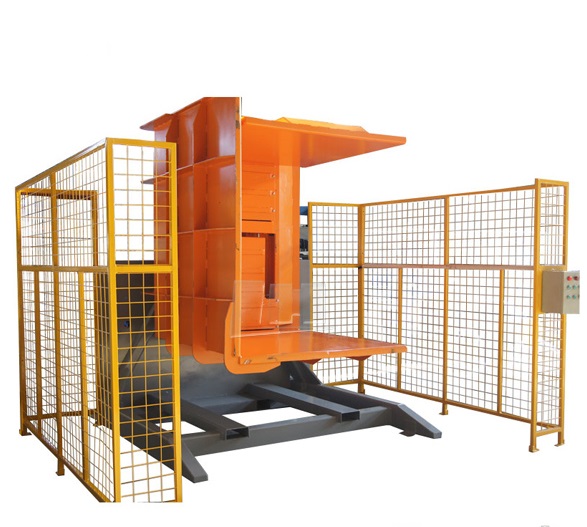
I’ve personally seen warehouses where pallet changes were the weakest link. Products would pile up, waiting for labor-intensive manual transfers. This wasn’t just about speed; it was about maximizing the flow of goods. Pallet changers enable continuous operation without significant interruptions. Consider a beverage bottler preparing for a peak season. They need to rapidly move finished products from production lines onto shipping pallets. An automated pallet changer can process dozens of pallets per hour, far exceeding manual capabilities. This constant, high-speed flow prevents backlogs, ensuring that products are ready for dispatch as soon as they’re produced. This also optimizes inventory management. When pallets can be switched quickly, goods spend less time in staging areas. This frees up valuable floor space, which is often at a premium in busy warehouses. For breweries, this means more space for brewing tanks or packaging lines, rather than just storage. Automated systems can also be integrated into existing conveyor systems or fully automated warehouses, creating a seamless material flow from inbound raw materials to outbound finished goods. This level of automation means your operational rhythm is smooth, predictable, and significantly faster, allowing you to meet even the most demanding customer schedules and seasonal spikes without stress. (warehouse automation efficiency)
Can pallet changers truly enhance safety in busy breweries?
Safety should always be a top priority, especially in an environment like a brewery where heavy loads and fast-moving operations are common. Manual pallet changes often involve risky maneuvers, putting your valuable team members in harm’s way. This leads to accidents and increased insurance costs.
Yes, pallet changers significantly enhance safety in busy breweries and beverage plants by eliminating hazardous manual handling tasks. They prevent common workplace injuries associated with heavy lifting, awkward movements, and falling loads during pallet transfers, creating a safer environment for workers.

When I first started in the packing machine industry, workplace safety was a constant learning curve. I witnessed firsthand how crucial reliable machinery is to prevent accidents. Manual pallet changing in a brewery or beverage plant presents numerous safety hazards. Workers often have to manually rotate heavy stacks of beer cases or beverage bottles, sometimes weighing over a ton. This can lead to severe back injuries, strains, and sprains. Imagine trying to flip a pallet of glass bottles; even a slight imbalance can cause the entire load to collapse, leading to product damage and, more critically, serious injuries from broken glass or falling heavy items. Forklift operators, while moving pallets for manual switching, also face risks of collisions or dropping loads. Pallet changers, whether 90-degree tippers, 180-degree inverters, or mobile units, automate these dangerous steps. They securely clamp the load, invert or transfer it mechanically, removing the need for human intervention in hazardous zones. This reduces the risk of musculoskeletal disorders, crushing injuries, and product-related accidents. By minimizing human exposure to heavy machinery and unstable loads, companies not only protect their employees but also reduce costly workers’ compensation claims, lost workdays, and potential legal liabilities. This commitment to safety also improves employee morale and retention, creating a more positive and productive work environment. (occupational safety improvements)
What cost savings can beverage companies expect from automating pallet handling?
Every business owner knows that the bottom line is crucial. In the beverage industry, labor costs are constantly rising, and the hunt for efficient ways to cut operational expenses without sacrificing quality is never-ending. Manual pallet handling is a hidden drain on your resources.
Automating pallet handling with pallet changers offers beverage companies substantial cost savings by reducing reliance on manual labor, minimizing product damage, and improving overall operational efficiency. These savings contribute to a stronger financial performance and a better return on investment.
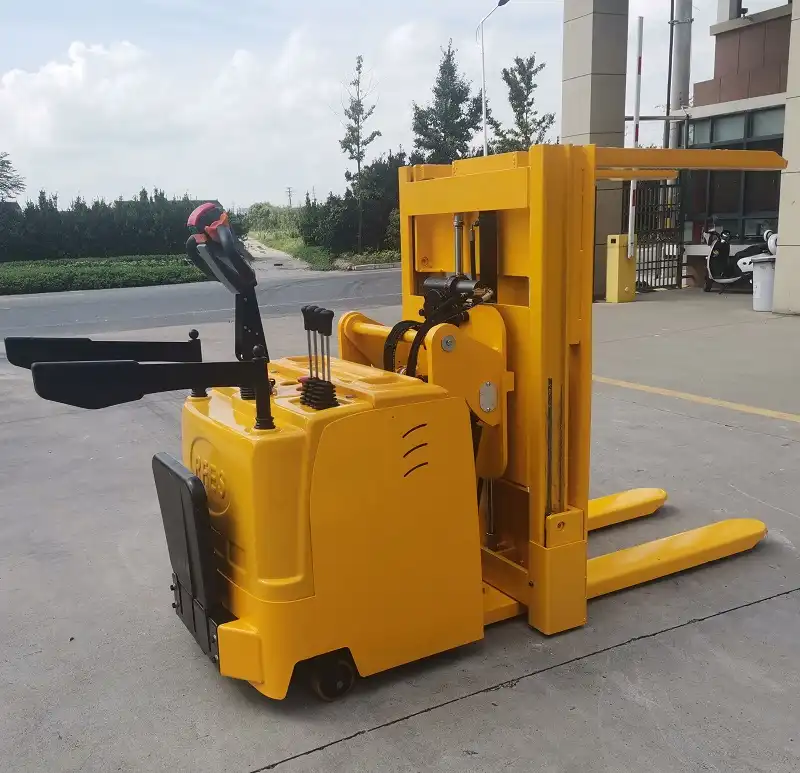
From my experience building a successful factory, I learned that upfront investment in automation often leads to significant long-term savings. Manual pallet changes require multiple workers, especially for heavy or delicate loads. Wages, benefits, and the increasing difficulty of finding labor willing to do physically demanding jobs add up quickly. A single automated pallet changer can often do the work of several employees, reallocating human resources to more value-added tasks. Let’s look at a concrete example. Consider a company processing 100 pallets a day with a manual system. If each pallet takes 15-20 minutes for two workers to change, that’s 50-66 worker-hours per day. An automated system can reduce this to just a few minutes per pallet, often requiring only one operator to monitor. This drastic reduction in labor hours translates directly into salary savings. Beyond labor, automation significantly cuts down on product damage. Manual handling, especially with fragile items like glass bottles or easily punctured cartons, leads to breakages and spoilage. Pallet changers securely hold loads, minimizing movement and impact, preserving product integrity. This means fewer damaged goods, less waste, and no need for costly re-packaging. Furthermore, faster throughput means less inventory holding time, reducing storage costs. Over time, the accumulated savings in labor, reduced damage, and improved efficiency make a compelling case for the initial investment in pallet changers, providing a clear return on investment. (ROI automation)
How do pallet changers ensure product integrity and compliance?
Maintaining product integrity and adhering to strict compliance standards are non-negotiable in the beverage industry. Any compromise can lead to costly recalls, regulatory fines, and irreparable damage to your brand’s reputation. Manual pallet handling, unfortunately, introduces numerous risks to both.
Pallet changers are crucial for ensuring product integrity and compliance in beverage operations by providing a gentle, secure, and standardized method for transferring goods. They prevent contamination, minimize damage during handling, and facilitate adherence to hygiene regulations and specific destination pallet requirements.
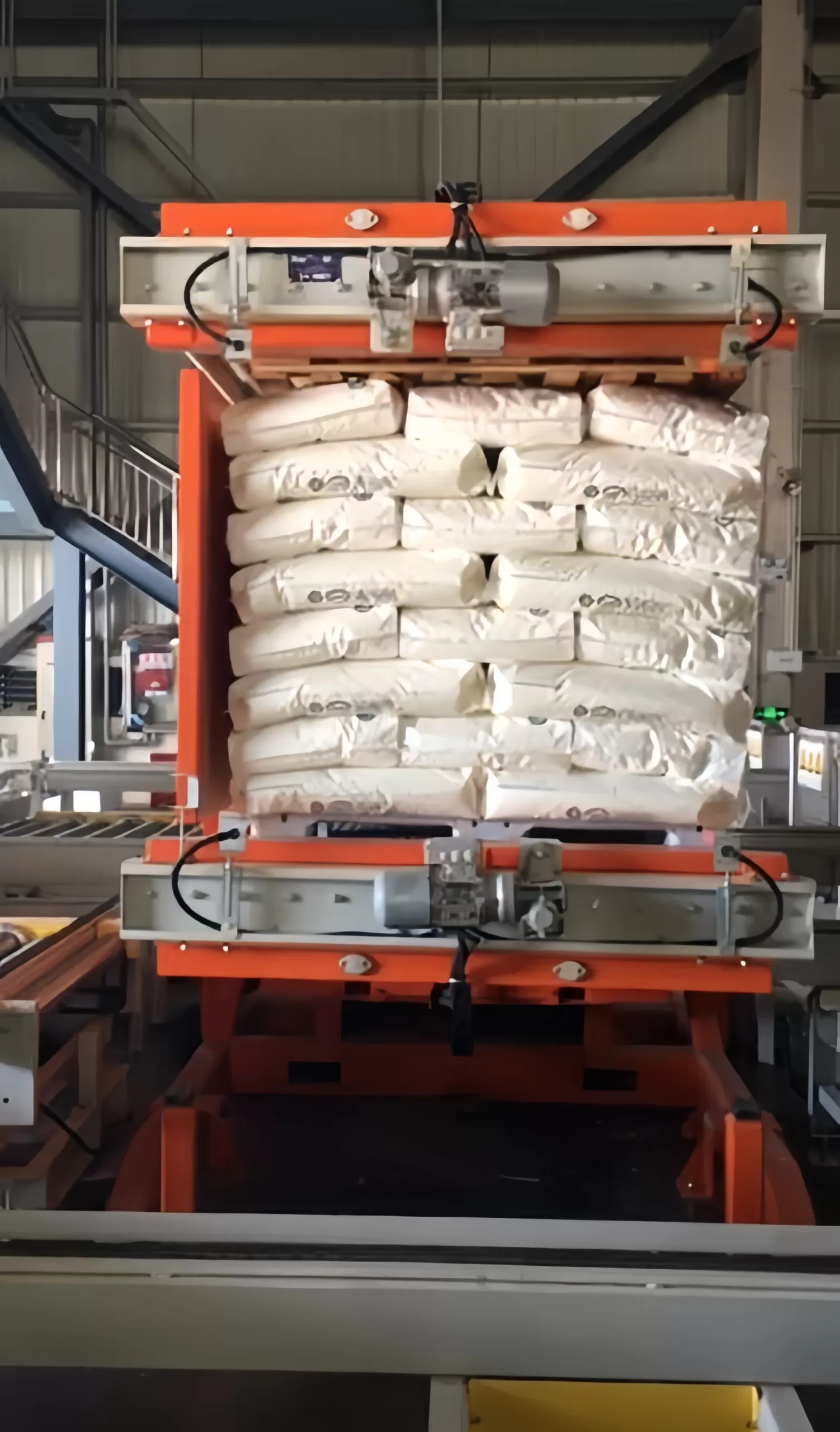
I’ve worked with many clients in the food and beverage sector who understand that product safety isn’t just a recommendation; it’s a legal and ethical imperative. In beverage operations, product integrity starts with preventing contamination. For example, some regulations require that finished goods are not stored or shipped on wooden pallets that may harbor pests or splinters. Pallet changers allow for easy transfer from potentially unsanitary inbound pallets to clean, plastic, food-grade pallets for storage, production areas, or outbound shipping. This critical step ensures that your products remain free from contaminants. Moreover, manual handling risks physical damage to products. Imagine delicate glass bottles or multi-pack cartons. Dropping or mishandling a stack during a manual pallet change can lead to breakages, leaks, or crushing. Pallet changers provide a stable, controlled environment for the transfer. They grip the load firmly, often with adjustable pressure, ensuring that the product itself is not stressed or damaged. This precision maintains the quality and presentation of your finished goods, reducing the number of unsellable items. Compliance extends to meeting specific client or country requirements for pallet types. Pallet changers facilitate quick changes to ISPM 15 heat-treated pallets for international export or specific customer-preferred plastic pallets, avoiding border delays, fines, and customer dissatisfaction. This proactive approach to handling ensures your products reach their destination in perfect condition, every time, meeting all necessary standards. (food safety compliance)
Why is choosing the right pallet changer partner crucial for long-term success?
Investing in automation is a significant decision. You’re not just buying a machine; you’re investing in a solution that will underpin your operations for years. Choosing the wrong supplier can turn a promising investment into a long-term headache.
Selecting the right pallet changer partner is crucial for long-term success because it guarantees reliable equipment, expert technical support, and tailored solutions that evolve with your operational needs. A true partner understands your challenges and provides comprehensive after-sales service, preventing costly downtime and optimizing performance.
When I founded FHOPEPACK, my vision was to be more than just a packing machine supplier. I wanted to be a partner who understood the client’s journey, having walked a similar path myself. Many suppliers simply sell a machine and then disappear. But in industries like beverage and brewing, where uptime is critical, you need a partner who offers genuine support. For example, if your pallet changer breaks down during a peak production period, every hour of downtime means lost revenue. A good partner, like FHOPEPACK, provides rapid response, readily available spare parts, and skilled technicians who can troubleshoot complex issues quickly. This level of support ensures that your operations stay running smoothly. Furthermore, a true partner doesn’t offer a one-size-fits-all solution. Your brewery might have unique space constraints, specific product handling requirements, or integrate with existing legacy systems. A knowledgeable partner will work with you to understand these nuances, designing or recommending a pallet changer system that perfectly integrates into your workflow. This consultative approach ensures that the solution is optimized for your specific needs, not just a generic offering. We, at FHOPEPACK, pride ourselves on understanding the specific pain points of our clients, offering not just machines but flexible solutions. We aim to be a long-term collaborator, ensuring your investment continues to deliver value and adapt as your business grows. When looking for a solution, prioritize partners who demonstrate deep industry knowledge, a commitment to after-sales service, and a willingness to truly understand your operational challenges. (reliable machinery supplier)
Conclusion
Pallet changers are transformative for beverage and brewery operations, delivering enhanced efficiency, improved safety, and significant cost savings. By addressing diverse pallet needs and compliance, they ensure smooth, profitable operations. Partnering with experts like FHOPEPACK, who understand your challenges, ensures you invest in a robust pallet inverter solution for lasting success.








