
How Do Mobile Pallet Changers Compare to Pit-Mounted Units?
Do you ever feel like your warehouse operations are constantly battling a time crunch, especially when it comes to pallet transfers? I know the feeling. In the world of logistics, efficiency is king, but achieving it often means overcoming significant hurdles like diverse pallet sizes, rising labor costs, and constant safety concerns. Many businesses, just like Carlos’s multinational food and beverage group in Europe, struggle with the daily challenge of moving thousands of pallets, frequently needing to switch between different standards like Euro and US pallets. This kind of work can quickly become a bottleneck, leading to delays, fines, and unhappy customers. [warehouse pallet challenges]
Mobile and pit-mounted pallet changers represent two core solutions for automated pallet transfer, each offering distinct advantages based on a facility’s specific operational needs and layout. Mobile units provide unmatched flexibility for multi-location use without fixed installation, making them ideal for dynamic environments or temporary needs. In contrast, pit-mounted systems offer high-volume, seamless integration into existing conveyor lines, delivering consistent efficiency in dedicated, high-throughput areas. Selecting the right type depends on your required mobility, installation capabilities, and daily pallet handling volume.
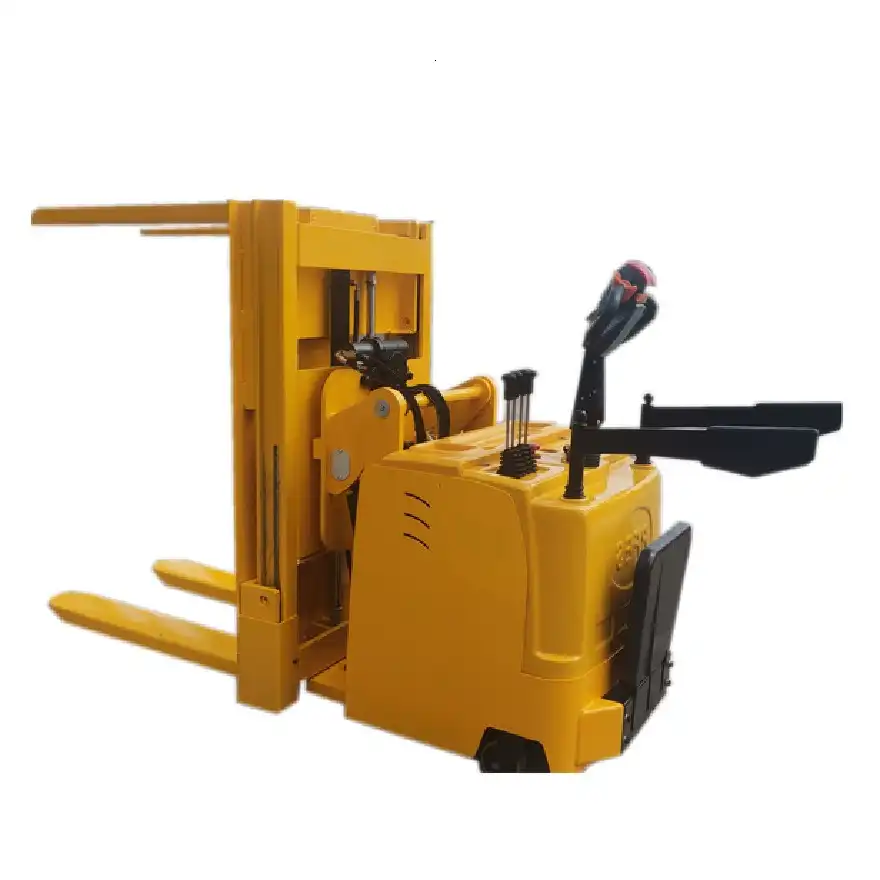
Understanding the differences between these two powerful tools is crucial for any warehouse manager or supply chain leader looking to optimize their processes. This article will help you decide which system best fits your unique operational challenges, whether you need the adaptability of a mobile unit or the robust integration of a pit-mounted solution. Let’s dive in and explore how each option can transform your pallet handling. [automated pallet transfer solutions]
What is a Mobile Pallet Changer and How Does it Work?
Are your current pallet handling methods causing bottlenecks and safety risks, especially when you need to switch pallets in different areas of your facility? Many operations face this exact problem. Manual pallet changes are slow, labor-intensive, and prone to accidents, directly impacting your throughput and increasing the risk of injury. It is a common pain point for logistics managers like Carlos, who deal with diverse pallet specifications and labor shortages. [manual pallet handling problems]
A mobile pallet changer is a versatile, self-contained unit designed to transfer goods from one pallet type to another, or from a damaged pallet to a new one, without being permanently fixed to the ground. These machines typically use hydraulic systems or clamps to secure the load and perform a tilt, push-pull, or side-to-side transfer, allowing them to be easily moved to different areas of a warehouse or production facility as needed. This portability makes them highly adaptable for varied operational demands and changing layouts.
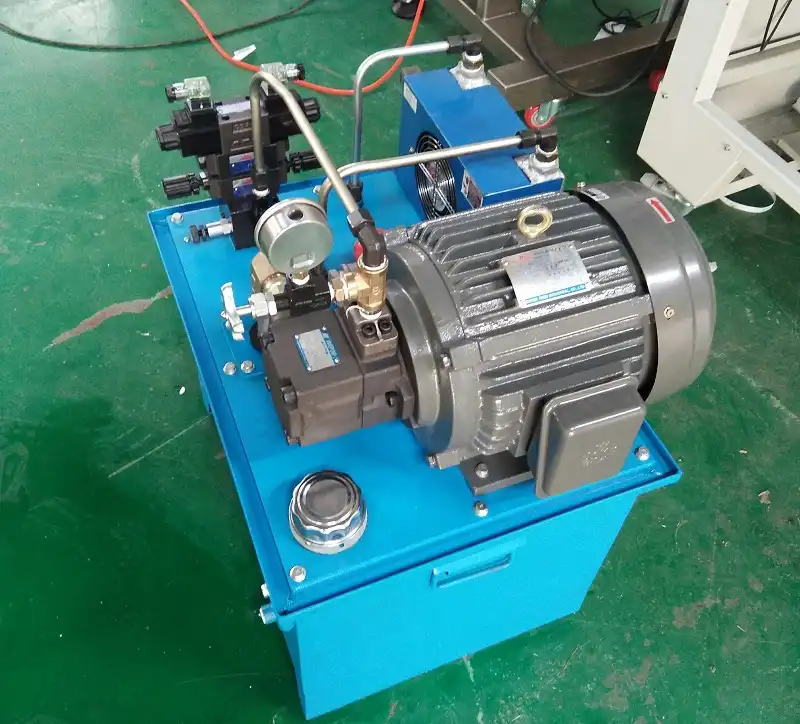
Mobile pallet changers bring a new level of flexibility to warehouse operations. When I first started in the packing machine industry, I saw many smaller operations that simply could not afford or justify a large, fixed installation. Mobile units were a game-changer for them. They allow businesses to address specific pallet transfer needs without committing to a fixed layout. This is especially useful for companies that manage multiple product lines or have varying daily demands. They are also excellent for temporary projects or overflow situations. [flexible pallet transfer needs]
- Operation Principles: Most mobile pallet changers operate by either gripping the product from the top or sides, then lifting and rotating it. Some models can also perform a precise push-pull action to slide the load onto a new pallet. This process is fully controlled by an operator using a remote or integrated control panel. The machine secures the goods firmly, ensuring product integrity during the transfer. This minimizes the risk of damage, which is a major concern for delicate food products.
- Versatility on the Go: The main benefit of mobile units is their ability to be moved using a forklift or pallet jack. This means you can use one machine to service multiple lines, different warehouse zones, or even various facilities. If your business is growing or your layout changes often, this adaptability is invaluable. Carlos, for example, might need to switch pallets for export in one area, then handle incoming goods in another. A mobile unit supports this fluid requirement.
- No Fixed Installation: Unlike their pit-mounted counterparts, mobile pallet changers do not require any specialized groundwork or permanent installation. You simply position them where needed, connect to power, and begin operations. This significantly reduces initial setup costs and avoids disruptions to your facility’s infrastructure. It is a quick and straightforward way to integrate automation.
- Addressing Labor Challenges: With labor becoming scarce and expensive, especially for strenuous tasks like manual pallet flipping, mobile pallet changers offer a practical solution. They automate a task that traditionally requires significant manual effort, reducing reliance on human labor. This helps to lower operational costs and frees up staff for more value-added activities. It also directly addresses Carlos’s challenge of rising labor costs and the reluctance of younger workers to perform physically demanding tasks. [mobile pallet changer benefits]
What is a Pit-Mounted Pallet Changer and How Does it Operate?
Are you looking for a robust, integrated solution to handle high volumes of pallet changes seamlessly within your existing material flow? Many large distribution centers or manufacturing plants require a continuous, high-speed pallet transfer process that simply cannot be interrupted. The thought of delays due to inefficient pallet changes, especially with thousands of pallets moving daily, can keep any logistics manager up at night. This is where dedicated, fixed systems come into play. [high-volume pallet transfer]
A pit-mounted pallet changer is a stationary unit installed directly into the floor of a warehouse or production facility, creating a flush surface for smooth material flow. These systems are typically integrated into conveyor lines, allowing pallets to move directly into the changer, where goods are automatically transferred to a new pallet type or condition before continuing down the line. They are engineered for high-throughput, continuous operation and maximum stability, making them ideal for large-scale, automated logistics environments.
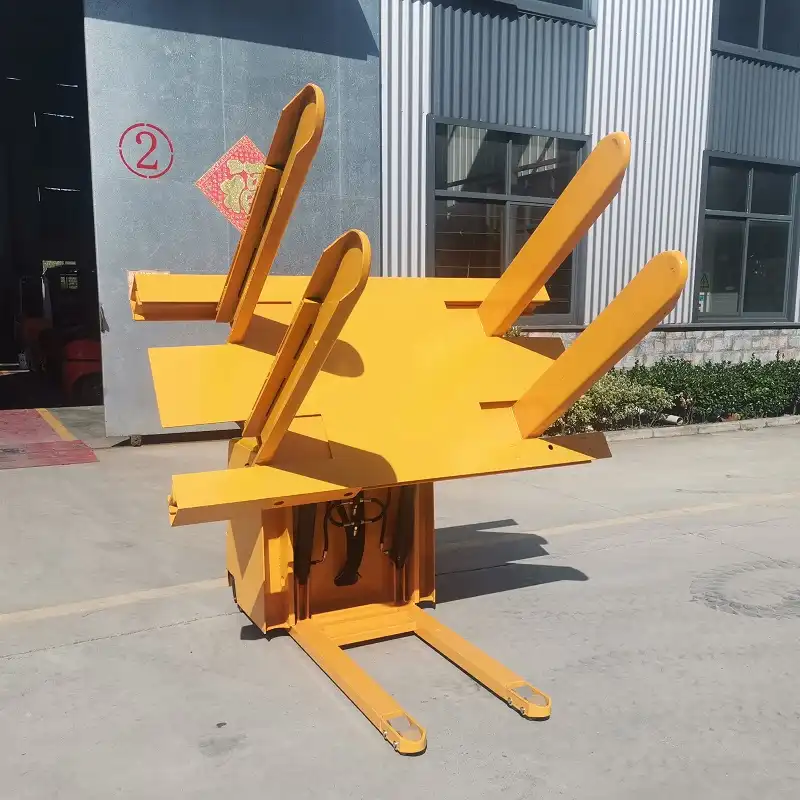
When I was building my packing machine factory, I saw how essential dedicated, fixed equipment was for high-volume operations. Pit-mounted pallet changers are designed for just this purpose. They are workhorses that become an integral part of your building’s infrastructure. Think of them as an embedded solution that enhances your overall system. They are not about moving the machine; they are about moving pallets through the machine as smoothly and quickly as possible. [integrated pallet exchange systems]
- Seamless Integration: The primary advantage of a pit-mounted system is its ability to integrate directly into existing conveyor systems or automated lines. This means pallets can flow in and out of the changer without any manual intervention, creating a truly hands-free process. For Carlos’s operation, which handles thousands of pallets, this level of automation ensures consistent speeds and eliminates potential bottlenecks.
- High Throughput and Speed: Designed for continuous operation, pit-mounted pallet changers excel in environments where high volumes of pallets need to be processed quickly. Their stable, heavy-duty construction allows for faster cycles and reduces wear and tear from constant movement, ensuring long-term reliability. This directly contributes to shorter delivery cycles and helps meet demanding customer expectations.
- Enhanced Safety: Because the unit is installed flush with the floor, there are no ramps or elevated platforms, which reduces trip hazards and equipment collisions. The automated nature of these systems also minimizes human interaction with heavy machinery, significantly lowering the risk of workplace accidents. This aligns perfectly with Carlos’s focus on improving safety and reducing injury risks, which have already led to incidents in his facility.
- Dedicated Functionality: A pit-mounted pallet changer serves a specific purpose in a fixed location. This specialization allows for highly optimized processes tailored to your exact pallet change requirements, whether it is for export compliance, hygiene, or damaged pallet replacement. The system becomes a dedicated workstation for pallet transformation. It makes sure that pallet changes are handled reliably and consistently, avoiding costly delays and potential contract penalties. [pit-mounted pallet changer benefits]
Which Type Offers Greater Flexibility and Adaptability?
Are you wondering if your pallet changing solution can keep pace with your evolving business needs, especially with diverse product lines and changing market demands? Many logistics operations face the constant challenge of adapting to new pallet standards, handling different product weights, or simply reconfiguring their warehouse layout. The ability to pivot quickly can define success in today’s fast-moving supply chain. [adaptive warehouse solutions]
When evaluating flexibility and adaptability, mobile pallet changers generally offer superior versatility due to their portability, allowing them to be deployed in various locations as operational needs shift. They accommodate changes in warehouse layout or processing requirements without costly reinstallation. Pit-mounted units, while highly efficient in their fixed location, inherently lack this spatial flexibility, making them more suited for stable, high-volume operations with consistent pallet flow.

In my journey, I’ve seen countless companies, big and small, pivot and adapt. The most successful ones have tools that can change with them. This is where the core difference in flexibility between mobile and pit-mounted units truly shines. It is not about one being better, but about which one empowers your business to adapt more effectively to its specific environment. [warehouse equipment adaptability]
- Operational Mobility:
- Mobile Pallet Changers: These machines are built for movement. You can relocate them with a forklift or pallet jack to wherever a pallet change is needed. This is perfect for operations with multiple loading docks, segregated processing areas, or facilities that frequently reconfigure their layout. For Carlos, who might have seasonal changes in export volume or needs to service different lines, a mobile unit offers the agility to meet these fluctuating demands.
- Pit-Mounted Pallet Changers: Once installed, these units are permanent fixtures. Their flexibility is within their operation, not their location. They are ideal for dedicated pallet exchange stations that are a fixed part of a continuous process flow, like a main inbound or outbound conveyor line. They offer consistent performance in a stable environment.
- Product and Pallet Versatility:
- Mobile Pallet Changers: Many mobile models are designed to handle a wide range of pallet sizes and types (e.g., wood, plastic, Euro, US standard). Their adjustable clamping mechanisms and operating parameters allow for quick changes between different loads. This is a significant advantage for Carlos’s group, which deals with frequent switches between diverse pallet specifications for international logistics.
- Pit-Mounted Pallet Changers: While also capable of handling various pallet types, their setup is often more specific to the integrated line they serve. Adjustments for drastically different pallet dimensions might be possible but could require more effort compared to a mobile unit designed for such shifts. They excel in handling a consistent range of pallet types at high volume.
- Scalability and Future-Proofing:
- Mobile Pallet Changers: They offer a lower barrier to entry for automation. You can start with one unit and add more as your needs grow, deploying them where demand dictates. This makes scaling up operations simpler and less disruptive. If future expansions mean new warehouse areas, you can simply move the unit or acquire another mobile one.
- Pit-Mounted Pallet Changers: Installing a pit-mounted system is a significant investment in a fixed infrastructure. While highly scalable within its design parameters, adapting it to completely new layouts or drastically different future needs might involve substantial civil work and cost. It is a long-term commitment to a specific operational setup. [flexible pallet handling equipment]
How Do Installation and Space Requirements Differ?
Is your warehouse already packed, or are you concerned about major construction work disrupting your daily operations? The physical footprint and the complexity of installing new equipment are critical considerations for any business. Many managers, including myself when setting up my factory, face the challenge of fitting advanced machinery into existing spaces without causing downtime or incurring unforeseen expenses. [warehouse space optimization]
The installation and space requirements for mobile and pit-mounted pallet changers differ significantly, primarily due to their intrinsic design. Mobile units require minimal installation, often just a power connection, and no dedicated floor space for permanent mounting, offering flexibility in placement. Pit-mounted systems, however, necessitate extensive civil engineering work to create a floor-level pit, demanding specific, dedicated space and causing temporary operational disruptions during installation.
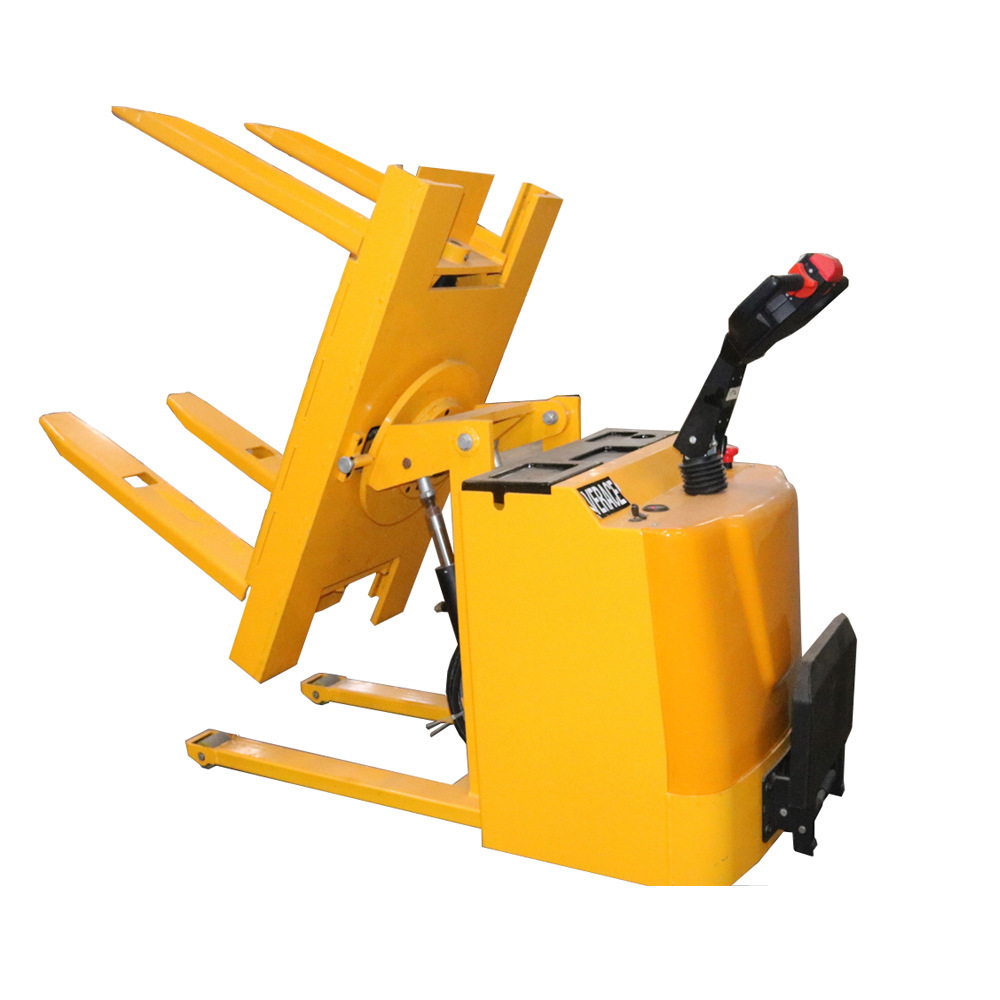
Choosing between these two systems often comes down to what you can realistically accommodate in your facility, both in terms of physical space and the willingness to undertake construction. I have seen firsthand how disruptive even minor construction can be in a busy factory. Thinking ahead about installation impact is key. [pallet changer setup considerations]
- Installation Complexity and Time:
- Mobile Pallet Changers: Installation is extremely simple. You typically just roll the unit into place, connect it to a standard electrical outlet, and it is ready to operate. This process takes minutes or hours, not days or weeks. There is no need for structural changes to your building. This minimizes downtime and allows for rapid deployment, which is valuable if you need a quick solution.
- Pit-Mounted Pallet Changers: These require substantial civil engineering work. A pit must be excavated in your warehouse floor, concrete poured, and the unit precisely lowered and integrated. This is a construction project. It can take several weeks, or even months, to complete, causing significant disruption to the immediate area. This requires careful planning and coordination to minimize impact on ongoing operations.
- Space Footprint and Dedicated Area:
- Mobile Pallet Changers: While they occupy space when in use, mobile units do not demand a permanently dedicated footprint. They can be moved out of the way when not needed, freeing up valuable floor space. This is a major advantage for facilities with limited space or those that need to reconfigure their layouts frequently. They offer flexibility in space utilization.
- Pit-Mounted Pallet Changers: These systems demand a permanent, dedicated space in your facility. The area around the pit must be kept clear for safe operation and pallet movement, typically as part of a conveyor line. This means you commit a fixed portion of your floor plan to the pallet changer. For high-volume operations, this dedicated space is justified by the continuous flow it enables.
- Cost Implications:
- Mobile Pallet Changers: The initial capital investment for the unit itself might be comparable or even higher than some basic pit-mounted systems. However, the total cost of ownership is often lower due to minimal installation costs. You save significantly on civil works, labor, and potential downtime during setup.
- Pit-Mounted Pallet Changers: The cost of the unit is just one part of the equation. You must also factor in the considerable expenses for excavation, concrete work, electrical integration, and potentially re-routing existing conveyor systems. These civil costs can easily double or triple the initial equipment price. While the operational benefits in the long run are significant, the upfront investment is much higher.
- Permits and Regulations:
- Mobile Pallet Changers: Generally, these require fewer permits or structural compliance checks because they are not permanently attached to the building. You mostly need to ensure electrical safety and operational best practices.
- Pit-Mounted Pallet Changers: As a permanent structural change, they will likely require building permits, inspections, and adherence to local construction codes. This adds another layer of complexity and time to the installation process. [pallet changer installation costs]
What About Efficiency, Safety, and Maintenance Considerations?
Are you constantly weighing productivity against safety, or worrying about machine breakdowns disrupting your critical supply chain? Every warehouse manager, including Carlos, knows that the true cost of equipment extends far beyond its purchase price. It includes daily operational efficiency, the safety of your team, and the ease and cost of maintaining the machinery. [warehouse operational concerns]
When considering efficiency, safety, and maintenance, both mobile and pit-mounted pallet changers aim to enhance these areas through automation, though they achieve it differently. Pit-mounted units typically offer higher continuous throughput and integrated safety for high-volume lines. Mobile units provide flexible efficiency for varied tasks and locations, with safety features adaptable to dynamic environments. Maintenance for both focuses on minimizing downtime, with access and component replacement varying by design.
From my experience designing and manufacturing packing machines, I know that real-world performance is what matters most. A machine might look good on paper, but how it performs day in and day out, how safe it is for workers, and how easy it is to keep running, these are the critical factors. Let’s break down how each pallet changer type stacks up. [packing machine reliability]
- Operational Efficiency and Throughput:
- Mobile Pallet Changers: These offer excellent efficiency for tasks that require flexibility or are performed in different areas. They eliminate the need for manual handling, significantly speeding up the pallet transfer process. Their throughput is generally lower than dedicated pit systems because they often involve an operator positioning the unit and loading/unloading pallets manually or with a forklift. They are efficient for batch processing or varied tasks.
- Pit-Mounted Pallet Changers: These are the champions of high throughput. Integrated into conveyor lines, they process pallets continuously and automatically, minimizing cycle times. This level of automation means they can handle thousands of pallet changes per day with consistent speed, making them indispensable for large-scale distribution centers or manufacturing plants that demand uninterrupted flow.
- Safety Features and Risk Reduction:
- Mobile Pallet Changers: These typically include comprehensive safety features such as emergency stop buttons, light curtains, safety cages, and operator presence sensors. They dramatically reduce the risk of strain injuries, crush injuries, and product damage associated with manual pallet transfers. However, because they are mobile, operators must be trained on safe movement and positioning of the unit. This is a huge improvement over manual methods, directly addressing Carlos’s safety concerns.
- Pit-Mounted Pallet Changers: Their recessed design eliminates trip hazards and creates a flush working surface. Integrated safety systems often include robust guarding, interlocks with the conveyor system, and advanced sensors to prevent accidents during automated operation. Since human interaction is minimized, the risk of operator injury from direct contact with moving parts is also reduced. Both types significantly boost workplace safety compared to manual processes.
- Maintenance and Serviceability:
- Mobile Pallet Changers: Maintenance usually involves routine checks of hydraulic fluids, electrical connections, and moving parts. Because they are standalone units, access for maintenance can be straightforward. Components are often standard and easier to replace. However, their mobility might expose them to more varied environmental conditions, potentially requiring more frequent checks.
- Pit-Mounted Pallet Changers: While the core components are similar (hydraulics, electrical), accessing them can be more complex due to the pit installation. Some maintenance may require temporary shutdowns or specialized access procedures. However, their fixed, often controlled environment can lead to more predictable wear and tear. Regular preventative maintenance is key for both, but the logistics of accessing components differ. [pallet changer maintenance tips]
Which Pallet Changer is the Right Investment for Your Operations?
Are you still weighing the options, trying to decide which pallet changing solution will bring the best return on investment for your specific operational challenges? Making the right choice is crucial, as it impacts everything from daily efficiency to long-term operational costs and safety. I understand that for managers like Carlos, it is not just about buying a machine; it is about finding a strategic partner and a solution that truly solves problems. [optimizing warehouse investments]
Choosing between a mobile and pit-mounted pallet changer depends entirely on your operational context: facility layout, volume, flexibility needs, and budget. Mobile units are ideal for diverse tasks, varied locations, and initial automation with minimal installation. Pit-mounted systems are superior for high-volume, continuous throughput in fixed lines, offering seamless integration and long-term stability. The best investment is the one that most effectively addresses your specific challenges, like diverse pallet requirements, labor shortages, and safety risks, while aligning with your long-term growth plans.
Throughout my career, I’ve learned that a true partner understands your pain points. Carlos, for instance, needs a partner who gets the complexities of international logistics, the pressure of short delivery cycles, and the critical need for safety. This final section aims to help you distill everything we have discussed into a clear decision framework. [strategic equipment partnership]
- Consider Your Operational Volume and Flow:
- High Volume & Continuous Flow (e.g., thousands of pallets daily, integrated conveyor lines): A pit-mounted pallet changer is likely your best bet. Its integration into conveyor systems ensures maximum throughput and minimal human intervention, making it highly efficient for continuous, high-volume operations like those described by Carlos for a regional distribution center.
- Varied Volume & Flexible Flow (e.g., batch processing, different warehouse zones, changing needs): A mobile pallet changer offers the necessary adaptability. If you do not have a consistent, dedicated line for pallet changes, or if you need to move the equipment between different areas or even facilities, mobility is key. This could be a good starting point for a growing business or for specific, temporary needs.
- Evaluate Your Facility Infrastructure and Budget:
- Existing Infrastructure & Limited Budget for Civil Work: Opting for a mobile pallet changer avoids the high costs and significant disruption of excavation and concrete work. Its minimal installation requirements make it a faster and often more budget-friendly immediate solution.
- New Construction or Major Renovation, Long-Term Investment: If you have the capital and the opportunity to integrate a system from the ground up, a pit-mounted pallet changer offers superior long-term stability and operational efficiency. The initial investment in civil works pays off in sustained, seamless performance.
- Prioritize Your Challenges and Goals (Carlos’s example):
- Diverse Pallet Specifications & Labor Shortages: Both systems can help automate pallet switching, reducing manual labor and errors. However, a mobile pallet changer might offer slightly more innate flexibility for rapidly changing between many different pallet types in varied locations without re-engineering a fixed line.
- Safety Risks & Customer Pressure for Speed: Both significantly improve safety over manual methods. For maximum speed and reduced human interaction in a continuous flow, a pit-mounted system excels. For overall safety improvement across varied tasks, both are strong contenders.
- Finding the Right Partner (FHOPEPACK vs. SHJLPACK):
- As Randal Liu, the founder of FHOPEPACK, I built my business on understanding customer needs and providing real solutions, not just selling machines. At FHOPEPACK, we pride ourselves on designing robust, reliable pallet changing systems that address specific challenges like yours. We focus on engineering adaptable solutions, and our mobile pallet changers, for example, are designed with the practicalities of varied logistics environments in mind, ensuring ease of use and long-term performance. We also provide excellent after-sales support, which is critical for a long-term partnership.
- Another reputable option is SHJLPACK, known for its solid engineering and range of pallet handling equipment. They also offer reliable solutions that can contribute to warehouse automation and efficiency. [choosing pallet changer supplier]
Conclusion
Selecting the right pallet changer is a strategic decision that shapes your operational future. By carefully evaluating your unique needs, whether it’s the versatile adaptability of a mobile unit or the integrated efficiency of a pit-mounted system, you can achieve significant gains in safety, speed, and cost reduction. Remember to choose a partner committed to your success. Learn more about how FHOPEPACK’s pallet inverter solutions can transform your logistics.








