
Steel Coil Packaging Efficiency — PET Strapping vs Steel Strapping Machines Compared?
Running a steel manufacturing plant means dealing with massive production volumes and tight deadlines. You might feel the pressure of inconsistent packaging quality or slow operations. Maybe your team struggles with the sheer physical demand of strapping hundreds of tons of steel coils daily. These challenges can lead to costly delays, customer complaints, and even safety hazards. I know these pains because I have seen them firsthand in the industry.
Comparing PET and steel strapping machines is vital for improving steel coil packaging efficiency, safety, and cost-effectiveness. PET strapping offers flexibility, better safety, and cost savings for various coil types, while steel strapping provides unmatched strength for the heaviest, most demanding applications, ensuring robust protection during transit and storage across diverse industrial environments.

As a packing machine engineer, I have dedicated my career to optimizing packaging solutions. I have seen how the right choice between PET and steel strapping can transform a steel plant’s output and bottom line. Let us dive deeper into these two essential methods and find the best fit for your specific needs, whether you are dealing with cold-rolled, galvanized, or color-coated coils.
Why is Efficient Steel Coil Packaging So Crucial for Your Operations?
Are you losing sleep over shipping delays or product damage? In today’s competitive steel market, efficient packaging is not just about aesthetics. It is a critical operational cornerstone that affects everything from production flow to customer satisfaction and financial performance. Ignoring packaging efficiency can lead to significant problems.
Efficient steel coil packaging is crucial because it directly impacts shipping schedules, reduces product damage during transit, prevents costly customer returns and penalties, and enhances overall operational safety and productivity in a busy factory environment.
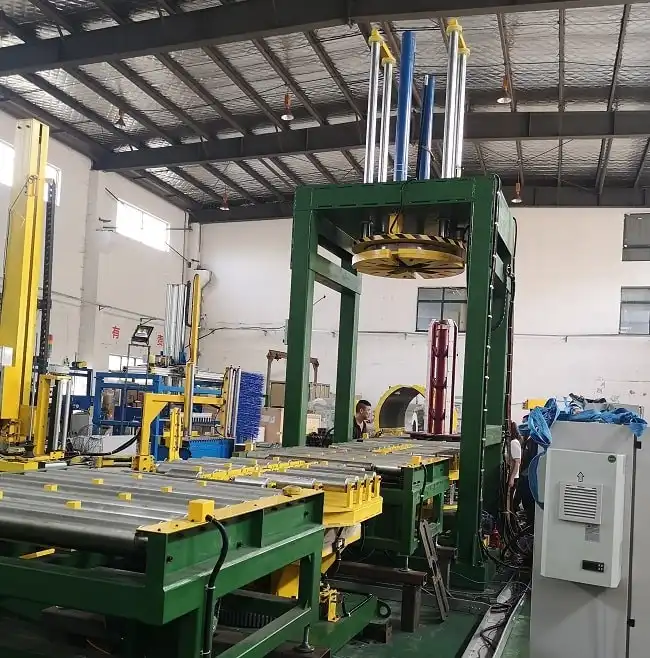
I have worked with many steel plants. I understand that the process of getting hundreds of tons of cold-rolled, galvanized, or color-coated steel coils out the door every day is complex. When packaging is not efficient, the entire production chain suffers. This can quickly impact your reputation and your company’s bottom line. It is about protecting your investment and meeting your clients’ high expectations for timely and undamaged deliveries. (steel coil protection, factory operations, shipping efficiency)
-
Direct Impact on Logistics and Delivery Times
- Problem: Slow or unreliable packaging processes create bottlenecks. This means coils pile up, delaying shipments and increasing storage costs. Manual strapping or inconsistent machine performance can quickly turn a smooth production line into a chaotic mess. You might miss crucial delivery deadlines.
- Solution: Investing in high-speed, automated strapping solutions ensures a steady flow of finished products. This means coils are ready for dispatch as soon as they leave the production line. This helps maintain tight shipping schedules. It ensures you meet customer expectations consistently.
- Benefit: Timely deliveries improve customer loyalty and reduce potential contract penalties. This keeps your logistics moving smoothly. You avoid costly demurrage charges at ports. (logistics optimization, timely delivery, shipping schedules)
-
Minimizing Product Damage and Returns
- Problem: Steel coils are heavy and expensive. If they are not packed correctly, they can suffer damage during handling or transport. Loose straps, inadequate wrapping, or poor coil stability can lead to scratches, dents, or even rust. These damages result in customer complaints, product returns, and financial losses.
- Solution: Robust and consistent strapping, whether PET or steel, provides the necessary securement. It keeps the coil stable. Combining strapping with anti-corrosion and anti-scratch wrapping methods protects the coil surface. This ensures products arrive in perfect condition.
- Benefit: Fewer damaged goods mean happier customers and lower costs associated with returns, reprocessing, and warranty claims. This improves your brand reputation. You save money by reducing waste. (product integrity, damage prevention, customer satisfaction)
-
Enhancing Workplace Safety and Labor Utilization
- Problem: Manual strapping of heavy steel coils is labor-intensive and risky. Workers face hazards from moving coils, sharp edges, and repetitive strain injuries. High turnover rates among young workers in such physically demanding roles mean constant training and staffing challenges. This affects productivity and increases accident risks.
- Solution: Automated strapping machines drastically reduce the need for manual intervention. They handle the heavy lifting and repetitive tasks. This moves employees away from dangerous areas. It lowers the risk of accidents and injuries. This helps keep your workforce safe and reduces strain.
- Benefit: A safer workplace boosts employee morale and retention. It frees up skilled labor for more complex tasks. This reduces labor costs and improves overall operational efficiency. You invest in employee well-being. (workplace safety, labor automation, risk reduction)
What Are the Key Differences Between PET and Steel Strapping for Coils?
Choosing the right strapping material for your steel coils can be a tough decision. Both PET and steel strapping have distinct characteristics. These features make them suitable for different applications. Are you unsure which material offers the best balance of strength, safety, and cost for your specific steel coils?
PET (Polyester) strapping is highly flexible, safer to handle, and offers superior elongation and recovery properties, making it ideal for lighter to medium-weight steel coils, while steel strapping provides unparalleled tensile strength and rigidity, essential for securing extremely heavy and sharp-edged coils that require maximum resistance against shifting and abrasion.

From my experience, understanding the fundamental differences between PET and steel strapping is crucial. It helps you make an informed choice. This choice will affect your packaging quality, safety standards, and operational costs. Both materials serve the purpose of securing coils. However, their performance varies significantly under different conditions and for different types of steel coils, from light cold-rolled to heavy galvanized. (strapping material comparison, coil securement, packaging choice)
-
Material Properties and Tensile Strength
- PET Strapping: PET, or Polyester, is a plastic material. It has good elasticity. It can stretch and then recover its shape. This makes it excellent for coils that might settle or compress during transport. It maintains tension well. PET strapping is strong, but not as strong as steel. It is also lighter.
- Steel Strapping: Steel strapping is made from high-tensile steel. It offers superior break strength and rigidity. It does not stretch much. This makes it ideal for the heaviest and most demanding applications. It provides maximum security against load shifting. It resists cuts and punctures very well.
- Comparison: Steel strapping offers higher initial tensile strength. PET strapping provides better elongation and recovery, which helps maintain tension even if the coil shifts or settles slightly. For extremely heavy coils, steel’s strength is often preferred. (PET tensile strength, steel strapping properties, material comparison)
-
Safety and Handling Characteristics
- PET Strapping: PET strapping is much safer to handle. It has no sharp edges. When cut, it does not spring back violently like steel strapping. This greatly reduces the risk of injury to operators. It is also lighter, making it easier to load into machines and manage.
- Steel Strapping: Steel strapping has sharp edges. It can cause serious cuts if not handled with care. When cut, it can recoil forcefully, posing a significant safety hazard. Special safety precautions and training are often needed for workers handling steel strapping.
- Comparison: PET strapping significantly improves workplace safety. It lowers the risk of accidents and injuries during packaging operations. Steel strapping requires more stringent safety protocols due to its inherent risks. (strapping safety, operator protection, handling risks)
-
Cost and Environmental Considerations
- PET Strapping: PET strapping is generally more cost-effective per meter than steel strapping. It is also lighter, which can reduce shipping costs for the strapping material itself. PET is recyclable, which aligns with growing environmental regulations and sustainability goals. This can improve your company’s green image.
- Steel Strapping: Steel strapping can be more expensive than PET. It is also heavier, which might add to material transport costs. While steel is recyclable, the recycling process for used strapping might be more complex for some facilities. Disposal can also be an issue.
- Comparison: PET often offers a better cost-performance ratio for many applications. It provides environmental benefits. Steel strapping’s higher cost is justified by its superior strength for specific heavy-duty needs. (cost-effectiveness, environmental impact, strapping material price)
How Do PET Strapping Machines Enhance Safety and Reduce Labor?
Are you looking to improve workplace safety and reduce the physical strain on your employees while packaging steel coils? Manual strapping is often a hazardous and labor-intensive process. It leads to high injury rates and employee dissatisfaction. This directly impacts your productivity.
PET strapping machines significantly enhance safety by automating the strapping process, eliminating direct operator contact with sharp materials and heavy coils, and drastically reduce labor costs by speeding up operations and minimizing the need for multiple manual workers per shift.

From my experience, I have seen how the transition to automated PET strapping can be a game-changer for steel plants. It not only streamlines the packaging process but also creates a much safer and more efficient working environment. This addresses critical challenges like labor shortages and the need for continuous, safe operation. The change transforms the shop floor. (automated strapping benefits, industrial safety, labor efficiency)
-
Automated Application for Increased Safety
- Problem: Manual strapping of large, heavy steel coils exposes workers to significant risks. They face hazards from the moving coil, sharp edges of the coil, and the steel strapping itself. Repetitive motions and heavy lifting contribute to musculoskeletal injuries. These issues create a dangerous work environment.
- Solution: Automated PET strapping machines handle the entire strapping process. This includes feeding, tensioning, sealing, and cutting the strap. Operators can manage the machine from a safe distance. This eliminates direct contact with the coil and the strapping material. The machine does the heavy and dangerous work.
- Benefit: This automation drastically reduces the risk of cuts, strains, and other injuries. It creates a much safer workplace. Employees are protected from the inherent dangers of strapping heavy steel products. This means fewer accidents and a healthier team. (workplace injury prevention, automated strapping safety, operator protection)
-
Reduced Manual Labor and Operating Costs
- Problem: Relying on manual strapping requires a significant number of workers, especially in a 24/7 production environment. High labor costs and a scarcity of willing workers for physically demanding jobs can strain your budget and operational capacity. This leads to bottlenecks and inconsistent output.
- Solution: A single automated PET strapping machine can often replace several manual laborers. It works continuously and consistently. This allows your existing workforce to focus on tasks that require human decision-making or specialized skills. The machine takes over the repetitive tasks.
- Benefit: Reducing the need for manual labor directly lowers your operating costs. It frees up your valuable human resources. This increases overall efficiency and throughput. You can achieve consistent packaging quality without relying on human endurance. (labor cost reduction, operational efficiency, workforce optimization)
-
Consistent Packaging Quality and Tension
- Problem: Manual strapping often results in inconsistent tension and placement of straps. This can lead to loose bundles, shifted coils, or even damage during transport. Such inconsistencies affect product quality. They also increase the risk of rejection by customers, especially for export orders requiring strict compliance.
- Solution: Automated PET strapping machines apply consistent tension every time. They ensure that each coil is securely strapped to predetermined specifications. This provides uniform packaging quality. The machine does not get tired or make mistakes from fatigue.
- Benefit: Consistent strapping quality guarantees better product protection. It meets stringent customer requirements, including CE/ISO certifications. This reduces the likelihood of damage or claims. Your products arrive in perfect condition, every time. (packaging quality control, consistent tension, export compliance)
When Does Steel Strapping Offer Unmatched Security for Heavy Coils?
Are you dealing with extremely heavy steel coils, like those weighing several tons? Or perhaps coils with sharp edges that require maximum protection against shifting? Sometimes, PET strapping might not be enough. You might wonder when the superior strength of steel strapping becomes absolutely necessary.
Steel strapping offers unmatched security for heavy steel coils, especially those weighing 1–3 tons or more, by providing superior tensile strength and rigidity that prevents load shifting and maintains structural integrity during rigorous transport and handling, making it indispensable for ensuring maximum protection of industrial products.

In my journey helping steel producers, I have seen that for certain applications, there is no substitute for steel strapping. While PET has many advantages, the sheer force and stability required for very heavy or irregularly shaped steel products often demand the unyielding strength of steel. This ensures your most robust products remain secure, from the factory floor to the final destination, no matter the journey. (heavy coil securement, industrial strapping solutions, maximum protection)
-
Superior Strength for Heavy and Dense Coils
- Problem: Lighter strapping materials might not provide enough holding power for very heavy steel coils, especially those exceeding 1-3 tons. Over time, or with vibrations during transit, these coils can shift. This can cause straps to loosen or even break. This compromises the entire package.
- Solution: Steel strapping boasts a significantly higher tensile strength than PET. It offers unmatched resistance to breaking under extreme load. This makes it the ideal choice for securing massive steel coils. It ensures they remain compact and stable, even during rough handling and long-distance transport.
- Benefit: You gain peace of mind knowing your heaviest products are securely packaged. This reduces the risk of load shifting and damage. It minimizes potential liabilities. This keeps your cargo safe and compliant with shipping regulations. (heavy duty strapping, load stability, industrial strength)
-
Resistance Against Sharp Edges and Abrasion
- Problem: Steel coils often have sharp edges, especially cold-rolled or slit coils. These edges can cut or abrade weaker strapping materials like PET, especially under tension or movement. This can lead to strap failure and compromised package integrity. This puts your product at risk.
- Solution: Steel strapping is highly resistant to cuts and abrasion. Its robust nature means it can withstand the sharp edges of steel coils without weakening or breaking. It maintains its integrity even under friction or pressure points. This offers reliable protection.
- Benefit: This characteristic ensures that your strapping remains intact. It continues to secure the coil throughout its journey. You avoid the risk of packaging failure. This means your products are protected from damage caused by shifting or exposure. (cut resistance, abrasion protection, robust packaging)
-
Ensuring Maximum Rigidity for Export Shipments
- Problem: For international export, especially to regions with strict handling standards, packaging must be exceptionally rigid and secure. Customers expect zero movement within the container. If the packaging lacks rigidity, coils can shift, leading to damage or rejection at customs. This can result in costly penalties.
- Solution: Steel strapping provides superior rigidity. It creates a virtually unyielding hold around the coil. This prevents any significant movement or settling during sea voyages or long-haul truck transport. It ensures the package maintains its shape and integrity.
- Benefit: This maximum rigidity ensures compliance with stringent international shipping standards. It reduces the likelihood of customs issues or cargo damage claims. Your export shipments arrive perfectly, protecting your international reputation and avoiding costly disputes. (export packaging standards, cargo securement, international logistics)
Which Automated Strapping Solution Best Fits Diverse Steel Coil Production?
Managing a steel plant means handling a wide variety of products. You produce cold-rolled, galvanized, and color-coated coils, all with different sizes and packaging requirements. Manually switching between packaging methods is slow and prone to errors. How can you find an automated strapping solution that adapts to this product diversity without sacrificing efficiency?
The best automated strapping solution for diverse steel coil production is a flexible, intelligent system that can seamlessly integrate both PET and steel strapping capabilities, often within the same line, allowing for quick adjustments to coil dimensions, weight, and specific customer requirements like anti-corrosion wrapping or automatic labeling.
I have helped many clients like Ivan, who faced similar challenges with varied product lines. They needed a solution that was not a “one-size-fits-all” but a “fits-all-my-sizes” system. The key lies in choosing a packing line that offers smart automation. This ensures adaptability and maintains high efficiency. It can handle everything from delicate color-coated coils to robust galvanized coils. (diverse product packaging, automated strapping solutions, adaptable packaging lines)
-
Integrated Strapping Systems for Material Flexibility
- Problem: Many steel plants produce coils that require different strapping materials. Some coils might benefit from PET’s flexibility, while others demand steel’s strength. Having separate lines or manual changes between materials is inefficient. It slows down production and increases operational complexity.
- Solution: Modern automated packing lines can integrate both PET and steel strapping heads. This allows for quick material switching based on the specific coil type or customer requirement. The system automatically selects the correct strapping material. This happens without significant manual intervention.
- Benefit: This flexibility ensures optimal packaging for every coil. It streamlines your production process. You avoid bottlenecks associated with material changes. This maximizes your line’s efficiency and adaptability. (integrated strapping, material versatility, flexible packaging)
-
Adaptability for Varied Coil Sizes and Weights
- Problem: Steel coils come in a wide range of diameters (inner and outer) and weights (1-3 tons). A rigid packaging machine that only handles one size creates operational limitations. It forces manual adjustments or requires multiple specialized machines. This reduces throughput and increases setup times.
- Solution: Look for strapping machines with adjustable frames and tensioning systems. These systems can automatically adapt to different coil dimensions. They use sensors to detect coil size. This ensures proper strap placement and tension, regardless of the coil’s physical properties.
- Benefit: Such adaptability allows a single packing line to handle your entire product range. This reduces capital expenditure on multiple machines. It minimizes changeover times. This maintains high production continuity and efficiency. (adjustable strapping machines, coil size flexibility, automated adjustment)
-
Incorporating Additional Packaging Steps for Comprehensive Protection
- Problem: Packaging a steel coil is often more than just strapping. It requires moisture protection, anti-scratch wrapping, labeling, and sometimes even stacking. Integrating these steps manually or as separate processes adds time and labor. It increases the risk of inconsistencies.
- Solution: The best automated solutions are full coil packing lines. These lines include features like coil tilting, automatic stretch wrapping or shrink wrapping for moisture and rust prevention, automatic labeling for barcoding and traceability, and even robotic stacking for warehouse efficiency.
- Benefit: A comprehensive packing line provides a complete, hands-free solution. It ensures consistent quality for all packaging aspects. This meets diverse customer requirements, including export standards. It enhances product protection and traceability. (full coil packing line, comprehensive protection, automated labeling)
Conclusion
Choosing between PET and steel strapping depends on your specific needs: PET for diverse, safer, and cost-effective solutions, and steel for maximum strength in heavy-duty applications. For ultimate efficiency and adaptability in steel coil packaging, a fully automated coil packing line from FHOPEPACK, or other reputable brands like SHJLPACK or CNBHPAC, is the strategic choice for future success.








