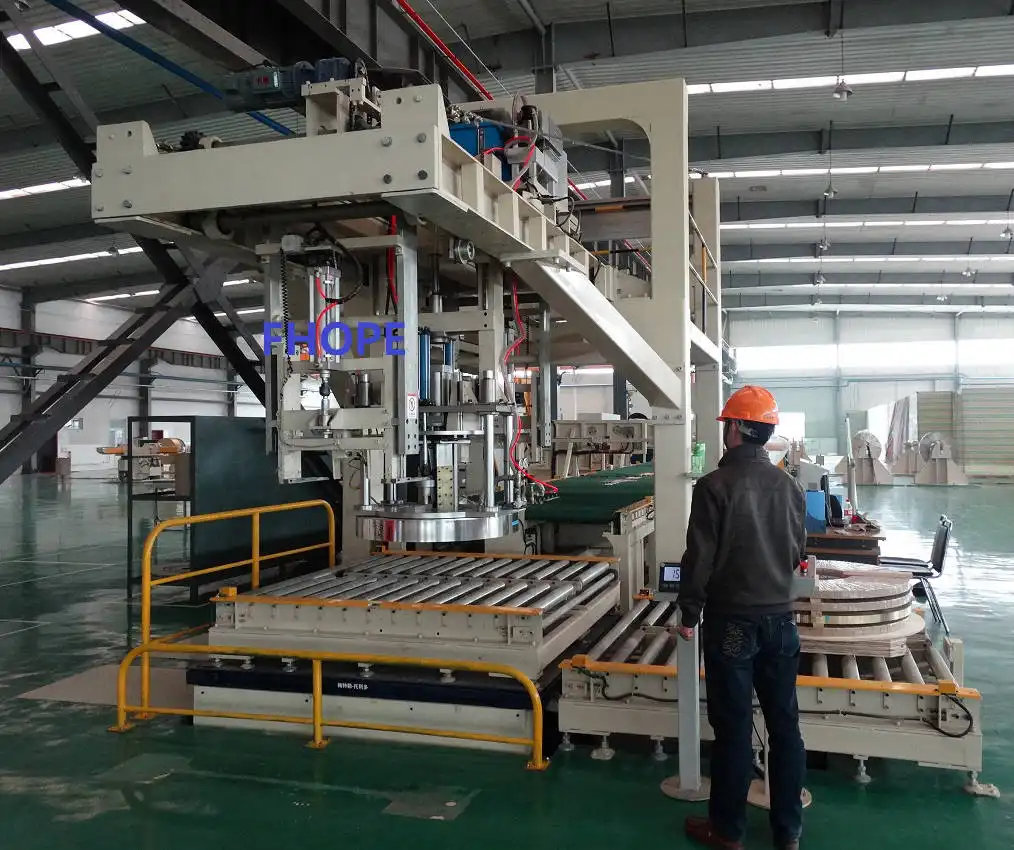
Which Strapping Method Reduces Operator Risk — Steel or PET Strapping Machine for Coils?
Working in a steel mill can be tough. I know this from my own time in the packing machine factory, and later building FHOPEPACK. One major concern for production directors like Ivan Petrov, who handles hundreds of tons of steel coils daily, is keeping workers safe. Imagine the heavy lifting, the sharp edges, and the constant pressure to get products out. This is especially true when it comes to strapping those massive coils. We all want to make sure our team goes home safe every day. (coil packing safety, steel mill operations)
Choosing the right strapping method and machine plays a big role in reducing operator risk. Generally, PET strapping machines offer a safer alternative compared to traditional steel strapping methods for coils, largely due to the material properties of PET and the increased automation often associated with these systems, which minimizes direct human interaction with heavy, moving coils and sharp strapping materials.
 ]
]
You are facing increasing demands for efficiency and safety in your packaging lines. The choice between steel and PET strapping is more than just about material cost. It is about protecting your valuable workforce and streamlining your operations. Let’s dig deeper into how each method impacts operator risk and how FHOPEPACK can help you make the best choice for your specific needs. (steel coil packaging solutions, industrial safety standards)
Understanding the Stakes: Why Operator Safety in Coil Strapping Matters?
Production managers like Ivan Petrov know the daily pressure of running a busy steel plant. Hundreds of tons of coils move through the cold rolling and slitting lines. Packaging is the last step before shipping. If something goes wrong, it can cause delays, complaints, or even contract penalties. More importantly, worker safety must always come first. (steel coil handling risks, factory safety protocols)
Operator safety in coil strapping is critical because manual handling of heavy steel coils and the strapping process itself carry significant risks, including cuts, crush injuries, strain, and impacts from tensioned materials. These risks can lead to serious accidents, lost workdays, high medical costs, and reduced morale among the workforce, directly affecting a plant’s productivity and reputation. ![coil strapping safety importance]
Working with steel coils is dangerous. Coils are heavy, often weighing 1-3 tons or more. Moving them around needs special equipment. The strapping process itself also has risks. Manual strapping involves operators getting close to these large, often unstable coils. They handle sharp steel bands or tension plastic straps. This environment presents several dangers.
- Risk of Crushing and Impact Injuries:
- Coils can shift or roll. An unsecured coil is extremely dangerous. Operators might get caught between a moving coil and a fixed object. Even a small shift can cause severe injury. Forklifts and overhead cranes also present collision risks during loading and unloading. We often see situations where operators are too close to the lifting zones. (heavy coil handling safety, industrial crush hazards)
- Lacerations and Puncture Wounds from Strapping Materials:
- Steel strapping is very strong. But it has sharp edges. When cut, it can recoil quickly. This snapping action can cause deep cuts or eye injuries if workers are not wearing proper protection. PET strapping is safer but still requires careful handling. The tools used for strapping, like tensioners and sealers, can also pinch or cut if not operated correctly. (strapping material dangers, workplace cut injuries)
- Musculoskeletal Injuries from Repetitive Strain:
- Manual strapping requires a lot of physical effort. Operators bend, lift, pull, and twist repeatedly. Applying tension to straps and sealing them can strain backs, shoulders, and wrists. Over time, these actions lead to chronic pain and injuries. This is a common issue, especially in places where labor is short and young workers are less willing to do such physically demanding jobs. (ergonomic risks in packing, manual labor strain injuries)
- Fatigue and Human Error:
- Working long shifts in a noisy, demanding environment causes fatigue. Tired workers are more likely to make mistakes. These mistakes can lead to accidents. An automated system reduces this human element significantly. It provides consistent safety measures. (operator fatigue risks, automation for safety)
At FHOPEPACK, we understand these risks. My journey from a factory employee to building FHOPEPACK was driven by a passion for making these processes safer and more efficient. We aim to help clients like Ivan achieve their safety goals by providing robust, automated solutions. This is not just about machines; it is about protecting people. (automated strapping solutions, factory worker protection)
The Traditional Choice: What Are the Safety Considerations with Steel Strapping Machines?
For a long time, steel strapping was the only real choice for securing heavy loads like steel coils. Its strength is undeniable. Many steel mills, especially older ones, still use steel strapping. However, its use comes with specific safety concerns that modern factories, focusing on worker well-being, need to address. (heavy duty strapping hazards, steel coil bundling safety)
Steel strapping machines, especially manual or semi-automatic models, present notable operator risks including severe lacerations from sharp strap edges, impact injuries from recoiling bands under tension, and musculoskeletal strain from physically demanding tasks. Fully automated steel strapping lines significantly mitigate these risks by minimizing direct human interaction with the hazardous material and process.  ]
]
Steel strapping is incredibly strong. It holds heavy coils tightly during transport. But this strength also means it can be dangerous if not handled properly. Here are the main safety considerations:
- Sharp Edges and Recoil Hazards:
- Steel strapping has very sharp edges. Operators must wear thick gloves and protective clothing. If the strap breaks or is cut under tension, it can snap back with great force. This “recoil” can hit an operator, causing severe cuts or blunt force trauma. I have seen situations where this has caused serious injuries. This is why automated systems are so important. They keep operators away from the danger zone. (steel strap recoil danger, industrial cutting injuries)
- Heavy Equipment and Manual Intervention:
- Even with semi-automatic machines, operators often need to guide the strap around the coil. They also load strap coils onto the machine. These are heavy tasks. This physical labor leads to fatigue and musculoskeletal injuries. The machines themselves are heavy. Moving or maintaining them also poses risks if proper safety procedures are not followed. (manual strapping risks, heavy equipment operation safety)
- Complexity of Tensioning and Sealing:
- Achieving the correct tension with steel strapping can be tricky. Too little tension, and the coil is not secure. Too much tension, and the strap might break during the process or in transit. Manual tensioning tools require physical strength and skill. Incorrect use of these tools can cause hand injuries. Automated steel strapping machines remove this guesswork and physical strain. (strapping tensioning safety, automated banding solutions)
- Environmental Factors and Maintenance:
- Steel mills are harsh environments. Dust, heat, and moisture can affect machine performance. If a steel strapping machine breaks down, operators might need to get close to dangerous parts for troubleshooting or repair. Proper lockout/tagout procedures are vital. Regular, preventive maintenance is key to keeping these machines safe and reliable. (industrial machine maintenance safety, harsh environment operations)
For a steel plant production director like Ivan, moving from manual to automated steel strapping is a step forward. However, fully integrated coil packing lines from FHOPEPACK go even further. They use advanced safety features to protect operators, even when working with steel straps. Our goal is always to minimize operator exposure to any moving parts or hazardous materials. (automated steel strapping benefits, coil packaging line safety features)
The Modern Alternative: How Do PET Strapping Machines Improve Operator Safety?
As the industry evolves, new materials and technologies offer better solutions. PET (Polyethylene Terephthalate) strapping has emerged as a safer and often more efficient alternative to steel for many heavy-duty applications, including steel coil packaging. Its characteristics inherently reduce many of the risks associated with steel strapping. (PET strapping safety, plastic strapping benefits for coils)
PET strapping machines significantly improve operator safety primarily because PET material lacks sharp edges, greatly reducing laceration risks. It also has less recoil force when cut, minimizing impact injuries. Furthermore, PET strapping systems are often more automated, requiring less direct human interaction and reducing physical strain, making them a preferred choice for enhanced workplace safety in coil packing.  ]
]
PET strapping offers distinct safety advantages over steel strapping. These benefits directly address many concerns for production managers focused on reducing workplace accidents.
- Elimination of Sharp Edges and Reduced Recoil:
- Unlike steel, PET strapping does not have sharp edges. This drastically reduces the risk of cuts and lacerations during handling, feeding, and cutting. When PET strapping is cut, it has much less recoil energy than steel. This means the strap is less likely to snap back and hit an operator with force. This is a major improvement in immediate physical safety. (non-metallic strapping safety, reduced recoil strapping)
- Lighter Weight and Easier Handling:
- PET strapping coils are lighter and easier to manage than steel strapping coils. This makes the loading process less physically demanding for operators. It reduces the risk of back injuries and strains. The material itself is more flexible, making it easier to guide around a coil, especially in semi-automatic setups. (lighter strapping material, ergonomic packing solutions)
- Corrosion Resistance and Less Degradation:
- PET strapping does not rust. This is important in humid or corrosive environments common in steel mills. Rusted steel strapping can weaken and break unexpectedly. PET’s resistance to corrosion means more stable performance. It reduces the risk of strap failure during the strapping process or transport. (corrosion-resistant strapping, durable packaging solutions)
- Integration with Automation for Minimal Interaction:
- Modern PET strapping machines are often designed for higher levels of automation. This means operators interact less directly with the strapping process. They load the material, monitor the machine, and intervene only when necessary. This minimal interaction keeps them away from potential pinch points and moving parts. It aligns perfectly with Ivan’s goal of reducing manual intervention and increasing safety. (automated PET strapping systems, reduced human-machine interaction)
At FHOPEPACK, we strongly recommend considering PET strapping for many coil packing applications where safety is a top priority. Our automated PET strapping machines are engineered to maximize these safety benefits while delivering robust and reliable packaging. We design solutions that protect your team and your product. (FHOPEPACK safety solutions, automated coil strapping benefits)
Beyond Strapping Material: What Automated Features Enhance Safety in Coil Packaging Lines?
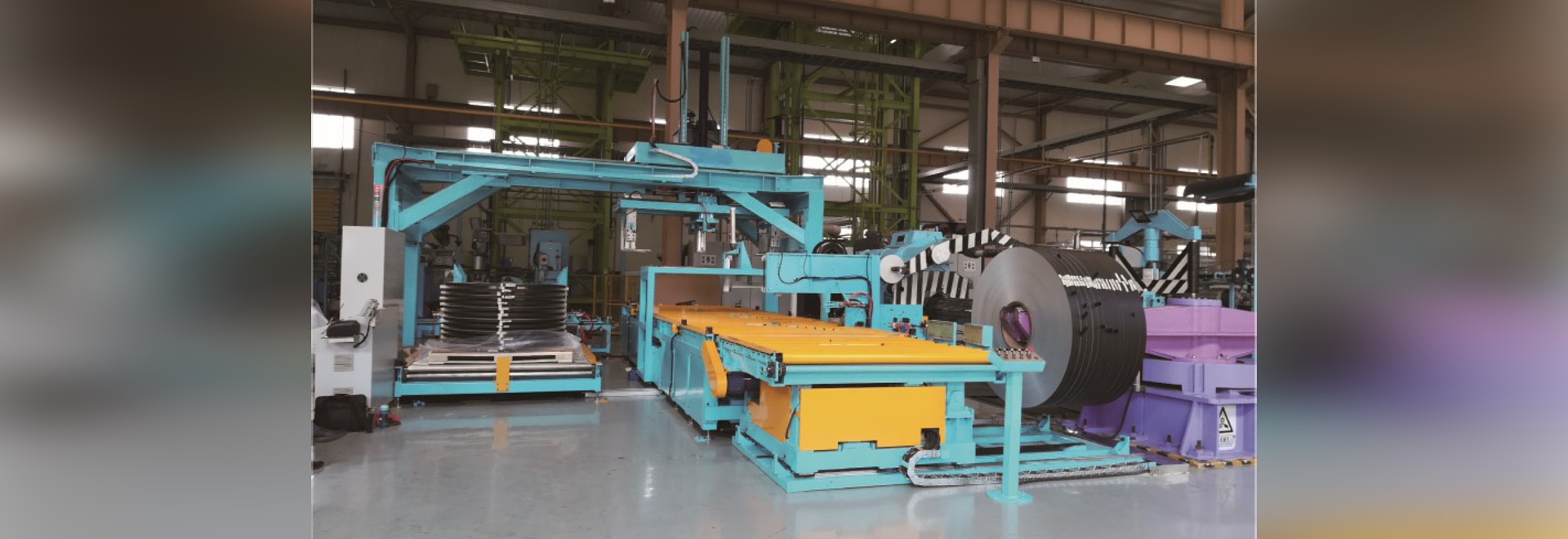
While the choice between steel and PET strapping is important, true operator safety in coil packaging extends far beyond just the strapping material. A comprehensive, automated coil packing line integrates multiple features designed to minimize human interaction with dangerous operations. This approach addresses Ivan’s need for an “overall automation solution” that ensures safety and efficiency. (automated coil packing safety, integrated packaging line features)
Automated features in coil packaging lines significantly enhance safety by removing operators from hazardous zones. Key features include automatic coil feeding and positioning, robotic strapping and wrapping, integrated safety guarding with interlocks, remote monitoring, and emergency stop systems. These elements minimize manual handling, reduce exposure to moving machinery, and prevent accidents in a high-risk industrial environment.  ]
]
Modern coil packing lines are more than just a collection of machines. They are integrated systems where each component works together to improve safety and efficiency. Here are the automated features that make a big difference:
- Automatic Coil Feeding and Positioning Systems:
- Manually loading and positioning heavy steel coils is extremely dangerous. Automated systems use conveyors, coil cars, and turning devices to move coils precisely. This eliminates the need for operators to be near moving coils or use cranes for precise adjustments. The system handles coils of different weights (1-3 tons) and diameters with consistent accuracy. (automatic coil handling, heavy coil positioning safety)
- Robotic Strapping, Wrapping, and Labeling:
- Automation allows strapping, wrapping, and labeling to happen without human hands. Robots or dedicated automatic machines apply straps (steel or PET), stretch film, or shrink film. They also attach labels. This removes operators from the direct path of moving parts and tensioned materials. It reduces exposure to sharp edges and potential recoil. (robotic coil strapping, automated wrapping and labeling)
- Integrated Safety Guarding and Interlock Systems:
- A well-designed packing line includes physical barriers and safety interlocks. These guards prevent access to dangerous areas while the machine is running. Interlocks ensure that machines stop immediately if a guard is opened or if an operator enters a restricted zone. This is a non-negotiable safety feature in any modern industrial setting. (machine safety guarding, industrial interlock systems)
- Remote Monitoring and Diagnostics:
- Operators can monitor the entire packing line from a safe distance using control panels and HMI (Human-Machine Interface) systems. Advanced diagnostics can identify potential issues before they become hazards. This proactive approach reduces the need for emergency interventions, which are often the riskiest. It ensures continuous production without unnecessary downtime. (remote machine monitoring, predictive maintenance safety)
- Emergency Stop (E-Stop) Buttons and Safety Light Curtains:
- Clearly marked and easily accessible E-stop buttons are crucial. They allow immediate shutdown of the line in an emergency. Safety light curtains create an invisible barrier. If an operator breaks this barrier, the machine stops instantly. These are last-resort safety measures that save lives. (emergency stop systems, safety light curtains in factories)
At FHOPEPACK, we specialize in delivering complete, turnkey automatic coil packing lines. My background in building a successful packing machine factory means I know these details inside out. We design these lines with maximum safety in mind, integrating every feature to protect your workforce. We meet high standards like CE/ISO for export, which means our safety standards are globally recognized. (FHOPEPACK automatic coil lines, CE certified packaging machines)
Making the Right Choice: Which Strapping System Best Fits Your Coil Packing Needs and Safety Goals?
Choosing between steel and PET strapping, and the type of machine, is a big decision for a production director like Ivan. It affects safety, efficiency, and cost. There is no one-size-fits-all answer. The best choice depends on your specific product, operational environment, and safety priorities. (coil packing material selection, strapping machine investment)
The right strapping system depends on coil type, weight, transport conditions, and most importantly, safety goals. For highest operator safety, PET strapping is often superior due to less recoil and no sharp edges, especially when integrated into a fully automated system. Steel strapping, while stronger, requires advanced automation and stringent safety protocols to mitigate its inherent risks. FHOPEPACK recommends a tailored solution to optimize both safety and performance.
When considering your options, think about these factors:
- Coil Characteristics and Transport Conditions:
- Weight and Size: For extremely heavy coils (over 3 tons) or those needing maximum rigidity during transport, steel strapping might seem necessary. However, modern high-strength PET strapping can handle many heavy loads.
- Product Type: Cold-rolled, galvanized, or color-coated coils have different needs. Color-coated coils are more sensitive to scratching, so PET strapping is often preferred as it is less abrasive.
- Transport Distance: Long-distance or export shipments (like those needing CE/ISO certification) demand robust and secure packaging. Both materials can provide this with proper application. (heavy coil strapping solutions, export packaging requirements)
- Operator Safety and Labor Availability:
- Risk Profile: If minimizing sharp edges, recoil, and heavy manual handling is your top priority (as it is for Ivan facing labor shortages and high injury rates), PET strapping combined with automation offers superior safety.
- Workforce: With an aging workforce or difficulty attracting young talent for strenuous jobs, automation (regardless of strapping material) becomes crucial. PET systems often lead to less physically demanding operations. (labor shortage solutions, workforce safety improvements)
- Automation Level and Cost Implications:
- Full Automation: For both steel and PET, full automation dramatically improves safety by removing operators from direct contact. This is Ivan’s goal: a full automatic Coil Packing Line. An automated line minimizes human error and physical strain.
- Material Cost vs. Operational Cost: While PET strapping might sometimes have a higher unit cost than steel, consider the total cost of ownership. This includes reduced labor costs, fewer injury claims, less material waste, and increased continuous production time. FHOPEPACK focuses on delivering solutions that lower overall operating costs. (automated packing ROI, cost-effective strapping solutions)
- Supplier Expertise and Long-Term Partnership:
- Turnkey Solutions: You need a supplier who can provide a complete, integrated solution (turnkey project), not just a machine. This includes consultation, design, installation, training, and ongoing after-sales support.
- After-Sales Support: Reliable technical support, spare parts availability, and operator training are critical for smooth, continuous operation. This ensures your investment continues to pay off and safety standards are maintained. (turnkey packaging solutions, long-term supplier partnership)
At FHOPEPACK, we understand these complex decisions. My team and I are experts in designing customized coil packing solutions. We listen to your specific challenges, like those faced by Ivan Petrov in Russia, from product diversity to labor shortages. We then propose the best solution to meet your safety and efficiency goals, always putting operator well-being first. We can help you analyze if high-strength PET strapping or an advanced automated steel strapping system is the right fit. Our goal is to be your long-term partner, helping you achieve secure, efficient, and above all, safe coil packaging operations. (customized coil packing, FHOPEPACK solutions)
Conclusion
Choosing between steel and PET strapping for coils significantly impacts operator risk. PET strapping generally offers superior safety due to its lack of sharp edges and reduced recoil. However, the greatest leap in safety comes from fully automating your coil packing line. This minimizes manual interaction, protecting your team from heavy coils and dangerous materials. Partner with FHOPEPACK to design a customized, safe, and efficient solution for your steel mill.