
What Role Does a Pallet Flipper Play in Quality Rework and Re-Packaging?
Imagine your warehouse floor. Thousands of pallets move in and out every day. Then, suddenly, a problem arises: a damaged carton, an unstable stack, or an incoming shipment on the wrong pallet type for export. This isn’t just a small hiccup; it creates a cascade of delays, potential product damage, and frustrated staff. Manual rework and re-packaging become a frantic, inefficient struggle, eating into your profits and putting your team at risk. You know there has to be a better way to handle these critical, yet often chaotic, situations.
A pallet flipper is a crucial asset in quality rework and re-packaging because it automates the difficult and often dangerous task of transferring goods from one pallet to another, inverting loads, or stabilizing products. This mechanical solution directly addresses issues like damaged pallets, incorrect pallet types for international shipping, or loads that require re-orientation for inspection or re-packaging, ensuring efficiency, safety, and product integrity in the process.

Understanding the core functions and benefits of a pallet flipper reveals how it transforms what was once a bottleneck into a smooth, controlled operation. Let’s look deeper into how these machines truly master your packing challenges.
Why Do We Need Pallet Flippers for Rework and Re-packaging?
Have you ever seen your team manually struggle to fix a pallet load? It’s a common sight in busy warehouses. Workers bend, lift, and strain, trying to get to a damaged product at the bottom of a stack or switch out a broken pallet. This manual effort is slow, inefficient, and often leads to more problems. It increases the risk of product damage and, more importantly, puts your valuable employees in dangerous situations.
We need pallet flippers for rework and re-packaging because they eliminate the inefficiencies and hazards of manual handling, offering a mechanical solution to quickly and safely exchange damaged pallets, consolidate unstable loads, or change pallet types to meet specific shipping requirements for different markets.
When I started my journey in the packing machine industry, I saw firsthand how much time and resources were wasted on these kinds of manual rework tasks. From my experience working on the factory floor and later establishing FHOPEPACK, I learned that true efficiency comes from smart solutions, not just hard work. This is exactly where pallet flippers come into play.
They are essential for several reasons:
-
Addressing Damaged Goods and Pallets:
- 📦 Problem: Products can get damaged during transit, or the pallet itself might break. This makes the entire load unsafe and unsuitable for further shipping. Manually transferring goods from a broken pallet to a new one is a time-consuming and labor-intensive process, often requiring multiple workers and increasing the risk of further damage.
- 💡 Solution: A pallet flipper allows you to safely and quickly separate the product from the damaged pallet. The machine clamps the load securely, then inverts or rotates it, giving you full access to the original pallet. This means you can replace a broken wooden pallet with a new, sturdy one without ever touching the product itself.
- 📈 Benefit: This minimizes downtime, protects the integrity of your products, and reduces the need for extensive manual intervention.
-
Meeting International Pallet Specifications:
- 🌎 Problem: As Carlos Rodríguez, a logistics manager I know, often points out, international shipping means dealing with different pallet standards. For example, shipments going from Europe to the US might need to switch from Euro pallets to US standard pallets. Manually transloading thousands of individual items is simply not feasible. It is a slow and costly operation.
- 💡 Solution: Pallet flippers are designed to handle various pallet sizes and types. They can quickly transfer a full load from one pallet standard to another. This is done by clamping the product securely and then either pushing it onto a new pallet or lifting the old pallet away.
- 📈 Benefit: This ensures compliance with destination country regulations, prevents costly delays at borders, and maintains the flow of international logistics without compromising product quality.
-
Stabilizing Unstable Loads:
- ⚖️ Problem: Sometimes, a load arrives unstable or shifts during transit, making it dangerous to move or unload. Manually trying to stabilize or re-stack an unstable load is extremely hazardous for workers and can lead to product collapse.
- 💡 Solution: A pallet flipper can securely grip an unstable load, allowing it to be inverted or gently transferred. This provides an opportunity to re-stack, re-wrap, or add dunnage to make the load stable and safe for continued handling.
- 📈 Benefit: This significantly reduces the risk of accidents and product damage, ensuring that goods can continue their journey safely.
-
Enabling Product Inspection and Re-orientation:
- 🔎 Problem: For quality control or specific re-packaging needs, you might need to access the bottom layer of a palletized product or re-orient the entire load. Manually achieving this without dismantling the entire pallet is almost impossible and very time-consuming.
- 💡 Solution: Pallet flippers offer a safe way to invert the entire load, exposing the bottom layer for inspection, removal of items, or placing promotional materials. This can be done without de-stacking the whole pallet.
- 📈 Benefit: This streamlines quality checks, simplifies re-packaging tasks, and increases efficiency in operations that require specific product access. (Pallet exchange necessity, manual handling risks, international pallet compatibility, load stability solutions)
How Do Pallet Flippers Improve Product Quality During Rework?
Product quality is non-negotiable, especially in industries like food and beverage where standards are incredibly high. Even minor damage to packaging can lead to rejected shipments, costly recalls, and unhappy customers. When you need to rework a pallet, the last thing you want is for the “fix” to cause more damage. This is a real concern with manual methods.
Pallet flippers significantly improve product quality during rework by providing a controlled, gentle, and stable method for handling goods. This minimizes the risk of impacts, crushes, and shifts that can damage products or packaging, ensuring that your items maintain their integrity throughout the re-packaging or inspection process.
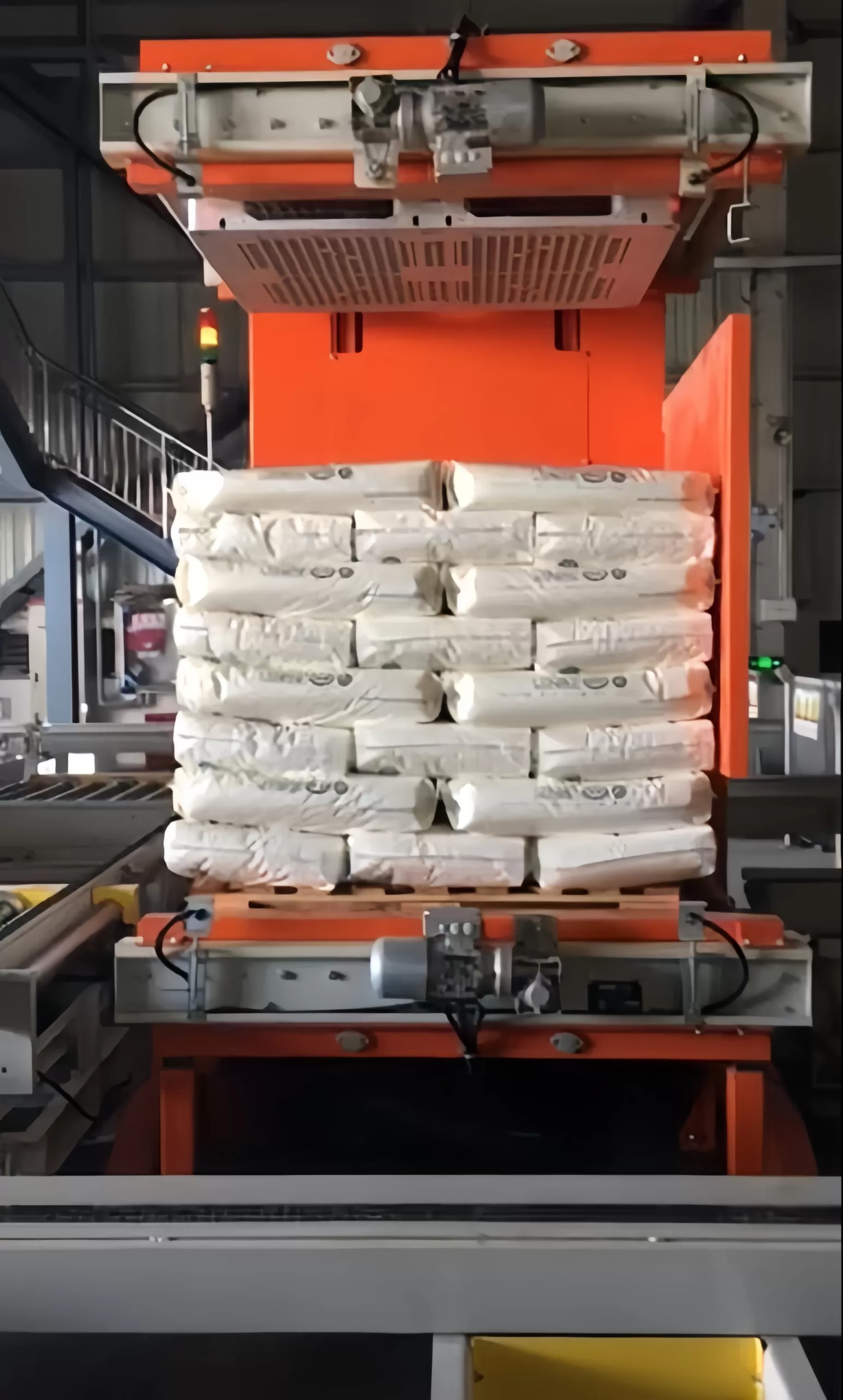
I’ve seen many clients struggle with this. They invest in high-quality products, only to see them compromised during the final stages of logistics. My focus at FHOPEPACK has always been to provide solutions that not only move products but also protect them. Here is how pallet flippers achieve this:
-
Gentle and Controlled Handling:
- ✋ Manual Risks: When workers manually flip, slide, or lift products, there’s always a risk of dropping items, bumping them against other surfaces, or applying uneven pressure. This can lead to crushed corners, torn packaging, or even internal product damage, especially for delicate goods.
- ⚙️ Flipper Advantage: A pallet flipper uses hydraulic or electric mechanisms to securely clamp the entire load. The inversion or transfer process is smooth and controlled, moving at a consistent speed. This eliminates sudden jolts, impacts, and the uneven forces associated with human handling.
- ✨ Result: Products remain in their original condition, free from new damage during the rework process.
-
Maintaining Load Stability:
- ⛰️ Manual Risks: An unstable load is a recipe for disaster. Trying to manually move or adjust a pallet that’s already wobbly can cause the entire stack to collapse, leading to significant product loss and potential injury.
- 🔒 Flipper Advantage: Pallet flippers are designed to handle entire unit loads. They clamp the product tightly from multiple sides, creating a secure “sandwich” that prevents any shifting or falling during the inversion or transfer. The load effectively becomes a single, stable unit within the machine.
- 🌟 Result: The integrity of the stack is maintained, preventing costly product collapses and ensuring that items remain neatly arranged for subsequent processes.
-
Preventing Contamination and Damage from Pallet Issues:
- 🪵 Manual Risks: If a wooden pallet splinters or breaks, fragments can contaminate sensitive products, particularly in the food and beverage industry. A damaged pallet can also cause uneven weight distribution, making the load susceptible to damage.
- hygienic palletFlipper Advantage: By quickly and cleanly transferring products from a damaged or unsanitary pallet to a new, clean one (like a plastic hygienic pallet), the flipper prevents contamination. The process is isolated and minimizes exposure.
- 🛡️ Result: This upholds hygiene standards, prevents product spoilage or rejection due to contamination, and ensures that products are always resting on a structurally sound base.
-
Reducing Exposure to Environmental Factors:
- 🌡️ Manual Risks: Extended manual rework outside of controlled environments can expose products to dust, moisture, or temperature fluctuations, especially if the product has to be de-palletized and re-palletized manually over a long period.
- 💨 Flipper Advantage: The rapid operation of a pallet flipper minimizes the time products are exposed during the transfer. This is particularly important for temperature-sensitive goods or items that need to remain in a clean environment.
- ⏱️ Result: Faster processing means less exposure, helping to preserve the quality and shelf life of sensitive products. (Product integrity, damage prevention, controlled handling, load stability, hygienic pallet transfer)
Can Pallet Flippers Streamline the Re-packaging Process?
In today’s fast-paced logistics world, speed is everything. Carlos, the manager I mentioned earlier, constantly faces pressure from e-commerce and retail clients who demand quicker delivery times. Any bottleneck in the warehouse, especially during re-packaging, can lead to costly delays and dissatisfied customers. Manual re-packaging is notoriously slow and labor-intensive.
Yes, pallet flippers can significantly streamline the re-packaging process by automating the core task of pallet exchange and load manipulation. They drastically reduce the time and manual effort required for switching pallet types, accessing specific product layers for modification, or preparing goods for different shipping routes, boosting overall warehouse throughput.
When I founded FHOPEPACK, my goal was to bring advanced packing machine solutions to businesses, helping them not just survive but thrive. This means making processes faster, smarter, and more efficient. Pallet flippers are a prime example of this philosophy. Here’s how they streamline your re-packaging operations:
-
Accelerated Pallet Exchange:
- ⏰ Manual Bottleneck: Changing a pallet manually involves de-stacking, re-stacking, and often re-wrapping the entire load. This can take a team of workers a considerable amount of time for each pallet, creating significant delays, especially when thousands of pallets need processing daily.
- ⚡ Flipper Speed: A pallet flipper can complete a full pallet exchange in just a few minutes, from clamping the load to releasing it onto a new pallet. This speed dramatically reduces the cycle time for re-packaging tasks.
- 📈 Impact: This rapid exchange means higher throughput, allowing your warehouse to process more goods in less time and meet demanding delivery schedules.
-
Reduced Labor Requirements:
- 🧑🤝🧑 High Labor Costs: Manual re-packaging requires multiple workers dedicated to physically moving and manipulating heavy loads. With rising labor costs and a shortage of people willing to do physically demanding work, this becomes a major financial drain.
- 🤖 Automation Efficiency: A single operator can manage a pallet flipper. This machine does the heavy lifting and precise movements, freeing up other staff to focus on more value-added tasks elsewhere in the warehouse.
- 💰 Impact: This directly addresses labor shortage issues and reduces overall operational costs by optimizing your workforce.
-
Versatility for Different Pallet Types:
- 🔄 Compliance Challenges: International logistics and diverse customer requirements mean dealing with various pallet sizes (Euro, US, GKN, plastic, wood). Manually adapting to these differences for re-packaging is complex and time-consuming.
- 🌍 Adaptable Solutions: Modern pallet flippers, like those from FHOPEPACK, are often designed to handle a wide range of pallet dimensions and materials. They can smoothly transfer loads between different pallet types without adjustments, or with minimal setup changes.
- 🌐 Impact: This flexibility ensures that your re-packaging process remains agile and compliant, regardless of the incoming or outgoing pallet specifications, making it easier to serve diverse markets.
-
Integration into Automated Lines:
- 🔗 Seamless Flow: For warehouses moving towards full automation, standalone manual processes are disruptive. Pallet flippers can be integrated into existing conveyor systems or automated lines.
- ⚙️ Automated Rework Stations: This means a damaged or non-compliant pallet can be diverted to a pallet flipper station, quickly processed, and then returned to the main line, all with minimal human intervention.
- 🚀 Impact: Such integration enhances end-to-end automation, reducing manual touchpoints and creating a continuous, efficient flow of goods through your facility. (Re-packaging efficiency, accelerated pallet exchange, reduced manual labor, multi-pallet type versatility, automated warehouse integration)
What Safety Benefits Do Pallet Flippers Offer in Rework Environments?
Safety is paramount in any warehouse. Carlos, the experienced manager, is particularly concerned about this. He knows that manual flipping or replacing pallets carries significant risks. Accidents, like goods toppling over or workers getting injured, have already happened in his facility. These incidents are not just tragic for the individuals involved; they also lead to costly insurance claims, downtime, and a negative impact on morale.
Pallet flippers offer crucial safety benefits in rework environments by eliminating the need for hazardous manual handling. They remove workers from dangerous situations like heavy lifting, precarious load movements, and working in close proximity to unstable stacks, thereby significantly reducing the risk of crushing injuries, strains, and accidents.
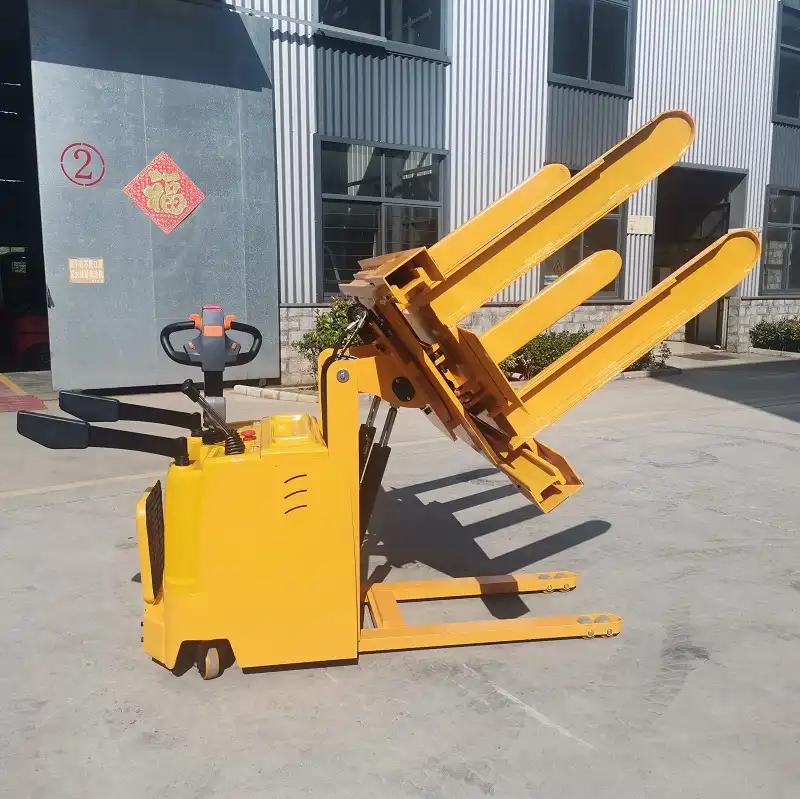
In my years in the packing machine industry, I’ve seen the real human cost of unsafe practices. My goal with FHOPEPACK is not just to improve efficiency, but to create safer workplaces. Pallet flippers are a cornerstone of this commitment. Here’s how they protect your team:
-
Elimination of Manual Heavy Lifting:
- 🏋️ Manual Hazard: Workers frequently suffer from musculoskeletal injuries (MSIs) like back strains, sprains, and hernias from manually lifting, twisting, and bending to move heavy pallets or products. These injuries are a leading cause of lost workdays.
- 💪 Mechanical Solution: A pallet flipper takes over all the heavy lifting and manipulation. It’s designed to securely hold and move hundreds or even thousands of pounds with precision.
- ⚕️ Safety Gain: This directly removes the physical strain from workers, drastically reducing the incidence of MSIs and improving overall worker health and well-being.
-
Prevention of Load Falls and Collapses:
- ⚠️ Instability Risk: Manually handling an unstable or top-heavy pallet load is incredibly dangerous. The load can shift, topple, or collapse without warning, causing severe injuries to anyone nearby and destroying products.
- 🛡️ Secure Clamping: Pallet flippers employ robust clamping mechanisms that grip the load firmly from all sides. This secure hold ensures that the product remains stable throughout the entire inversion or transfer process, even if the original pallet was damaged or the load was unstable.
- 👷 Safety Gain: This eliminates the risk of load collapses, protecting workers from crushing injuries and preventing costly product damage.
-
Reduced Forklift Interaction in Rework Areas:
- टक्कर Collision Risk: Many warehouse accidents involve forklifts, especially in congested rework areas where manual operations and machine traffic often mix. Workers often have to move around pallets being handled by forklifts.
- 🚧 Dedicated Automation: A pallet flipper creates a designated, controlled zone for pallet exchange. Once the pallet is placed into the flipper, the machine performs the operation independently. This means fewer people are working directly around moving forklift trucks during rework tasks.
- 🚧 Safety Gain: This reduces the potential for collisions between pedestrians and material handling equipment, making the rework area safer.
-
Improved Ergonomics and Worker Comfort:
- 🚶♀️ Repetitive Strain: Even if not heavy lifting, repetitive tasks involved in manual re-packaging can lead to cumulative trauma disorders.
- ✅ Automated Support: By automating the most physically demanding parts of the rework process, pallet flippers create a less strenuous work environment. Operators supervise the machine rather than perform taxing physical labor.
- ✨ Safety Gain: This contributes to a healthier workforce, reduces fatigue, and allows employees to focus on tasks that require cognitive skills rather than brute strength. (Warehouse safety, injury prevention, manual handling reduction, load stability, forklift accident reduction)
How Do Pallet Flippers Impact Operational Costs in Re-packaging?
Every business watches its bottom line closely. In the logistics and warehousing sector, operational costs can quickly spiral out of control if processes are inefficient. Rework and re-packaging, especially when done manually, are often hidden cost centers. They consume labor, lead to product damage, and can result in financial penalties for missed deadlines. Carlos, with his focus on cost-controlled operations, knows this well.
Pallet flippers significantly impact operational costs in re-packaging by driving down expenses related to labor, product damage, and potential penalties. They achieve this through increased efficiency, reduced reliance on manual intervention, and improved safety, ultimately leading to a strong return on investment and a more profitable operation.
My experience has taught me that investing in the right equipment pays dividends. At FHOPEPACK, we design solutions that deliver tangible cost savings. Here’s how pallet flippers improve your financial health:
-
Reduced Labor Costs:
- 💸 High Wage Bill: Manual re-packaging requires a team of workers for extended periods, especially with high volumes. This translates directly into substantial payroll expenses, including wages, benefits, and overtime.
- 💰 Leaner Operations: A pallet flipper can replace the work of several employees, or at least drastically reduce the time they spend on a specific task. One operator can often manage the machine. This allows you to reallocate staff to other, more productive areas, or reduce overall staffing needs.
- 📉 Savings: This leads to significant savings in direct labor costs, which is a major factor for businesses facing rising wages and labor shortages.
-
Minimized Product Damage and Waste:
- 💔 Cost of Damage: Products damaged during manual rework cannot be sold, resulting in direct financial loss. This includes not just the product value but also disposal costs and the administrative burden of handling damaged goods.
- 🛡️ Protected Goods: As discussed, pallet flippers handle loads gently and securely, dramatically reducing the risk of damage during transfer or inversion. This ensures that more of your product reaches the customer in perfect condition.
- ✅ Savings: Less damage means fewer write-offs, reduced waste, and a higher percentage of salable inventory, directly improving profitability.
-
Avoidance of Fines and Penalties:
- штраф Compliance Fines: Failing to meet specific pallet requirements for international shipments can result in customs delays, demurrage charges, and even fines at the destination port. Delays in re-packaging can also lead to contractual penalties from retail or e-commerce partners.
- ⏱️ Timely Compliance: Pallet flippers ensure that pallet type changes are made quickly and accurately, allowing shipments to meet deadlines and compliance standards without costly delays.
- 💰 Savings: By avoiding these penalties and keeping your supply chain flowing smoothly, you protect your financial standing and maintain strong relationships with clients.
-
Lower Insurance Premiums and Accident Costs:
- 🏥 Accident Expense: Workplace injuries from manual handling lead to higher insurance premiums, workers’ compensation claims, legal fees, and lost productivity due to employee absence. These costs can be substantial and unpredictable.
- ✅ Safer Workplace: By automating hazardous tasks, pallet flippers create a safer work environment, significantly reducing the likelihood of accidents and injuries.
- 📉 Savings: Fewer accidents mean lower insurance costs, reduced compensation payouts, and a more stable, productive workforce, contributing to long-term financial health.
-
Increased Throughput and Operational Efficiency:
- 🛑 Bottleneck Impact: Manual rework creates bottlenecks that slow down the entire warehouse operation, reducing overall throughput and limiting your capacity to handle higher volumes.
- 🚀 Streamlined Flow: Pallet flippers accelerate rework processes, ensuring that goods move through the facility more quickly. This increased efficiency means you can process more pallets with existing resources.
- 📈 Savings: Higher throughput translates into better utilization of your warehouse space and equipment, reduced need for expansion, and the ability to scale operations without proportional increases in overhead. (Operational cost reduction, labor expense savings, damage mitigation, penalty avoidance, increased throughput)
Conclusion
Pallet flippers are far more than just machines; they are strategic investments that address critical challenges in modern warehousing. They boost efficiency, enhance safety, safeguard product quality, and significantly reduce operational costs in quality rework and re-packaging scenarios. For any business striving for seamless, compliant, and cost-effective logistics, integrating a pallet inverter like those offered by FHOPEPACK is not just an option—it’s a smart, essential move.








