
How Can a Pallet Flipper Help with Damaged Load Recovery?
Imagine this: You have a tight schedule, critical shipments waiting, and suddenly, a pallet load tips over or its contents shift. Panic sets in. You see lost time, potential product damage, and even safety hazards. The pressure to fix it quickly, safely, and without further loss is immense. This scenario is a common nightmare for warehouse and logistics managers, causing significant stress and operational bottlenecks. (damaged load recovery, warehouse challenges, operational bottlenecks)
A pallet flipper is an essential piece of equipment designed to efficiently and safely handle unstable, damaged, or poorly stacked pallet loads, making it indispensable for effective damaged load recovery by allowing operators to rotate, invert, or transfer goods without manual intervention, isolating damaged items and preventing further loss while significantly improving safety and efficiency.
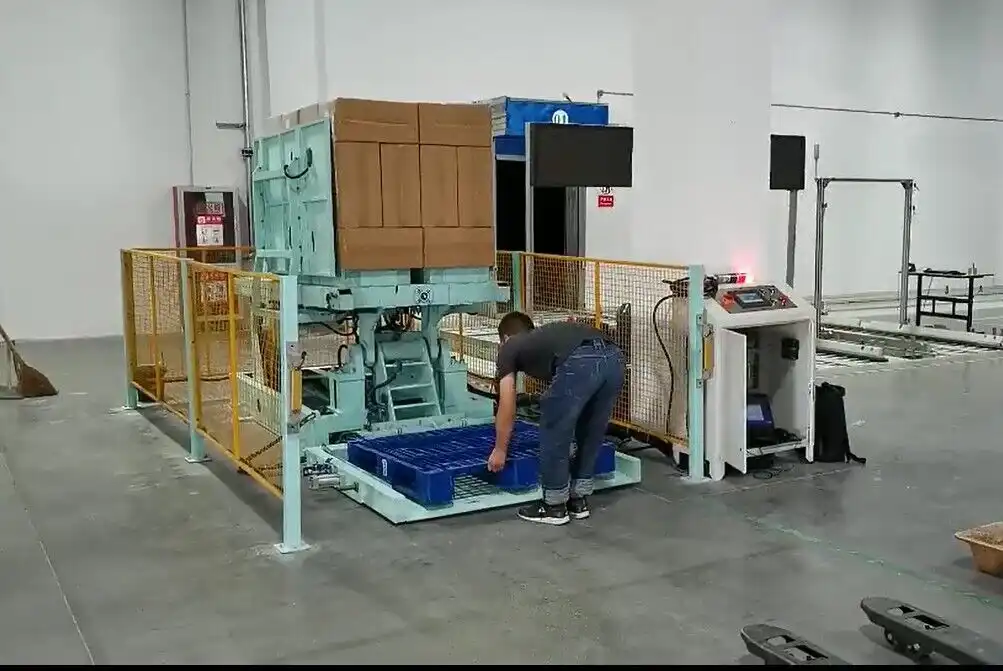
As someone who started on the factory floor and then built a successful packing machine business, I have seen these situations countless times. The good news is, you do not have to tackle these challenges with outdated methods. There are modern, effective solutions available. Let us explore how a pallet flipper can transform your damaged load recovery process, making it safer, faster, and more cost-effective. (modern handling solutions, Randal Liu’s insights, improved warehouse operations)
Why Is Damaged Load Recovery Such a Big Problem for Operations?
Have you ever faced the frustration of a damaged pallet interrupting your entire workflow? It is not just about a few broken items. The ripple effect can be enormous, impacting delivery times, customer satisfaction, and your bottom line. Ignoring or mishandling damaged loads creates a chain reaction of problems that can quickly escalate. (logistics disruptions, supply chain issues, operational inefficiency)
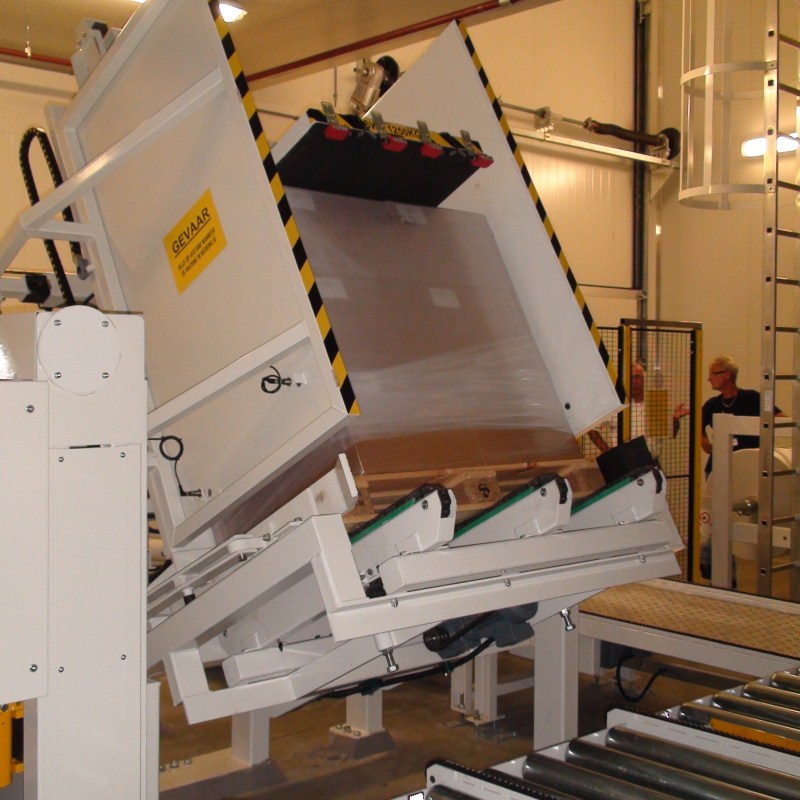
Damaged load recovery is a significant operational problem because it directly leads to increased labor costs, extended downtime, potential product write-offs, compliance risks, and a heightened chance of workplace accidents, all of which erode profitability and operational efficiency for businesses like those in food and beverage distribution or international logistics.
Dive deeper into the real impact of damaged loads:
When a pallet of goods becomes unstable or damaged, it creates a cascade of issues that can cripple a warehouse or distribution center. This is not just an inconvenience; it is a serious operational hazard and a financial drain. I have seen firsthand how easily a small incident can snowball into a major problem, especially in high-volume environments where thousands of pallets move daily. The pressures of modern logistics, with its demands for speed and precision, make effective recovery even more critical. Businesses need solutions that can handle these challenges head-on, protecting both their products and their people.
-
Financial Losses: 💸
- Product Write-offs: Damaged goods often cannot be sold, leading to direct loss of inventory value. This impacts profit margins directly.
- Increased Labor Costs: Manual handling of damaged loads requires extra staff time, often skilled labor, which takes them away from their primary duties. This adds to overtime expenses and reduces overall productivity.
- Penalty Fines: Delays caused by damaged load recovery can result in contractual penalties from clients, especially in industries with strict delivery windows, such as retail and e-commerce.
- Higher Insurance Premiums: A history of accidents and damaged inventory can lead to increased insurance costs for the warehouse and its operations.
- Lost Sales & Customer Churn: Delays or incorrect shipments due to damaged goods can lead to dissatisfied customers who might take their business elsewhere.
-
Operational Inefficiencies: ⏳
- Downtime: The entire handling process might stop or slow down while staff addresses the damaged pallet, creating bottlenecks in receiving, storage, or dispatch.
- Reduced Throughput: When resources are diverted to recovery, the overall capacity of the warehouse to process goods decreases, impacting daily quotas and output.
- Complex Rework: Damaged loads often require time-consuming manual restacking, repackaging, or sorting, which is inefficient and labor-intensive.
- Space Congestion: Damaged pallets might need to be quarantined or moved to designated areas, taking up valuable warehouse space.
-
Safety Risks: ⚠️
- Worker Injuries: Manual manipulation of heavy, unstable, or shifting loads poses a significant risk of sprains, strains, crushing injuries, or falls. My company, FHOPEPACK, always prioritizes worker safety in our designs.
- Equipment Damage: Damaged loads can fall, potentially harming forklifts, racking systems, or other warehouse infrastructure, leading to costly repairs and further downtime.
- Product Contamination: In industries like food and beverage, damaged packaging can lead to product contamination, creating health risks and regulatory issues.
- Slip and Fall Hazards: Spilled contents from damaged packages can create slippery surfaces, increasing the risk of accidents for employees.
-
Compliance and Reputation Issues: ⚖️
- Regulatory Non-compliance: Damaged goods, especially in food or pharmaceutical sectors, might violate safety and quality regulations, leading to fines or recalls.
- Brand Image Damage: Repeated issues with damaged deliveries can harm a company’s reputation, making it harder to attract and retain customers.
- Audit Failures: Poor handling of damaged goods can lead to negative findings in internal or external audits, highlighting operational weaknesses.
(warehouse cost implications, inventory loss management, employee safety in logistics, supply chain resilience)
How Does a Pallet Flipper Specifically Aid in Unstable or Damaged Pallet Recovery?
When faced with a pallet that is falling apart or has shifted dangerously, manual handling is often inefficient and risky. It can feel like playing a game of Jenga with very expensive and heavy pieces. So, how do you manage to get things back in order without making the situation worse or putting your team at risk? The answer lies in specialized equipment designed for exactly this challenge. (unstable load handling, specialized equipment benefits, material handling solutions)
A pallet flipper specifically aids in unstable or damaged pallet recovery by providing a controlled, mechanical method to rotate, invert, or transfer the entire load without requiring manual restacking, allowing operators to safely access the compromised pallet, replace it, or remove damaged goods, thereby stabilizing the load and preventing further product loss or worker injury.

Dive deeper into the mechanics of recovery:
From my perspective, having designed and seen countless packing solutions, the real magic of a pallet flipper during recovery is its ability to isolate the problem without manual intervention. It transforms a complex, risky manual task into a simple, mechanized process. This is particularly valuable when you are dealing with diverse pallet types, from Euro to American standards, or even plastic pallets, all of which might encounter damage. A well-designed pallet flipper acts as a silent hero, maintaining load integrity and operational flow.
-
Controlled Rotation and Inversion: 🔄
- Safe Access: A pallet flipper can clamp an entire unstable load securely. Then, it can gently rotate it 90, 180, or even 360 degrees. This allows workers to safely access the bottom or sides of the pallet without needing to manually re-stack.
- Load Stabilization: By carefully turning the load, operators can identify and fix shifted items or replace a broken pallet underneath without disassembling the entire stack. This maintains the load’s integrity, reducing the chance of further damage.
- Vertical Inversion: For loads where the damage is at the very bottom or involves a broken pallet, an inverter can turn the entire load upside down. This provides easy access to the problematic base for replacement or repair.
-
Seamless Pallet Transfer: 📦
- Replacing Damaged Pallets: One of the most common reasons for recovery is a damaged or splintered pallet base. A pallet flipper makes it easy to separate the load from its original pallet and transfer it onto a new, undamaged one. This is crucial for avoiding compliance issues and ensuring safe transport.
- Switching Pallet Types: If a load needs to move from a damaged Euro pallet to a sound American pallet (a scenario I often hear from clients in international logistics), the flipper can manage this transition smoothly, maintaining the product stack.
- Hygienic Transfers: In food and beverage industries, goods might need to be transferred from wooden pallets to hygienic plastic pallets. A flipper facilitates this transfer without exposing the product to manual handling or the floor.
-
Damage Assessment and Sorting: 🕵️
- Visual Inspection: By rotating the load, operators can get a full view of all sides, making it easier to spot hidden damage that might otherwise go unnoticed.
- Isolation of Damaged Goods: Once rotated, any damaged items can be carefully removed from the load, leaving the intact goods ready for onward shipment or storage. This minimizes the write-off of an entire pallet for just a few damaged items.
- Repackaging Opportunities: The ability to access all parts of the load means that minor repacking or re-securing of items can be done in place, reducing the need to move the load to a separate rework area.
-
Minimizing Manual Intervention: 🚫
- Reduced Labor: The mechanical nature of the pallet flipper drastically reduces the need for manual lifting, shifting, and restacking. This frees up personnel for other tasks and addresses labor shortage concerns.
- Eliminating Human Error: Automated handling removes the human element from the most strenuous and risky parts of load recovery, significantly lowering the chance of mistakes that could lead to more damage or injury.
- Consistent Handling: A machine provides consistent and controlled movement, ensuring that even a delicate load is handled gently during the recovery process, unlike variable manual efforts.
(automated load handling, pallet exchange solutions, safe product transfer, warehouse technology)
What Safety Advantages Do Pallet Flippers Offer During Load Repair?
The warehouse floor can be a hazardous place, especially when dealing with unstable loads. Manual intervention in these situations often puts workers directly in harm’s way, leading to preventable injuries and costly compensation claims. Is there a way to make load repair fundamentally safer for your team? Absolutely. (workplace safety improvement, injury prevention in logistics, hazardous material handling)
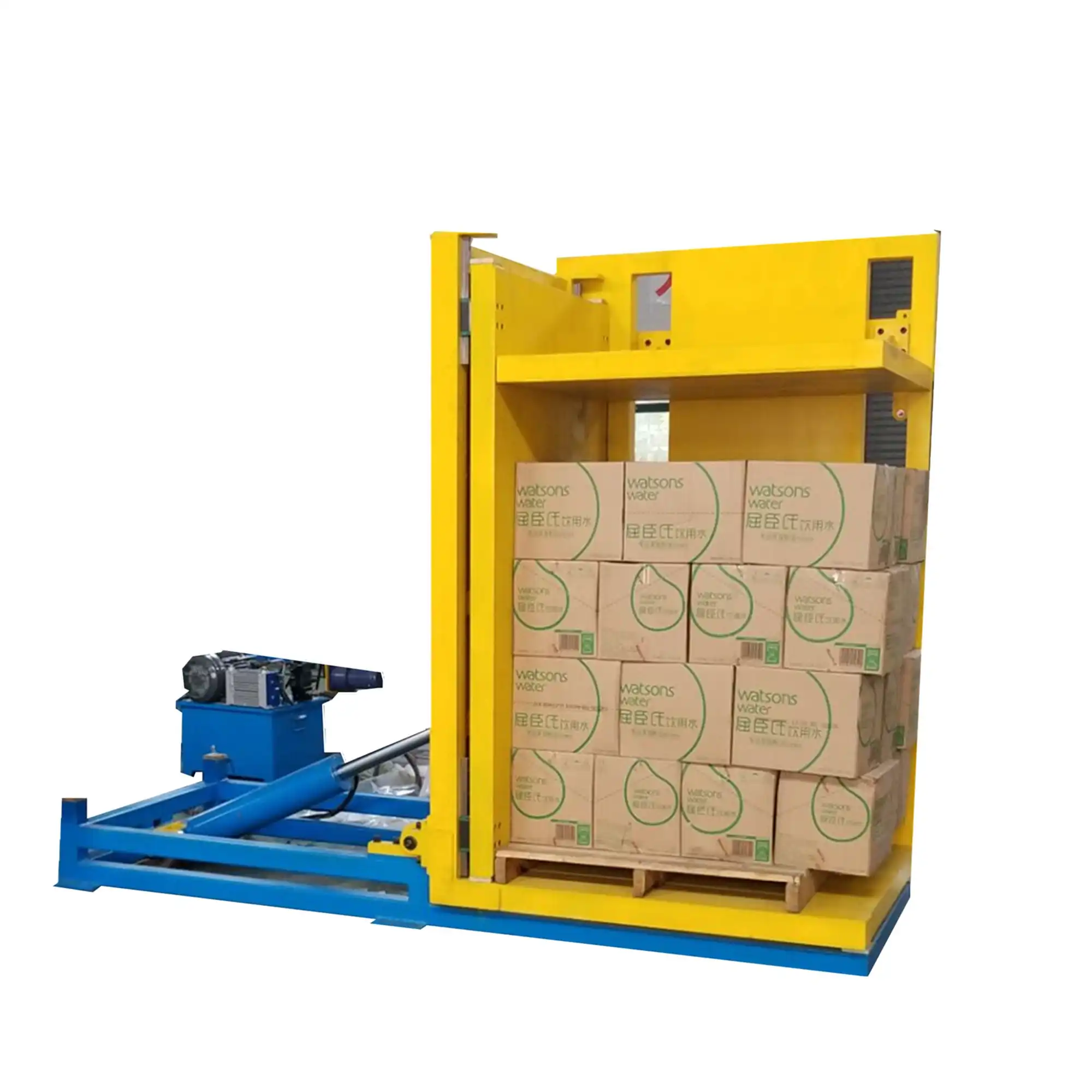
Pallet flippers offer significant safety advantages during load repair by eliminating the need for manual lifting, tilting, or re-stacking of heavy, potentially unstable loads, thereby drastically reducing the risk of crushing injuries, strains, falls, and other accidents associated with human intervention, creating a much safer environment for warehouse personnel.
Dive deeper into enhanced safety protocols:
Having spent years in this industry, first as an engineer and then running my own factory, I have always put safety at the forefront of machine design. Accidents are not just bad for people; they are bad for business. For a warehouse manager like Carlos, who values ergonomic safety and understands the impact of incidents, a pallet flipper is an investment in human capital. It turns dangerous manual tasks into safe, mechanized operations, protecting your most valuable asset: your employees.
-
Elimination of Manual Handling Risks: 👷
- Reduced Physical Strain: Workers no longer need to manually lift or maneuver heavy, awkward products or entire pallets. This significantly lowers the risk of back injuries, muscle strains, and repetitive stress injuries.
- Prevention of Crushing Accidents: The flipper securely clamps the load, removing the danger of goods falling or shifting onto workers during repair or transfer. This prevents severe crushing injuries that can occur with unstable loads.
- Protection from Falling Objects: When a load is damaged, items can shift or fall. A pallet flipper keeps the load contained and controlled, protecting operators from falling boxes or products during the recovery process.
-
Controlled and Predictable Movements: 🤖
- Smooth Operation: Pallet flippers execute smooth, controlled rotations and inversions, unlike the jerky, unpredictable movements that can happen with manual handling or improvised methods. This stability prevents further load collapse.
- No Unstable Stacking: The machine handles the entire pallet as one unit, preventing the need for workers to climb on unstable stacks or work in precarious positions to access damaged areas.
- Defined Work Zones: Using a pallet flipper establishes a clear, safe operating zone around the machine, separating personnel from the moving load during recovery operations.
-
Improved Ergonomics: 🧘
- Accessible Working Height: Many pallet flippers can be adjusted to an ergonomic working height, allowing workers to inspect and repair loads without excessive bending, reaching, or stretching.
- Reduced Fatigue: By mechanizing strenuous tasks, worker fatigue is drastically reduced. Tired workers are more prone to making mistakes and suffering injuries.
- Better Posture: The design of these machines encourages operators to maintain neutral postures, minimizing stress on the body compared to manual load manipulation.
-
Compliance with Safety Regulations: ✅
- OSHA and Local Regulations: Implementing mechanical aids like pallet flippers helps companies comply with occupational safety standards and reduce the likelihood of costly fines or legal actions related to workplace injuries.
- Lower Insurance Premiums: A strong safety record, bolstered by the use of protective equipment, can lead to lower workers’ compensation insurance premiums over time.
- Positive Safety Culture: Investing in equipment that prioritizes safety demonstrates a commitment to employee well-being, fostering a positive safety culture within the organization.
(warehouse safety equipment, injury prevention solutions, ergonomic material handling, occupational health)
Can Pallet Flippers Improve Efficiency and Reduce Costs in the Recovery Process?
In the fast-paced world of logistics, every minute counts, and every dollar saved adds to the bottom line. When a damaged load halts operations, the clock is ticking, and costs are mounting. Is there a practical way to speed up recovery and turn those potential losses into savings? The answer lies in smart automation. (logistics cost reduction, warehouse efficiency gains, automated material handling ROI)
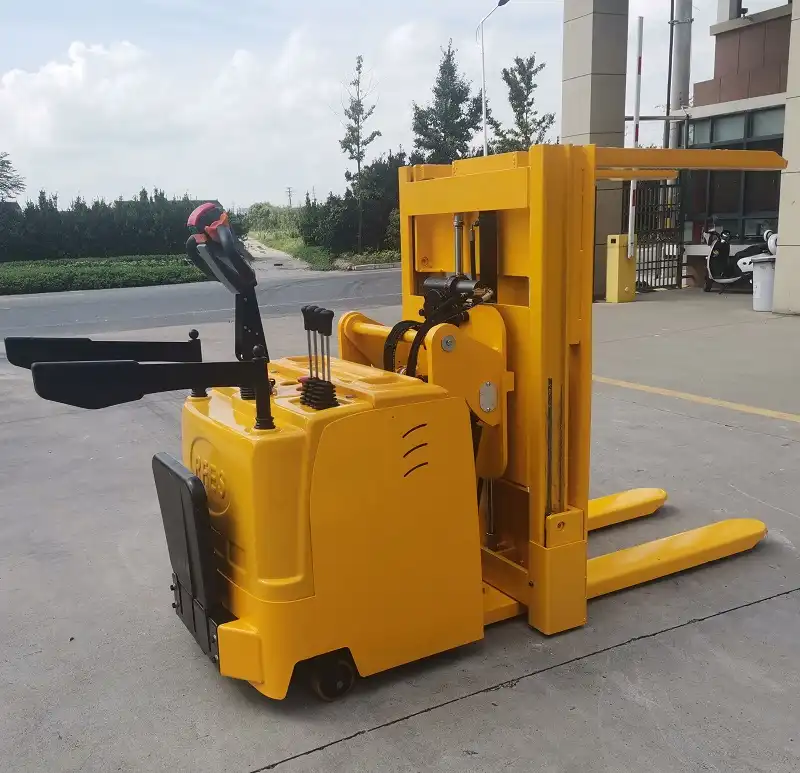
Pallet flippers significantly improve efficiency and reduce costs in the recovery process by dramatically cutting down the time and labor required for manual load manipulation, minimizing product write-offs through careful handling, and enabling quicker return to normal operations, thereby optimizing throughput and lowering overall operational expenses.
Dive deeper into operational and cost savings:
I have always believed that the best machines are those that not only perform a task but also empower the user to do more with less. For businesses dealing with thousands of pallets daily, like large food and beverage distributors, the efficiency gains from a pallet flipper are not marginal; they are transformative. When I think about Carlos’s challenge of shortening delivery cycles and dealing with rising labor costs, a solution that automates and streamlines recovery is not just beneficial—it is essential for competitiveness.
-
Accelerated Recovery Time: 🚀
- Faster Pallet Changes: A pallet flipper can complete a full pallet change or inversion in minutes, a task that would take multiple workers significantly longer, especially for large or heavy loads. This drastically reduces downtime.
- Streamlined Inspection: The ability to quickly rotate a load for inspection means damaged areas are identified and addressed faster, getting the pallet back into the supply chain sooner.
- Reduced Bottlenecks: By speeding up the recovery process, the flipper prevents damaged loads from causing prolonged delays that back up other warehouse operations, ensuring a smoother flow of goods.
-
Significant Labor Cost Reductions: 💲
- Fewer Personnel Required: A single operator, often with a forklift, can manage the recovery process with a pallet flipper, compared to the multiple workers needed for manual manipulation. This addresses labor shortages and reduces payroll expenses.
- Redirected Labor: Skilled warehouse personnel can be re-assigned to higher-value tasks instead of tedious and risky load restacking.
- Reduced Overtime: Faster recovery means less need for overtime to catch up on schedules delayed by damaged loads.
-
Minimized Product Loss: 📉
- Gentle Handling: The controlled, mechanical action of a pallet flipper minimizes further damage to products during the recovery process, increasing the likelihood of salvaging goods that might otherwise be written off.
- Targeted Removal: Operators can precisely access and remove only the damaged items, leaving the intact portions of the load undisturbed and ready for use.
- Improved Load Integrity: By quickly stabilizing an unstable load, the flipper prevents additional shifting and damage during subsequent movements or storage.
-
Enhanced Operational Predictability: 📊
- Standardized Process: Using a pallet flipper introduces a standardized, repeatable process for damaged load recovery, making it more predictable and easier to integrate into operational planning.
- Reliable Performance: A robust machine, like those FHOPEPACK designs, offers reliable performance, ensuring that recovery processes are consistent and do not become an unpredictable variable in your operations.
- Better Resource Allocation: With predictable recovery times, managers can better allocate resources and plan workflows, optimizing overall warehouse capacity and output.
(warehouse automation benefits, operational cost savings, productivity enhancement, supply chain efficiency)
Are Pallet Flippers Versatile Enough for Different Types of Damaged Goods?
Every warehouse handles a unique mix of products, from delicate food items to heavy industrial components. Damaged loads can appear in many forms, on various pallet types, and with different levels of instability. This raises a crucial question: Can a single solution, like a pallet flipper, truly adapt to such diverse challenges? Or do you need a different tool for every problem? (versatile material handling, adaptable packaging machinery, multi-purpose equipment)
Yes, pallet flippers are highly versatile and engineered to handle a wide array of damaged goods and pallet types, including diverse standards like Euro and American pallets, as well as plastic or wooden bases, making them suitable for isolating and recovering anything from unstable boxed goods to collapsed drum loads, adapting to specific needs through various models and configurations.
Dive deeper into their adaptability:
My experience has taught me that true value comes from solutions that are not just effective but also adaptable. The needs of a food and beverage group, dealing with high volumes and strict hygiene, are different from those handling heavy machinery parts. Yet, the core problem of damaged load recovery remains. FHOPEPACK focuses on creating machines that offer flexibility, ensuring they can be a long-term partner in diverse operational environments.
-
Handling Diverse Pallet Types: 🌐
- International Standards: Pallet flippers are designed to accommodate common pallet sizes, including Euro (1200x800mm) and American (48×40 inches) standards. This is critical for international logistics operations that frequently switch between these types.
- Material Versatility: Whether a load is on a wooden, plastic, or even specialized metal pallet, the clamping and inversion mechanisms are built to handle various materials without causing further damage.
- Customization Options: Many FHOPEPACK models offer adjustable clamping pressures and opening widths, allowing them to firmly grip different pallet and load dimensions, ensuring a secure hold regardless of the base.
-
Accommodating Various Load Configurations: 📦
- Boxed Goods: The most common application involves boxed or cased products, which can easily shift or collapse. Flippers efficiently stabilize and allow for restacking or pallet replacement.
- Bagged or Sacked Items: For goods like sugar, flour, or cement in bags, which are prone to shifting and tearing, a flipper provides a contained environment to re-secure or transfer the load.
- Drums and Barrels: Specialized flipper models can handle drummed products, allowing for safe inversion to access leaks or replace pallets without manual tilting.
- Unitized Loads: Even irregular or shrink-wrapped unitized loads can be managed, provided they fit within the machine’s weight and size specifications.
-
Solutions for Different Damage Scenarios: 📉
- Bottom Pallet Damage: This is a primary function, where the original pallet is broken or contaminated, and the flipper enables a clean swap onto a new, sound pallet.
- Load Instability: For shifting loads, the flipper can gently rotate the entire stack, allowing operators to re-center products or apply additional wrapping/strapping to stabilize it.
- Partial Product Damage: If only a few items are damaged within a stack, the flipper provides access to isolate and remove those specific items without dismantling the entire pallet.
- Cross-Contamination: In food processing, if a wooden pallet has a spill, the flipper facilitates transferring products to a hygienic pallet quickly and cleanly.
-
Integration into Different Workflows: ⚙️
- Fixed vs. Mobile Units: Depending on the warehouse layout and frequency of use, pallet flippers can be fixed installations at a designated recovery station or mobile units that can be moved to the site of the damaged load.
- Manual to Automated Control: While most flippers are operated by a single user, advanced models can be integrated into more automated lines, improving throughput in high-volume recovery scenarios.
- Adaptable for Unique Needs: FHOPEPACK understands that every business has unique challenges. We work with clients to provide solutions that can be customized for specific load sizes, weights, and operational environments, embodying the spirit of a true partnership.
(pallet handling versatility, load integrity across products, tailored packing solutions, industrial flippers)
Conclusion
Damaged load recovery no longer needs to be a dangerous, costly, or time-consuming ordeal. By adopting a pallet inverter, operations can achieve significant improvements in safety, efficiency, and cost reduction. It is a vital investment that transforms a major operational headache into a streamlined, secure, and predictable process, ensuring your goods move smoothly and your team stays safe.
```







