
How Do Food and Beverage Manufacturers Benefit from Pallet Flippers?
Imagine your warehouse floor: pallets moving, goods being stacked, and constant pressure to meet tight delivery schedules. Now, picture a scenario where crucial operations, like changing damaged or non-compliant pallets, become a bottleneck. This challenge is real for many in the food and beverage industry, where hygiene, safety, and efficiency are non-negotiable. Manual pallet changes can slow things down, risk product contamination, and even endanger workers. I understand these pain points because FHOPEPACK is built on solving them. (warehouse efficiency challenges, food logistics bottlenecks)
Pallet flippers, also known as pallet changers or pallet inverters, offer significant advantages to food and beverage manufacturers by streamlining operations, enhancing workplace safety, ensuring product hygiene, and reducing overall operational costs. These systems automate the process of transferring goods from one pallet type to another, or simply inverting a load, making them indispensable for modern, high-volume food and beverage distribution centers aiming for peak performance and compliance. (pallet flipper benefits, food and beverage manufacturing solutions)

The need for speed, safety, and hygiene in food and beverage logistics is only growing. As supply chains become more complex, especially with international shipping, the right equipment can make all the difference. Let’s explore exactly how these ingenious machines help food and beverage manufacturers overcome common hurdles and gain a competitive edge in today’s demanding market. (modern logistics equipment, F&B supply chain demands)
How Do Pallet Flippers Transform Operational Efficiency in F&B Warehouses?
Are you constantly battling with slow pallet changes that disrupt your workflow and delay shipments? In the fast-paced world of food and beverage, every minute counts. Manual pallet switching is not just labor-intensive; it introduces errors, creates bottlenecks, and directly impacts your ability to fulfill customer orders on time. I’ve seen firsthand how these inefficiencies can ripple through an entire operation, affecting everything from production schedules to customer satisfaction. (warehouse workflow disruption, manual pallet handling issues)
Pallet flippers drastically improve operational efficiency in F&B warehouses by automating the laborious and time-consuming task of transferring goods between pallets. This automation reduces the need for manual handling, speeds up the process of switching pallet types for different shipping requirements, and minimizes the risk of product damage during transfer, leading to faster throughput and more consistent delivery times. (automated pallet transfer, F&B operational streamlining)
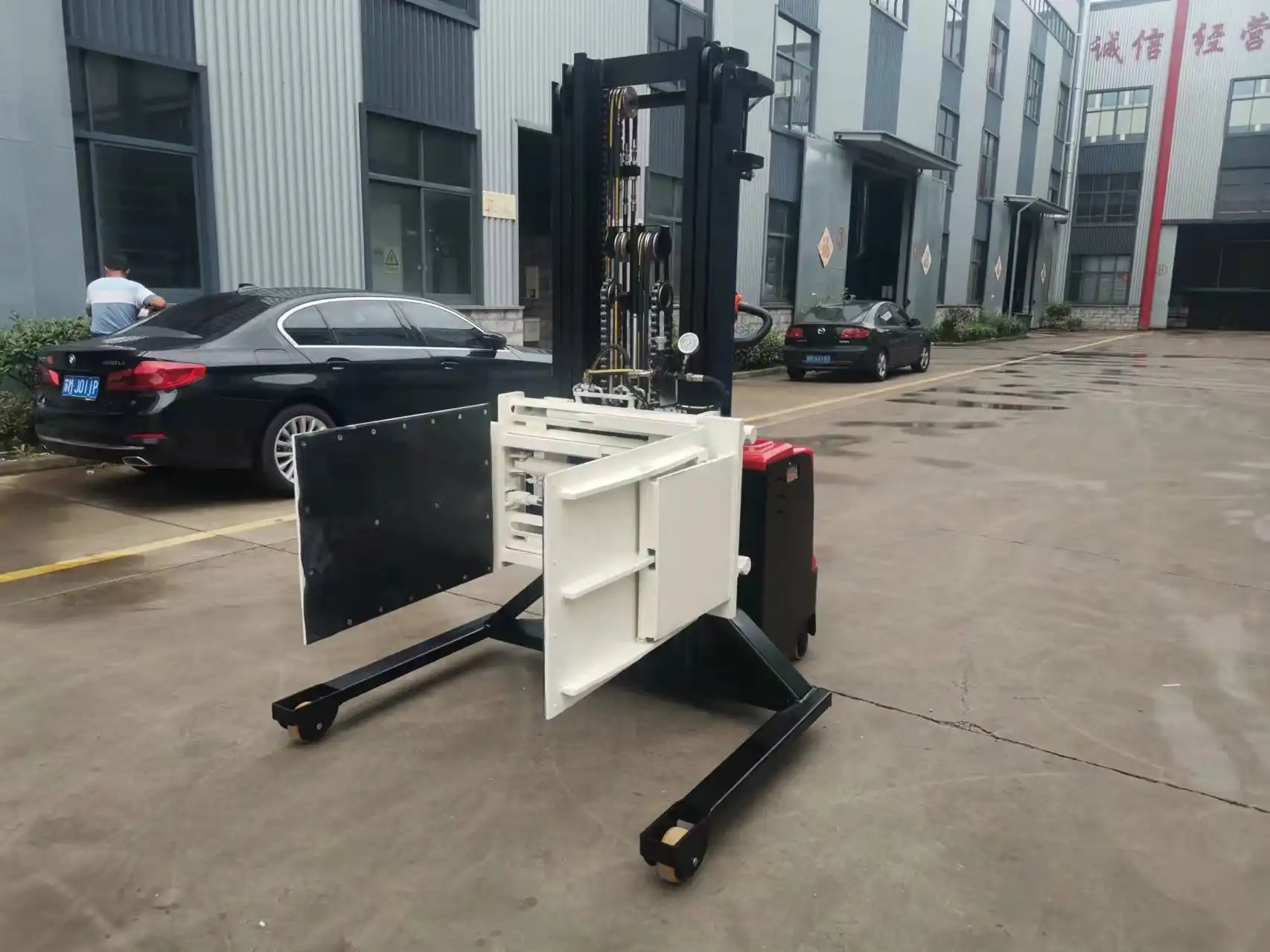
Dive Deeper: The traditional approach to changing pallets involves significant manual effort, often requiring multiple workers to physically move or invert heavy loads. This method is inherently slow and prone to mistakes, which can lead to expensive product damage or even worker injuries. Pallet flippers introduce a level of automation that fundamentally changes this dynamic. For example, in a European distribution center handling thousands of pallets daily for a multinational food and beverage group, like the one Carlos Rodríguez manages, the ability to quickly swap out a non-standard pallet for an export-compliant one is critical. This process, when automated, ensures that inbound goods can be quickly transferred to warehouse-standard pallets, and outbound goods can be prepared on pallets suitable for international destinations without breaking stride.
Here is how pallet flippers boost efficiency:
- Reduced Cycle Times: Pallet flippers can complete a pallet transfer in a matter of seconds or minutes, a fraction of the time it would take human operators. This rapid turnaround means fewer delays at loading docks and faster onward movement of goods. For high-volume operations, this cumulative time saving is substantial and directly impacts order fulfillment rates.
- Minimized Manual Intervention: By largely automating the transfer process, pallet flippers free up valuable labor resources. Instead of dedicating staff to physically shifting products, workers can focus on higher-value tasks like quality control, inventory management, or equipment maintenance. This also reduces the physical strain on employees, contributing to a more sustainable workforce.
- Consistent Performance: Unlike manual processes, which are subject to human fatigue and variability, automated pallet flippers deliver consistent performance every time. This reliability ensures that your pallet changing operations are predictable and can be accurately integrated into larger supply chain planning, reducing unexpected delays and improving overall scheduling.
- Optimized Space Utilization: Some pallet flipper models are compact or mobile, allowing them to be integrated into existing warehouse layouts without requiring extensive reconfigurations. This flexibility means that valuable warehouse space can be used more effectively for storage or other critical operations, rather than being dedicated to inefficient manual handling areas.
- Seamless Integration: Modern pallet flipper systems are designed to integrate smoothly with other warehouse automation technologies, such as conveyors, automated guided vehicles (AGVs), or warehouse management systems (WMS). This integration creates a more cohesive and intelligent operational flow, enabling better data tracking and real-time decision-making regarding inventory and shipment readiness. (automated pallet transfer systems, warehouse throughput improvement, labor optimization)
Can Pallet Flippers Seamlessly Manage Diverse Pallet Types for Global F&B Logistics?
Dealing with a mix of Euro, US, and plastic pallets for your international imports and exports can feel like a constant juggling act. Different countries and customers often demand specific pallet specifications, creating a logistical headache. If you’re manually transferring goods between these varied pallet types, you know the frustration: slow processes, potential errors, and the risk of costly non-compliance. My experience shows that this challenge is a major pain point for businesses operating in a global marketplace. (international pallet regulations, diverse pallet handling challenges)
Yes, pallet flippers are highly effective at managing diverse pallet types for global food and beverage logistics by providing a versatile and efficient solution for transferring products between different-sized or specified pallets. This capability ensures compliance with international shipping standards, streamlines export operations, and prevents delays often associated with manual re-palletizing for varied geographical requirements, such as switching between Euro pallets and US standard pallets. (global logistics compliance, multi-pallet type handling)
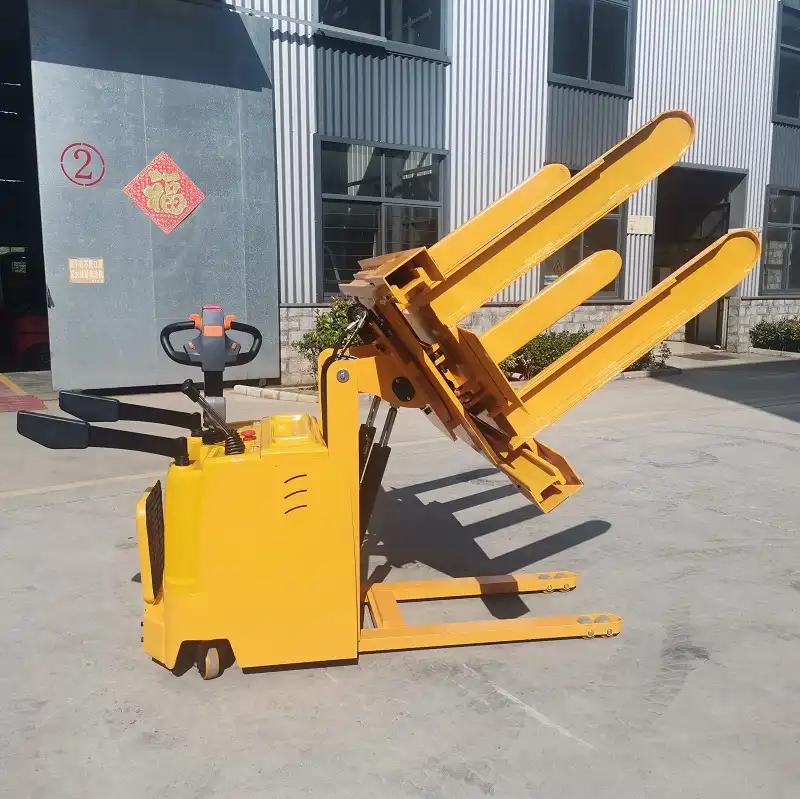
Dive Deeper: The global nature of the food and beverage industry means that products often cross borders, encountering a myriad of pallet standards along the way. For a logistics manager like Carlos Rodríguez, the daily reality includes moving goods from standard domestic pallets onto export-specific pallets, or vice-versa, depending on the origin or destination. This could involve transferring from a wooden pallet to a plastic hygiene pallet for food safety reasons, or from a Euro pallet (1200x800mm) to a US pallet (48×40 inches) to meet carrier specifications for overseas shipments. Manual execution of these changes is not only inefficient but also increases the likelihood of human error, which can lead to mislabeled shipments, damaged goods, or even customs delays and fines.
Here’s how pallet flippers handle this complexity:
- Adaptability to Multiple Pallet Sizes: Many modern pallet flippers are designed with adjustable clamping and pressure systems that can accommodate a range of pallet dimensions and product heights. This flexibility means one machine can handle transfers involving Euro pallets, US pallets, and other regional standards, eliminating the need for separate manual processes or specialized equipment for each type.
- Facilitating Hygiene Standards: In the food and beverage sector, hygiene is paramount. Plastic pallets are often preferred for internal warehousing and certain export destinations due to their ease of cleaning and resistance to contaminants. Pallet flippers allow for the seamless transfer of goods from incoming wooden transport pallets (which may harbor pests or contaminants) onto clean, food-grade plastic pallets for internal storage or processing, and then back onto shipping pallets as needed. This significantly reduces the risk of cross-contamination.
- Ensuring Export Compliance: Different countries have specific phytosanitary regulations (e.g., ISPM 15 for wooden pallets) or prefer certain pallet materials. Pallet flippers enable efficient compliance by making it easy to transfer products onto the required pallet type before shipment. This proactive measure prevents costly rejections at customs and ensures smooth passage through international logistics networks.
- Reduced Labor for Repackaging: Without a pallet flipper, switching pallet types often means manually unpacking, re-palletizing, and re-wrapping goods. This is highly labor-intensive and adds significant time and cost. Pallet flippers execute the transfer without disturbing the product stack, keeping the load intact and ready for its next stage, whether it’s storage or immediate dispatch.
- Damage Prevention During Transfer: The automated and controlled movement of a pallet flipper significantly reduces the chance of product damage during the transfer process. Consistent pressure and smooth inversion mechanisms protect sensitive food and beverage items from jostling or accidental drops that are more common with manual handling, maintaining product integrity from warehouse to customer. (international pallet standards, food-grade pallet transfer, export logistics solutions, phytosanitary compliance)
How Do Pallet Flippers Significantly Enhance Safety in Food and Beverage Handling?
Are you concerned about the safety of your warehouse personnel, especially when they’re dealing with heavy loads or trying to invert pallets manually? The food and beverage industry often involves moving substantial volumes of products, and traditional manual pallet handling methods inherently carry high risks of injury. I’ve heard countless stories about back strains, crushed limbs, and even falling products resulting from unsafe handling practices. This is not only a human cost but also a financial burden through medical expenses, lost productivity, and increased insurance premiums. (warehouse safety concerns, manual handling risks)
Pallet flippers significantly enhance safety in food and beverage handling by eliminating the need for hazardous manual lifting, twisting, or inverting of heavy palletized loads. They provide a controlled, mechanized process for transferring goods, drastically reducing the risk of workplace injuries such as back strains, crush injuries, and accidents from falling product. This automation creates a safer working environment, protecting employees and reducing the financial liabilities associated with workplace accidents. (industrial safety improvements, pallet handling injury prevention)
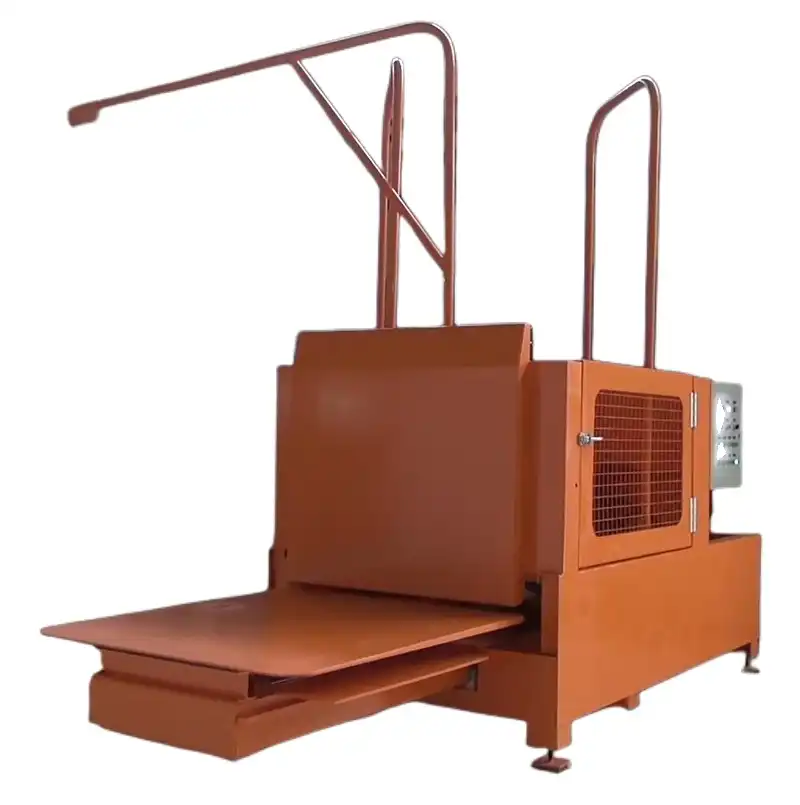
Dive Deeper: For a warehouse and logistics manager like Carlos Rodríguez, worker safety is not just a moral imperative; it’s a critical operational concern. Manual methods for changing pallets often require workers to physically push, pull, or even attempt to manually flip heavy stacks of goods. These actions put immense strain on the body, particularly the back and limbs, and increase the likelihood of acute injuries or chronic musculoskeletal disorders. Furthermore, the act of manually transferring goods can destabilize pallet loads, leading to spills, product damage, and further injury risks from falling items. FHOPEPACK machines are built with safety as a core design principle, understanding that robust safety features protect both people and products.
Here’s how pallet flippers improve safety:
- Elimination of Manual Lifting: The primary safety benefit is the removal of manual lifting from the pallet changing process. Workers no longer need to exert force to lift or reorient heavy pallet loads, preventing common injuries like muscle strains, sprains, and hernias that are prevalent in physically demanding warehouse roles.
- Reduced Risk of Falling Objects: Pallet flippers secure the entire load with clamps or presses before any movement or inversion occurs. This stable containment prevents individual items or entire stacks from shifting or falling during the transfer, a common hazard in manual operations where loads can become unstable.
- Controlled and Predictable Movement: Unlike human operators, machines perform movements with precision and consistency. The mechanical action of a pallet flipper is controlled and predictable, eliminating the sudden jolts, drops, or uncontrolled motions that can occur during manual handling and lead to accidents.
- Ergonomic Workplace Design: Implementing pallet flippers contributes to a more ergonomic workplace. By automating strenuous tasks, these machines allow employees to perform their roles with less physical stress, reducing fatigue and improving overall well-being. This leads to a healthier workforce and lower rates of absenteeism due to work-related injuries.
- Compliance with Safety Regulations: Using automated pallet handling equipment helps companies comply with stringent workplace safety regulations and standards. Demonstrating a commitment to worker safety through mechanization can also lead to lower insurance premiums and fewer regulatory inspections or fines, contributing to a better overall risk profile for the business. (workplace injury prevention, ergonomic handling solutions, automated material handling safety, compliance in warehousing)
Do Pallet Flippers Lead to Tangible Cost Savings and Reduced Labor Dependency?
Are rising labor costs and a shrinking pool of willing workers making you rethink your warehouse operations? In the food and beverage industry, labor is often one of the largest operational expenses, and finding skilled workers for physically demanding tasks like pallet manipulation is becoming increasingly difficult. If you’re relying heavily on manual labor for pallet changes, you’re likely facing significant costs, inefficiencies, and constant recruitment challenges. I recognize that finding ways to optimize resources is crucial for financial health. (rising labor costs, warehouse operational expenses)
Yes, pallet flippers deliver tangible cost savings and significantly reduce labor dependency by automating a highly labor-intensive process. By minimizing the need for manual handling, they decrease direct labor costs, lower expenses related to worker injuries and absenteeism, and improve overall operational efficiency. This translates into substantial long-term savings for food and beverage manufacturers, allowing resources to be reallocated to higher-value activities. (labor cost reduction strategies, automated warehouse savings)
Dive Deeper: For a seasoned manager like Carlos Rodríguez, who has seen labor costs climb and the challenge of finding willing workers for heavy lifting intensify, the economic argument for automation is compelling. The cost of labor extends beyond wages; it includes benefits, training, recruitment, and the hidden costs of inefficiency and high turnover. Manually intensive tasks like pallet changing are prime candidates for automation because they offer clear, measurable returns on investment. FHOPEPACK focuses on solutions that not only perform a function but also contribute directly to a healthier bottom line.
Here’s how pallet flippers contribute to cost savings and reduced labor dependency:
- Reduced Direct Labor Hours: The most direct cost saving comes from needing fewer personnel to perform pallet changes. Where several workers might be required for manual transfers, a single operator can often manage a pallet flipper, significantly cutting down on payroll expenses for this specific task.
- Lowered Injury-Related Costs: As discussed, pallet flippers drastically reduce the risk of workplace injuries. This translates into savings on workers’ compensation claims, reduced insurance premiums, and fewer costs associated with lost workdays, temporary replacements, and potential legal fees stemming from accidents.
- Increased Productivity Per Employee: By automating repetitive and physically demanding tasks, remaining employees can be redeployed to more strategic or skilled roles within the warehouse. This means each employee contributes more value, enhancing overall productivity and making better use of your human capital.
- Minimizing Product Damage Costs: Manual pallet changes are prone to errors and accidental damage to goods. In the food and beverage sector, damaged products lead to waste, recalls, and lost revenue. Pallet flippers execute transfers smoothly and consistently, preserving product integrity and reducing costly damage write-offs.
- Optimized Throughput and Reduced Penalties: Faster and more reliable pallet changes mean improved overall warehouse throughput. This allows for quicker order fulfillment, reducing the risk of late shipment penalties from retailers or customers. These penalties, often written into contracts, can be substantial for large food and beverage groups.
- Long-Term Investment Value: While there is an initial capital investment in a pallet flipper, the long-term operational savings in labor, injury prevention, and efficiency often lead to a rapid return on investment (ROI). This makes them a strategic asset for sustainable cost management and future growth in the competitive F&B market. (warehouse cost optimization, labor dependency reduction, ROI on automation, supply chain efficiency savings)
How Do Pallet Flippers Ensure Product Integrity and Hygiene Standards for F&B Goods?
In the food and beverage sector, maintaining product integrity and adhering to strict hygiene standards are not just good practices—they are legal requirements and fundamental to consumer trust. Are you worried about contamination risks or damage to your sensitive products during pallet transfers? Manual handling or using non-food-grade equipment can compromise product safety, leading to potential spoilage, recalls, and severe reputational damage. My commitment at FHOPEPACK is to provide solutions that uphold the highest standards for your valuable goods. (food product safety, F&B hygiene standards, contamination prevention)
Pallet flippers ensure product integrity and hygiene standards for food and beverage goods by facilitating clean transfers between pallets, often allowing for the isolation of products from potentially contaminated or non-hygienic inbound pallets. They minimize manual contact, prevent product damage during transit, and enable the use of food-grade pallets for internal storage and processing, thereby safeguarding product quality and meeting stringent industry regulations. (food grade palletizing, product quality assurance, HACCP compliance)
Dive Deeper: The journey of a food or beverage product from factory to consumer is fraught with potential risks, especially concerning contamination and physical damage. Many incoming raw materials or packaging might arrive on wooden pallets that have been exposed to various environments, potentially harboring pests, dust, or other contaminants. For a business like the one Carlos Rodríguez manages, where thousands of pallets move daily, controlling these risks is paramount to prevent widespread contamination or spoilage. Pallet flippers act as a critical control point, allowing for the isolation and transfer of products onto internal, clean, and often plastic, food-grade pallets without direct human interference or destabilization of the load.
Here’s how pallet flippers help maintain integrity and hygiene:
- Cross-Contamination Prevention: Pallet flippers enable the transfer of goods from external, potentially dirty, or wooden pallets onto clean, food-grade plastic pallets for internal warehouse storage or processing. This physical separation prevents the introduction of contaminants from external sources into controlled hygiene zones.
- Reduced Manual Contact: With automated operation, there is minimal human contact with the product during the pallet transfer process. This reduces the risk of contamination from human hands, clothing, or other sources, which is a crucial aspect of good manufacturing practices (GMP) in food production.
- Gentle Product Handling: F&B products, especially packaged goods, can be delicate. Pallet flippers are designed to hold the load securely and perform the transfer smoothly, preventing crushing, shifting, or dropping that could occur with manual handling. This preserves the physical integrity of packaging and products, minimizing waste.
- Support for HACCP and GMP: By enabling clean transfers and reducing contamination risks, pallet flippers directly support adherence to critical food safety management systems like Hazard Analysis and Critical Control Points (HACCP) and Good Manufacturing Practices (GMP). They provide a documented and controlled method for a critical process step.
- Isolation of Damaged Pallets: If an incoming pallet is damaged or shows signs of infestation, a pallet flipper can quickly transfer the product to a new, sound pallet without risking further damage to the goods or spreading contaminants from the compromised pallet. This is vital for maintaining shipment quality and avoiding product loss.
- Use of Hygienic Pallet Materials: The ability to easily switch to and from plastic pallets is a significant hygiene advantage. Plastic pallets are non-porous, easy to clean and sanitize, and do not absorb moisture or harbor bacteria like some wooden pallets. Pallet flippers make this transition seamless, supporting a more hygienic material flow within your facility. (food safety equipment, packaging integrity, cleanroom logistics, GMP compliance solutions)
Conclusion
Pallet flippers are more than just machinery; they are strategic assets for food and beverage manufacturers navigating the complexities of modern logistics. From boosting operational efficiency and enhancing safety to ensuring product integrity and delivering tangible cost savings, their benefits are clear. Investing in advanced pallet handling solutions like those offered by FHOPEPACK means investing in a safer, more efficient, and more compliant future for your operations. Consider a robust pallet inverter system to unlock these critical advantages and drive your business forward. (automated pallet handling, F&B logistics innovation)








