
Pallet Inverter Uruguay: Why Do Engineers Recommend Upgrading Equipment in Export Supply Chains?
Are your export operations in Uruguay struggling with slow, error-prone pallet changes? Many businesses face hidden costs and delays when shipping goods internationally. This can create bottlenecks that slow down your entire supply chain. You might feel the pressure to meet tight deadlines, but current methods simply are not keeping up.
Engineers strongly recommend upgrading equipment in export supply chains because modern pallet inverters directly address critical issues like diverse international pallet standards, labor shortages, safety risks, and the urgent need for faster delivery cycles, especially in key export hubs like Uruguay. These upgrades boost efficiency, ensure compliance, and reduce long-term operational costs.

As an engineer and founder of FHOPEPACK, I have seen these challenges firsthand. My journey in the packing machine industry taught me that efficient material handling is key to success. This article will explain why upgrading your pallet changing equipment is not just an option, but a smart strategic move for any business involved in export. We will explore the critical areas where modern pallet inverters make a real difference, keeping your products moving smoothly from warehouse to global markets.
Why is Pallet Diversity a Bottleneck in Uruguay’s Export Supply Chains?
Do you find your warehouse constantly juggling different pallet types for international shipments? This can feel like a never-ending problem, slowing down operations and causing headaches. The need to switch between Euro pallets, US pallets, or even various plastic and wooden pallets is a common challenge for businesses in export-focused regions like Uruguay.
Pallet diversity creates bottlenecks in export supply chains because manual or inefficient pallet changes lead to significant delays, increased labor costs, and higher risks of product damage. Every switch point becomes a choke point, directly impacting your shipping schedules and overall operational efficiency.
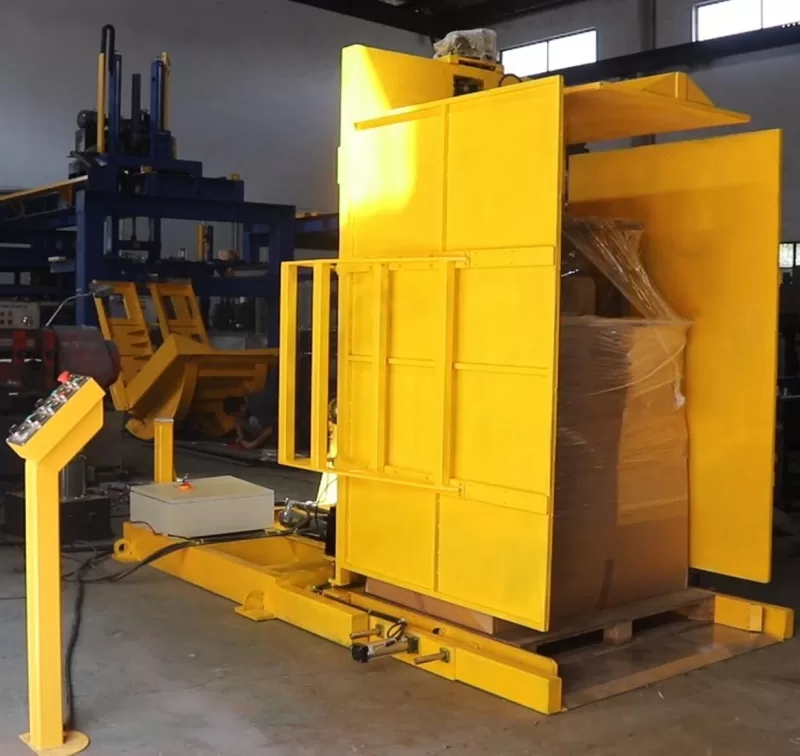
From my experience, handling diverse pallet types manually in export-oriented facilities like those in Uruguay is a major pain point. When I worked in factories and later built my own, I saw how much time and effort went into just moving goods from one pallet type to another. It is more than just an inconvenience; it is a serious obstacle to efficiency.
1. The Cost of Manual Pallet Switching 💰
Manual pallet switching is surprisingly expensive. It takes up a lot of time. Workers must physically transfer goods from one pallet to another. This slows down the entire packing and shipping process. Imagine thousands of pallets moving through a distribution center every day. Each manual transfer adds minutes, which quickly turns into hours of lost productivity.
- Labor Hours: Each transfer requires several workers. This adds direct labor costs. It also diverts staff from other important tasks.
- Time Delays: Slow transfers mean trucks wait longer. This can lead to detention fees. It also impacts delivery schedules for customers.
- Errors and Damage: Humans make mistakes. Manual transfers increase the risk of dropping or damaging products. This results in costly returns or replacements.
- Compliance Risks: Ensuring the right goods are on the right pallet type for each country is critical. Manual systems can lead to mislabeling or incorrect pallet usage. This can cause customs issues and fines.
2. The Solution: Automated Pallet Inverters and Changers 🔄
Modern pallet inverters and changers are designed to handle this problem. They can transfer loads from one pallet type to another quickly and safely. This automation removes the manual effort. It also reduces the time needed for transfers.
- Adaptability: FHOPEPACK systems, for example, are built to work with many pallet sizes. They handle Euro pallets, US pallets, and various plastic or wooden pallets. This flexibility is essential for global trade.
- Speed: Automated systems complete transfers in minutes, not hours. This drastically speeds up the entire process. It allows for more throughput in the warehouse.
- Safety: Machines reduce the need for manual handling. This lowers the risk of accidents and injuries. It protects both workers and products.
- Consistency: Automated processes are consistent. They ensure every transfer meets quality and compliance standards. This reduces errors and improves reliability.
3. Real-World Impact in Export Operations 📈
Think about a large food and beverage group operating regional distribution centers. They might ship products from Uruguay to various European countries, each with specific pallet requirements. Without automation, the pallet change point is a constant bottleneck. With a FHOPEPACK or SHJLPACK pallet inverter, this bottleneck disappears. It becomes a smooth, integrated part of the export process. This allows businesses to meet tight delivery schedules and keeps customers happy. (pallet diversity, export bottlenecks, manual pallet changes, automated pallet changers, shipping delays)
How Can Pallet Inverters Combat Rising Labor Costs and Shortages?
Are you struggling to find enough staff for physically demanding warehouse jobs? The costs of labor keep going up, and many young people do not want to do heavy lifting. This can make it hard to run your warehouse efficiently. You might feel like you are always short-staffed and facing higher payrolls.
Pallet inverters combat rising labor costs and shortages by automating strenuous and repetitive tasks, thus reducing the need for manual labor. This allows businesses to reallocate staff to more skilled roles, lower injury risks, and maintain higher operational throughput with fewer people, directly addressing the core challenges of labor scarcity.
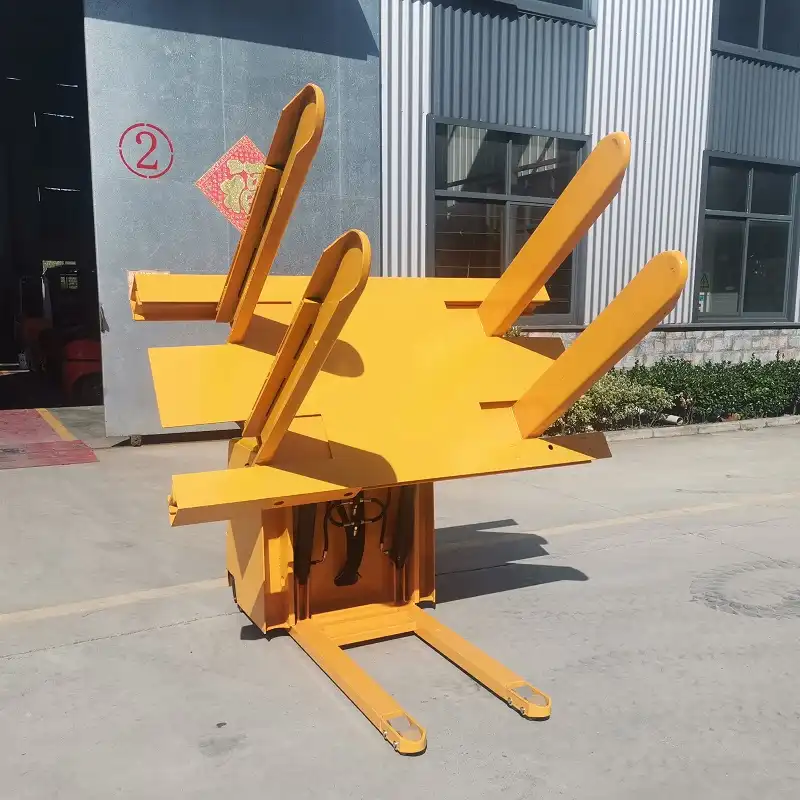
In my years in the packing machine industry, from an employee to a factory owner, I have witnessed the increasing pressure of labor costs. I have also seen the difficulties in finding workers willing to perform physically intensive tasks. This is not just an issue in one country; it is a global trend affecting logistics operations everywhere, including those in Uruguay. I always advise my clients to look for ways to automate the most demanding parts of their operations.
1. The Growing Problem of Labor 📉
Warehouse operations often depend on manual labor for tasks like loading, unloading, and pallet transfers. This reliance comes with several challenges:
- Rising Wages: The cost of hiring and retaining warehouse staff continues to grow. This impacts the overall operating budget significantly.
- Staffing Gaps: There is a shortage of available workers. This leads to unfilled positions and overstretched existing teams.
- High Turnover: Physically demanding jobs often have high employee turnover. This means constant training of new staff.
- Difficulty Attracting Talent: Younger generations prefer less strenuous work. This makes it harder to recruit for manual roles.
2. Pallet Inverters as a Labor-Saving Solution 🤖
Implementing automated pallet inverters directly addresses these labor issues. These machines take over the physically demanding work of changing or transferring loads.
- Reduced Headcount: A single pallet inverter can replace several workers needed for manual transfers. This directly reduces payroll costs.
- Reallocation of Staff: Remaining staff can move to more skilled roles. They can manage the automated systems or handle other critical tasks. This boosts overall productivity and job satisfaction.
- Consistent Performance: Machines do not get tired. They work at a consistent speed and efficiency throughout the shift. This ensures steady output regardless of labor availability.
- Lower Training Costs: Less reliance on a large manual workforce means fewer resources spent on recruitment and training.
3. Tangible Benefits for Businesses 📊
Consider a company handling a large volume of goods for export. By integrating a FHOPEPACK or SHJLPACK pallet inverter, they can dramatically cut down on labor needs. This not only reduces costs but also makes their operations more resilient to labor market fluctuations. I’ve seen clients achieve significant savings. One client, after installing an automated pallet changer, managed to reduce their pallet handling team by 50%. This allowed them to reallocate those employees to quality control, improving their overall product delivery. This is why I am so passionate about these solutions. They do not just replace jobs; they transform operations for the better. (labor costs, labor shortage, automation in warehouses, pallet inverter benefits, operational throughput, staff reallocation)
Are Manual Pallet Changes a Hidden Safety Risk in Your Warehouse?
Do you worry about accidents happening during manual pallet handling? The truth is, manually flipping or changing heavy pallets carries significant risks. These risks can lead to serious injuries for your team and costly incidents for your business. You might be unaware of the full impact these risks have on your operations.
Manual pallet changes are a hidden safety risk because they frequently involve heavy lifting, awkward movements, and the potential for loads to shift or fall, leading to severe worker injuries, product damage, and increased insurance costs. Upgrading to an automated pallet inverter significantly mitigates these dangers, creating a safer work environment.
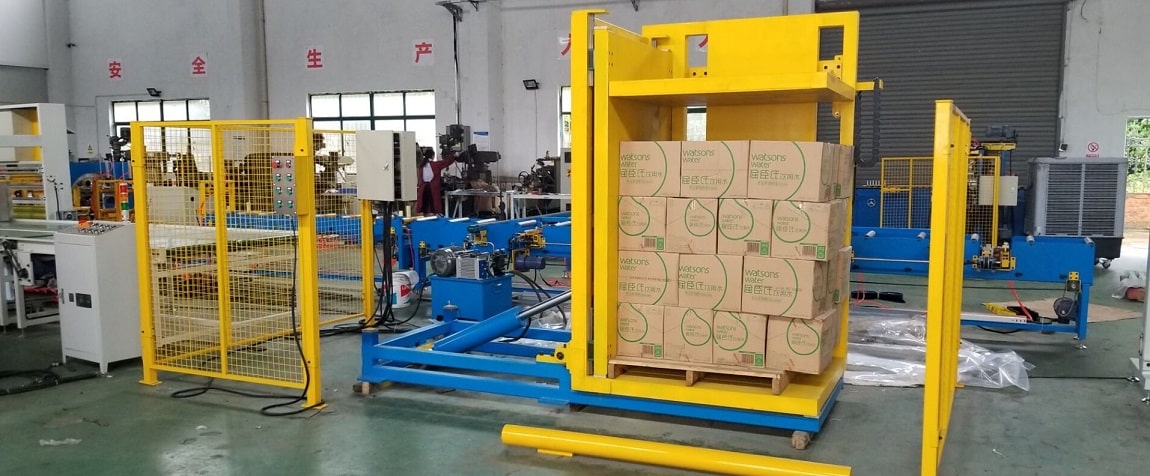
During my early career on the factory floor, I saw accidents that could have been avoided. When I started FHOPEPACK, one of my core principles was to design and share knowledge about machines that prioritize safety. I have helped many clients grow their businesses, and part of that success comes from creating safer workplaces. For businesses in Uruguay’s export sector, where goods often need frequent pallet changes, this safety aspect is even more critical.
1. The Dangers of Manual Pallet Handling 🚧
Manual pallet changing involves several high-risk activities:
- Heavy Lifting: Workers often lift hundreds or thousands of pounds when transferring goods. This can cause back injuries, strains, and sprains. These are common workplace injuries.
- Awkward Postures: Flipping pallets or moving heavy items often requires bending, twisting, and reaching. These awkward movements increase the risk of muscle and joint problems.
- Falling Objects: Goods can shift or fall during manual transfers. This poses a serious threat to workers standing nearby. Even a small item can cause significant injury.
- Crushing Hazards: Workers can get crushed between pallets or machinery during manual operations. This risk is especially high when dealing with heavy loads.
2. The Cost of Workplace Accidents 💲
Workplace accidents are not just a human cost. They also come with significant financial burdens for businesses:
- Medical Expenses: Treating injuries can be very expensive. This includes hospital visits, rehabilitation, and long-term care.
- Lost Productivity: Injured workers cannot perform their duties. This leads to lost work hours and reduced output.
- Insurance Premiums: A history of workplace accidents can increase a company’s insurance rates. This adds to operating costs.
- Legal Fees and Fines: Accidents can result in lawsuits or regulatory fines. This further increases financial strain.
- Reputation Damage: A poor safety record can harm a company’s reputation. This makes it harder to attract and retain talent.
3. How Pallet Inverters Boost Safety ⛑️
Automated pallet inverters remove humans from direct contact with heavy, moving loads. They handle the entire transfer process mechanically.
- Reduced Manual Effort: Machines perform the lifting, flipping, and transferring. This eliminates the need for workers to engage in hazardous tasks.
- Controlled Movements: Pallet inverters operate in a controlled environment. They have safety sensors and interlocks. This prevents unexpected movements and accidents.
- Ergonomic Design: Modern pallet inverters, like those from FHOPEPACK, are designed with safety in mind. They protect both the operator and the load.
- Consistent Operation: Automated systems perform tasks consistently. This reduces the variability that often leads to human error and accidents.
By investing in a reliable pallet inverter, businesses can significantly improve their safety record. This protects employees, reduces financial risks, and fosters a more positive work environment. It is a win-win situation for everyone involved. (warehouse safety, manual handling risks, worker injuries, automated safety, pallet inverter safety, insurance costs)
What Financial Benefits Do Upgraded Pallet Inverters Offer Exporters?
Are you looking for ways to cut costs and boost your company’s profits in export markets? Many businesses focus on sales, but overlook the financial impact of inefficient warehouse operations. You might be missing out on significant savings right within your own facilities.
Upgraded pallet inverters offer exporters substantial financial benefits by drastically cutting labor costs, reducing product damage, minimizing shipping delays and associated penalties, improving operational efficiency, and extending the lifespan of pallets, all of which contribute to a higher return on investment and enhanced profitability.
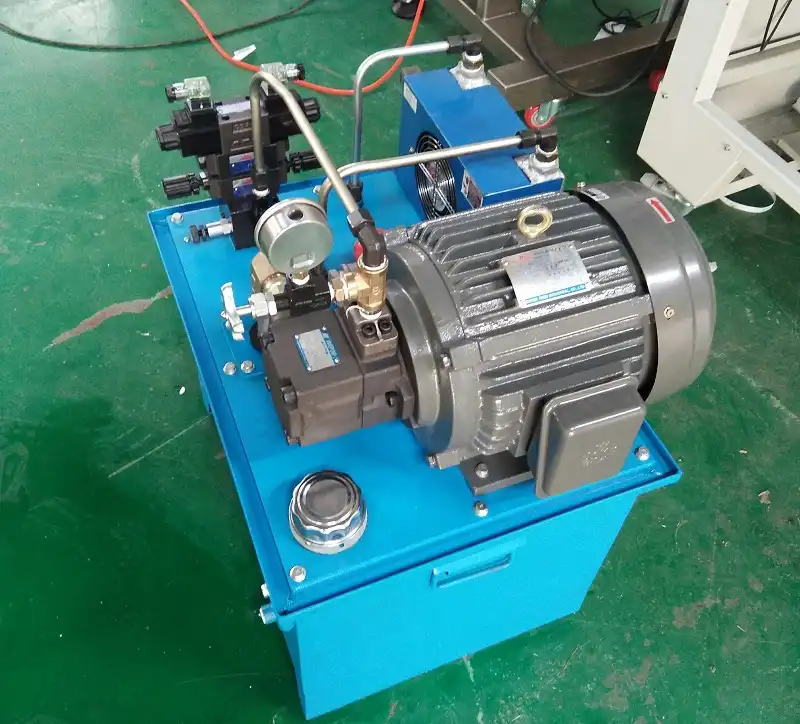
My journey from a factory employee to owning a successful packing machine factory taught me the immense value of financial independence and smart investments. I have always believed that well-chosen equipment can truly transform a business’s bottom line. For exporters in Uruguay and elsewhere, every penny saved in the supply chain directly impacts profitability. This is why I advocate for strategic upgrades.
1. Direct Cost Reductions 💸
Upgrading to automated pallet inverters brings immediate and measurable cost savings:
- Labor Savings: This is often the biggest financial benefit. By reducing the need for manual handling, companies can cut down on wages, benefits, and overtime. This addresses the rising cost of labor directly.
- Reduced Product Damage: Automated transfers are gentler and more controlled than manual ones. This significantly lowers the rate of damaged goods. Fewer damaged products mean less waste, fewer returns, and lower replacement costs.
- Lower Insurance Premiums: A safer workplace with fewer accidents can lead to lower workers’ compensation insurance premiums. This is a direct financial gain.
- Energy Efficiency: Modern machines are often designed to be more energy-efficient. This reduces utility bills compared to older, less optimized equipment.
2. Operational Efficiency and Throughput Gains 🚀
Beyond direct cost savings, improved efficiency translates into financial benefits:
- Faster Turnaround Times: Pallet inverters process loads much faster. This speeds up the flow of goods through the warehouse. Faster processing means more shipments can go out per day.
- Elimination of Bottlenecks: Manual pallet changes often create delays. Automated systems remove these bottlenecks. This ensures a smoother, more predictable operation.
- Optimized Space Usage: Some pallet inverter systems allow for better use of warehouse space. This helps avoid the need for costly expansions.
- Reduced Demurrage and Penalties: Faster loading and unloading of trucks mean fewer delays at the dock. This avoids costly demurrage charges and potential contract penalties for late deliveries.
3. Long-Term Value and ROI 🌟
The return on investment (ROI) for a pallet inverter can be very attractive:
- Extended Pallet Lifespan: By carefully handling pallets, automated systems can reduce wear and tear. This means pallets last longer. You buy fewer replacement pallets.
- Enhanced Customer Satisfaction: Faster, more reliable shipments lead to happier customers. This can result in repeat business and stronger client relationships. This improves your market position.
- Competitive Advantage: Businesses with efficient, automated supply chains gain an edge over competitors. They can offer better service and potentially lower prices.
- Scalability: Automated systems can handle increased volumes more easily. This supports business growth without proportional increases in labor or operational strain.
For example, I once helped a client in the food processing industry. They were struggling with high costs due to damaged goods and slow pallet transfers. After implementing a FHOPEPACK pallet inverter, they saw a 15% reduction in product damage and a 20% increase in daily throughput within the first six months. The ROI was clear and compelling. This is the kind of impact that drives real financial independence for businesses. (financial benefits, ROI, cost reduction, operational efficiency, pallet lifespan, reduced damages, shipping penalties)
How Do You Choose the Right Pallet Inverter for High-Intensity Operations?
Are you overwhelmed by the options when selecting new equipment for your warehouse? Choosing the right pallet inverter for demanding, high-intensity operations is crucial. A wrong decision can lead to further problems, not solutions. You need a system that truly meets your specific operational needs and challenges.
Choosing the right pallet inverter for high-intensity operations requires focusing on key factors such as robust construction for durability, high-speed and reliable performance, adaptability to diverse pallet specifications, integrated safety features, and strong after-sales support. It is about finding a long-term partner who understands your unique warehousing demands, not just a seller of machines.
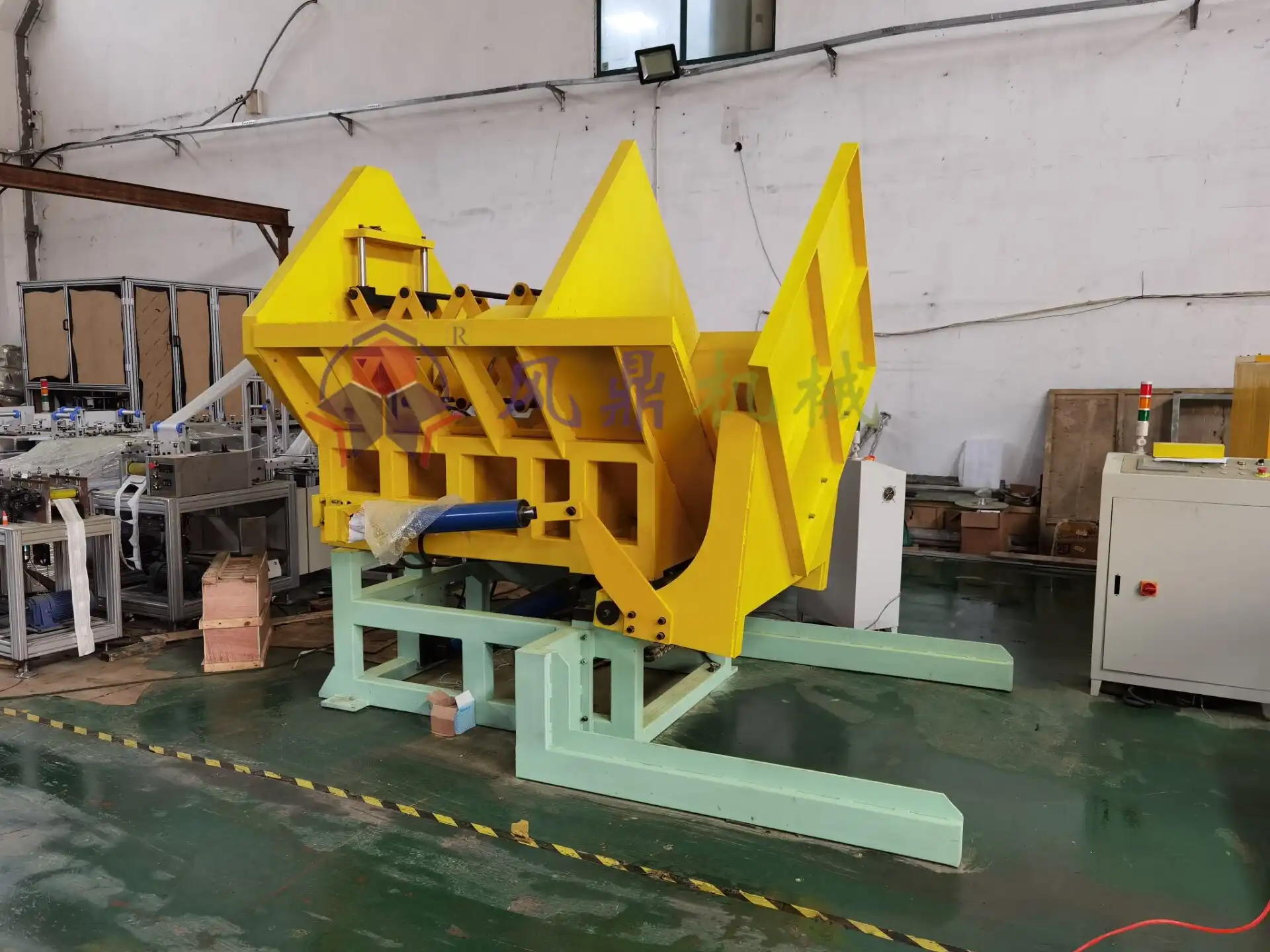
My career, from working on the factory floor to establishing FHOPEPACK, has given me deep insights into what makes machinery truly effective, especially in demanding environments. I have seen countless machines, good and bad. When I advise my clients, I always emphasize looking beyond the sticker price. For high-intensity operations, like those in Uruguay’s busy export centers, reliability and flexibility are non-negotiable.
1. Understanding Your Operational Needs 🔍
Before looking at machines, clearly define what your operation needs:
- Throughput Volume: How many pallets do you need to process per hour or per shift? High-volume operations require faster machines.
- Pallet Types and Sizes: What are the exact dimensions and weights of the pallets you handle (Euro, US, plastic, wood)? Your inverter must be compatible with all of them.
- Load Characteristics: What kind of products are you moving? Are they fragile, heavy, or irregularly shaped? The inverter must handle your specific loads safely.
- Space Constraints: How much space do you have in your warehouse? This impacts the type and size of inverter you can install (e.g., fixed vs. mobile).
- Automation Level: Do you need fully automatic, semi-automatic, or manual control? This depends on your budget and labor availability.
2. Key Features to Look For in a Pallet Inverter ✨
Once you know your needs, look for these critical features:
- Robust Construction: The machine must be built with high-quality materials and strong components. It needs to withstand continuous, heavy use without frequent breakdowns. Durability is paramount for high-intensity.
- Reliability and Speed: The inverter must operate consistently and quickly. It should minimize downtime and maximize throughput. Look for proven performance records.
- Adaptability: The best systems can handle a wide range of pallet sizes and types without complex adjustments. This flexibility is vital for diverse export markets. FHOPEPACK and SHJLPACK offer highly adaptable solutions.
- Safety Features: Ensure the machine has comprehensive safety guards, emergency stops, and sensors. Worker safety is non-negotiable.
- Ease of Use and Maintenance: Operators should find the machine easy to learn and use. Maintenance should be straightforward to minimize downtime.
3. The Importance of a Trusted Partner 🤝
Choosing a supplier is as important as choosing the machine.
- Expert Consultation: Work with suppliers who offer expert advice. They should understand your specific challenges. They should not just push a product.
- Customization Options: Your operation might have unique requirements. The supplier should be able to offer tailored solutions or modifications.
- Strong After-Sales Support: What happens if the machine breaks down? Reliable suppliers offer excellent installation, training, parts availability, and technical support. This minimizes costly downtime.
- Proven Track Record: Look for suppliers with a history of successful installations. Check their client testimonials and case studies.
As a founder, I created FHOPEPACK to be that kind of partner. We focus on understanding our clients’ pain points, especially those managing complex export supply chains. We strive to provide reliable equipment and comprehensive support. This ensures our clients truly benefit from their investment. (pallet inverter selection, high-intensity operations, durable equipment, adaptable pallet changers, after-sales support, reliable suppliers, warehouse automation)
What is the Future of Pallet Management in Global Trade and Why Upgrade Now?
Do you ever wonder what is next for warehouse and logistics technology? The pace of change in global trade is accelerating. If your pallet management strategy is outdated, you might fall behind. You need to prepare your operations for the future, not just react to today’s demands.
The future of pallet management in global trade involves greater automation, AI-driven optimization, enhanced safety standards, and real-time data integration, all aimed at creating smarter, more resilient, and sustainable supply chains. Upgrading now with advanced pallet inverters prepares your business for these trends, giving you a competitive edge and ensuring future compliance and efficiency.
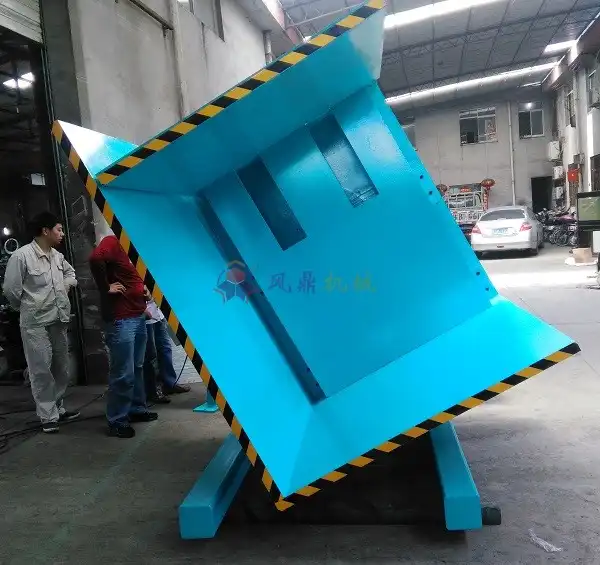
As someone who built a packing machine factory from the ground up, I have always kept an eye on industry trends. The future of logistics is not just about moving goods; it is about moving them smarter. For businesses in Uruguay participating in global trade, staying ahead means embracing new technologies. Upgrading your pallet changing equipment now is a critical step towards this future, offering immediate benefits while setting the stage for more advanced integration.
1. Emerging Trends in Pallet Management 🌐
The landscape of global trade is constantly evolving, driven by technological advancements and changing consumer demands:
- Increased Automation and Robotics: Beyond simple pallet inverters, expect more fully integrated robotic systems. These systems will handle palletizing, depalletizing, and transfers with minimal human intervention. This leads to higher speeds and fewer errors.
- AI and Machine Learning: Artificial intelligence will optimize pallet flow, predict maintenance needs, and manage inventory more intelligently. This will allow for more proactive decision-making.
- IoT and Real-Time Data: Internet of Things (IoT) sensors on pallets and equipment will provide real-time data. This data will track location, condition, and movement. This allows for better visibility and control across the supply chain.
- Sustainability Focus: Expect a stronger emphasis on eco-friendly pallet materials and reusable pallet systems. Machines will need to handle these diverse and often lighter-weight pallets efficiently.
2. Why Upgrade Your Pallet Inverter Now? ⏰
Delaying upgrades can put your business at a disadvantage. Acting now offers several key benefits:
- Immediate Efficiency Gains: Modern pallet inverters deliver immediate improvements in speed and throughput. This addresses current bottlenecks in your operations.
- Cost Savings: The financial benefits, from reduced labor to less damage, start accumulating from day one. This makes the investment quickly pay for itself.
- Enhanced Competitiveness: An automated and efficient operation allows you to offer faster, more reliable service. This attracts and retains more clients in competitive global markets.
- Foundation for Future Automation: Current generation pallet inverters are often designed to integrate with more advanced systems. Upgrading now creates a solid foundation for future technological enhancements.
- Compliance and Safety: New equipment often meets stricter safety and compliance standards. This reduces risks and ensures your operations stay compliant with international regulations.
3. FHOPEPACK’s Vision for Smart Logistics 💡
At FHOPEPACK, we are committed to helping businesses navigate these changes. We design our machines, like our advanced pallet inverters, to be reliable workhorses today and adaptable platforms for tomorrow’s technologies. Our goal is to provide solutions that not only solve current problems but also position our clients for future growth and success. This proactive approach ensures that businesses, especially those in dynamic export regions like Uruguay, remain at the forefront of global trade. I believe in giving back, and sharing this insight is part of that mission. (future of logistics, pallet management trends, automation in supply chain, AI optimization, real-time data, sustainable logistics, competitive advantage, FHOPEPACK solutions)
Conclusion
Upgrading pallet changing equipment is no longer an option but a strategic necessity for export supply chains, particularly in regions like Uruguay. By addressing labor costs, safety concerns, and efficiency bottlenecks, a modern pallet inverter ensures compliance, boosts profitability, and prepares your business for the future of global trade.








