
Pallet Inverter Brazil: What Procurement Priorities Matter Most for Large-Scale Export Operations?
Have you ever faced a logistics nightmare where thousands of pallets need to move, but different countries demand different pallet types? I remember seeing this problem firsthand during my early days in the packing machine industry. It is a common issue for businesses involved in large-scale exports, especially in a dynamic market like Brazil. The constant need to swap pallets, from Euro to US standards or wooden to plastic, can slow down your entire operation. It adds unnecessary costs and creates risks. This challenge affects your bottom line and your reputation with clients.
For large-scale export operations in Brazil, the most critical procurement priorities for a pallet inverter are operational efficiency, pallet versatility, workplace safety, equipment reliability, total cost of ownership, and choosing a knowledgeable long-term partner. These factors ensure smooth, compliant, and cost-effective movement of goods across borders.

As someone who built a packing machine factory from the ground up, I understand that simply buying a machine is never enough. You need a solution that truly solves your pain points. That means understanding the intricate details of your operations. So, let’s dive deeper into these key priorities. We will explore how a smart pallet inverter strategy can transform your Brazilian export operations.
How Can a Pallet Inverter Boost Throughput in Brazil’s Busy Export Hubs?
Are your current pallet handling methods creating bottlenecks in your Brazilian export facility? Manual pallet changing is slow and labor-intensive. In large-scale operations, especially with thousands of pallets moving daily, this quickly turns into a major efficiency drain. Every minute lost in pallet switching directly impacts your shipping schedules and customer satisfaction. It costs you money and could even lead to penalties from clients. This pressure for faster delivery times from e-commerce and retail clients means you cannot afford any slowdowns.
A pallet inverter significantly boosts throughput in Brazil’s export hubs by automating a historically manual and time-consuming process. It ensures a faster, more consistent flow of goods, reducing delays and increasing overall operational speed.
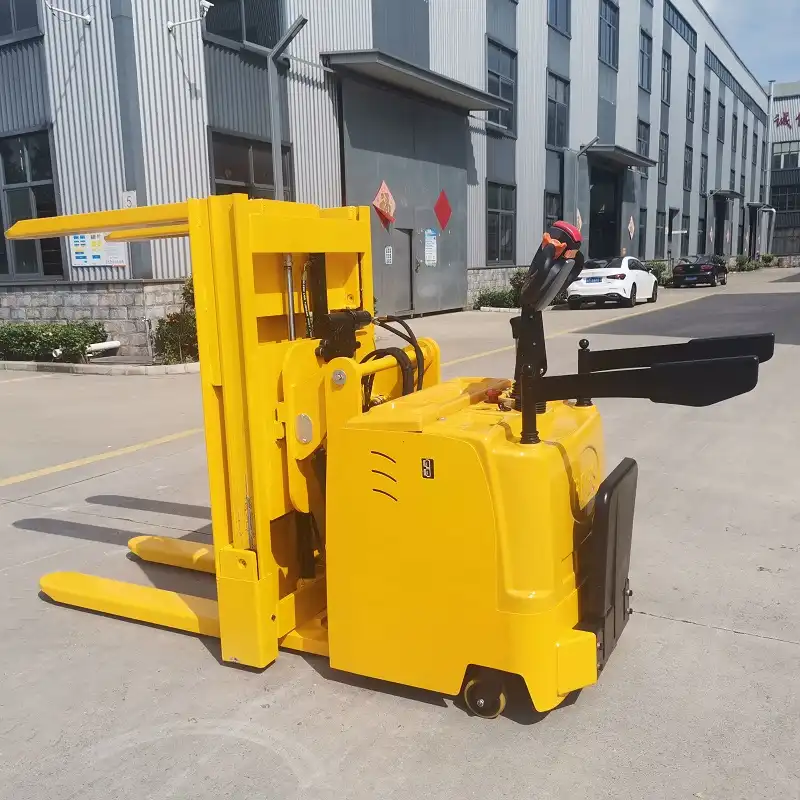
This is where automation becomes not just an option, but a necessity. I have seen countless businesses struggle with this, only to find relief by investing in the right equipment. The goal is to maximize the number of pallets you can process per hour, without compromising safety or accuracy. For Brazilian exporters dealing with high volumes, this translates into meeting tight deadlines and maintaining a competitive edge. It also helps manage the demands of global logistics. This also means you can reduce the amount of overtime your team needs to work. (Automated pallet handling, export logistics efficiency, throughput optimization)
-
Streamlining Pallet Exchange Cycles:
- ⏱️ Faster Processing Speeds: Manual pallet exchange can take several minutes per pallet, especially when involving heavy goods or complex stacking. An automated pallet inverter can complete a full cycle in under a minute. This significantly speeds up the process, moving from hundreds to thousands of pallets per shift. For a major food and beverage group in Brazil, processing thousands of pallets daily for international export, this efficiency gain is monumental. It helps them avoid shipping delays.
- ⚙️ Reduced Manual Intervention: With an automated system, operators spend less time physically handling pallets and goods. They can focus on monitoring the equipment and managing the overall flow. This reduction in manual labor frees up your workforce for other value-added tasks within the warehouse. This means you can get more done with the same team.
- 📈 Consistent Operation: Machines provide consistent performance, unlike human workers who can experience fatigue or varying speeds. This consistency ensures predictable throughput rates, which is crucial for planning export schedules and meeting tight deadlines. A steady flow of goods also prevents unexpected bottlenecks that could disrupt the entire supply chain. This helps maintain a reliable output for international distribution channels. (Pallet handling automation, export operation speed, warehouse throughput)
-
Minimizing Downtime and Bottlenecks:
- 🚧 Eliminating Manual Bottlenecks: Manual pallet changes are often a choke point in high-volume operations. Workers can only move so fast, and complex pallet configurations slow them down. A pallet inverter removes this bottleneck, allowing goods to flow smoothly from inbound to outbound. This prevents goods from piling up and waiting.
- 🛠️ Robust Design for Continuous Use: High-quality pallet inverters are built for continuous operation in demanding environments. They feature heavy-duty components and durable construction to withstand the rigors of a busy export warehouse. This resilience minimizes unexpected breakdowns, ensuring your operations run smoothly day and night. It reduces the risk of equipment failure stopping your entire process.
- 📊 Seamless Integration into Logistics Flow: Modern pallet inverters are designed to integrate easily into existing conveyor systems and warehouse management systems. This integration creates a seamless flow of goods, where pallets are automatically directed for inversion and then onwards for shipping. This prevents manual diversions or transfers, which can introduce delays and errors. This means your entire logistics chain works as one unit. (Automated logistics, reduced operational delays, continuous production)
-
Meeting Customer Delivery Demands:
- 🚚 Faster Turnaround Times: In today’s market, customers expect faster delivery. E-commerce and retail clients, especially, demand shorter lead times. A pallet inverter helps meet these demands by accelerating the pallet switching process. This means products can be dispatched quicker, reducing the overall time from warehouse to customer.
- 🌍 Enhanced Global Competitiveness: For Brazilian exporters, being able to quickly process and ship orders can be a significant competitive advantage. Faster delivery times attract more international clients and improve your market position. This makes your business more appealing on the global stage. It helps you keep up with international standards.
- 🤝 Improved Customer Satisfaction: Timely and accurate deliveries are fundamental to customer satisfaction. By speeding up your export operations with a pallet inverter, you can consistently meet or exceed customer expectations. This leads to stronger client relationships and repeat business, crucial for long-term growth. (Customer delivery speed, export market competitiveness, logistics efficiency)
Is Your Pallet Inverter Flexible Enough for Brazil’s Diverse Export Pallet Standards?
Do you find yourself constantly struggling with different pallet sizes and types for your international shipments? Brazil’s export market is vast and diverse, sending goods to countries with varying pallet specifications. One day you might need Euro pallets for Europe, the next it is GMA pallets for the US, then plastic for hygienic reasons. Manually managing these changes is incredibly inefficient and prone to errors. This lack of flexibility can severely impact your ability to export globally without complications.
A flexible pallet inverter is essential for Brazil’s diverse export pallet standards because it allows seamless switching between various pallet types, such as Euro, US, and plastic, without extensive manual adjustments or downtime.
My experience has shown me that true efficiency comes from adaptability. A machine that can handle multiple tasks without a lot of human intervention is worth its weight in gold. For Brazilian companies, this means being able to quickly adapt to the specific requirements of different export markets. It allows them to maintain a smooth flow of goods. It also avoids costly re-packaging or manual pallet transfers that slow everything down. This adaptability is key to reducing operational complexity. (Pallet size flexibility, international pallet standards, adaptable packing solutions)
-
Handling Multiple Pallet Dimensions:
- 📐 Adjustable Clamp and Table Sizes: An ideal pallet inverter features adjustable clamping mechanisms and table dimensions. This allows it to securely hold and invert various pallet sizes, from smaller industrial pallets to larger Euro or US standard pallets. This adaptability means you do not need different machines for different pallet sizes. You can use one machine for all your needs.
- 📏 Automatic Size Detection (Optional): Some advanced pallet inverters can automatically detect pallet dimensions and adjust settings accordingly. This feature minimizes manual configuration errors and speeds up the switching process even further. It ensures that the machine is always set correctly for the pallet it is handling. This saves time and reduces mistakes.
- 🌍 Compliance with International Standards: For Brazilian exporters, it is vital that their pallet handling equipment can accommodate pallets compliant with various international regulations. A versatile inverter helps you meet these diverse standards without needing to outsource pallet switching or use inefficient manual methods. This ensures your shipments comply with global rules. (Multi-pallet handling, adjustable pallet equipment, international compliance)
-
Accommodating Different Pallet Materials:
- 🌳 Wood Pallets: The most common type, wooden pallets, vary in construction (e.g., stringer, block). A good inverter design safely handles the different weights and structural characteristics of wood. It ensures a firm grip without damaging the pallet or the goods. This is crucial for maintaining package integrity.
- ♻️ Plastic Pallets: Increasingly popular for hygiene and durability, plastic pallets require careful handling due to their smoother surfaces and different weight distribution. The clamping system of a versatile inverter must be designed to grip plastic pallets securely without slipping. This prevents accidents and damage to your products.
- ⚙️ Specialty Pallets: Some export operations might use custom-designed or specialized pallets. The right pallet inverter will have the flexibility to adjust its clamping pressure and inversion speed to accommodate these unique requirements. This broad capability ensures that the machine can adapt to any specific needs your business might have. (Pallet material compatibility, plastic pallet handling, flexible clamping systems)
-
Minimizing Changeover Time:
- ⏱️ Quick Setup and Configuration: The time it takes to switch between pallet types should be minimal. An efficient pallet inverter offers intuitive controls and quick-release mechanisms for adjustments, reducing the downtime associated with changing pallet specifications. This means your operations can keep moving.
- 💻 Pre-programmed Settings: Many modern pallet inverters allow operators to save pre-programmed settings for frequently used pallet combinations. This means that switching from a Euro pallet configuration to a US pallet configuration can be done with the press of a button. This eliminates manual adjustments every time. It saves valuable operational time.
- 🔧 Reduced Need for Manual Tools: The design should aim to minimize the need for special tools or extensive manual intervention during changeovers. This improves the speed of adjustment and reduces the likelihood of human error. It makes the process smoother and more reliable. (Fast changeover, pallet configuration, operational flexibility)
How Does a Pallet Inverter Directly Reduce Risks for Your Brazilian Warehouse Team?
Are your warehouse operations exposing your team to unnecessary risks during pallet handling? Manual flipping or changing of pallets is a heavy, awkward, and dangerous task. In a busy export warehouse in Brazil, where large volumes of goods move constantly, the risk of accidents like falling loads or worker injuries is very real. I’ve seen how these incidents can lead to serious consequences, from worker compensation claims to costly operational disruptions and even legal issues.
A pallet inverter directly reduces risks for your Brazilian warehouse team by eliminating manual lifting and flipping, preventing load shifts, and promoting a safer, more ergonomic work environment.
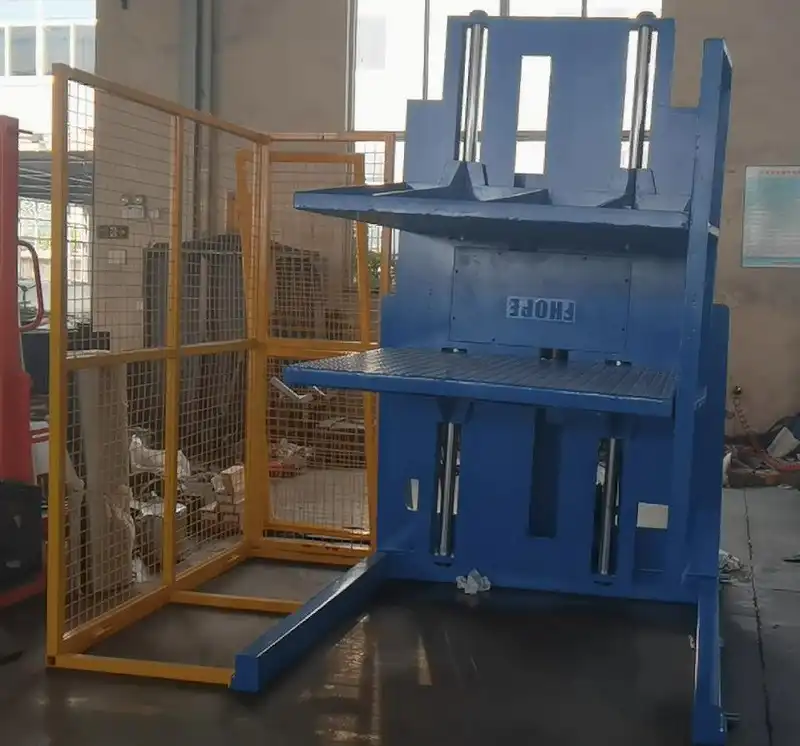
The safety of your team should always be a top priority. My own journey showed me that a safe workplace is a productive workplace. Investing in mechanical solutions like pallet inverters is not just about efficiency; it’s about protecting your most valuable asset: your people. It demonstrates a commitment to their well-being. This investment leads to fewer accidents, lower insurance costs, and a happier, more secure workforce. It means fewer sick days and higher morale. (Warehouse safety, worker injury prevention, ergonomic solutions)
-
Eliminating Manual Lifting and Tipping:
- 🏋️ Reducing Strain Injuries: Manually lifting and flipping heavy pallets puts immense strain on workers’ backs, shoulders, and knees. This leads to musculoskeletal injuries, a common problem in warehouses. Pallet inverters take over this physically demanding task, drastically reducing the risk of strains, sprains, and long-term health issues for your team. This means fewer worker compensation claims.
- 🤕 Preventing Accidents from Falling Loads: When workers manually tip or invert pallets, especially unstable or heavy loads, there is a high risk of goods falling. This can cause severe injuries to personnel or damage to valuable products. The pallet inverter secures the load firmly before inversion, preventing any accidental spills or collapses. This keeps your products safe and your team safer.
- 🚫 Removing Repetitive Motion Hazards: Repeatedly performing the same strenuous movements can lead to repetitive strain injuries (RSIs). Automating the pallet changing process removes this repetitive physical stress, ensuring your team can perform their duties without the constant threat of developing an RSI. This promotes a healthier work environment over time. (Manual handling reduction, industrial safety, ergonomic workplace)
-
Enhancing Load Stability and Security:
- 🔒 Secure Clamping Mechanisms: Pallet inverters are designed with robust clamping systems that hold the load firmly in place throughout the inversion process. This prevents any shifting or movement of the goods, which is a common cause of accidents during manual handling. The secure grip protects both the product and the operator.
- ⚖️ Balanced Inversion: The machine performs a smooth, controlled inversion, maintaining the balance of the load at all times. This eliminates the sudden movements or jerks that can occur during manual operations, which might cause goods to destabilize and fall. This controlled motion is key to preventing accidents.
- 📦 Damage Reduction: By securely holding and gently inverting pallets, the risk of damage to the products themselves is greatly reduced. This not only saves on replacement costs but also ensures product integrity for your export clients. This means fewer spoiled goods and happier customers. (Load stability, product safety, secure handling equipment)
-
Compliance and Insurance Benefits:
- 📜 Meeting Safety Regulations: Implementing automated pallet handling solutions helps your Brazilian operation comply with local and international workplace safety regulations. This demonstrates your commitment to worker protection, which is crucial for audits and legal compliance. It helps you meet required standards.
- 💲 Lower Insurance Premiums: A verifiable reduction in workplace accidents and injuries can lead to lower insurance premiums for your company. Insurance providers often offer better rates to businesses that actively invest in safety measures and show a low claims history. This saves money in the long run.
- 👍 Improved Worker Morale: A safer work environment boosts employee morale and job satisfaction. Workers feel valued when their employer invests in their safety. This can lead to increased productivity, reduced absenteeism, and a more positive overall workplace culture. A happy team works better. (Workplace safety compliance, reduced insurance costs, employee well-being)
What Makes a Pallet Inverter Resilient Enough for Brazil’s Demanding Export Operations?
Is your pallet handling equipment robust enough to withstand the relentless pace of a large-scale export warehouse in Brazil? In environments where thousands of pallets are processed daily, 24/7, machinery faces extreme wear and tear. A breakdown is not just an inconvenience; it can halt your entire operation, causing significant financial losses, missed deadlines, and severe damage to your reputation. You need equipment that can truly go the distance.
A pallet inverter resilient enough for Brazil’s demanding export operations features heavy-duty construction, high-quality components, advanced drive systems, and minimal maintenance requirements to ensure long-term, stable performance under continuous use.
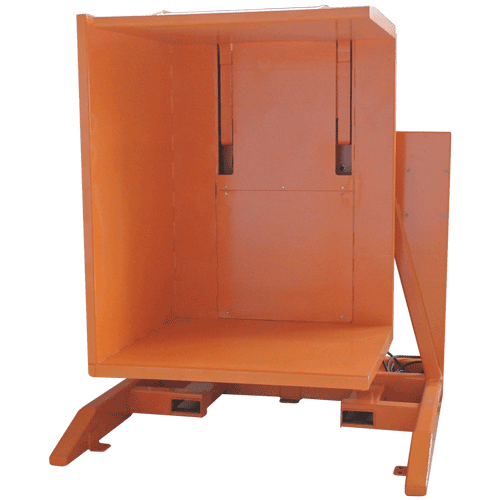
From my experience, reliability is the backbone of any successful packing operation. Building machines that last, even under tough conditions, has always been a core principle for me. For Brazilian exporters, this means choosing equipment that is engineered for endurance. It should provide consistent performance without constant worry about failures. This commitment to durability is what keeps goods moving and businesses thriving, even when operating at maximum capacity. (Industrial machinery durability, heavy-duty pallet handling, reliable warehouse equipment)
-
Heavy-Duty Construction and Materials:
- 💪 Robust Steel Frame: The core structure of a resilient pallet inverter must be built from heavy-gauge steel. This provides the necessary strength and stability to handle heavy loads and absorb the constant stresses of continuous operation. A strong frame prevents flexing and deformation over time. It ensures long-term structural integrity.
- 🛡️ Wear-Resistant Components: Parts subject to frequent movement or contact, such as clamps, rollers, and pivot points, should be made from hardened or specially treated materials. These materials resist abrasion and wear, extending the lifespan of critical components. This means fewer replacements are needed.
- ⚙️ Industrial-Grade Bearings and Motors: High-quality industrial bearings and powerful, reliable motors are crucial for consistent performance. These components are designed to withstand high operational cycles and heavy loads without overheating or premature failure. This ensures smooth and powerful operation day in and day out. (Durable equipment design, industrial strength, heavy-duty materials)
-
Quality of Internal Components and Drive Systems:
- 🔧 Premium Hydraulic/Electric Systems: For hydraulic pallet inverters, high-grade pumps, cylinders, and hoses are essential for reliable power transmission. For electric systems, robust gearboxes and motors with ample power ensure smooth, controlled movement. These premium components minimize the risk of operational failures. They also provide precise control.
- 🔌 Advanced Control Systems: A resilient pallet inverter uses industrial-grade Programmable Logic Controllers (PLCs) and robust wiring. These systems provide accurate and consistent control, reducing the likelihood of electronic malfunctions that can halt operations. They ensure intelligent and responsive machine behavior.
- 🔩 Minimal Moving Parts (where possible): A simpler mechanical design, with fewer complex moving parts, often correlates with higher reliability. Less complexity means fewer points of failure, making the machine easier to maintain and more robust in demanding environments. This approach simplifies troubleshooting. (High-quality hydraulics, reliable electronics, simplified machine design)
-
Designed for Continuous Operation and Easy Maintenance:
- 🔄 High Duty Cycle Rating: The machine must be rated for a high duty cycle, meaning it is designed to operate continuously for long periods without overheating or component stress. This is vital for 24/7 export operations where downtime is costly. It confirms the machine can handle constant use.
- 🛠️ Accessibility for Maintenance: While robust, all machinery requires maintenance. A well-designed pallet inverter will have easily accessible lubrication points, filters, and major components. This allows maintenance teams to perform routine checks and repairs quickly, minimizing downtime. This reduces time spent on upkeep.
- ⚙️ Modular Design for Quick Repairs: In case of a component failure, a modular design allows for quick replacement of sub-assemblies rather than extensive on-site repairs. This significantly reduces the Mean Time To Repair (MTTR), getting the machine back online faster. This means less disruption to your export flow. (Continuous duty cycle, simple maintenance, modular equipment)
Beyond the Price Tag: How Does a Pallet Inverter Deliver Long-Term Value for Brazilian Exporters?
Are you looking at the upfront cost of a pallet inverter and wondering if it truly justifies the investment for your Brazilian export business? It is easy to focus only on the purchase price. But for large-scale operations, the true value lies in the long-term benefits and overall impact on your business. A cheap machine that breaks down often or does not meet your needs will end up costing you far more in the long run. You need to consider the bigger picture.
Beyond the initial price, a pallet inverter delivers long-term value for Brazilian exporters by significantly reducing labor costs, preventing product damage, cutting compliance fines, and improving overall operational efficiency, leading to a strong return on investment.
From my journey, I have learned that “value” is not just a number on a quote. It’s about how a solution contributes to your growth and solves problems over time. For Brazilian exporters, a pallet inverter should not just be seen as an expense, but as a strategic investment. It boosts efficiency, enhances safety, and ensures compliance. This leads to substantial savings and increased profitability in the long run. It is about investing in the future of your operations. (Long-term value, return on investment, operational cost reduction)
-
Significant Reduction in Labor Costs:
- 💰 Fewer Workers Needed: Manual pallet changing requires multiple staff members, especially for heavy or awkwardly sized loads. An automated pallet inverter can be operated by one or two people, significantly reducing your labor dependency and associated wage costs. This is crucial as labor costs continue to rise in Brazil.
- ⏰ Increased Labor Productivity: The staff freed from manual pallet duties can be reassigned to other, more value-adding tasks within the warehouse. This optimizes your workforce utilization, ensuring every employee contributes effectively to the business. It means you get more out of your existing team.
- 📉 Reduced Overtime and Recruitment Costs: By speeding up pallet handling, you can reduce the need for expensive overtime work. You also lower the pressure to recruit and train new staff for strenuous manual roles, which are often hard to fill. This helps manage your human resources budget more effectively. (Labor cost savings, workforce optimization, reduced operational expenses)
-
Cost Savings from Reduced Damage and Fines:
- 📦 Minimizing Product Damage: Manual pallet changes are a common cause of product damage due to mishandling or falling goods. Pallet inverters secure loads firmly and perform the inversion smoothly, drastically reducing instances of damage. This saves on replacement costs and protects your valuable inventory.
- штрафы Avoiding Compliance Penalties: Inconsistent pallet quality or incorrect pallet types for export can lead to fines at customs or rejection of shipments. A reliable pallet inverter ensures that goods are always on the correct, compliant pallet. This helps avoid costly penalties and delays that can harm your business.
- 💲 Lower Insurance Claims: Fewer accidents and reduced product damage mean fewer insurance claims. This can lead to lower insurance premiums over time, contributing to overall cost savings for your operation. It helps keep your risk profile low. (Product damage prevention, export compliance, reduced insurance costs)
-
Enhanced Operational Efficiency and Scalability:
- 🚀 Faster Processing and Turnaround: The increased speed and consistency of automated pallet changing mean faster order fulfillment and quicker turnaround times for your export shipments. This improves overall operational efficiency, allowing you to handle larger volumes without additional resources.
- 📈 Scalability for Growth: As your Brazilian export business grows, a pallet inverter can scale with your needs. It provides a robust foundation for increased throughput without requiring proportionate increases in labor or manual effort. This makes future expansion much smoother and more manageable.
- 📊 Improved Data and Reporting: Modern pallet inverters often integrate with warehouse management systems, providing valuable data on throughput, uptime, and efficiency. This data helps in making informed decisions for further optimization and strategic planning. It gives you clear insights into your operations. (Operational efficiency gains, business scalability, data-driven decision making)
Why is Choosing the Right Long-Term Partner Crucial for Pallet Inverter Success in Brazil?
Are you simply looking for a supplier who sells a machine, or a true partner who understands your complex Brazilian export challenges? Many companies offer equipment, but very few offer genuine solutions and ongoing support. For a critical piece of equipment like a pallet inverter in a high-stakes export environment, merely buying a box is a recipe for future headaches. You need a relationship built on trust and expertise.
Choosing the right long-term partner is crucial for pallet inverter success in Brazil because it ensures expert advice, reliable after-sales support, access to spare parts, tailored solutions, and a vendor who truly understands your unique operational challenges.
My journey in the packing machine industry has shown me that the relationship with your supplier is just as important as the quality of the machine itself. A true partner, like FHOPEPACK aims to be, works with you to understand your specific needs. They offer guidance, support, and solutions that contribute to your long-term success. This partnership is what truly makes a difference in maintaining seamless export operations. It means you are never alone when challenges arise. (Long-term supplier relationship, post-sales support, strategic partnership)
-
Expert Consultation and Tailored Solutions:
- 💡 Deep Industry Knowledge: A good partner brings extensive knowledge of the packing machine industry and specific understanding of Brazilian export logistics. They can offer insights into best practices and help you choose the right pallet inverter model for your unique needs. This ensures you get a solution, not just a product.
- 🤝 Customization and Integration: Your operations are unique. A true partner can offer customized pallet inverter solutions that integrate seamlessly with your existing warehouse layout, conveyor systems, and overall workflow. They adapt the machine to your business, not the other way around. This ensures a perfect fit.
- 🔍 Problem-Solving Approach: Instead of just selling a standard machine, a reliable partner will listen to your pain points and propose solutions that directly address them. They help you solve specific challenges like diverse pallet specifications or labor shortages. They focus on finding answers to your problems. (Expert advice, customized solutions, operational integration)
-
Robust After-Sales Support and Maintenance:
- 🔧 Prompt Technical Support: When a machine breaks down, you need help fast. A good partner provides readily available technical support, offering quick troubleshooting and guidance to minimize downtime. This is critical for preventing extended disruptions in your export schedule. It means help is always there.
- ⚙️ Availability of Spare Parts: Having easy access to genuine spare parts is vital for quick repairs and preventing long waits. A committed partner ensures they stock common spare parts or can source them quickly, keeping your pallet inverter operational. This minimizes time when your machine is not working.
- 👨🔧 Preventative Maintenance Programs: The best partners offer preventative maintenance programs. These programs help you keep your equipment in top condition, predict potential issues, and extend its lifespan. This proactive approach prevents costly breakdowns and ensures consistent performance. It protects your investment. (After-sales service, technical support, spare parts availability)
-
Commitment to Long-Term Success and Relationship Building:
- 📈 Shared Growth Vision: A true partner is invested in your long-term success. They see their role as helping your business grow and evolve, offering advice and solutions as your needs change. This builds a strong, mutually beneficial relationship over time. They want to see you succeed.
- 🔄 Continuous Improvement and Innovation: The best partners stay updated with industry trends and technological advancements. They can advise you on upgrades or new solutions that might further enhance your efficiency and competitiveness in the Brazilian export market. This keeps your operations modern.
- 🤝 Trust and Reliability: Ultimately, a long-term partnership is built on trust and reliability. Knowing that your supplier will stand by their product and provide consistent support gives you peace of mind. This allows you to focus on your core business, confident in your equipment. (Strategic partnership, innovation support, trusted vendor)
Conclusion
Procuring a pallet inverter for large-scale Brazilian export operations demands a holistic approach. It goes beyond the initial cost. Prioritize efficiency, pallet versatility, safety, reliability, long-term value, and a strong partnership. These factors ensure your investment drives significant gains, making your operations smoother, safer, and more profitable. Choosing the right pallet inverter is a strategic move for sustainable export success.








