
Why engineers prefer pallet inverter over manual methods in heavy load handling?
Your warehouse faces a tough challenge. You need to move heavy loads, but manual methods are slow, risky, and cost too much. Delays, accidents, and rising labor costs are constant worries for managers like you, especially in busy European distribution centers. These issues impact your bottom line and customer trust.
Engineers increasingly prefer pallet inverters over manual methods for heavy load handling because these machines deliver unmatched safety, efficiency, and cost-effectiveness. They eliminate physical risks, speed up operations, and adapt to diverse pallet specifications, which is crucial for modern logistics.
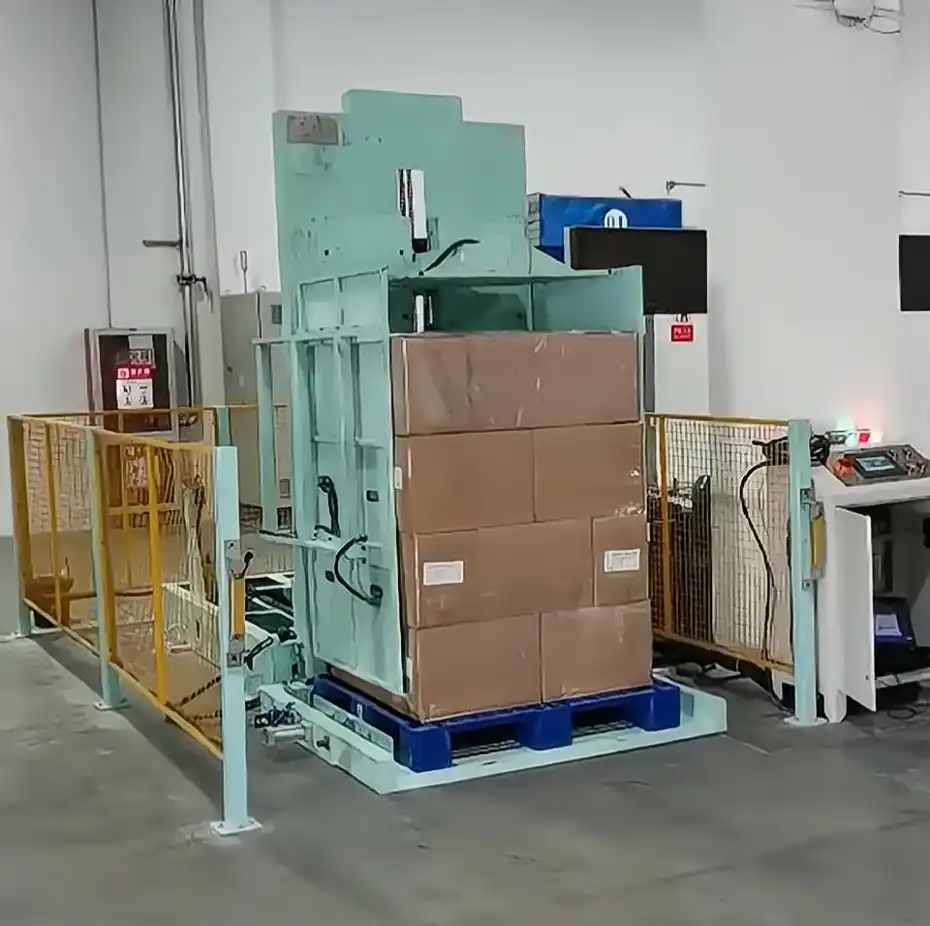
I understand these challenges well, from my own journey in the packing machine industry. Many of my clients, dealing with thousands of pallets daily, often ask how they can overcome these exact problems. Let’s look at why automated solutions are not just an option, but a necessity. We will break down how pallet inverters truly master heavy load handling.
Addressing the Pallet Diversity Challenge: How do Pallet Inverters Handle Different Specifications?
Your international shipments face a big problem: different countries use different pallet sizes. You might need to switch between Euro pallets and US pallets, or even use plastic pallets for hygiene. Manual handling for these changes is slow and leads to errors. It causes big headaches for warehouse managers.
Pallet inverters solve the pallet diversity challenge by offering flexible designs that can quickly adapt to and process various pallet specifications, including Euro, US, and plastic types, ensuring smooth transitions and maintaining compliance in global logistics.
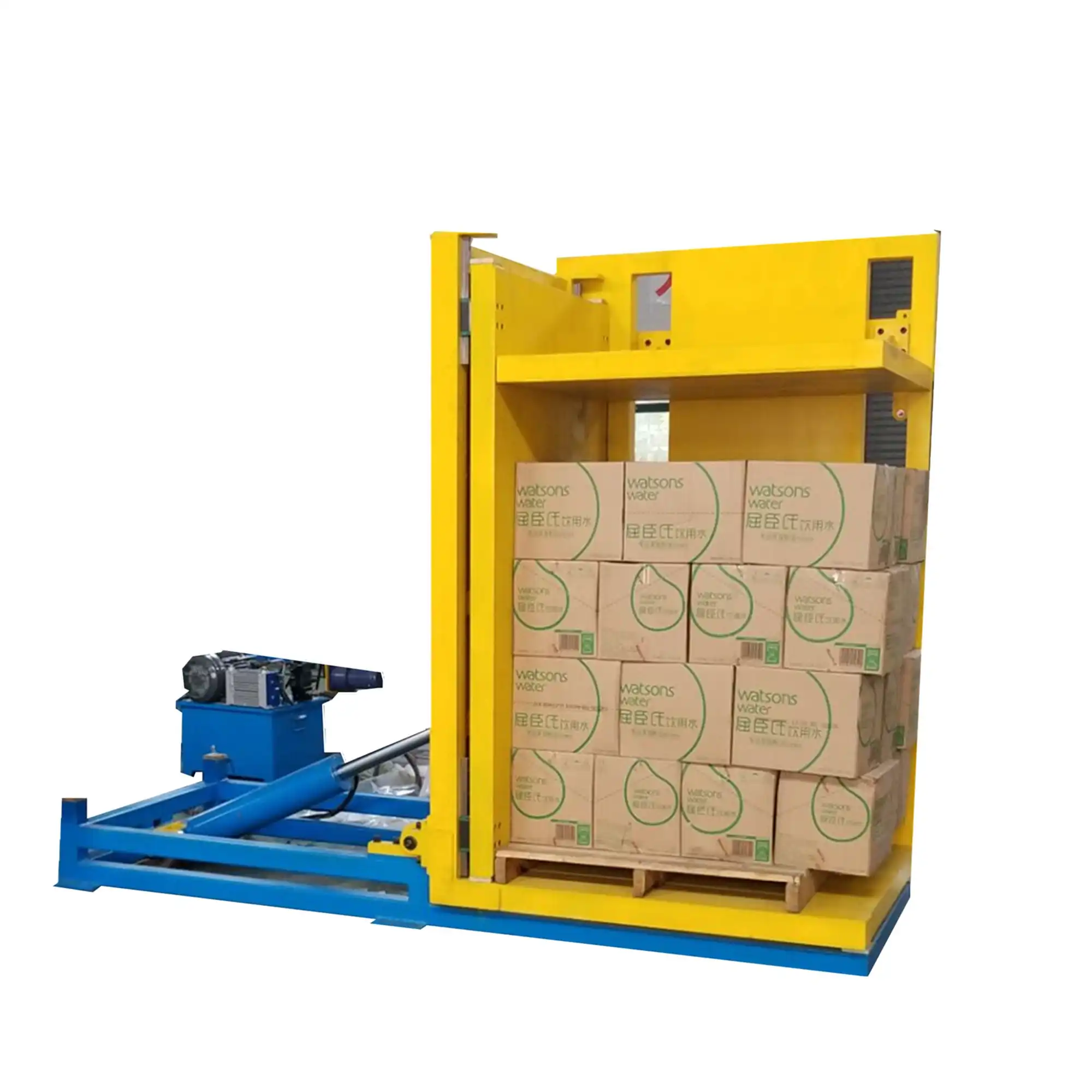
From my experience helping many clients grow their businesses, I have seen this issue firsthand. Dealing with various pallet types in a high-volume warehouse is not easy. When I started my journey in the packing machine industry, these manual processes were common. They were inefficient. Today, pallet inverters provide a much better way. They make sure goods are transferred safely and quickly, no matter the pallet size or material. This helps warehouses avoid delays and ensures they meet strict international shipping rules.
-
Versatile Design for Multiple Pallet Types:
- Modern pallet inverters are not “one size fits all.” They come with adjustable clamps and platforms. This allows them to securely grip and flip loads of different dimensions.
- For example, a machine can handle both the larger US standard pallet (48×40 inches) and the smaller Euro pallet (1200×800 mm). This adaptability is key for multinational companies. It saves them from needing separate equipment or complex manual sorting.
- Some models also feature specific settings for plastic pallets. These pallets need a gentler grip to prevent damage. This flexibility ensures smooth operation across your entire inventory.
-
Automated Compliance and Error Reduction:
- Manual pallet changes are very prone to human error. A worker might forget to check a pallet type or use the wrong method. This leads to damaged goods or non-compliant shipments.
- Pallet inverters follow programmed sequences. They ensure each transfer is done correctly. This reduces errors to a minimum. It helps warehouses maintain high standards for all shipments.
- This automation is vital for exports. Different countries have strict import regulations. Using the correct pallet type prevents customs delays and penalties. It helps keep your supply chain moving smoothly.
-
Increased Throughput and Operational Flow:
- Imagine a busy distribution center in Europe. Thousands of pallets move daily. If each pallet change takes several minutes manually, this creates huge bottlenecks.
- Pallet inverters work much faster. They can complete a full pallet change cycle in just minutes. This significantly speeds up the entire handling process. It boosts the warehouse’s overall throughput.
- This efficiency is critical for meeting tight delivery schedules. It also helps manage high inventory volumes. By automating this step, warehouses can keep goods flowing. They avoid congestion in critical areas.
| Feature | Manual Pallet Change | Pallet Inverter Solution |
|---|---|---|
| Pallet Types | Limited, error-prone for diverse types | Handles Euro, US, plastic pallets with ease |
| Compliance | High risk of non-compliance, human error | Automated, ensures correct pallet for regulations |
| Speed | Very slow, creates bottlenecks | Fast, high throughput, speeds up operations |
| Safety | High risk of injury and load damage | Minimal risk, secure handling of heavy loads |
| Labor | Labor-intensive, costly | Reduces labor dependency, frees up staff for other tasks |
| Cost | High hidden costs (injuries, errors, delays) | Initial investment, but long-term savings and efficiency gains |
| Reliability | Inconsistent, depends on human performance | Consistent, reliable operation |
| Flexibility | Limited adaptability without significant effort | Easily adapts to different load and pallet sizes |
Improving Safety and Reducing Labor Costs: Can Pallet Inverters Replace Risky Manual Handling?
Manual pallet handling, especially with heavy loads, is very dangerous. It puts workers at risk of injury. These accidents lead to high medical costs and lost work time. Plus, finding people to do this strenuous work is getting harder and more expensive. This problem creates a big challenge for many warehouse and logistics managers.
Pallet inverters can replace risky manual handling methods entirely by automating the transfer of goods between pallets. This significantly improves safety for workers, reduces the risk of load damage, and lowers labor costs by decreasing the need for strenuous physical tasks.
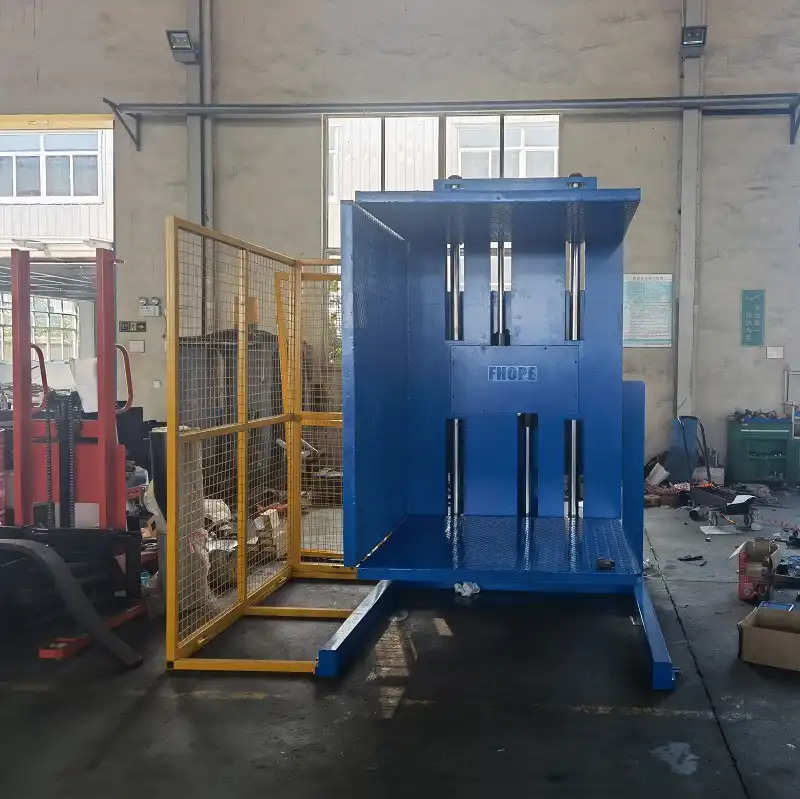
I have seen the impact of manual handling on workers. In my early days as an employee in a packing machine factory, I saw people struggle with heavy boxes. It was clear even then that a better way was needed. My journey, building FHOPEPACK and helping clients, showed me that safety and cost savings go hand in hand. Pallet inverters are a prime example of this. They protect your most valuable asset, your employees, while also making your operations more financially sound. They take away the need for workers to lift, twist, or push heavy pallets by hand.
-
Eliminating Direct Physical Risks:
- Manual pallet changes often involve dangerous actions. Workers might use crowbars to pry pallets apart. They might try to lift heavy goods or physically turn them. These actions can cause severe injuries. They include back strains, crushed limbs, or falls. I remember seeing workers get hurt this way early in my career.
- Pallet inverters remove workers from these direct danger zones. The machine handles all the heavy lifting and turning. It uses hydraulic or mechanical force. Workers can operate the machine from a safe distance. This dramatically reduces the chance of workplace accidents. It leads to a much safer working environment for everyone.
- This reduction in risk also lowers insurance premiums and workers’ compensation claims for businesses. It protects both the employees and the company’s financial health.
-
Addressing Labor Shortages and Costs:
- In many regions, including Europe, finding willing and able labor for strenuous warehouse jobs is difficult. Younger generations often seek less physically demanding work. This drives up the cost of available labor.
- Pallet inverters reduce the reliance on manual labor for pallet changing tasks. One operator can manage the machine. This operator does not need to perform heavy physical work. This means fewer staff are needed for this specific task. It allows you to reallocate your existing workforce to other value-added activities.
- This automation helps mitigate the impact of labor shortages. It also helps control rising labor costs. It makes your operations more sustainable in the long run.
-
Preventing Product Damage and Ensuring Load Stability:
- Manual handling of heavy or fragile goods can easily lead to product damage. Goods might shift or fall during an improper manual transfer. This results in costly waste and unhappy customers.
- Pallet inverters are designed to hold loads securely. They use clamps or gentle pressure. They transfer goods smoothly and evenly. This minimizes the risk of damage during the change process. The goods stay stable.
- This precision is especially important for food and beverage products, as handled by many of Carlos’s clients. Products must arrive in perfect condition. Automated systems provide this consistency. They protect your inventory and your brand’s reputation.
Boosting Operational Efficiency and Speed: Do Pallet Inverters Meet Modern Logistics Demands?
Today’s customers demand faster delivery. This puts massive pressure on warehouses to operate at top speed. If your pallet switching process is slow, it creates bottlenecks. This delays shipments. It impacts customer satisfaction and can even lead to financial penalties for missed deadlines. You need solutions that keep pace with these demands.
Pallet inverters boost operational efficiency and speed by automating a time-consuming manual task, reducing pallet change cycles to mere minutes. They meet modern logistics demands by increasing throughput, ensuring goods move quickly, and helping warehouses achieve tighter delivery schedules without interruption.
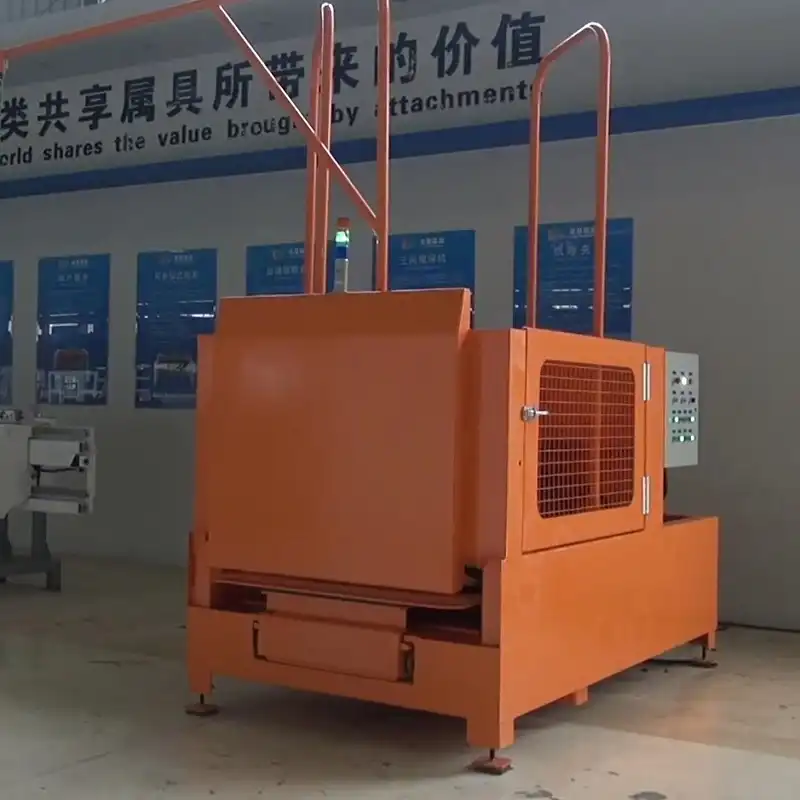
I have seen how quickly the logistics world changes. When I founded my own successful packing machine factory, speed and efficiency were always critical. If you could not deliver fast, you lost business. The same holds true for pallet handling. Manual methods simply cannot keep up with the volume and speed required in today’s fast-paced supply chains. Investing in a pallet inverter is not just about a machine. It is about investing in your capacity to meet and exceed customer expectations, turning a potential bottleneck into a smooth, efficient part of your operation.
-
Accelerated Pallet Changing Cycles:
- Manual pallet change is inherently slow. Each step requires human intervention. This includes positioning, securing, and transferring. A single change can take 10-15 minutes, or even more for heavy or awkward loads.
- Pallet inverters, by contrast, operate with mechanical precision and speed. They can complete a full cycle—from loading the original pallet to presenting the new one—in as little as 60-90 seconds. This massive difference in speed directly impacts your daily throughput. It allows you to process significantly more pallets per shift.
- This acceleration is vital for operations handling thousands of pallets daily. It helps to clear loading docks faster. It ensures trucks are loaded on time. It minimizes vehicle waiting times.
-
Reduced Bottlenecks in the Workflow:
- The pallet change point often becomes a bottleneck in warehouses. If this step is slow, it holds up upstream and downstream processes. Goods pile up, or workers stand idle waiting for pallets to be ready.
- By speeding up the pallet change, inverters eliminate this bottleneck. They create a smoother, more continuous flow of goods through the warehouse. This improves the overall efficiency of your entire logistics chain.
- This consistent flow is crucial for facilities operating under tight deadlines. It ensures that products are always ready for outbound shipping. It supports just-in-time inventory strategies.
-
Meeting E-commerce and Retail Demands:
- E-commerce and modern retail channels have set new standards for delivery speed. Customers expect rapid fulfillment. Warehouses must adapt to these demands to remain competitive.
- Pallet inverters contribute directly to meeting these faster delivery cycles. They ensure that pallet transfers, whether for cross-docking or preparing export orders, are done quickly and without delay. This translates to faster dispatch times.
- This capability helps prevent contract penalties due to late deliveries. It improves customer satisfaction. It strengthens your business’s reputation as a reliable supplier.
Ensuring Reliability and Long-Term Value: Why are Pallet Inverters a Strategic Investment for Warehouses?
Buying a piece of equipment is not just a one-time purchase. It is a long-term investment. You need equipment that is reliable and built to last. You also need a partner who understands your needs. If a machine breaks down, it stops your entire operation. This costs a lot of money and time. Warehouse managers want solutions that offer steady performance and real value over many years.
Pallet inverters represent a strategic investment for warehouses because they offer robust reliability, designed for continuous operation in high-intensity environments. They provide long-term value through consistent performance, reduced maintenance needs, and the support of experienced partners, ensuring operational continuity and strong ROI.

I learned early on that reliability is everything in manufacturing. A machine that breaks down often is worse than no machine at all. That is why, at FHOPEPACK, we focus on engineering robust solutions. I have built my company on the idea of being a true partner, not just a seller. This means offering equipment that our clients can depend on, day in and day out. It also means providing support that helps them achieve their goals. A pallet inverter is an investment in your company’s future, helping you overcome challenges like diverse pallet specifications and labor shortages while ensuring safety and compliance.
-
Robust Construction for Heavy-Duty Use:
- Pallet inverters are built to withstand the demands of heavy industrial environments. They use strong steel frames and high-quality hydraulic or electric components. This robust construction ensures they can handle continuous operation. They are designed for thousands of cycles each day.
- Manufacturers like FHOPEPACK engineer these machines for longevity. They focus on minimizing wear and tear. This means fewer breakdowns and a longer operational lifespan. This is critical for busy distribution centers. Any downtime can be very costly.
- Investing in a durable machine means less need for frequent replacements. It provides a more stable and predictable operational cost over time.
-
Low Maintenance and High Uptime:
- A key aspect of reliability is ease of maintenance. Well-designed pallet inverters require minimal routine maintenance. This includes regular checks and lubrication. They have easily accessible parts for any necessary service.
- This low maintenance need translates to higher uptime. Your machine spends more time working and less time being repaired. This ensures your warehouse operations run smoothly without interruption. This is something Carlos would value highly.
- When choosing a supplier, considering their after-sales service and spare parts availability is important. A good partner ensures quick support if issues arise. This further minimizes potential downtime.
-
Strategic Partnership and Return on Investment (ROI):
- Choosing a pallet inverter is more than just buying hardware. It means choosing a strategic partner. A good supplier understands your specific warehouse challenges. They offer tailored solutions. They provide ongoing support and expertise.
- The return on investment for a pallet inverter is significant. It comes from reduced labor costs, fewer accidents, less product damage, and increased operational speed. These savings quickly add up. They outweigh the initial purchase price.
- This type of investment is key for growth. It helps companies achieve greater automation. It improves safety. It prepares them for future demands in the logistics industry. This aligns perfectly with a manager’s long-term goals.
Conclusion
Engineers prefer pallet inverters because they offer superior safety, efficiency, and cost savings over manual methods. These machines handle diverse pallet types, reduce labor needs, prevent accidents, and boost throughput. They are a strategic, reliable investment for any modern warehouse. Find the right pallet inverter to master your packing machine needs.








