
How pallet inverter reduces risk of damage in exporting tiles and ceramic products?
Have you ever thought about the journey a tile takes from the factory floor to a distant client? It is not a simple trip. Tiles and ceramic products are heavy, fragile, and prone to damage. This is especially true during international shipping. Broken goods lead to big problems. They cause financial losses and unhappy customers. They also hurt your brand’s reputation. This is a real challenge for many businesses in the export industry.
A pallet inverter significantly reduces the risk of damage when exporting tiles and ceramic products by allowing for safe and efficient pallet transfers, product inspection, or re-palletizing without manually handling the fragile goods, keeping the load stable and secure throughout the process. It helps companies maintain product quality and avoid costly shipping damages. This machine moves and rotates entire pallet loads with care and precision. This stops products from shifting, breaking, or getting crushed during transit. It also addresses the need for different pallet types for different export markets.

I have seen many challenges in my time in the packing machine industry. From my early days as an employee to running my own factory, I understand the real struggles. Businesses want to send their products safely and efficiently. That is why I started FHOPEPACK. I want to share knowledge to help you solve these exact problems. Let us dive deeper into how pallet inverters change the game for tile and ceramic exporters.
Why are tiles and ceramics so vulnerable during international shipping?
Exporting tiles and ceramic products presents unique difficulties. These items are inherently fragile. They also carry significant weight. This combination makes them highly susceptible to damage during transit. The journey involves many steps. Each step has risks. Have you considered the impact of sudden movements or rough handling? Such events can turn a valuable shipment into a pile of broken pieces.
Tiles and ceramic products are highly vulnerable during international shipping due to their inherent fragility, heavy weight, and the various handling points where impacts, vibrations, and shifts can cause chips, cracks, or complete breakage, especially when manual methods are used for pallet changes or inspections. Different countries have different pallet standards. For example, Euro pallets versus US pallets. This also adds to the complexity and risk.
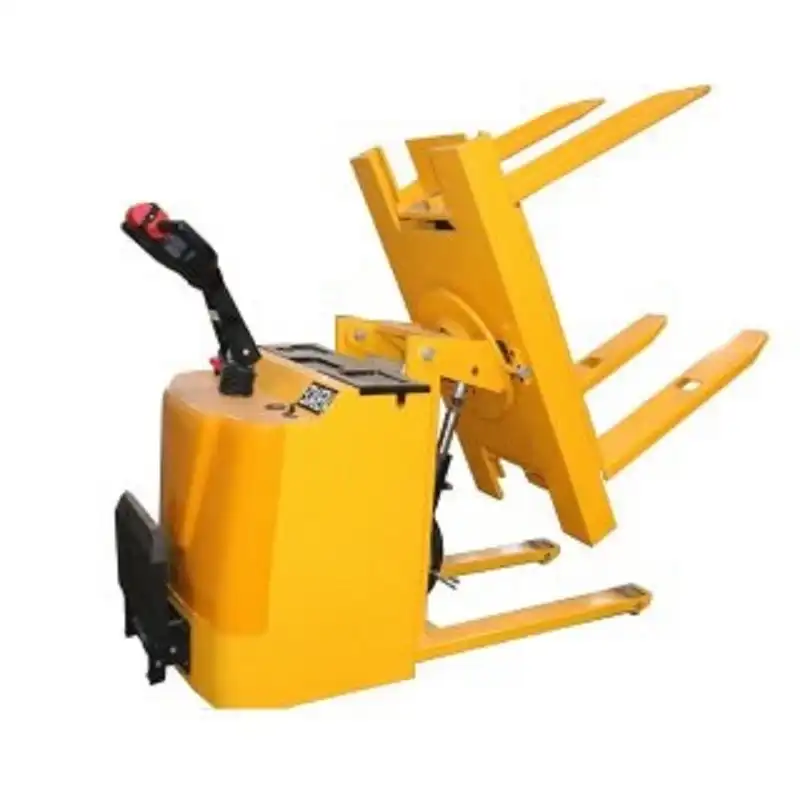
When I was first building my packing machine factory, I saw many instances of damaged goods. This showed me the real need for better solutions. I have helped many clients grow their businesses. A big part of that was helping them secure their shipments. Understanding these vulnerabilities is the first step. Then we can find the right solutions.
1. The Nature of the Product
Tiles and ceramics are strong once installed. However, they are brittle before then. They do not bend. They break.
- Weight: They are heavy. This adds stress during lifting and moving. It also increases the force of any impact.
- Brittleness: Even small impacts can cause cracks or chips. A drop from a short height can shatter an entire pallet.
- Shape: Many tiles have sharp edges. These can chip easily against each other or other surfaces.
2. Handling and Logistics Risks
The export process is complex. It involves many touchpoints. Each touchpoint is a chance for damage.
- Manual Handling: Workers often lift or move pallets. This is physically demanding. It increases the chance of human error. A slight slip can lead to significant damage. I know managers like Carlos often struggle with labor shortages. Young workers do not want high-intensity lifting jobs. This makes manual handling even riskier.
- Loading and Unloading: Goods move between trucks, ships, and warehouses. Each transfer can be rough. Forklifts might bump pallets. Pallets might shift during stacking.
- Vibrations During Transit: Trucks and ships vibrate constantly. These vibrations can cause tiles to rub together. This creates friction and small impacts. Over long distances, this can lead to wear and breakage.
- Pallet Changes: Different countries use different pallet sizes. For example, Euro pallets and American pallets. Exporters often need to switch pallets for compliance. Manual pallet changes involve tilting or moving the entire stack. This is risky for heavy, fragile items. It can cause the load to collapse. I have seen accidents happen. This not only damages products but also injures workers. This creates safety risks and raises insurance costs, a major concern for someone like Carlos who values human safety.
3. Environmental Factors
Even the environment can play a role in damage.
- Temperature Changes: Extreme temperature shifts can cause materials to expand and contract. This can weaken packaging and even the products themselves.
- Moisture: While not direct damage, moisture can weaken cardboard packaging. This then makes the load less stable and more likely to break.
These factors make it clear. Exporting tiles requires careful planning and robust solutions. Reducing these risks protects both the product and the people handling it.
How does a pallet inverter protect fragile goods like tiles from damage?
You have seen why tiles are so fragile. Now, how does a pallet inverter offer a solution? This machine is not just about moving goods. It is about moving them safely and efficiently. It guards against the very risks that cause damage. It provides a controlled environment for pallet changes and product access. This avoids the dangers of manual handling.
A pallet inverter protects fragile goods like tiles from damage by securely clamping the entire load and then gently rotating it, which eliminates the need for manual handling, tilting, or re-stacking that often leads to breakages, ensuring the load remains stable and intact throughout the pallet transfer process. This method greatly reduces the risk of goods shifting, falling, or being impacted. It also ensures consistent load integrity.
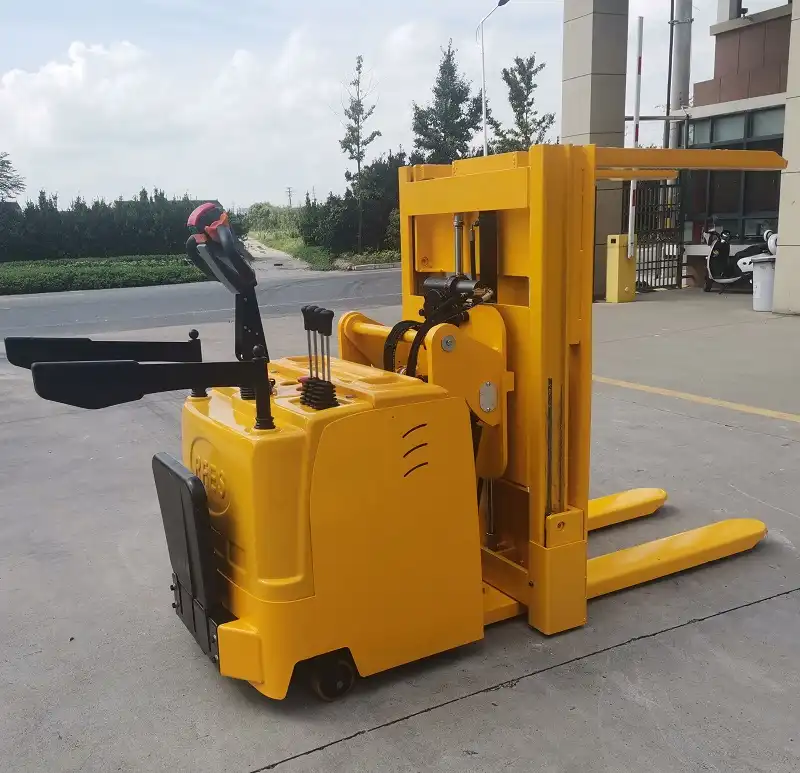
I remember one client in Spain. They exported many ceramic tiles to the US. They constantly faced issues with broken tiles upon arrival. They were losing money and customers. They knew they needed a better way. This is a common story. I often think about managers like Carlos. They want solutions that work in real-world, high-intensity warehouse settings. A pallet inverter is exactly that kind of solution.
1. Secure Clamping and Gentle Rotation
The core function of a pallet inverter is its gentle yet firm grip.
- Even Pressure Distribution: The machine clamps the load from top and bottom. It applies even pressure across the entire stack. This prevents individual items from shifting or moving. It keeps the load as one solid unit.
- Controlled Movement: Unlike manual methods, the rotation is slow and smooth. There are no sudden jolts or drops. This protects delicate edges and surfaces. It is like turning a book over, not throwing it.
- No Manual Lifting: Workers do not need to lift or tilt heavy stacks by hand. This completely removes the risk of items falling due to human error. It also prevents worker injuries. Carlos highlighted safety risks as a major concern. This machine directly addresses it.
2. Eliminating Double Handling
Manual pallet changes often require multiple steps. These steps increase damage risk.
- One-Step Transfer: A pallet inverter completes the transfer in one smooth operation. This means less touching of the product. Less touching means less risk.
- Product Integrity: The tiles stay in their original stacked order. This maintains the load’s structural integrity. This is key for heavy and fragile goods.
3. Facilitating Quality Control and Repairs
Sometimes, a pallet has damaged items or needs inspection.
- Easy Access: A pallet inverter allows full access to the bottom of the load. This is done without dismantling the entire stack. Workers can check for damaged items or swap a faulty pallet. This keeps the rest of the load untouched.
- Reduced Waste: Finding and replacing a damaged item early saves the whole pallet. It reduces waste. It also ensures that only perfect products reach the customer.
4. Adapting to Different Pallet Types
The need for various pallet types is a huge challenge.
- Seamless Pallet Swap: Pallet inverters are designed to swap different pallet sizes. For example, Euro pallets to plastic pallets. Or US pallets to wooden pallets. They do this quickly and safely. This is crucial for international exports. It ensures compliance without risking damage. I have seen firsthand how much time and effort this saves for busy logistics managers. This directly helps Carlos’s challenge with diverse pallet specifications.
By adopting a pallet inverter, businesses can ensure their fragile products arrive in perfect condition. This builds trust with clients and saves a lot of money in the long run.
What features make a pallet inverter ideal for diverse export requirements?
Exporting tiles means dealing with many different rules and demands. Pallet types change from country to country. Load weights vary greatly. A good pallet inverter must be versatile. It needs to handle these challenges with ease. It is not enough for a machine to just turn pallets. It must be flexible, reliable, and safe for all kinds of export operations.
A pallet inverter becomes ideal for diverse export requirements through features like adjustable clamping pressure, wide load capacity, compatibility with various pallet types (Euro, US, plastic), and robust construction for continuous operation, allowing businesses to adapt quickly to different international shipping standards and product needs. These features ensure that the machine can handle a wide range of loads and operational demands without fail.
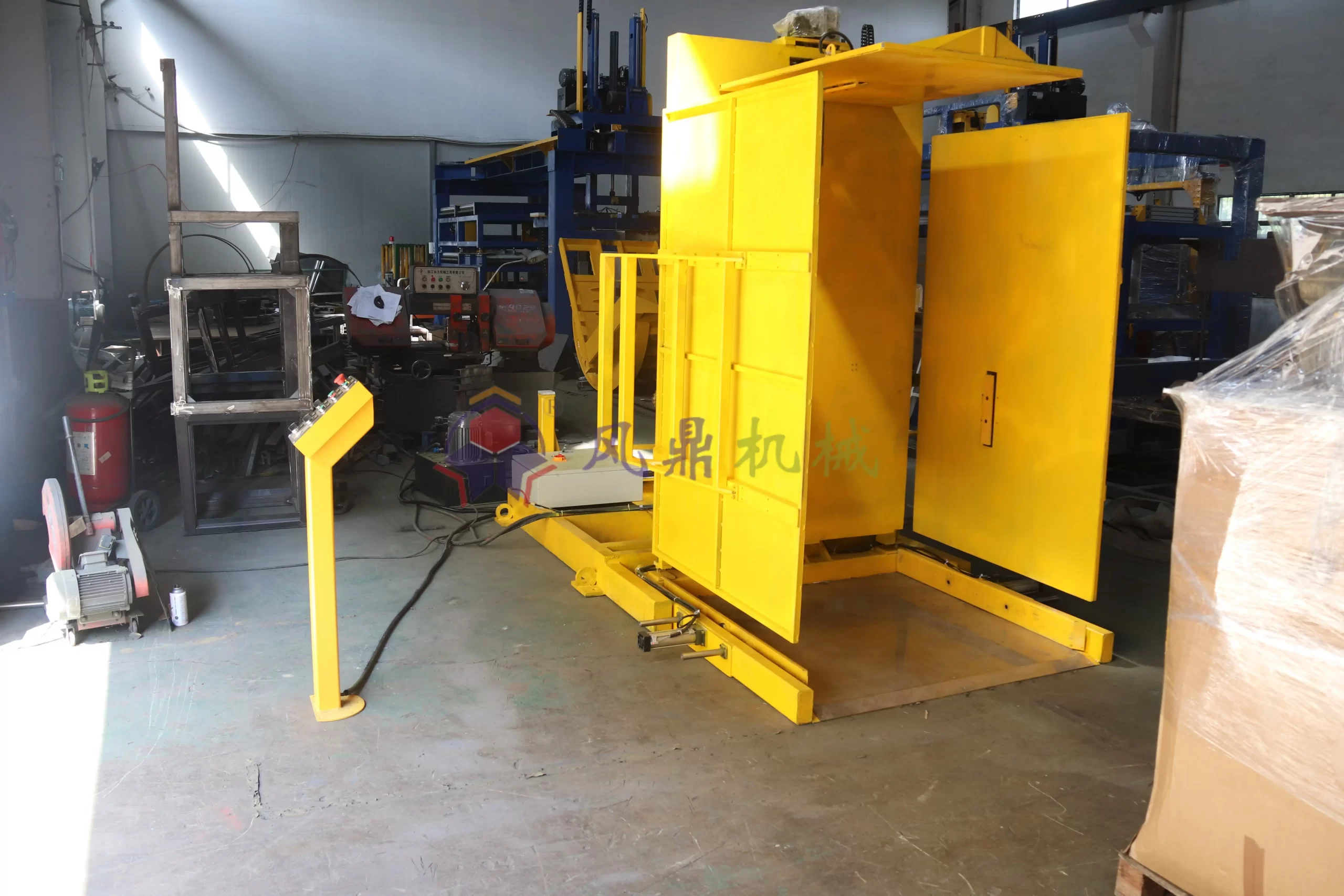
From my experience designing and implementing packing solutions, I know that one size does not fit all. When I meet clients, they always talk about their specific needs. Carlos, for example, deals with thousands of pallets daily. He needs equipment that is highly reliable and adaptable. The right pallet inverter is a strategic asset. It makes a big difference in smooth export operations.
1. Adaptability to Multiple Pallet Types
This is a key feature for international trade.
- Universal Compatibility: The best pallet inverters can work with many pallet sizes. This includes Euro pallets, US pallets, plastic pallets, and even slip sheets. This flexibility means fewer delays. It also means no need for separate equipment. This directly addresses Carlos’s issue of frequent pallet changes between different standards.
- Quick Changeovers: Modern pallet inverters allow fast adjustments. This changes the clamping settings for different pallet heights or load dimensions. This minimizes downtime. It keeps the workflow moving.
2. Robust Construction and High Load Capacity
Tiles and ceramics are heavy. The machine must be strong enough.
- Heavy-Duty Design: A well-built pallet inverter uses strong materials. It has powerful hydraulics. This ensures it can handle very heavy loads repeatedly. Some machines can lift several tons. This is essential for dense tile pallets.
- Long-Term Reliability: These machines are built for continuous operation. They work in demanding warehouse settings. This means less maintenance and fewer breakdowns. For managers like Carlos, reliability is crucial. Downtime costs money and customer trust. I make sure FHOPEPACK equipment meets these standards.
3. Advanced Safety Features
Safety is always a top priority. Especially when working with heavy loads.
- Operator Protection: Modern pallet inverters come with safety guards, light curtains, and emergency stop buttons. These features protect workers from moving parts. They prevent accidents. This is critical for reducing workplace injuries. It aligns perfectly with Carlos’s focus on human ergonomic safety.
- Load Stability Systems: Sensors and intelligent controls ensure the load is balanced. They prevent tipping or shifting during rotation. This protects both the product and the surrounding environment.
4. User-Friendly Controls and Automation Options
Ease of use and automation improve efficiency.
- Simple Operation: Clear controls make it easy for warehouse staff to operate the machine. This reduces training time. It also reduces human error.
- Semi-Automatic and Automatic Modes: Many pallet inverters offer different levels of automation. Semi-automatic modes need some operator input. Full automatic systems can integrate into a larger warehouse system. This allows for faster processing. It fits Carlos’s goal to increase automation. It helps manage labor costs by reducing manual tasks.
These features make a pallet inverter more than just a piece of equipment. It becomes a vital part of an efficient and safe export logistics chain.
How does investing in a pallet inverter improve overall export logistics?
We have discussed damage prevention and features. But the benefits of a pallet inverter go beyond just safety. It transforms the entire export logistics process. It makes it smoother, faster, and more cost-effective. For any company, especially those dealing with international shipments of fragile goods, these improvements are vital for success and growth.
Investing in a pallet inverter significantly improves overall export logistics by enhancing operational efficiency, reducing labor costs, ensuring compliance with international pallet standards, and drastically improving workplace safety, all of which contribute to faster delivery times and higher customer satisfaction for businesses exporting goods like tiles and ceramics. This strategic investment leads to a more robust and responsive supply chain.
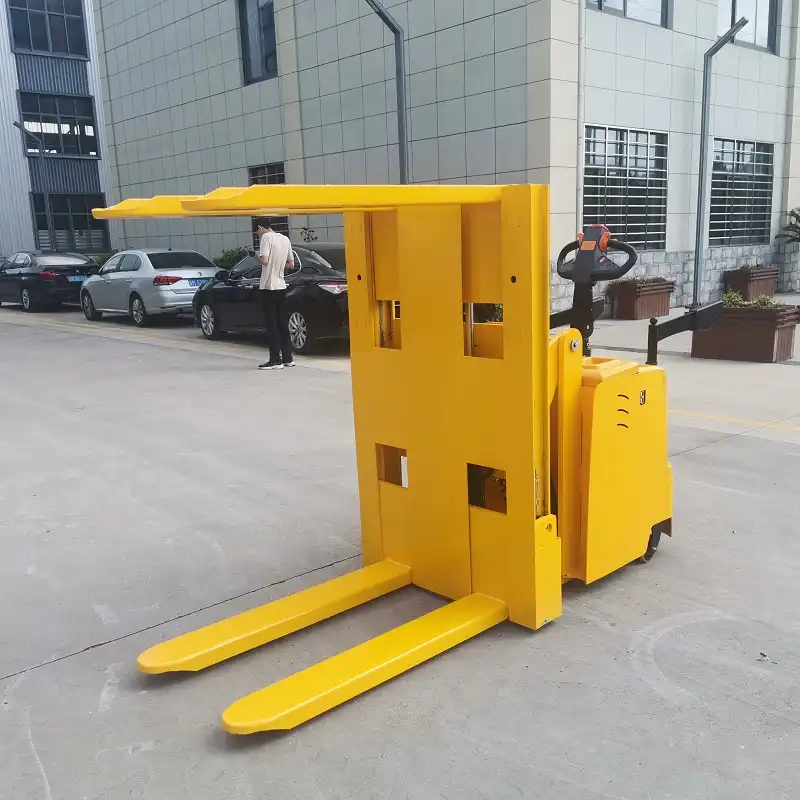
When I founded FHOPEPACK, my goal was to help businesses achieve financial independence. I did this by optimizing their packing and logistics. I know from my own journey that the right equipment can change everything. Carlos, as a supply chain head, wants to ensure efficient, compliant, and cost-controlled operations. A pallet inverter is a powerful tool to achieve all these goals. It delivers clear returns on investment.
1. Increased Operational Efficiency and Speed
Time is money, especially in logistics.
- Faster Pallet Swaps: Manual pallet changes are slow and labor-intensive. A pallet inverter completes the task in minutes. This speeds up the entire warehousing process. It reduces bottlenecks.
- Higher Throughput: With faster changes, more pallets can move through the warehouse each day. This meets the demand for shorter delivery cycles. Carlos faces pressure from e-commerce clients for faster delivery. This directly helps.
- Reduced Downtime: Reliable machines mean fewer interruptions. This keeps operations flowing smoothly.
2. Significant Cost Reduction
Lowering costs is a constant goal for logistics managers.
- Lower Labor Costs: Pallet inverters reduce the need for multiple workers doing manual, strenuous tasks. This saves on wages and overtime. It also helps with labor shortages.
- Reduced Damage Costs: Fewer broken products mean fewer returns, fewer re-shipments, and less waste. This directly impacts the bottom line. It also saves money on insurance claims.
- Optimized Space: Some inverters can help with re-stacking or optimizing pallet use. This can save warehouse space.
3. Enhanced Workplace Safety
Safety protects employees and the company’s reputation.
- Elimination of Manual Risks: As mentioned, the machine handles heavy lifting and tilting. This removes the risk of back injuries, crushed limbs, or falling loads for workers. This reduces accidents. It also lowers insurance premiums. For Carlos, who has seen multiple accidents, this is paramount.
- Safer Environment: A controlled mechanical process is always safer than an uncontrolled human one. This creates a much safer working environment for everyone.
4. Improved Compliance and Customer Satisfaction
Meeting international standards and client expectations is critical.
- Guaranteed Pallet Compliance: The machine ensures the correct pallet type is used for each export market. This avoids customs delays and fines.
- Consistent Product Quality: Products arrive in perfect condition. This boosts customer confidence. It builds long-term relationships. Happy customers mean repeat business and positive reviews. This helps businesses grow, just as I helped my clients achieve success.
- Stronger Brand Image: Companies that deliver quality consistently build a stronger reputation. This can open new market opportunities.
Ultimately, a pallet inverter is not just an expense. It is an investment in a more secure, efficient, and profitable future for export operations. It allows businesses to master their packing needs.
Conclusion
Investing in a pallet inverter is a smart move for tile and ceramic exporters. It dramatically cuts damage risks, boosts efficiency, and improves safety. These benefits combine to lower costs and ensure customer happiness. It helps businesses master their packing for global success.








