
How Can Pallet Inverter Solutions Be Integrated Into Existing Production Lines in Electronics?
Imagine your electronics factory floor, a symphony of precision and speed. Then, suddenly, a bottleneck appears: the slow, often risky, process of changing pallets. Are you struggling with damaged goods, manual handling hazards, or simply inefficient pallet transfers that slow down your entire operation? This common challenge can quickly turn into a major headache, impacting your bottom line and reputation.
Integrating pallet inverter solutions into existing electronics production lines involves a strategic assessment of operational needs, space, safety protocols, and automation levels, often requiring careful selection of equipment designed for specific handling requirements and seamless connectivity with upstream and downstream processes to enhance efficiency and worker safety.
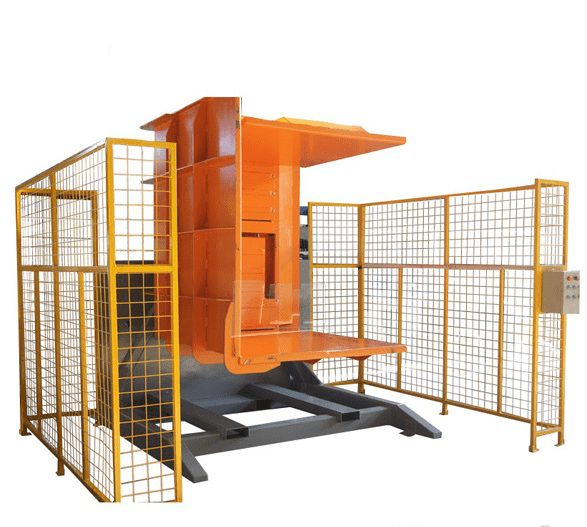
For years, I have seen businesses, much like the multinational food group Carlos manages, wrestle with these very issues. The good news is, there are proven ways to streamline these crucial processes without completely overhauling your entire setup. Let us dive into how you can make this happen for your electronics production.
Why Do Electronics Manufacturers Need Pallet Inverters?
Are you wondering if a pallet inverter is truly necessary for your electronics manufacturing plant? Many of my clients initially ask this question. They often think of pallet changing as a simple task, but the reality on the factory floor tells a different story. The electronics industry, with its delicate components and strict hygiene standards, faces unique demands that make efficient and safe pallet handling absolutely critical.
Electronics manufacturers need pallet inverters to manage diverse pallet types for international shipping, prevent product contamination, reduce manual handling risks, and protect fragile goods during transfer, all while boosting operational efficiency and adapting to stringent industry standards.

Dive Deeper: Understanding Specific Needs in Electronics
When I started my journey in the packing machine industry, I quickly learned that every sector has its specific pains. For electronics, the reasons for needing a pallet inverter are often complex and interconnected.
- Diverse Pallet Requirements for Global Trade: Just like Carlos in Spain deals with Euro and US pallets for food, electronics companies face similar challenges, or even more. Electronic components and finished products are shipped worldwide. Different countries and regions have specific pallet standards (e.g., ISPM 15 heat-treated wood pallets, plastic pallets for hygiene, custom skids). Switching between these various types, especially when exporting or importing, is a daily necessity. Manual switching is slow and prone to errors. It also carries the risk of damaging delicate electronic parts. A reliable pallet inverter system ensures quick, consistent changes, reducing delays and compliance issues. This is not just about moving goods; it is about meeting international trade regulations efficiently.
- Maintaining Cleanliness and Preventing Contamination: Cleanliness is paramount in electronics manufacturing, particularly for sensitive components. Dust, debris, or contaminants from wooden pallets can jeopardize product quality. Many processes require components to be moved into cleanroom environments. However, standard wooden warehouse pallets are often too dirty or carry external contaminants. A pallet inverter allows you to transfer products from a standard pallet to a cleanroom-compatible plastic or specialized pallet without direct human contact or product exposure. This is crucial for avoiding expensive product recalls or failures caused by contamination. My experience has shown me how a simple transfer system can protect high-value, sensitive materials.
- Enhancing Worker Safety and Reducing Product Damage: Manual pallet inversion or transfer, especially with heavy electronics equipment, poses significant risks. Workers can suffer musculoskeletal injuries from awkward lifting or accidents if pallets tip over. Product damage from drops or mishandling is also a constant threat, leading to financial losses and production delays. A robust pallet inverter system replaces these dangerous manual tasks with automated, controlled movements. This vastly improves safety for your workforce and protects your valuable electronic products from damage. I have seen firsthand how investing in automation makes a huge difference in workplace safety.
- Optimizing Space and Workflow in Production Lines: Electronics production lines are often highly optimized for space and flow. Pallet handling can disrupt this delicate balance. Large, cumbersome pallets might need to be reoriented or transferred to smaller internal pallets for specific assembly stages. Pallet inverters can facilitate these transitions smoothly. They ensure that materials are presented in the correct orientation or on the right type of pallet for the next step. This helps maintain a continuous, efficient workflow, preventing bottlenecks and maximizing the use of valuable factory floor space.
What Types of Pallet Inverter Solutions Best Suit Electronics Production?
Choosing the right pallet inverter is not a one-size-fits-all decision, especially in the nuanced world of electronics manufacturing. The diverse needs, from delicate component handling to large equipment packaging, demand a thoughtful selection process. I have spent years helping businesses find the perfect fit for their specific packing challenges, and for electronics, this often means looking beyond the most common solutions.
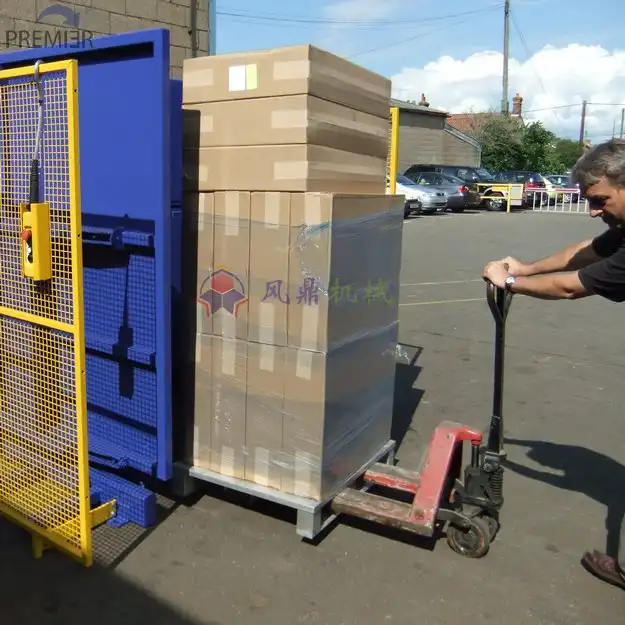
The best pallet inverter solutions for electronics production typically include portable, fixed-position, or fully automated inline systems, chosen based on the volume of pallet transfers, the type and fragility of electronics products, available space, and specific hygiene or automation requirements, often favoring models that ensure gentle handling and precise control.
Dive Deeper: Matching Inverter Types to Electronics Needs
When I consult with a client, I always emphasize understanding their exact needs before suggesting any machine. For electronics, this means considering the weight, size, fragility, and volume of items being handled.
- Fixed-Position Pallet Inverters (Freestanding/Floor-Level): These are workhorse machines ideal for dedicated pallet exchange stations within the production line or at the loading dock. They are great for high-volume, repetitive tasks where pallets need to be inverted or transferred from one type to another consistently.
- Pros: High capacity, very stable, often more robust for heavy loads. Can be integrated with conveyors for continuous flow.
- Cons: Less flexible, requires dedicated space.
- Best for Electronics: Incoming raw materials on wooden pallets needing transfer to plastic internal pallets. Or finished goods being prepared for international export, requiring a switch from internal pallets to shipping-compliant ones. My company once helped a client, an electronics parts distributor, install a fixed unit to handle thousands of inbound components weekly. It cut their manual handling time by 60%.
- Mobile or Portable Pallet Inverters: These units offer flexibility. They can be moved to different areas of the factory floor as needed. They are typically loaded by forklift and are self-contained.
- Pros: Versatile, can serve multiple lines or areas, good for lower volume or varied tasks.
- Cons: Slower cycle times than fixed units, requires more operator interaction.
- Best for Electronics: Factories with varied production runs or where pallet changes are not constant at one single point. Also useful for testing new processes or for smaller operations that cannot justify a dedicated fixed system. They provide a practical way to manage ad-hoc pallet changes for specific batches of electronic devices.
- Inline or Fully Automated Pallet Inverter Systems: These are integrated directly into a conveyor system, often managed by a central control system. They are designed for minimal human intervention and maximum efficiency.
- Pros: Highest automation level, minimal labor, fast cycle times, highly integrated into production flow.
- Cons: Higher initial investment, requires complex integration with existing controls, less flexible once installed.
- Best for Electronics: Large-scale electronics manufacturing, especially where speed, consistency, and traceability are paramount. Think of high-volume circuit board manufacturing or final assembly lines for consumer electronics. These systems can seamlessly transfer components or finished products between different stages, optimizing a highly automated environment. They are crucial for ensuring a lean and continuous manufacturing process.
How Can Pallet Inverters Be Integrated into Existing Electronics Lines Smoothly?
Integrating new machinery into an established production line can seem like a daunting task. It is not just about plugging in a machine; it is about ensuring it works harmoniously with everything else, from material flow to control systems. Many managers, like Carlos, worry about disruption and the learning curve for their teams. My experience tells me that with careful planning and a clear strategy, this integration can be seamless and highly beneficial for electronics manufacturing.
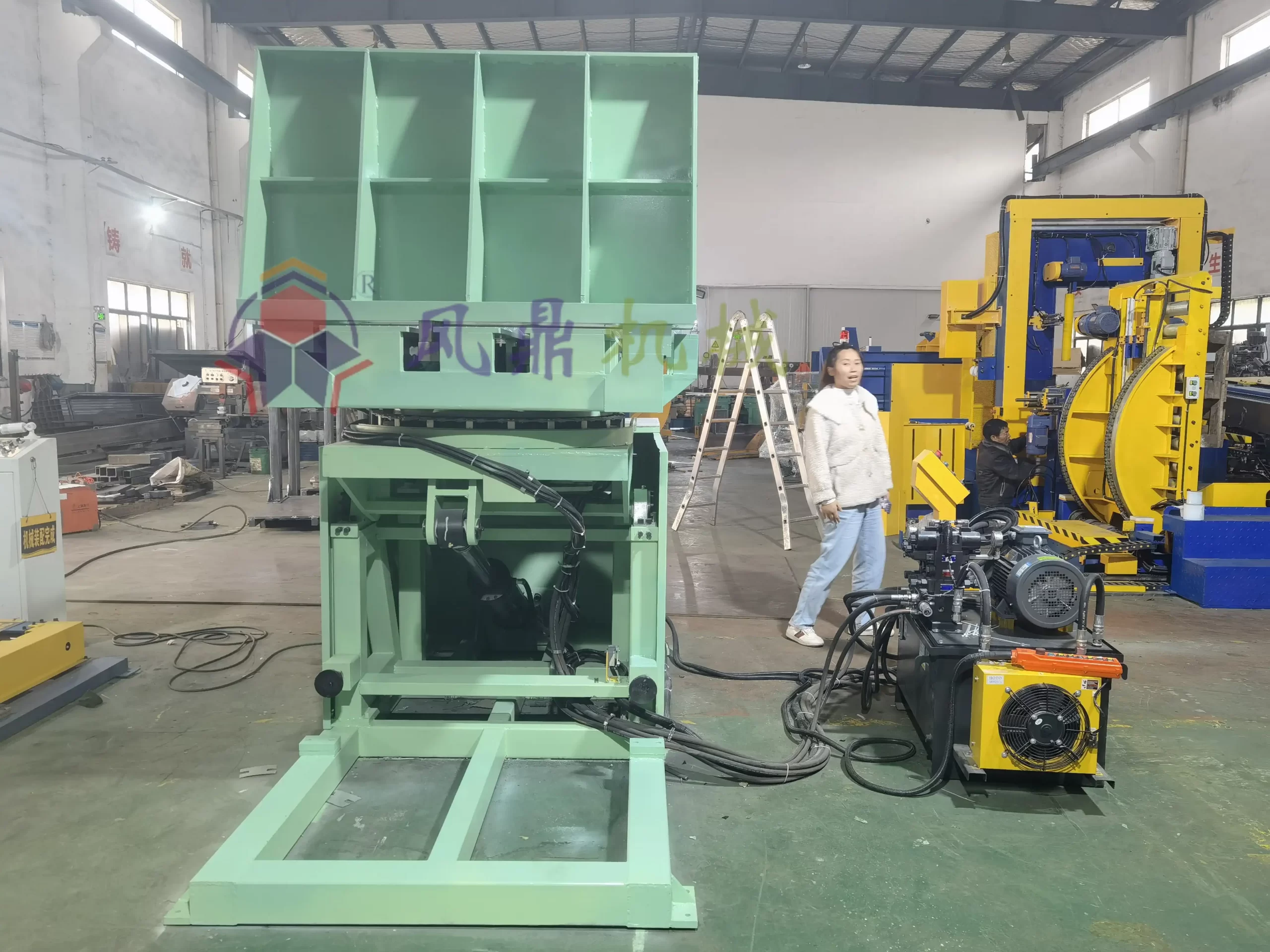
Smoothly integrating pallet inverters into existing electronics lines requires a phased approach: first, conducting a thorough site assessment for space and utility; second, selecting compatible equipment and control systems; third, planning for minimal operational disruption during installation; and finally, training staff and optimizing the workflow for maximum efficiency and safety.
Dive Deeper: A Step-by-Step Integration Guide
When I help a client implement a new packing solution, I break it down into manageable steps. This reduces stress and ensures a successful outcome.
- Detailed Site and Process Assessment: Before anything else, you must understand your current setup.
- Space: Where will the inverter go? Do you have enough floor space, height clearance, and access for maintenance? Is there room for safe forklift or conveyor movement around it?
- Utilities: Does the location have access to the necessary power supply, compressed air (if pneumatic), and network connections for control systems?
- Workflow: Map out your existing material flow. Where do pallets enter and exit the inverter’s potential location? How will it impact upstream and downstream processes? Consider the impact on other equipment. For example, will it affect AGV paths or robot work envelopes?
- Safety: Identify all potential hazards. How will workers interact with the machine? What safety barriers, light curtains, or emergency stops are needed to meet industrial safety standards? A detailed risk assessment is not just a formality; it is essential for preventing accidents.
- Selecting the Right Pallet Inverter and Control System: Choosing the right machine is critical. It must match your operational needs and integrate with your existing technology.
- Capacity and Speed: Does the inverter handle the weight and dimensions of your electronics products and pallets? Does its cycle time match your production rate?
- Integration with Existing Controls: Can the inverter communicate with your existing PLC (Programmable Logic Controller) or MES (Manufacturing Execution System)? This is vital for seamless automation. You want a system that “speaks the same language” as your current equipment. This might involve custom programming or interface modules.
- Customization: Are there specific features you need, such as unique clamping mechanisms for delicate electronics, or washdown capabilities for cleanroom environments? Some pallets used in electronics can be non-standard, requiring customized handling solutions.
- Phased Installation and Commissioning: Minimizing downtime is key for any electronics production line.
- Pre-installation: Prepare the site by running power, air lines, and network cables beforehand. Assemble as much of the inverter as possible off-line.
- Scheduled Downtime: Plan the actual installation during a scheduled maintenance break, a weekend, or during periods of lower production. This reduces disruption to your core operations.
- Testing: After installation, rigorously test the inverter with various loads and scenarios. Start with empty pallets, then move to test loads, and finally actual products. Test all safety features thoroughly. My own factory once faced a huge project integrating a complex packing line. We worked with the client to schedule installations in stages, making sure each new piece worked perfectly before moving to the next.
- Operator Training and Ongoing Support: Even the best equipment is only as good as the people operating it.
- Comprehensive Training: Provide thorough training for operators, maintenance staff, and supervisors. They need to understand the machine’s operation, troubleshooting, and safety protocols. This includes hands-on practice.
- Documentation: Ensure clear operating manuals, maintenance guides, and troubleshooting charts are readily available.
- Partnership: Choose a supplier who offers excellent after-sales support. This includes spare parts availability, technical assistance, and preventative maintenance schedules. Carlos, for example, looks for a long-term partner, not just a seller. This reflects the reality that ongoing support is crucial for any successful integration.
What Are the Key Benefits of Pallet Inverter Integration for Electronics?
After going through the detailed process of selecting and integrating a pallet inverter, it is natural to ask: what is the real payoff? In my years in the packing machine business, I have seen firsthand how the right solution can transform a company’s operations. For electronics manufacturers, these benefits extend far beyond just moving pallets. They touch upon critical aspects like safety, efficiency, cost, and ultimately, customer satisfaction.
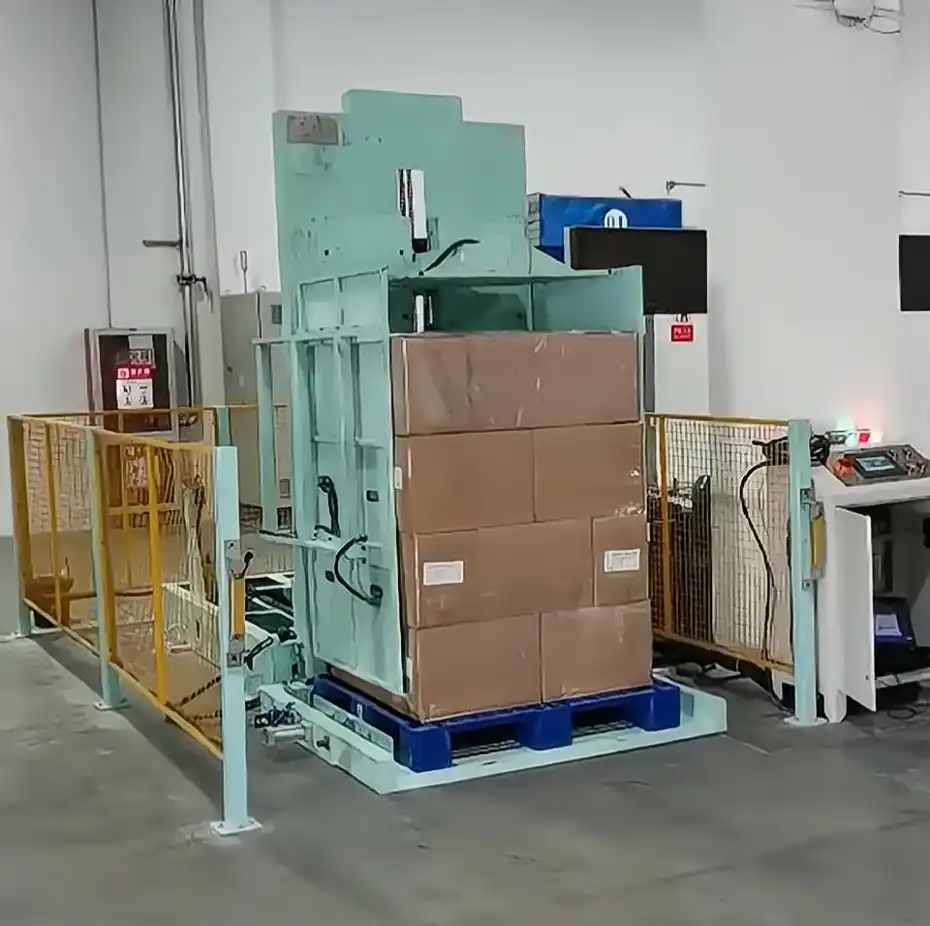
The key benefits of integrating pallet inverters into electronics production include significantly improved worker safety by eliminating manual handling, enhanced operational efficiency through faster and more consistent pallet transfers, reduced product damage, lower labor costs, and better compliance with international shipping standards, leading to overall increased productivity and client trust.
Dive Deeper: Realizing the Value in Your Operations
When I talk to my clients about the impact of automation, I always focus on the tangible results. For an electronics factory, these results are particularly impactful due to the high value and delicate nature of the products.
- Significantly Enhanced Worker Safety: This is often the first and most critical benefit. Manual pallet handling, especially flipping or transferring heavy stacks of electronic components or finished goods, is dangerous. It leads to back injuries, crushed limbs, and other accidents. I remember a factory where manual pallet handling was a constant source of injury claims. Introducing an automated pallet inverter changed everything. It completely removed the need for workers to physically manipulate heavy pallets. This reduces the risk of workplace injuries, lowers insurance premiums, and creates a safer, more positive work environment. For electronics, where precision is key, a safe environment also means fewer distractions and greater focus from your team.
- Increased Operational Efficiency and Throughput: Time is money, especially in fast-paced electronics manufacturing. Manual pallet changes are slow and inconsistent. A pallet inverter, whether semi-automatic or fully automated, performs these tasks much faster and with consistent speed. This reduces bottlenecks in your production line, leading to quicker material flow and higher throughput. Faster turnaround times mean you can produce more, meet tighter deadlines, and improve your overall responsiveness to market demands. Carlos faces pressure for shorter delivery cycles, and an inverter directly addresses this need by accelerating warehouse processes.
- Reduced Product Damage and Waste: Electronic components and devices are often fragile and expensive. Each time they are manually handled or transferred, there is a risk of drops, impacts, or contamination. Pallet inverters provide a controlled, gentle method of transfer or inversion, minimizing the risk of damage. This means fewer scrapped products, less rework, and significant cost savings. Protecting your valuable inventory is crucial for profitability. I have seen companies save thousands of dollars annually just by preventing damage during pallet transfers.
- Lower Labor Costs and Better Resource Allocation: In an era of rising labor costs and shortages, like what Carlos experiences in Spain, reducing dependence on manual labor for repetitive, strenuous tasks is a major advantage. A pallet inverter allows you to reallocate your workforce to more skilled or value-added activities. While there is an initial investment, the long-term savings from reduced labor, lower injury claims, and less product damage quickly add up, providing a strong return on investment. This helps your business run leaner and more effectively.
- Improved Compliance and Customer Satisfaction: For electronics, especially those destined for international markets, adhering to specific pallet standards (e.g., non-wood for certain regions, clean pallets for sensitive goods) is not optional. A pallet inverter ensures these changes are made accurately and consistently, avoiding costly customs delays, fines, or rejection of shipments. This consistency builds trust with your clients, who can rely on your ability to deliver products efficiently and compliantly. Happy customers are repeat customers.
Conclusion
Integrating pallet inverter solutions into electronics production lines directly addresses critical challenges like safety, efficiency, and compliance. By carefully choosing and implementing the right pallet inverter system, companies can protect workers, optimize operations, reduce costs, and ultimately enhance their competitiveness in a demanding global market. It is about smart investments for lasting impact.








