
How can pallet inverter help electronics manufacturers meet cleanroom standards?
Many electronics manufacturers face a silent but costly enemy: contamination. You might spend a lot of money building advanced cleanrooms. You set strict protocols. Yet, a simple pallet coming from outside can bring in dirt and particles. This risk can harm your sensitive products. It can lead to expensive rejects and lost trust from customers.
Pallet inverters help electronics manufacturers meet cleanroom standards by providing a controlled way to transfer products from external, potentially contaminated pallets to clean, internal pallets. They automate the process, reducing human contact and the risk of airborne particles. This ensures product integrity and helps maintain a sterile manufacturing environment.
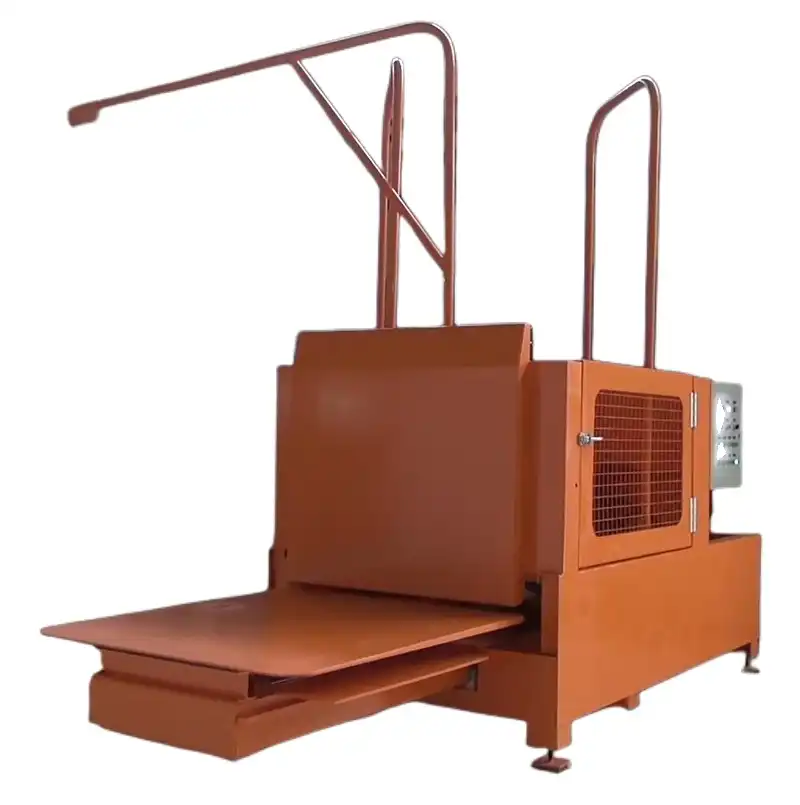
Understanding this link is vital. It is not just about moving goods. It is about safeguarding your entire production process. Let us look deeper at how this simple machine solves complex cleanroom challenges.
How Do Dirty Pallets Threaten Your Cleanroom Environment?
Think about how many pallets enter your facility every day. They come from suppliers, trucks, and various warehouses. Each pallet carries dust, dirt, and sometimes even insects or fungi. These external pallets are a major source of contamination. They pose a constant threat to your cleanroom.
Dirty external pallets introduce harmful particles and microorganisms into cleanroom environments. This compromises product quality and can lead to costly manufacturing defects. Pallet inverters create a critical barrier. They allow you to swap goods onto clean, facility-approved pallets before they enter sensitive areas.

When I first started FHOPEPACK, or even earlier when I was just an engineer on the factory floor, I saw many problems. One memory stands out. A client in the electronics sector struggled with contamination. They made microchips. Their products were very sensitive. They used to manually switch pallets outside the cleanroom. This created risks every single day. Dust would fly. People would touch products more than they should. This experience taught me a lot about the true value of careful material handling. It showed me how a small change in process can save big money and keep product quality high.
1. The Hidden Dangers of Contamination
Cleanrooms require a strict level of cleanliness. This helps protect sensitive products. Electronics, especially, are vulnerable to even tiny particles. These particles can cause serious problems. They can lead to device malfunction. They can shorten product lifespan. They can even make a product completely useless.
- Dust and Particulates: External pallets collect dust during transport and storage. This dust has fibers, skin flakes, and other tiny particles. When you bring these pallets into or near a cleanroom, these particles can become airborne. They can then settle on your products.
- Microbial Contamination: Pallets can also carry bacteria, mold, and other microorganisms. These can thrive in certain conditions. If they enter a cleanroom, they can contaminate products and surfaces. This is a big problem for medical devices or sensitive electronics.
- Chemical Residues: Pallets can absorb chemical residues from previous loads or handling equipment. These residues can transfer to your products. This can cause chemical reactions or damage sensitive materials. It is a silent threat that is hard to see.
2. Manual Handling Risks for Contamination
Manual pallet switching often seems like a simple solution. However, it brings many risks. Workers must touch the products or packaging. They move items between pallets. Each step creates a chance for contamination.
- Increased Human Contact: Every time a person touches a product or its primary packaging, they introduce a risk. Skin cells, hair, and clothing fibers can transfer to the product. Even with gloves and cleanroom suits, this risk is higher with manual methods.
- Airborne Particle Generation: Manual moving and lifting of products or pallets stirs up the air. This makes particles airborne. These particles can then settle on exposed items. The more movement, the more particles.
- Difficulty in Maintaining Cleanroom Protocols: It is hard to keep strict cleanroom rules during manual transfers. Workers might accidentally cross contamination zones. They might not follow every step perfectly. This human element makes the process less reliable.
3. Why Pallet Inverters Offer a Better Way
Pallet inverters offer a mechanical solution. They remove much of the human element from the transfer process. This helps keep your cleanroom clean. It ensures a safer product.
- Automated Transfer: The machine does the work. This means fewer people need to handle the products directly. This reduces the risk of human-generated contamination. It also means less stirring of the air.
- Sealed Environment (Some Models): Some pallet inverter models can operate in a more controlled, even sealed, environment. This limits the exposure of products to the outside air. It prevents dust and particles from entering the clean zone.
- Consistent Process: A machine performs the same action every time. This creates a highly repeatable and standardized process. This consistency is key for cleanroom operations. It helps ensure that contamination risks are always minimized. It also makes validation easier.
How Can Pallet Inverters Protect Sensitive Electronics and Reduce Damage?
Electronics are fragile. They need careful handling at every stage. A small bump or drop can ruin a component. This leads to product failure. It costs you money and time. Manual pallet transfer often puts these sensitive items at risk.
Pallet inverters protect sensitive electronics by offering a gentle, controlled, and stable method for changing pallets. They reduce impacts and movements that can damage delicate components. This minimizes product loss and ensures the integrity of your electronics throughout the material handling process.
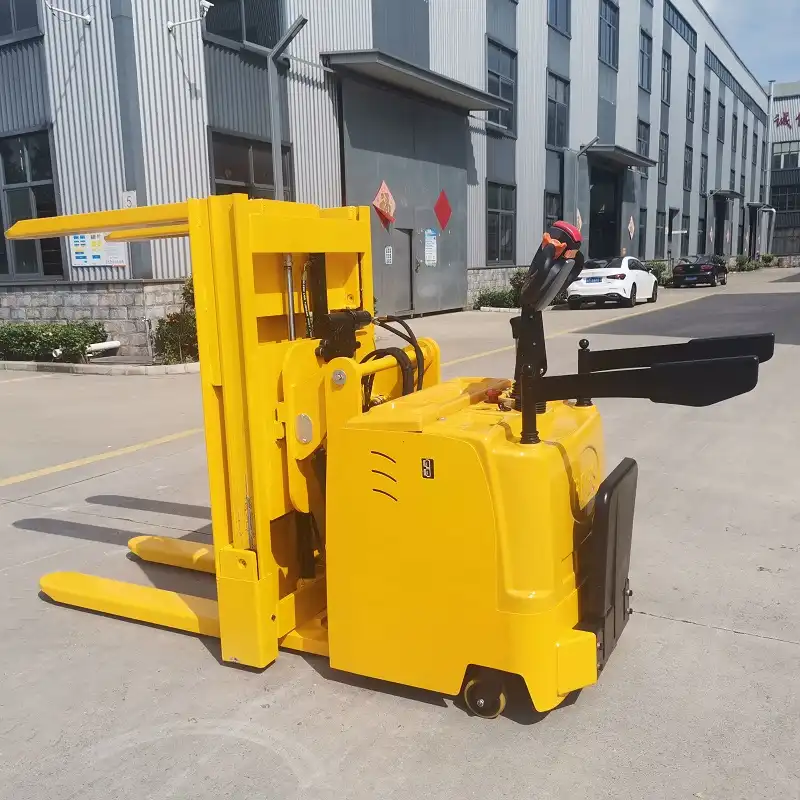
I once visited a factory that made circuit boards. They had a team of people manually flipping stacks of boards. They were changing them from one type of pallet to another. You could see the stress in their faces. One wrong move, and hundreds of dollars worth of boards could be damaged. I immediately thought about how a simple machine could solve this. It would not only protect their products but also make their workers’ jobs safer and less stressful. This kind of problem-solving is what FHOPEPACK is all about.
1. The Vulnerability of Modern Electronics
Today’s electronics are smaller and more complex. They contain delicate parts. These parts can break easily. Shocks, vibrations, and even small pressures can cause damage. This damage might not be visible at first. It can lead to problems later.
- Electrostatic Discharge (ESD): Many electronic components are sensitive to ESD. Manual handling can generate static electricity. This can harm components. Pallet inverters can be designed with ESD-safe materials. This helps prevent static buildup.
- Physical Shock and Vibration: Manual lifting and dropping can create physical shocks. These can damage circuit boards, screens, or delicate connectors. Even small vibrations can cause micro-fractures. A pallet inverter moves goods smoothly and steadily.
- Pressure Damage: Stacking products unevenly or applying too much pressure during manual transfers can crush or deform sensitive items. Pallet inverters distribute weight evenly. This prevents localized pressure points.
2. Manual Transfer: A Recipe for Damage
When people move heavy or bulky items, accidents happen. Fatigue and human error increase the risk of damage. This is especially true for delicate electronics.
- Dropping and Tipping: Workers might lose grip or misjudge weight. This can cause products to fall. Pallets can tip over. This results in widespread damage.
- Impact During Movement: Moving pallets by hand often means bumping into walls, racks, or other equipment. These impacts can transmit shock to the products.
- Improper Stacking: If workers do not stack items correctly, the stack can become unstable. This increases the chance of collapse. It can also put uneven pressure on the bottom layers.
3. How Pallet Inverters Ensure Gentle Handling
Pallet inverters are built for control. They hold the load securely. They move it smoothly. This reduces the risk of damage significantly.
- Secure Clamping: The machine clamps the product stack firmly. This prevents movement during the inversion process. The goods stay in place.
- Controlled Movement: Pallet inverters use hydraulic or electric power. They rotate or tip the load at a steady, slow pace. This avoids sudden jerks or impacts. The movement is predictable and smooth.
- Reduced Manual Intervention: Less human touch means less chance for human error. The machine does the heavy lifting and turning. This protects both the product and the worker. It means fewer damaged goods.
Do Manual Pallet Transfers Create Unacceptable Risks in Cleanrooms?
Safety is always important. In a cleanroom, it is even more critical. Manual pallet transfers can put workers at risk of injury. They can also slow down your entire operation. This means delays and higher costs. You want a workplace that is safe and efficient.
Manual pallet transfers create unacceptable risks in cleanrooms due to potential worker injuries from heavy lifting and awkward movements, and by significantly slowing down operations. Pallet inverters replace dangerous manual tasks with automated, precise movements. This improves worker safety, reduces physical strain, and dramatically increases the speed of material flow.

Carlos Rodríguez, a logistics manager I know in Spain, once told me about his challenges. His warehouse handles thousands of pallets daily. They swap European pallets with American pallets. This is for exports. He told me about the high cost of manual labor. He also mentioned accidents. Workers suffered back injuries from lifting. Pallets sometimes fell. He was clear: he needed a solution that was reliable and safe. His story reinforced my belief. Machines like pallet inverters are not just about speed. They are about human well-being and consistent operation.
1. Worker Safety Concerns
Heavy lifting and awkward movements are common in manual pallet transfers. This leads to many types of injuries. Such injuries are costly. They can also hurt morale.
- Musculoskeletal Injuries: Back strain, shoulder injuries, and carpal tunnel syndrome are common. Workers lift heavy boxes or try to re-stack unstable loads. This takes a toll on their bodies over time.
- Crushing Injuries: Dropped pallets or shifting loads can cause severe crushing injuries. Workers might get caught between a pallet and a wall. This is a very serious risk.
- Slips, Trips, and Falls: Uneven loads or wet floors can cause workers to slip. Pallets can be unstable. This increases the risk of falls, especially when workers are focusing on the load.
2. Operational Inefficiency
Manual processes are slow. They create bottlenecks. In a fast-paced industry like electronics manufacturing, delays are expensive. They can affect production schedules and delivery times.
- Slow Processing Times: It takes longer for people to move and re-stack goods. Each pallet swap is a manual chore. This slows down the overall material flow.
- Labor Intensive: Manual pallet transfers require many workers. Labor costs are high. Finding people willing to do this heavy work is becoming harder.
- Inconsistent Output: Human speed and accuracy vary. Some workers are faster. Some are more careful. This leads to inconsistent output and quality. Machines are constant.
3. How Pallet Inverters Boost Safety and Efficiency
Pallet inverters remove workers from dangerous tasks. They automate the process. This makes the operation safer and much faster.
- Reduced Manual Labor: The machine handles the heavy lifting and turning. Workers do not need to strain their backs. This greatly reduces injuries related to physical exertion.
- Improved Throughput: Pallet inverters can swap pallets in minutes. This is much faster than manual methods. It keeps your production line moving without delays.
- Safer Work Environment: Less manual intervention means fewer chances for accidents. The workspace becomes safer. Workers can focus on tasks that require human judgment.
- Standardized Operations: Machines follow the same steps every time. This makes the process predictable. It reduces errors. It also simplifies training for workers.
Can Automated Pallet Switching Improve Cleanroom Operations and Compliance?
Cleanroom standards are not suggestions. They are strict rules. Meeting them requires constant effort. You also need to prove you meet them. Manual processes make this harder. Automated solutions offer a clearer path to compliance and easier audits.
Automated pallet switching, through pallet inverters, significantly improves cleanroom operations and compliance. They provide a verifiable, repeatable process that reduces contamination risks and human error. This helps manufacturers meet strict regulatory requirements and demonstrates a commitment to product quality and safety during audits.
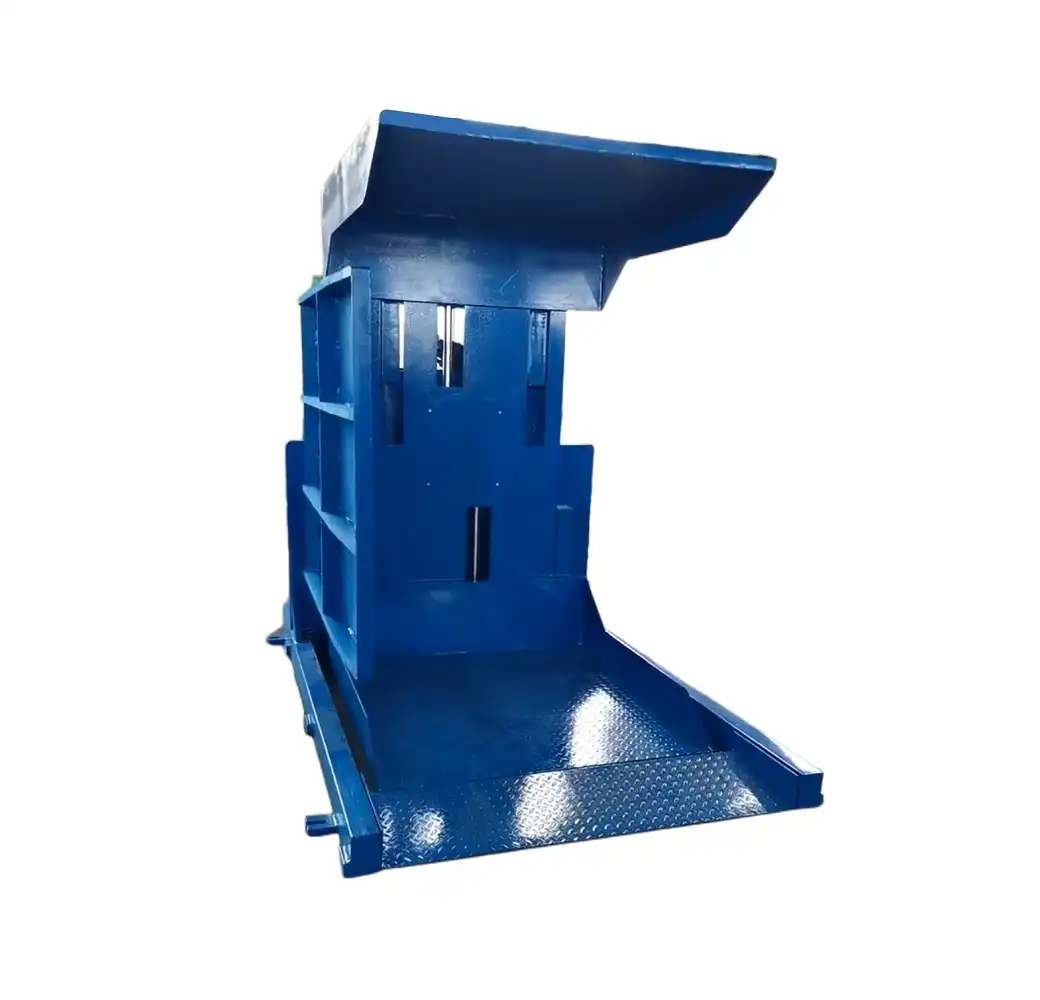
I learned early in my career that good processes are not just about doing things right. They are also about proving you did them right. When I first started FHOPEPACK, I aimed to build machines that not only worked well but also supported our clients’ need for compliance. I remember working with a pharmaceutical client. They faced very strict regulations. Their manual pallet handling was a nightmare for auditors. We helped them implement an automated solution. The change was huge. Their audit reports improved. This showed me that automation is a powerful tool for regulatory compliance.
1. The Challenges of Cleanroom Compliance
Compliance is complex. It involves many rules. You need to control many factors. This is true for cleanroom operations.
- Strict Regulatory Standards: Bodies like the FDA or ISO set very specific rules for cleanroom environments. These rules cover everything from air quality to material handling. Failing to meet them can lead to fines, product recalls, or facility shutdowns.
- Documentation and Validation: You must prove that your processes meet these standards. This means detailed documentation. You also need validation studies. Manual processes are harder to document and validate consistently.
- Risk of Non-Compliance: Every deviation from cleanroom protocol is a risk. It can lead to product contamination. This can then lead to non-compliance. This hurts your reputation and your business.
2. How Automation Supports Compliance
Automated systems offer a structured and controlled way to handle materials. This makes compliance easier to achieve and maintain.
- Reduced Human Error: Machines perform tasks consistently. They do not get tired. They do not forget steps. This reduces the chance of human error. This is a common cause of non-compliance.
- Repeatable Processes: Automation ensures the same process happens every time. This consistency is crucial for validation. It helps show that your cleanroom procedures are reliable.
- Easier Documentation: Automated systems often have data logging capabilities. They can record each operation. This provides clear, objective evidence for audits. It shows that protocols were followed.
3. Benefits for Audits and Reputation
Passing an audit is important. It shows your commitment to quality. It builds trust with customers and regulators.
- Stronger Audit Performance: When auditors see automated, controlled processes, they gain confidence. It shows a proactive approach to cleanroom management. This makes audits smoother.
- Enhanced Product Quality: By reducing contamination and damage, you improve product quality. This means fewer defects and higher customer satisfaction.
- Improved Brand Reputation: A strong record of compliance and quality builds a positive brand image. It shows you are a reliable manufacturer. This can give you an edge in the market.
Conclusion
Pallet inverters are more than just machines for moving goods. They are essential tools for electronics manufacturers. They help maintain cleanroom standards by preventing contamination, protecting sensitive products, improving safety, and ensuring compliance. Investing in a pallet inverter creates a cleaner, safer, and more efficient production environment.








