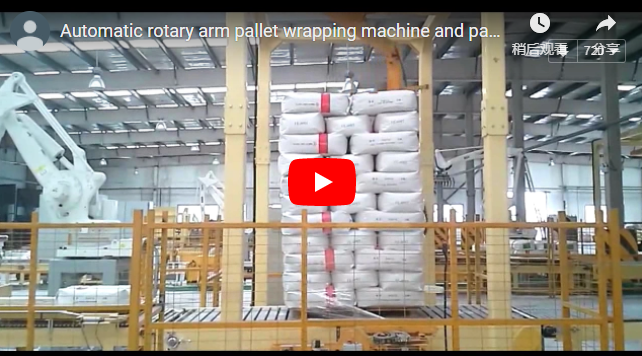
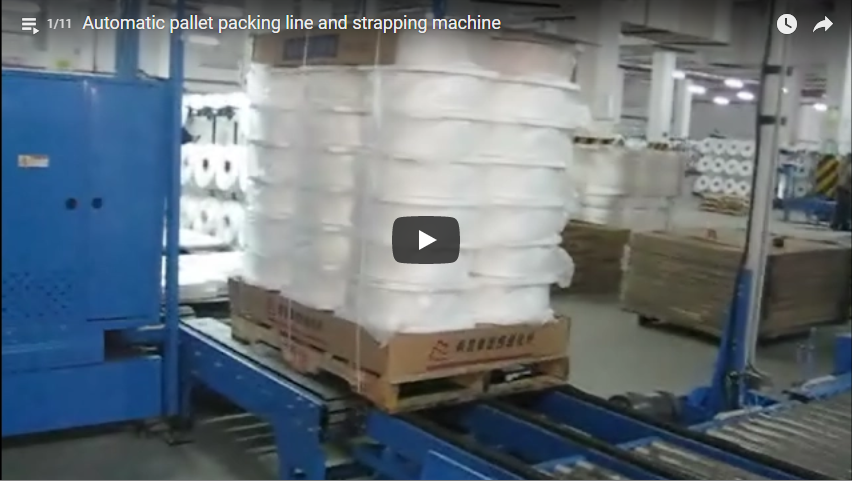
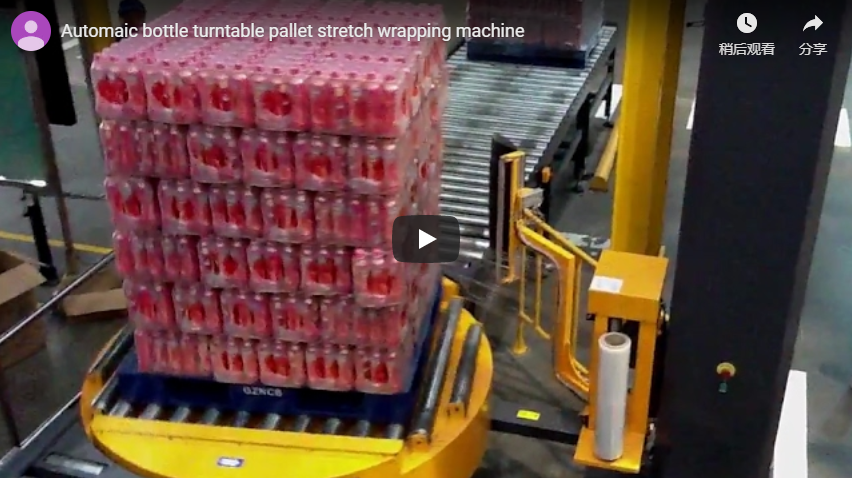
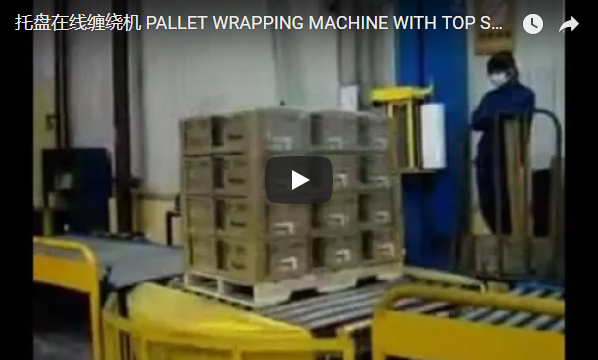
Краткое содержание. В этом видео показан роботизированный упаковочный аппарат для паллет, обматывающий прозрачной стретч-пленкой груз в форме коробки на паллете. Машина перемещается вокруг груза, наносит пленку перекрывающимися спиральными слоями, затем завершает работу и возвращается в исходное положение. Видео охватывает полный цикл обмотки, панель управления и готовый результат — но не показывает грузоподъемность, скорость или габариты.
Что показано на видео
Видео длится чуть меньше минуты и демонстрирует один полный цикл обмотки паллет роботизированным упаковочным устройством. Вот что происходит в хронологическом порядке:
- 0–4 секунд: Видео начинается со статичного изображения машины — красно-черного агрегата с кареткой для пленки, на которой лежит большой белый рулон полиэтиленовой стрейч-пленки. На заднем плане в рабочей зоне уже находится груз на поддоне, обозначенный желтыми линиями на полу.
- 4–6 секунд: Камера перемещается к панели управления. В кадр входит рука и касается большой жёлтой кнопки в форме гриба. На панели также видны синяя круглая кнопка, зелёная полосатая кнопка, подсвечиваемый дисплей и небольшой круглый индикатор.
- 8–24 секунд: Начинается процесс упаковки. Упаковочный рычаг перемещается вокруг груза, в то время как каретка для пленки движется вертикально, укладывая пленку по спирали сверху вниз. Сам груз остается неподвижным на поддоне. Пленка заметно облегает углы груза.
- 26–28 секунд: Вращение останавливается. Механизм резки в нижней части обрабатывает конец пленки, и машина возвращается в исходное положение, готовая к следующему циклу.
- 30–48 секунд: На втором снимке показано, как машина выполняет ту же процедуру с другого ракурса — упаковочная головка приближается справа, обматывает груз несколько раз и завершает процесс натяжением пленки и плоским запечатыванием хвостовой части. В конце полностью упакованный кубический груз готов к извлечению.
На видео показан большой, стандартный коробчатый груз на поддоне — примерно высотой с взрослого человека — и на кадре видны характерные диагональные складки, образующиеся при машинной обмотке.
Заметки о непосредственных наблюдениях
При покадровом анализе видеоматериала особое внимание уделяется следующим наблюдениям:
- Корпус станка выполнен в двухцветной красно-черной цветовой гамме: красные окрашенные металлические панели со стороны рабочего места, черные колонны и основание.
- Основные видимые компоненты: каретка для пленки с рулоном белой полиэтиленовой стретч-пленки, панель управления со встроенным экраном и множеством кнопок, верхняя стрела/рулевая конструкция, соединенная с центральной колонной, и нижняя опорная конструкция с небольшими колесиками, видимая на последующих кадрах.
- Расположение элементов на панели управления (сверху вниз): синяя круглая кнопка (функция не обозначена на видео), зеленая кнопка с белой полосой (по внешнему виду соответствует функции остановки/сброса) и большая желтая кнопка в форме гриба. В верхнем левом углу расположен круглый индикатор с желтой лампочкой, а под кнопками виден небольшой разъем.
- На видео показаны два груза: один прямоугольный груз на поддоне высотой примерно 1.2–1.5 м и один почти кубический груз, приблизительно высотой с взрослого человека. Оба груза обернуты полупрозрачной стрейч-пленкой, на которой видны диагональные складки от натяжения.
- В течение цикла груз не вращается самостоятельно; машина перемещается вокруг него, совершая относительное вращение примерно на 360° за один проход.
- В нижней части машины расположен режущий механизм, который обрабатывает конец пленки в конце цикла; готовый конец плотно прилегает к загрузке.
- На видеозаписи нигде не видно читаемого текста, таблички с названием, маркировки модели или водяного знака.
- На рабочем месте отсутствуют стационарные защитные ограждения, световые завесы или предупреждающие знаки, характерные именно для этой машины; вблизи рабочей зоны видны только желтые линии разметки на полу.
Как работает цикл обертывания
Судя по кадрам, схема работы робота-упаковщика паллет такого типа довольно проста:
- Расположите груз. Груз на поддонах располагается по центру рабочей зоны, на обозначенной зоне пола.
- Запустите цикл. Оператор нажимает кнопку запуска на панели; на видео это большая желтая кнопка в форме гриба.
- Перемещение манипулятора и доставка пленки. Упаковочный рычаг перемещается вокруг груза, в то время как каретка с пленкой движется вертикально. Сочетание горизонтального и вертикального перемещения обеспечивает спиральную обмотку, при этом каждый слой перекрывает предыдущий.
- Покрытие боковых сторон и верха. Пленка покрывает все четыре стороны и, в показанной последовательности, верхнюю часть груза.
- Отрезать и запечатать. В конце цикла пленка обрезается, а ее конец прижимается к загрузке, образуя аккуратную поверхность.
- Вернитесь и повторите. Станок возвращается в исходное положение, готовый к обработке следующего поддона.
Поскольку движется машина, а не груз, в этой конструкции не требуется поворотный стол, вращающий весь вес поддона. Это важно для тяжелых, неустойчивых или очень высоких грузов, где вращение самого поддона может привести к его смещению или опрокидыванию.
Чего не показано в видео
Видеоролик хорошо демонстрирует процесс упаковки, но в нем намеренно отсутствует информация, которая вам понадобится перед покупкой:
- Номинальная мощность, напряжение и частота.
- Максимальная грузоподъемность и максимальные/минимальные габариты поддона.
- Время цикла на один поддон и скорость упаковки
- Диапазон толщины пленки и совместимые типы пленок (ПЭ, ПО, ПВХ)
- Модель машины и маркировка производителя.
- Сертификаты безопасности (CE, UL или эквивалентные)
- Используется ли нагревательный элемент для видимого процесса резки и запайки?
- Структура меню системы управления, настройки параметров и коды аварийных сигналов.
- Рекомендации по интервалам технического обслуживания и запасным частям
Все эти моменты следует уточнить у производителя. Видео доказывает работоспособность машины, но не подтверждает её совместимость с вашей производственной линией.
Почему покупатели выбирают упаковку, выполненную в роботизированном стиле?
В докладе приводятся наблюдения, подтверждающие ряд практических преимуществ по сравнению с ручной обмоткой:
| Аспект | Ручная упаковка | Робот-упаковщик паллет (как показано на видео) |
|---|---|---|
| Напряжение пленки | Зависит от оператора | Применяется машиной последовательно. |
| Покрытие оберткой | Зависит от маршрута пешехода. | Равномерная спираль по бокам и сверху. |
| Трудозатраты на паллет | Оператор обходит каждый груз. | Запуск одним нажатием кнопки, и машина завершает цикл. |
| Согласованность | Зависит от нагрузки | Повторяемый цикл от цикла |
| Необходима подготовка. | Низкий | Низкий уровень — наблюдается запуск одной кнопкой. |
Однородная текстура пленки, видимая на обоих грузах в видео — равномерно распределенные диагональные складки — является визуальным признаком машинного контроля натяжения. Неравномерная ручная обмотка обычно приводит к появлению как свободных, так и чрезмерно натянутых участков на одном и том же поддоне.
Подходящие приложения
Судя по видео, этот тип оборудования подходит:
- Склады и распределительные центры Упаковка стандартных грузов в картонные коробки на поддонах для обеспечения устойчивости при транспортировке, защиты от пыли и влаги.
- отгрузка готовой продукции в производстве бытовой техники, электроники и оборудования, где объемные грузы должны выдерживать погрузочно-разгрузочные работы и транспортировку с помощью вилочного погрузчика.
- Смешанные объекты где поддоны размещаются на обозначенных зонах пола и перемещаются в зону упаковки и из нее с помощью вилочного погрузчика.
Менее подходящими, без индивидуальной настройки, являются грузы неправильной формы, слишком широкие или слишком высокие — в видеоролике показаны только обычные прямоугольные и кубические грузы, и в анализе это ограничение явно указано.
Примечания по технике безопасности и эксплуатации
На видео показана открытая рабочая зона без физического ограждения или световой завесы. Это наблюдение позволяет дать практические рекомендации всем, кто работает с оборудованием такого класса:
- Во время цикла работы весь персонал должен находиться вне радиуса перемещения манипулятора, в том числе вблизи опорных колес станка.
- Перед назначением операторов уточните у производителя назначение каждой кнопки на панели — в видеоролике синие и зеленые кнопки не обозначены.
- Если в середине цикла потребуется ручное вмешательство, сначала остановите машину и выполните процедуры блокировки.
- Края стрейч-пленки могут быть острыми; обращайтесь с обрезанными концами осторожно.
Необходимо уточнить у производителя, есть ли в машине функция аварийной остановки, блокировки или сканеры зоны — на видео не показана отдельная кнопка аварийной остановки на видимых участках панели.
Контрольный список проверки перед покупкой
Прежде чем запрашивать ценовое предложение, воспользуйтесь этим списком, чтобы восполнить пробелы в информации, которые остаются после просмотра видео:
- Максимальный вес груза и диапазон размеров поддонов (высота грузов на видео составляет примерно 1.2–1.7 м).
- Время цикла на один поддон при требуемой схеме обмотки (верхняя и нижняя обмотка, процент перекрытия).
- Совместимые типы и толщины пленок
- Можно ли запрограммировать параметры обмотки (количество слоев, натяжение) для каждой нагрузки?
- Меры безопасности: ограждения, световые завесы, сканеры зоны, размещение аварийных выключателей.
- Применимые сертификаты для вашего рынка (например, CE или эквивалентные местные стандарты)
- Условия поставки запасных частей и оперативного реагирования на запросы сервисного обслуживания
- Функции диагностики неисправностей и вывода сигналов тревоги.
Часто задаваемые вопросы
Вращается ли груз во время обмотки? Нет. На видео оба груза остаются неподвижными на своих поддонах, пока машина перемещается вокруг них. Это отличительная черта роботизированной обмоточной машины по сравнению с поворотной машиной.
Как начинается цикл? На видео показано, как оператор нажимает большую желтую кнопку в форме гриба на панели управления, чтобы начать обертывание.
Как завершается обработка пленки? На видео показан процесс резки в нижней части машины, после которого конец пленки плотно прилегает к загрузке. Используется ли при запайке нагревательный элемент, не видно — уточните у производителя.
Какие грузы он может перевозить? На видео показаны грузы высотой примерно 1.2–1.7 м и шириной около 0.8–1.0 м, но это отражает только то, что было снято. Грузоподъемность и предельные размеры не указаны — уточняйте технические характеристики у производителя.
Видно ли какое-либо защитное ограждение? Нет. Рабочая зона открытая, обозначена только желтыми линиями на полу. Уточните у производителя информацию о доступных вариантах защитных ограждений для вашего предприятия.
Есть ли на станке названия моделей или этикетки? На видео нигде не видно читаемого текста, таблички с названием или логотипа, поэтому точную модель определить по видео невозможно.
Связанное чтение
- Обзор машины для стретч-пленки
- Орбитальная стретч-пленка
- Полуавтоматический горизонтальный упаковочный аппарат
- Автоматическая горизонтальная упаковочная машина
Следующий шаг
Если схема упаковки и тип груза, показанные в этом видео, соответствуют вашей продукции, свяжитесь с командой FHOPE через страницу контактов, указанную в видео , сообщив размеры поддона, вес груза и требуемую частоту цикла. Мы подтвердим характеристики, которые не могут быть показаны в видео — вместимость, время цикла, совместимость пленки и варианты защиты — и порекомендуем подходящую конфигурацию для вашей линии.
Источник и метод
Данная статья основана на встроенном выше видео, которое является единственным фактическим источником. Видеоматериал был проанализирован покадрово с использованием модели компьютерного зрения на основе выборок кадров; видео содержит только фоновую музыку, без закадрового текста или речи, поэтому расшифровка текста не использовалась. Любые характеристики, не видимые в видео, отмечены для уточнения у производителя.