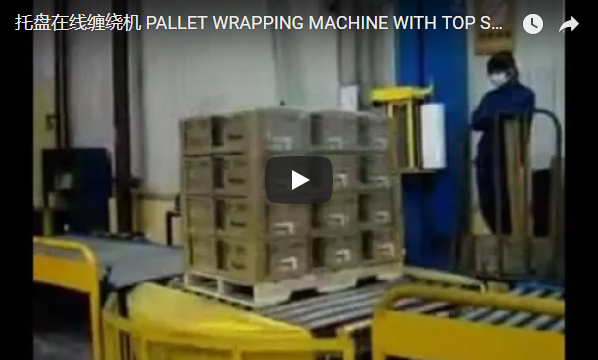
Краткое описание. В этом видео показана машина для обмотки паллет вращающимся рычагом, которая обматывает большой груз в коробке на паллете, при этом сам груз не перемещается. Желтый вращающийся рычаг перемещается вокруг паллеты, освобождая стрейч-пленку с видимым натяжением, и возвращается в исходное положение, где сверху груза виден обрезанный конец пленки. Для покупателей видео наглядно демонстрирует основной процесс обмотки, но не содержит данных о времени цикла, технических характеристиках машины или полном комплекте средств безопасности — эти сведения следует уточнить у производителя.
Почему этот тип машины важен для работы с большими грузами
Если вы занимаетесь перевозкой бытовой техники, шкафов или промышленного оборудования на паллетах, вы уже знаете проблему обычных упаковочных машин с поворотным механизмом: груз должен вращаться. Тяжелые, высокие или неустойчивые изделия часто не могут безопасно вращаться. Упаковочная машина с поворотным рычагом решает эту проблему, оставляя паллет неподвижным, в то время как рычаг, несущий пленку, вращается вокруг него. Именно это демонстрируется в данном видео на примере полноразмерной коробки.
Видеоролик короткий и не отредактированный, что хорошо для оценки. Вы можете увидеть, как манипулятор начинает движение из положения покоя, выдвигается к грузу, обматывает его и возвращается обратно. Здесь нет постановочных сцен, нет ускоренной перемотки и нет закадрового комментария, который бы направлял вашу интерпретацию. Далее следует разделение того, что видео действительно показывает, и того, что в нем не показано, чтобы вы могли решить, что нужно проверить, прежде чем запрашивать коммерческое предложение.
Что показано на видео: вращающийся упаковочный манипулятор в действии.
На основе покадрового анализа видеоматериала цикл обертывания выглядит следующим образом:
- Загрузка в заданное положение (примерно 0–12 с) — Большой серо-белый ящик, примерно высотой с взрослого человека, неподвижно стоит на деревянном поддоне в зоне упаковки. Желтый поворотный рычаг убран рядом с белой вертикальной колонной слева от рамы.
- Вытягивание и позиционирование руки (12–20 с) — Рукав выдвигается горизонтально в сторону загрузки; узел каретки пленки на рукаве выравнивается со стороной коробки. Каретка рулона пленки и компоненты для резки видны на конце рукава.
- Упаковка (24–48 с) — Рычаг вращается вокруг груза по часовой стрелке (с точки зрения камеры), разматывая стрейч-пленку под видимым натяжением. Пленка образует многослойные обмотки сверху и по бокам; сам продукт никогда не смещается, не переворачивается и не вращается.
- Вернуться и обрезать (48–52 с) — Рычаг возвращается в исходное положение. В верхней части загрузки виден обрезанный конец пленки, указывающий на то, что пленка была отрезана — что соответствует «резаку для пленки» в названии модели. Видео заканчивается до того, как показан какой-либо этап выгрузки.
В ходе цикла манипулятор также перемещается вертикально, благодаря чему пленка образует спиральный узор по всей высоте груза, а не обволакивает его на одном уровне.
Заметки о непосредственных наблюдениях
Следующие пункты максимально приближены к визуальному оформлению, с минимальной грамматической корректировкой:
- Заготовка представляет собой большой прямоугольный серо-белый ящик на стандартном деревянном поддоне; ее высота визуально оценивается примерно в 1.6 м, а ширина/глубина составляет около 0.8–0.9 м. Она остается неподвижной на протяжении всего процесса обработки; перемещается только манипулятор.
- Станок состоит из окрашенной в белый цвет стальной колонны слева, ярко-желтого поворотного рычага с корпусом двигателя/редуктора, встроенного серого блока управления с небольшими светодиодными индикаторами, вертикальной направляющей, поддерживающей подъем рычага, и напольного основания с системой прокладки кабелей.
- На конце рычага находится каретка для пленки, в которой размещены рулон пленки, направляющие/натяжные ролики и режущий элемент; во время обмотки пленка заметно растягивается и натягивается, образуя складки на поверхностях груза.
- В верхней части загрузки, ближе к концу зажима, виден обрезанный конец пленки; сам процесс обрезки нечетко запечатлен на камере.
- На видео не видно четкого сенсорного экрана или панели кнопок; на блоке управления при данном разрешении отображаются только индикаторные лампочки. На видео нигде не видно читаемой таблички с названием, маркировки бренда или предупреждающих надписей.
- На представленных кадрах четко не видны ни защитное ограждение, ни световая завеса, ни красная кнопка аварийной остановки в виде гриба; желтая предупреждающая окраска присутствует на самой конструкции манипулятора.
- Человек в легкой одежде на мгновение появляется на заднем плане возле основания станка, но не управляет оборудованием.
Чего не показано в видео
Это так же важно, как и то, что показано на видео. Видеоматериал не содержит:
- Номинальная мощность, напряжение или частота — не обозначено, не произнесено.
- Спецификация времени цикла — Вы можете оценить время цикла по видеозаписи, но гарантированное время цикла должно быть предоставлено производителем.
- Максимальные и минимальные габаритные размеры и грузоподъемность. — Ничто в кадре не указывает на рабочую зону машины.
- Технические характеристики пленки — Ширина, толщина пленки и совместимые материалы не могут быть идентифицированы.
- Сам процесс резки — Виден срез, но тип лезвия или уплотнения (горячий нож, холодный нож, механическое) определить невозможно.
- Знаки сертификации безопасности (CE, UL и т. д.) — никаких видимых маркировок нет.
- Подробная информация об интерфейсе HMI/PLC — Изображение на экране не отображается; настройка параметров, сохранение рецептов и диагностика неисправностей недоступны из видео.
Рассматривайте этот список как контрольный список перед составлением коммерческого предложения. Любой поставщик, продающий товары или услуги в связи с этим видео, должен ответить на каждый пункт в письменной форме.
Как конструкция поворотного манипулятора впишется в вашу производственную деятельность
Поскольку поддон остается неподвижным, обмотчики с вращающимся рычагом идеально подходят для:
| Ситуация | Почему поворотный манипулятор подходит для этого? |
|---|---|
| Тяжелые или хрупкие грузы | Отсутствие вращательных нагрузок на изделие или поддон. |
| Высокие, неустойчивые товары | Меньший риск опрокидывания, чем у вращающегося поворотного стола. |
| Быстрая погрузка/разгрузка с помощью вилочного погрузчика. | Груз входит и выходит в одной плоскости, пандус не требуется. |
| Неправильная или нестабильная укладка | Усилие обхвата создается подвижным рычагом, а не движущимся грузом. |
Компромисс заключается в габаритах и зазоре между рычагом и поверхностью: радиус поворота рычага должен обеспечивать зазор, достаточный для самого большого груза, который вы планируете упаковывать, а пространство вокруг машины должно оставаться свободным во время работы. Подтвердите оба параметра, сравнив их с самыми тяжелыми и широкими поддонами — уточните рабочую зону у производителя.
Что нужно уточнить у производителя?
Прежде чем включить эту модель в список кандидатов, запросите письменные ответы по следующим вопросам:
- Гарантированное время выполнения цикла для груза ваших размеров и веса.
- Способ резки и закрепления пленки в конце цикла (тип резака, зажимается ли или запечатывается ли конец пленки).
- Пакет мер безопасности: место аварийной остановки, варианты световой завесы или ограждения, соответствие местным стандартам безопасности оборудования.
- Тип интерфейса «мама-машина»: наличие экрана для отображения параметров обертывания (количество витков сверху/снизу, натяжение пленки, перекрытие).
- Совместимая ширина пленки и степень предварительного растяжения.
- Требования к установке: источник питания, подача воздуха (если используются пневматические компоненты), точки крепления и расстояние от потолка до кронштейна.
Практические рекомендации для операторов и специалистов по техническому обслуживанию.
- Следите за тем, чтобы зона размаха руки оставалась свободной. На видео показана открытая рабочая зона без ограждений; независимо от того, какие защитные меры вы установите, необходимо обеспечить запрет на вход во время движения манипулятора.
- Регулярно проверяйте каретку для пленки. Натяжные ролики и режущая кромка изнашиваются со временем; тугая резка приводит к образованию обрезков пленки и неполному закреплению.
- Проверьте прокладку кабелей и шлангов. Незакрепленные кабели у основания (видимые на видео) представляют опасность спотыкания и создают проблемы при техническом обслуживании — убедитесь, что система организации кабелей в поставляемом оборудовании соответствует потребностям подвижной части манипулятора.
- Подтвердите экстренную остановку. На видео это не видно; убедитесь, что оно существует, работает и находится в пределах досягаемости оператора в обычном положении стоя.
FAQ
Вращается ли груз во время упаковки? Нет. На видео видно, что поддон и коробка остаются неподвижными на протяжении всего цикла; перемещается только манипулятор вокруг груза.
Является ли устройство для резки пленки автоматическим? На видео показан обрезанный конец пленки на загрузке в конце цикла, что соответствует автоматической резке, но сам процесс резки не запечатлен. Уточните способ резки и закрепления пленки у производителя.
Какие грузы он может перевозить? В видео показан только один груз высотой примерно 1.6 м на стандартном поддоне. Максимальные и минимальные габариты груза и ограничения по весу не указаны — уточните информацию у производителя.
Есть ли интерфейс HMI или сенсорный экран? На видеозаписи экран четко не виден; только блок управления с индикаторными лампочками. Запросите фотографии реального интерфейса управления.
Какие функции безопасности предусмотрены? На видео ничего четко не видно — нет ограждения, световой завесы или обозначенной кнопки аварийной остановки. Наличие защитных ограждений следует рассматривать как пункт технических характеристик и уточнить перед покупкой.
Связанное чтение
- Обзор упаковочной машины с вращающимся рычагом
- Орбитальная стретч-пленка
- Полуавтоматический горизонтальный упаковочный аппарат
- Автоматическая горизонтальная упаковочная машина
- Индивидуальные варианты орбитальной оболочки
Следующий шаг
Если ваши грузы тяжелые, высокие или неустойчивые, и это видео соответствует вашей ситуации с упаковкой, самый быстрый способ решения проблемы — отправить команде FHOPE размеры груза, его вес и целевое время цикла. Они смогут подтвердить правильную конфигурацию модели, метод раскроя и варианты обеспечения безопасности в письменном виде. Свяжитесь с нами через страницу контактов.
Источник и метод: данная статья основана исключительно на видеоролике о продукте, представленном выше. Анализ проводился с помощью модели компьютерного зрения на выборочных кадрах; видео содержит только фоновую музыку, без закадрового текста или речи, доступных для транскрипции. Заявления, не видимые в видеоматериале, отмечены для уточнения у производителя.
Опубликовано: 2026-09-03