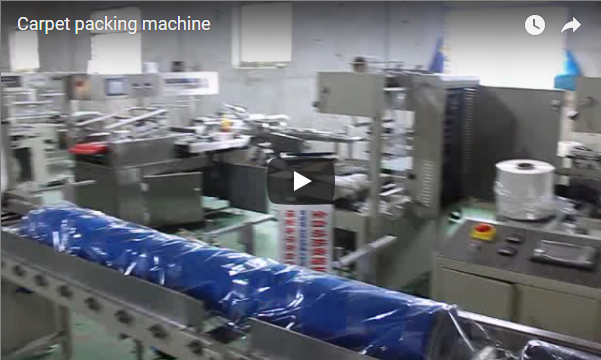
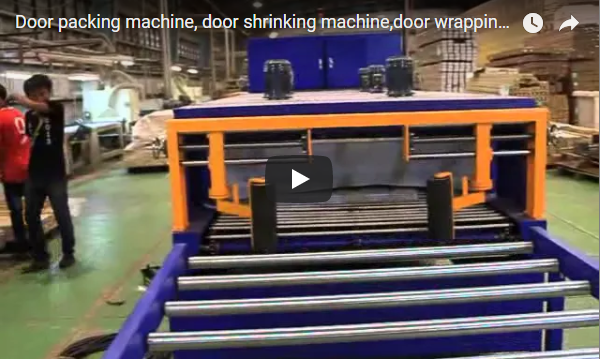
automatische Schrumpfverpackungsmaschine für Karten, Platten, A4-Papier

Executive summary This video shows an automatic shrink packaging line wrapping stacks of A4 paper in red shrink film, then shrinking the film tight in a heat tunnel. The full cycle — feed, film wrapping, heat shrinking, output — runs automatically; an operator only removes the finished stacks at the end of the conveyor. For buyers, the key point is that this machine type handles flat, rectangular products like paper stacks, cards, and plates cleanly and consistently.

Why this machine matters for flat printed products

If you pack stacks of paper, card decks, notebooks, or thin plates, you already know the problem: loose sheets shift, edges get scuffed, and dust settles on unprotected stacks. A shrink wrapping machine solves this by sealing each stack in a film bag and then shrinking that film tightly around it. The result is a smooth, glossy, dust-proof package that holds the stack together until it reaches the end user.

The video on this page shows exactly that process, from feeding to finished, wrapped stacks coming off the outfeed conveyor. Everything in this article is based on what the footage actually shows.

Was das Video zeigt

The footage follows one complete packaging cycle, plus continuous output of finished stacks:

  • 0–9er Jahre — A static overview of the whole line: a feed/preheat area on the left, a red two-lane conveyor table in the center (empty at this point), and the heat shrink tunnel followed by a green outfeed conveyor on the right. The line is in standby.
  • 12–15er Jahre — The machine starts running. A stack of white A4 paper is fed into the left-side infeed. Red and yellow indicator lights on the control panel light up.
  • 18–21er Jahre — The stack enters the shrink tunnel. Red shrink film is seen unfolding from above and covering the paper stack. The green conveyor carries the wrapped stack onward; a red glow inside the tunnel shows the active heating zone.
  • 24–27er Jahre — Several finished, wrapped stacks move continuously along the green outfeed conveyor, evenly spaced, at a stable speed.
  • 30–36er Jahre — The camera pans to the end of the outfeed conveyor. An operator reaches in and lifts one finished stack, holding it up to show the front and side. The wrapped surface is smooth with a slight sheen, and the edges are neat.

The key observation: the wrap, seal, and shrink steps happen without anyone touching the product. The only manual step shown is picking up the finished stack.

Direkte Beobachtungsnotizen

The following points stay close to what the footage shows, with only grammar-level cleanup:

  • The machine body is a white/light-grey metal enclosure on white painted steel legs. The central conveyor table is orange-red; the outfeed belt is green rubber/PU with white side guides.
  • The left infeed/sealing unit includes a pneumatic pressing head, a transparent protective guard, and adjustable guide rails.
  • The heat shrink tunnel is a long rectangular box with a blue stripe on top; a red glow is visible inside, indicating the heating zone.
  • The control panel sits above the left infeed unit. It has a digital display with red/yellow numerals (values not readable), at least four round buttons, some with red markings, and red/yellow indicator lamps.
  • The product is a stack of white A4 sheets, roughly 210 × 297 mm per sheet, with an estimated stack thickness of about 20–30 mm. After wrapping, the surface is smooth and slightly reflective; orientation stays the same throughout the process.
  • Process sequence observed: feed → film unwrapped over the stack → heat shrink in the tunnel → output on the green conveyor → operator pickup.
  • Transparent acrylic/glass guards cover the working areas, including the infeed and the tunnel entrance. A copper ground wire is visible connecting the machine base to the floor.
  • A handwritten marking “30 08” appears on the side of the red conveyor, and a yellow label on the tunnel starts with “YF-” — the rest is not readable.

Wie der Prozess funktioniert, Schritt für Schritt

1. Füttern. The A4 stack is placed on the left infeed platform and pushed into the sealing/wrapping station. Adjustable guides keep the stack aligned as it travels.

2. Folienverpackung. Red shrink film unfolds from above and covers the top and sides of the stack, forming a loose sleeve.

3. Heat shrinking. The wrapped stack passes through the tunnel, where the heating elements (visible as a red glow) shrink the film so it pulls tight against the product. This is what gives the finished stack its smooth, glossy surface.

4. Output. The finished stacks ride the green outfeed conveyor to the end of the line in a steady, continuous stream.

5. Pickup. An operator removes the finished stacks for inspection or packing. In a longer production setup, this could also feed into a cartoning or strapping station.

Was das Video nicht zeigt

Buyers should know the footage leaves out several details you would normally need before purchasing:

  • Nennleistung (kW), Spannung und Frequenz
  • Cycle time per piece and throughput (pcs/hour)
  • Mindest- und Höchstgrößenbeschränkungen für Verpackungen
  • Shrink tunnel temperature settings
  • Film specification (thickness, width, material)
  • Safety certifications (CE, UL, CCC, etc.)
  • Brand/model nameplate details and fault-code diagnostics
  • Maintenance intervals and service recommendations

Keines dieser Elemente ist im Videomaterial zu sehen. Please verify all specifications with the manufacturer before ordering.

Where this machine fits best

Based on the product shape and packaging result shown, this machine type suits flat, rectangular items:

Passt gut Weniger geeignet
A4 paper stacks, reams Odd-shaped or bulky items
Card decks, card packs Products that cannot tolerate heat
Notebooks, brochures, booklets Very large pallet-sized loads
Thin plates and flat printed matter Unwrapped loose items needing boxing first

The wrapped result adds dust protection, moisture resistance, and a presentable retail finish. Because the machine handles rectangular stacks, irregular products would need custom fixtures or guides.

Bedienungs- und Sicherheitshinweise

The footage shows transparent guards over the moving parts and over the tunnel entrance, which is good practice for preventing contact with moving components. The tunnel’s heating zone runs hot — the red glow confirms active heating — so keep a few points in mind:

  • Finished stacks leaving the tunnel can still be warm; the operator in the video handles them from the sides.
  • Guards should stay in place during operation; do not bypass them to clear jams while the machine runs.
  • The ground wire visible at the base should remain connected.
  • No emergency-stop button was clearly visible in the footage; confirm the location of the e-stop and any interlock functions with the manufacturer.
  • No online inspection (missing film, misaligned stacks) was observed; periodic manual checks are advisable.

Fragen, die Sie vor dem Kauf stellen sollten

Before you commit to a shrink packaging line of this type, put these on your checklist:

  • What package size range does the infeed and tunnel accommodate?
  • What film widths and thicknesses does the machine support, and can it be adjusted without tools?
  • What is the realistic cycle time for a stack like the one shown?
  • Does the control panel support fault diagnostics and alarm outputs?
  • Are spare parts (heating elements, films guides, belts) readily available?
  • Does the machine comply with the electrical safety standards in my market?

Häufig gestellte Fragen

Does the machine wrap the stack automatically, or does someone need to hold the film? The video shows the film unfolding over the stack and the shrink step running automatically, with no one touching the product until pickup. The exact film handling mechanism should be confirmed with the manufacturer.

What products can it handle besides A4 paper? Anything with a similar flat, rectangular shape — cards, plates, brochures, booklets. Irregular shapes would likely need custom guides or fixtures.

Wie schnell fährt es? The video shows finished stacks coming off the conveyor in a steady, continuous stream, but no cycle time or throughput figure is shown. Check with the manufacturer for rated speed on your product size.

Is the wrapped finish suitable for retail display? Yes — the footage shows the finished stacks with a smooth, slightly glossy film surface and neat, even edges, which is typical for shrink-wrapped printed goods.

Welche Sicherheitsfunktionen hat es? Visible features include transparent guards over working areas, a curtain at the tunnel entrance, and a ground wire at the base. Certification labels and e-stop locations are not shown — verify with the manufacturer.

Verwandte lesen

Explore other packaging machines in the FHOPE range:

Nächster Schritt

If you pack paper stacks, cards, plates, or similar flat products and want to see whether this shrink packaging machine matches your sizes and output requirements, Kontaktieren Sie das FHOPE-Team for specifications, film recommendations, and a tailored quotation.


Quelle und Methode: This article is based on a video of the machine. The footage was analyzed frame-by-frame by a vision model on sampled frames; the video contains background music only, with no narration or speech. All facts above come from what is visible in the footage; anything not visible is explicitly marked as needing confirmation with the manufacturer.

Veröffentlicht: 03.09.2026