ملخص تنفيذي: يُظهر هذا الفيديو مغناطيسًا كهرومغناطيسيًا رافعًا، مُعلقًا برافعة علوية، وهو يقوم برفع ملف فولاذي كبير مربوط بأشرطة ونقله عبر أرضية مصنع. يُشار إلى عارضة الرافعة بـ "14.3 طن"، ويتضمن الفيديو اختبارًا لإيقاف تشغيل لوحة التحكم. لم يتم عرض بيانات التحرير، ووقت الدورة، وقدرة المغناطيس - يُرجى التأكد من هذه البيانات مع الشركة المصنعة.
لماذا يُعدّ الرفع المغناطيسي مهمًا لملفات الصلب
لفائف الصلب ثقيلة، وصعبة الحمل، وسهلة التلف. تعتمد طرق الرفع التقليدية على استخدام خطافات على شكل حرف C، أو حبال رفع، أو مشابك، مما يتطلب من المشغل وضع المعدات يدويًا - غالبًا على مسافة قريبة من حمولة تزن عدة أطنان.
يُغيّر المغناطيس الكهرومغناطيسي الرافعة هذا الواقع. ببساطة، ينخفض المغناطيس على الملف، ويُشحن، ثم يرفعه. لا حاجة لأحزمة أو خطافات للتوجيه. في المقطع المصور أدناه، يُدير عامل واحد عملية الرفع بالكامل من صندوق تحكم أرضي، بينما يُراقب عامل آخر من مسافة بعيدة.
تشرح هذه المقالة بالتفصيل ما يظهره الفيديو بالفعل، وكيف تتم العملية خطوة بخطوة، والأهم من ذلك، ما لا تخبرك به اللقطات، بما في ذلك أسئلة السلامة التي يجب على أي مشترٍ حلها قبل الشراء.
ما يُظهره الفيديو: الآلة أثناء العمل
مدة الفيديو حوالي 32 ثانية، ويتناول تسلسل رفع كامل واحد:
| الوقت: | ما يحدث |
|---|---|
| 0-8 | لقطة مقرّبة لملف فولاذي فضي كبير موضوع على غطاء واقٍ أبيض. يتدلى فوقه مغناطيس كهرومغناطيسي أصفر. تميل الكاميرا لأعلى لتُظهر عارضة الرافعة الصفراء وسقف المصنع. |
| 8-16 | لقطة أوسع. المغناطيس ملتصق بالملف، ويرفعه قليلاً عن الأرض. عامل يرتدي زياً أزرق وخوذة واقية يراقب المشهد في الخلفية. |
| 16-24 | تُظهر الكاميرا عارضة الرافعة التي تحمل علامة "14.3 طن" باللون البرتقالي. ثم ينتقل المشهد إلى لقطة مقرّبة للوحة التحكم: يد تضغط على زر، مع ظهور عبارة "اختبار إيقاف التشغيل". |
| 24-32 | لقطة واسعة لأرضية المصنع. يثبت المغناطيس الملف معلقًا بالكامل ويحركه عبر الأرضية. صندوق التحكم ظاهر على اليسار، ويشغله أحد العمال. |
لم يظهر تحرير الملف في الفيديو. وينتهي المقطع والملف لا يزال معلقاً.
كيف تتم عملية الرفع
بناءً على التسلسل، تتبع الدورة أربع خطوات يمكن ملاحظتها:
- النهج — تقوم الرافعة بوضع المغناطيس فوق الملف؛ ثم ينخفض المغناطيس باتجاه السطح العلوي للملف.
- جذب - يلامس المغناطيس الملف ويتم تنشيطه، مما يؤدي إلى إمساكه بما يكفي لرفعه قليلاً عن الأرض.
- مصعد — تم التأكد من وجود الطاقة ورفع الملف بالكامل، معلقًا من خطاف الرافعة.
- تحرك — تتحرك الرافعة العلوية على طول السقف، حاملة الملف عبر الأرضية بينما يقوم المشغل بإدارة الحركة من صندوق التحكم.
تبدو العملية برمتها سلسة ومضبوطة، دون أي تذبذب ملحوظ أو تدخل يدوي في الحمولة نفسها. وتُعدّ هذه المناولة بدون استخدام اليدين القيمة الأساسية: إذ تتحرك الحمولة دون أن يقف أحد بجانبها.
ملاحظات الملاحظة المباشرة
النقاط التالية قريبة مما يظهره الفيديو فعلياً:
- المغناطيس الرافعة عبارة عن مغناطيس كبير مستطيل الشكل. وحدة كهرومغناطيسية صفراء مصنوع من قسمين رئيسيين، متصلين بخطاف رافعة.
- وهو معلق من عارضة رافعة علوية صفراء يتحرك على طول سقف المصنع؛ هيكل الرافعة نفسه أبيض اللون.
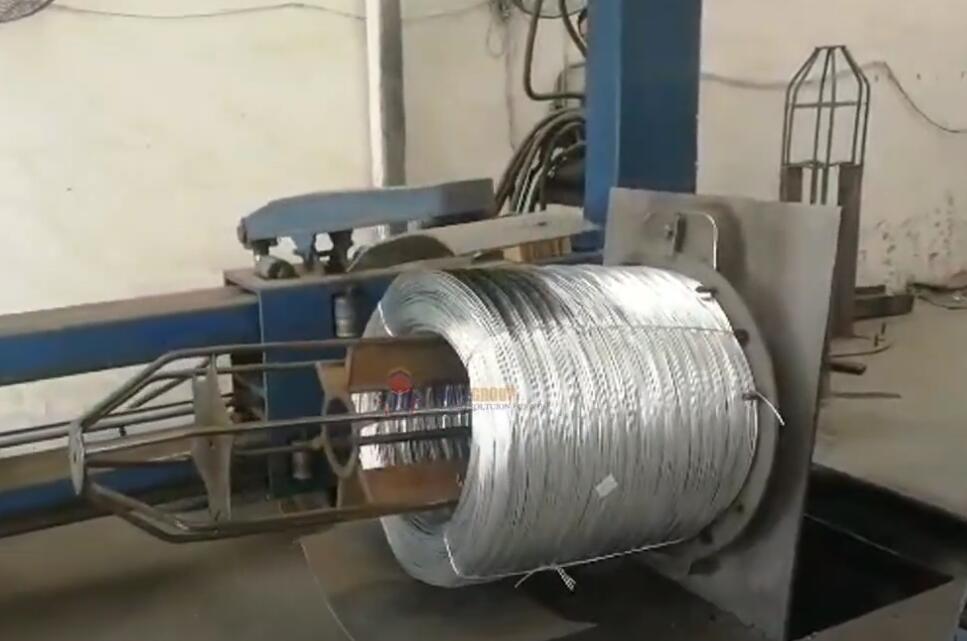
- الحمل هو لفائف فولاذية أسطوانية كبيرة بطلاء فضي عاكس، مثبت بأحزمة سوداء، ويستقر في البداية على ورقة واقية بيضاء.
- A صندوق تحكم كهربائي أبيض ورمادي يوجد على الأرض غطاء مفصلي يحتوي على مفاتيح وقواطع دوائر وأسلاك متصلة بالمغناطيس بواسطة كابل أسود سميك.
- يعرض شعاع الرافعة "14.3T"باللون البرتقالي - القدرة المقدرة للرافعة.
- في إحدى اللحظات، تظهر طبقة برتقالية اللون مكتوب عليها: "اختبار إيقاف التشغيل"كما لو أن يدًا تضغط على زر في لوحة التحكم."
- يرتدي العمال زيًا أزرق اللون؛ ويرتدي أحدهم على الأقل خوذة واقية.
- لا توجد حواجز مادية أو ملصقات تحذيرية أو أزرار إيقاف طارئ أو أجهزة تعشيق مرئية في الإطارات.
ما لا يُظهره الفيديو
للحصول على تقييم عادل، يرجى ملاحظة حدود اللقطات:
- قدرة المغناطيس على الرفع. لا يظهر سوى تصنيف الرافعة البالغ 14.3 طن. أما قوة الرفع المقدرة للمغناطيس نفسه فلم تُذكر - يُرجى التحقق من ذلك مع الشركة المصنعة.
- فك القفل ووضعه جانبًا. لا يتم إطلاق الملف أبدًا أمام الكاميرا.
- دورة الزمن. لا يمكن قياس دورة الالتقاط والوضع الكاملة من خلال المشبك.
- الأبعاد والطراز. لا تظهر أبعاد المغناطيس أو أرقام الطراز أو وزن/أبعاد الملف.
- متطلبات الطاقة. تفاصيل الجهد والطور غير مرئية.
- طاقة احتياطية أو أجهزة مقاومة للأعطال. لا يظهر في الكاميرا أي شيء يتعلق ببطارية احتياطية أو آلية أمان في حالة الأعطال.
- الشهادات. لا توجد علامات شهادات السلامة أو الجودة ظاهرة.
اعتبارات السلامة تستحق اهتمامك
يُعدّ شريط "اختبار انقطاع التيار الكهربائي" أهمّ تفصيل في الفيديو. تعمل الرافعات الكهرومغناطيسية على تثبيت حمولتها فقط أثناء تشغيلها، فإذا انقطع التيار، تتوقف القوة المغناطيسية. ويشير اختبار المشغل لسلوك النظام عند انقطاع التيار إلى فحصه تحديدًا للكشف عن هذا النوع من الأعطال.
قبل شراء أو تشغيل رافعة مغناطيسية، تأكد من الشركة المصنعة:
- هل يتضمن النظام بطارية احتياطية أو دائرة أمان في حالة انقطاع التيار ما الذي يتحمل الحمل أثناء انقطاع التيار الكهربائي؟
- ما هي قدرة الرفع المقدرة للمغناطيس لـ لك حجم الملف ووزنه وحالة سطحه؟
- هل توجد أجهزة أمان تمنع فصل الطاقة أثناء التعليق؟
- هل نظام التحكم متوافق مع البنية التحتية الحالية للرافعات لديكم؟
- ما هي إجراءات تدريب المشغلين وإجراءات التباعد الآمن الموصى بها؟
- ما هي شهادات السلامة التي يحملها الجهاز؟
لا يمكن الإجابة على هذه النقاط من خلال الفيديو وحده. احصل على إجابات مكتوبة من المورّد.
مكان تركيب هذه المعدات
يُستخدم رفع الملفات الكهرومغناطيسية من هذا النوع عادةً في:
- مراكز خدمة الصلب نقل الملفات بين التخزين وخطوط المعالجة والتوزيع.
- عمليات تغليف وتعبئة اللفائفحيث يجب تحميل اللفائف على معدات التغليف أو الربط.
- صناعة السيارات والبناء والأجهزة المنزلية، حيث تغذي كميات كبيرة من لفائف الحديد خطوط الإنتاج.
- وحدات التخزين، حيث يتم تكديس اللفائف أو إعادة وضعها دون إمكانية الوصول بواسطة الرافعة الشوكية.
أحد القيود الجوهرية: لا تعمل تقنية الرفع الكهرومغناطيسي إلا على المواد الحديدية . فهي لا تستطيع رفع لفائف الألومنيوم أو النحاس أو غيرها من المواد غير الحديدية، إذ يتطلب ذلك استخدام التثبيت الميكانيكي أو طرق مناولة أخرى.
الأسئلة الشائعة
ما هي قدرة المغناطيس الرافعة في الفيديو؟ غير ظاهرة. يُظهر ذراع الرافعة تصنيف 14.3 طن، لكن قدرة المغناطيس نفسه غير مذكورة - يُرجى مراجعة الشركة المصنعة.
هل يمكنها رفع ملفات من الألومنيوم أو النحاس؟ لا. الرفع الكهرومغناطيسي يعمل فقط مع المواد الحديدية (المغناطيسية) مثل الفولاذ. أما الملفات غير الحديدية فتحتاج إلى معدات مناولة مختلفة.
ما المقصود بـ "اختبار انقطاع التيار الكهربائي" في الفيديو؟ هو عبارة عن تسمية تظهر على الشاشة تُظهر اختبارًا لسلوك النظام عند انقطاع التيار الكهربائي. ولأن المغناطيس الكهربائي يُحرر حمله عند فصل الطاقة عنه، فإن هذا الاختبار يُعد فحصًا أمنيًا بالغ الأهمية. اسأل المورّد عن أنظمة النسخ الاحتياطي أو أنظمة الأمان المدمجة في النظام.
هل تم عرض دورة الرفع كاملة؟ لا. يُظهر الفيديو الاقتراب، والتشغيل، والرفع، والتحرك - ولكن ليس الإفلات أو الإنزال، ولا يمكن قياس وقت الدورة.
هل يحتاج النظام إلى حواجز حماية أو ملصقات تحذيرية؟ لا يظهر أي منها في اللقطات. يُرجى التأكد من الشركة المصنعة ولوائح السلامة المحلية لمعرفة ما إذا كان النظام بحاجة إلى حواجز حماية أو ملصقات إضافية.
القراءة ذات الصلة
إذا كنت تقوم بإنشاء أو ترقية خط معالجة الملفات، فقد تساعدك هذه الصفحات ذات الصلة:
- آلة تغليف لفائف الصلب
- آلة تعبئة لفائف
- آلات ربط لفائف الصلب
- آلة تغليف لفائف الأسلاك
- آلة تعبئة لفائف النحاس
الخطوة التالية
يُقدّم لك الفيديو شرحًا واضحًا لكيفية عمل نظام الرفع الكهرومغناطيسي عمليًا، ولكن وزن الملف وأبعاده وتصميم منشأتك هي التي تُحدّد التكوين الأمثل. تواصل معنا عبر صفحة الاتصال لمناقشة تطبيقك، وطلب تفاصيل السعة المقدرة، والحصول على عرض سعر لحلّ الرفع المغناطيسي المُناسب لخط إنتاجك.
المصدر والمنهجية: تستند هذه المقالة إلى الفيديو المضمن فقط. تم إجراء التحليل باستخدام نموذج رؤية على إطارات فيديو مختارة. يحتوي الفيديو على موسيقى خلفية فقط - بدون سرد أو كلام - لذلك لم يتم نسخ أي محتوى منطوق.
تاريخ النشر: 2026-09-03