
Why US Pharma Companies Need Pallet Inverters for Cleanroom Pallet Changes?
Working in the pharmaceutical industry means facing unique challenges every day. One tiny mistake can have huge consequences. Imagine the constant worry about product contamination, especially when handling goods that move from outside into your sterile cleanroom. This is a problem many US pharma companies struggle with, and it can truly keep managers awake at night.
US pharma companies urgently need pallet inverters for cleanroom pallet changes to stop contamination, improve worker safety, and boost operational efficiency. These machines offer a controlled and sterile way to transfer products from dirty, incoming pallets to clean, compliant internal pallets without human contact, directly tackling the high risks and strict regulations of a cleanroom environment.
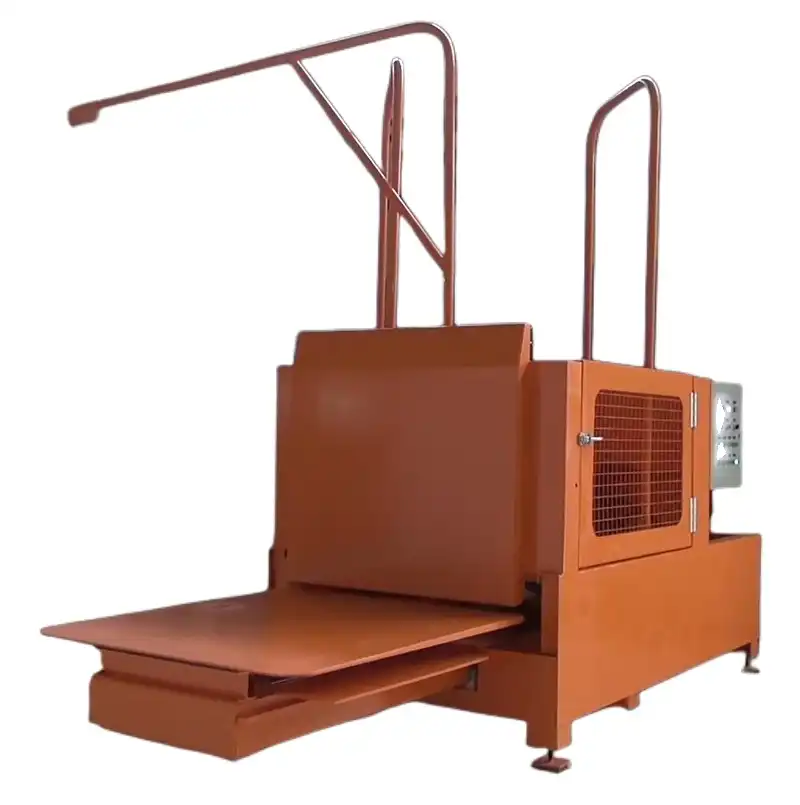
As someone who has spent years in the packing machine industry, helping businesses grow and become more efficient, I have seen these problems firsthand. I want to share my insights on why this specific solution is not just an option, but a vital part of modern pharmaceutical logistics. Let us dive deeper into the core reasons.
The Silent Threat: Why Contamination is a Pharma Company’s Worst Nightmare in Cleanrooms?
Are you constantly battling the unseen enemy of contamination in your pharmaceutical cleanrooms? This is a question that hits close to home for many plant managers. The outside world is full of dirt, dust, and microorganisms. When incoming goods arrive on standard wooden or plastic pallets, they bring all these contaminants right to your door.
Contamination is a pharma company’s worst nightmare in cleanrooms because it directly compromises product integrity, leads to massive regulatory fines from bodies like the FDA, causes costly product recalls, and ultimately harms patient safety and company reputation. Any break in sterility, even from a dirty pallet, can have devastating consequences for a pharmaceutical product.
I remember talking with a client once who had a major scare involving a contaminated batch. It taught us all a hard lesson about how easily external elements can creep into a controlled environment. When we talk about pharma products, we are not just talking about goods; we are talking about medicines people rely on. This means every step in the production and handling process must be perfect. Bringing an outdoor pallet into a cleanroom is like inviting trouble. These pallets carry dust, splinters, bacteria, and even insects from shipping yards and warehouses. If any of this touches the product or the cleanroom itself, you have a serious problem. The US Food and Drug Administration (FDA) has very strict rules about contamination control. If a company fails to meet these standards, the penalties are severe. This can mean product recalls, heavy fines, production shutdowns, and a loss of trust from both customers and regulators. Moreover, the cost of investigating a contamination incident, disposing of affected products, and implementing corrective actions can be huge. It can easily run into millions of dollars. Manual pallet changes in a cleanroom amplify this risk. Workers have to physically handle the products or transfer them, which increases the chance of human error and introducing contaminants from their clothing or tools. They might accidentally drop something, or a part of the external pallet might break off inside the clean area. This is a common pain point for managers like Carlos, who worry about safety and efficiency. This is why a controlled, mechanized solution becomes so critical. It removes much of the human element and the associated risks.
Beyond Manual Labor: How Do Pallet Inverters Solve the Cleanroom Pallet Challenge?
Do your cleanroom operations still rely on manual labor for pallet changes? If so, you are likely facing significant risks and inefficiencies. Manual pallet handling in a sterile environment is slow, dangerous, and a major pathway for contamination. It puts both your products and your workers at risk.
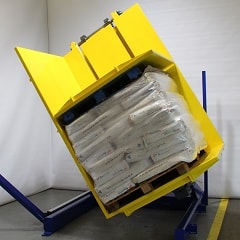
Pallet inverters solve the cleanroom pallet challenge by allowing a hygienic and efficient transfer of goods from unsterile incoming pallets to sterile cleanroom pallets without direct human contact or product exposure. They mechanically secure the load, invert it, and replace the dirty pallet with a clean one, ensuring product integrity and preventing contamination, a critical process for US pharma companies.
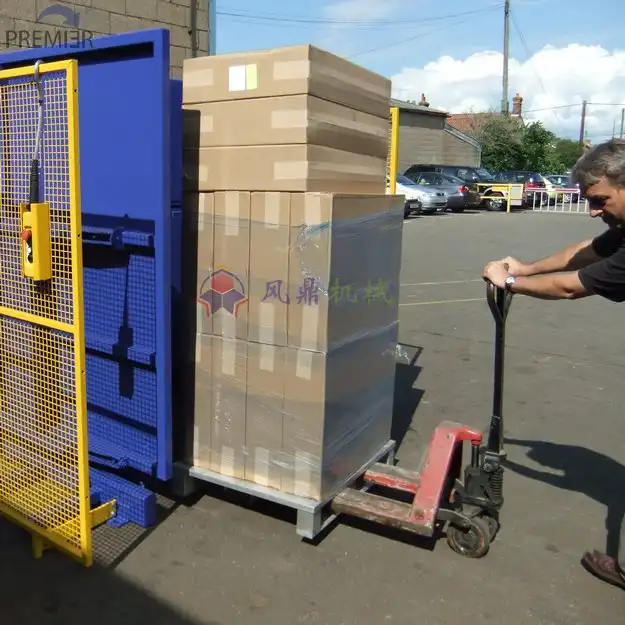
In my experience, many factories struggle with this exact issue. They know manual methods are not ideal, but they are not sure what the best alternative is. A pallet inverter offers a clear path forward. These machines are purpose-built to handle loads gently and effectively. They clamp the load securely, then rotate it, allowing for the easy removal of the original pallet and the placement of a clean, internal pallet. This process happens quickly and with minimal human intervention. This greatly reduces the chance of anything dirty entering the cleanroom. It also removes the need for workers to physically lift or flip heavy products, which significantly reduces the risk of injuries. Safety is a big deal for any warehouse manager, and it was a key factor in my own journey in this industry. I always aimed to design machines that made work safer. For US pharma companies, this means less chance of dropped products, fewer worker compensation claims, and a safer work environment overall. These machines come in different types, but the goal is always the same: a clean, safe, and fast pallet exchange.
Here is how pallet inverters specifically address cleanroom needs:
-
Reduced Contamination Risk:
- 🔄 Isolated Transfer: The machine performs the transfer in a contained manner. The product stays clamped and does not touch the dirty floor or external environment.
- ❌ No Human Contact: Workers do not need to touch the product or the interface between the dirty and clean pallets. This removes a major source of potential contamination from hands, gloves, or clothing.
- 🧼 Cleanable Surfaces: Many pallet inverters designed for pharma have smooth, easy-to-clean surfaces. They often use stainless steel, which resists corrosion and harbors fewer microbes. This allows for thorough cleaning and sanitization between uses, meeting strict cleanroom protocols.
- 🌬️ Air Shower Integration: Some advanced systems can integrate with air showers or laminar flow systems. These create a sterile air curtain around the transfer area, actively pushing away airborne particles during the pallet exchange.
-
Enhanced Operational Efficiency:
- ⚡ Speed and Throughput: Manual pallet changes are slow, especially with heavy or delicate loads. A pallet inverter can complete a cycle in minutes, drastically improving the speed of goods entering the cleanroom. This means less waiting time and faster overall processing.
- 🤖 Automation Potential: Pallet inverters can be semi-automated or fully automated. This allows them to integrate into existing conveyor systems. This reduces the need for constant human supervision and allows for continuous flow, which is crucial for high-volume operations.
- 💪 Less Labor Intensive: By automating the heavy lifting and precise movement, fewer workers are needed for the pallet change process. This frees up valuable labor for other tasks. It also helps address the labor shortage challenges faced by many warehouses today.
-
Improved Worker Safety:
- 🤕 Eliminates Manual Handling: Workers no longer need to manually lift, tilt, or flip heavy pallets and their contents. This removes the risk of back injuries, strains, and crush injuries that are common in manual pallet operations.
- 🛡️ Reduced Accident Risk: The controlled, mechanical movement of a pallet inverter is much safer than improvised manual methods. There is less chance of products falling or tipping during the transfer. This greatly reduces the risk of accidents and workplace incidents.
- ⚖️ Stable Load Handling: The machine secures the load firmly before any movement. This ensures stability throughout the transfer process, protecting both the product and the operator. It gives peace of mind to warehouse managers who prioritize safety.
Compliance and Costs: What Are the Financial and Regulatory Stakes for US Pharma?
Are you aware of the high financial and regulatory stakes involved in maintaining a sterile environment within US pharma? Ignoring proper cleanroom pallet changes can lead to severe penalties and significant financial losses. The cost of non-compliance far outweighs the investment in the right equipment.
For US pharma, the financial and regulatory stakes are extremely high. Non-compliance with FDA cleanroom standards due to contamination from unsterile pallets can result in millions in fines, forced product recalls, legal battles, and permanent damage to a company’s reputation. Investing in pallet inverters helps avoid these costs by ensuring strict adherence to cleanliness regulations.
When I started my journey in this industry, I quickly learned that compliance is not just a buzzword; it is the backbone of trust and success. For US pharma companies, the FDA is a powerful watchdog. They enforce strict rules to protect public health. Any failure to meet cleanroom standards is taken very seriously. This includes how materials enter and move within a sterile area. If external pallets bring contaminants that affect product quality, the FDA will act. This can mean:
- Warning Letters: Publicly issued notices about violations.
- Seizures of Products: FDA can remove non-compliant products from the market.
- Injunctions: Orders to stop production or distribution until issues are fixed.
- Fines: These can be huge, often running into hundreds of thousands or even millions of dollars.
- Product Recalls: One contaminated batch can lead to a nationwide recall, which is incredibly expensive. It involves logistics, disposal, and a huge hit to reputation.
- Legal Action: In severe cases, criminal charges can be brought against company executives.
Beyond these regulatory costs, there are operational costs. Manual pallet changes are slow, costing valuable production time. They also increase labor costs due to the need for multiple workers and the higher risk of injuries. Each injury leads to medical bills, lost workdays, and potential legal fees. An efficient pallet inverter system helps mitigate all these risks, turning a potential liability into a predictable and compliant process. It is about protecting your assets, your products, and your people.
Investing in the Future: How Does a Pallet Inverter Become a Strategic Asset for Pharma Operations?
Are you viewing pallet inverters merely as pieces of equipment, or are you seeing them as strategic assets that can transform your pharma operations? In today’s fast-paced and highly regulated environment, a smart investment can be the key to long-term success.
A pallet inverter becomes a strategic asset for pharma operations by enabling continuous compliance with strict cleanroom regulations, significantly reducing operational costs through automation and fewer labor needs, enhancing workplace safety, and improving overall supply chain efficiency. This future-proofs the business against labor shortages, regulatory changes, and increasing demands for faster, safer product delivery.

I have always advised my clients to think beyond the immediate purchase. A machine is not just a machine; it is a tool for growth and problem-solving. For a pharma company, a pallet inverter is exactly that. It addresses several critical challenges that warehouse and supply chain managers like Carlos face every day. Think about the rising cost of labor and the difficulty in finding people willing to do physically demanding jobs. An automated pallet inverter directly addresses this by reducing the need for manual handling. It makes your operations more resilient to labor shortages. It also improves safety, which is not just good for your employees, but also reduces insurance costs and potential liabilities. Furthermore, in an industry where speed and precision are paramount, accelerating pallet changes means faster turnaround times for products. This is vital when customers demand shorter delivery cycles, a common pressure in today’s market. By ensuring compliance and reducing risks, the pallet inverter strengthens your position in the market. It shows that your company is committed to quality, safety, and efficiency. This builds trust with clients and regulatory bodies. It is an investment that pays off not just in avoided costs, but also in improved brand reputation and operational agility. Choosing the right partner for such an investment is also key. You need a supplier who understands your specific cleanroom needs, not just someone who sells machines. This is why FHOPEPACK focuses on sharing knowledge and building long-term relationships, ensuring our clients receive the best solutions and support for their unique challenges.
Conclusion
In summary, US pharma companies desperately need pallet inverter systems to safeguard products from contamination, protect workers, meet strict FDA compliance, and boost efficiency. These machines offer a smart, long-term investment that transforms operations, reduces costs, and secures your place in a demanding market.








