
How pallet inverter improves safety for American food and beverage plants?
Manual pallet handling is a silent threat in many American food and beverage plants. It brings risks of injury, product damage, and operational delays. These are not just minor inconveniences. They lead to worker compensation claims, regulatory fines, and damaged reputations. What if there was a way to safeguard your team and your products, all while boosting efficiency?
A pallet inverter significantly improves safety in American food and beverage plants by eliminating the need for manual pallet transfers, reducing strain injuries, preventing product damage from falls, and creating a more secure working environment. These machines automate the high-risk task of switching pallets, ensuring compliance with safety standards and protecting both workers and valuable goods from common hazards in the fast-paced food industry.

My journey in the packing machine industry has shown me time and again that smart technology can solve complex problems. Today, I want to explore how a single piece of equipment, the pallet inverter, can be a game-changer for safety in your American food and beverage operations. Let’s look closer at the specific risks you face and how this solution offers a real path to a safer workplace.
Why is safety a critical concern in American food and beverage plants today?
The American food and beverage industry operates under immense pressure. Facilities must meet demanding production schedules and strict hygiene standards. But often, the fundamental issue of worker safety gets overlooked until an incident happens. This neglect is not just dangerous for your team. It can lead to severe financial penalties, significant downtime, and a lasting negative impact on your brand’s reputation. Understanding these pressures is the first step toward building a truly secure and compliant operation.
Safety is a critical concern in American food and beverage plants today due to stringent OSHA regulations, rising labor costs, and an aging workforce susceptible to musculoskeletal injuries from manual tasks. The competitive market also demands flawless operations, making any safety-related disruption costly, from worker’s compensation to production delays and damage to brand trust.
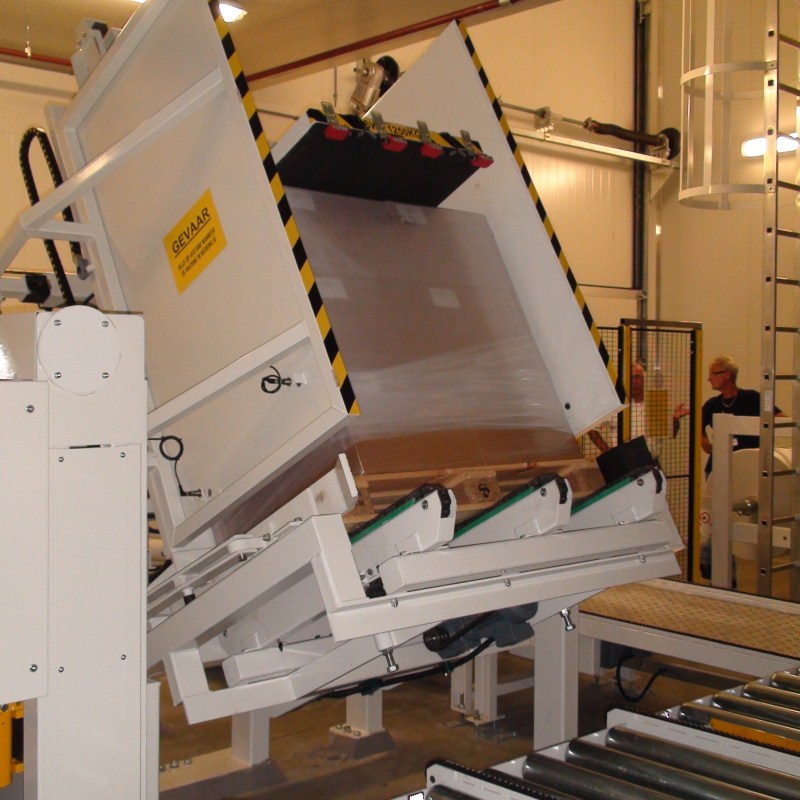
The pressures on American food and beverage plants are real and multi-faceted. When I started my packing machine factory, I quickly learned that compliance was not just a hurdle; it was a fundamental foundation. We built machines not only for efficiency but for worker protection, recognizing that a safe environment fosters productivity. My clients in the US always emphasized these regulations. I realized that a safer plant runs better. Let me break down the critical reasons:
-
Strict Regulatory Landscape 🏛️
- OSHA Compliance: The Occupational Safety and Health Administration (OSHA) sets strict standards for workplace safety. Food and beverage plants are under constant scrutiny. Failure to comply can result in substantial fines, legal actions, and even facility shutdowns. These penalties are not just financial. They impact a company’s reputation and its ability to operate.
- Worker Protection Laws: American labor laws prioritize worker well-being. Companies face significant liabilities if employees are injured due to unsafe working conditions. These liabilities include medical costs, lost wages, and potential lawsuits.
- Food Safety Standards: Beyond worker safety, food and beverage plants must also adhere to rigorous food safety standards, like those from the FDA. An accident that compromises product integrity can lead to recalls, which are incredibly costly and damaging.
-
Labor Challenges and Costs 💰
- Rising Labor Costs: Labor expenses continue to climb in the US. This puts pressure on businesses to maximize efficiency with fewer workers. Manual tasks, especially those involving heavy lifting, become increasingly expensive.
- Aging Workforce: Many experienced warehouse workers are aging. They are more susceptible to injuries from physically demanding tasks. Younger workers are also less inclined to take on roles that involve strenuous manual labor. This creates a shortage of willing labor for manual pallet handling.
- Cost of Injuries: Workplace injuries lead to direct costs like medical bills and workers’ compensation claims. They also create indirect costs. These include lost productivity, the cost of training replacement staff, and reduced employee morale. A single serious injury can cost tens of thousands of dollars, or even more.
-
Operational and Reputational Impact 📉
- Downtime and Delays: An injury or equipment malfunction due to unsafe practices can bring an entire production line to a halt. This leads to costly downtime and missed delivery deadlines. In the fast-paced food and beverage industry, delays quickly erode customer trust.
- Product Damage: Manual pallet handling increases the risk of product damage. Items can fall, shift, or be crushed. This results in wasted inventory and financial losses.
- Brand Reputation: In today’s interconnected world, news of workplace accidents or safety violations spreads fast. A poor safety record can severely damage a brand’s reputation. This impacts consumer perception and sales. It can also make it harder to attract top talent. These factors highlight why safety is not just a moral obligation. It is a critical business imperative for American food and beverage plants.
What are the specific safety risks associated with manual pallet handling?
Imagine your team manually wrestling with thousands of heavy pallets each day. This is the reality for many in the food and beverage sector, a reality fraught with hidden dangers. Each manual lift, flip, or transfer carries the risk of a sprained back, a dropped product, or even a severe crushing injury. These incidents do not just hurt people; they hurt your bottom line and disrupt your entire supply chain. We need to identify these specific dangers before we can truly address them.
Manual pallet handling poses specific safety risks including musculoskeletal injuries from repetitive lifting and awkward postures, crushing hazards from unstable loads, and fall risks due to uneven surfaces or misplaced feet. Workers also face potential harm from falling products during manual transfers or from operating forklifts in congested areas during inefficient manual processes.

I have seen firsthand how easily accidents can happen. When I was starting out as an employee in a packing machine factory, I witnessed many close calls involving manual pallet movements. It taught me the importance of designing machines that remove humans from harm’s way. This personal experience fueled my passion for creating safer working environments for businesses, especially those in demanding sectors like food and beverage. Let’s look at the most common and severe risks:
-
Musculoskeletal Disorders (MSDs) 😫
- Strains and Sprains: Workers often lift heavy products or even entire pallets. This causes severe strains and sprains in the back, shoulders, and wrists. Repetitive movements, common in manual pallet changes, worsen these injuries over time.
- Awkward Postures: Flipping or adjusting pallets manually forces workers into unnatural positions. These postures put undue stress on joints and muscles. Over time, these can lead to chronic pain and debilitating conditions.
- Herniated Discs: The combination of heavy lifting and twisting motions is a leading cause of herniated discs. These injuries can require extensive medical treatment and long periods of recovery, sometimes even surgery.
-
Crushing Hazards 🤏
- Caught-Between Injuries: Fingers, hands, and feet are often caught between heavy pallets, products, or machinery during manual handling. This can result in severe lacerations, fractures, or even amputations.
- Pinch Points: Manual manipulation of pallets creates numerous pinch points where body parts can be trapped. This is especially risky when moving pallets in tight spaces or when stacking them.
- Forklift Accidents in Congested Areas: When workers manually reposition loads, forklifts often need to operate in closer proximity to pedestrians. This increases the risk of collisions, which can be devastating.
-
Falling Objects and Unstable Loads 📦
- Tipping Pallets: Manually flipping a loaded pallet is inherently unstable. If the load shifts or the pallet is not balanced, the entire stack can tip over. This puts workers in immediate danger of being struck by heavy products.
- Falling Products: During manual transfers, individual items on a pallet can become dislodged and fall. This poses a significant risk of head injuries, foot injuries, or other trauma to anyone nearby.
- Improper Stacking: Rushing or fatigue can lead to unstable pallet stacking by hand. These unstable stacks are prone to collapse, endangering workers during storage or retrieval.
-
Fatigue and Human Error 🧠
- Reduced Alertness: Physically demanding manual tasks lead to worker fatigue. Tired workers are less alert, make more mistakes, and have slower reaction times. This significantly increases the likelihood of accidents.
- Inconsistent Procedures: Manual processes are often inconsistent. Different workers might use different techniques for handling pallets, leading to varying safety standards and increased risk.
- Lack of Training: Even with training, the physical demands of manual pallet handling can override best practices. This makes workers take shortcuts that increase their risk of injury. These risks highlight why relying on manual methods for pallet handling in American food and beverage plants is not sustainable. It costs too much in terms of worker well-being and operational efficiency.
How does a pallet inverter directly eliminate these risks in a food and beverage setting?
You have identified the dangers. Now, how do you move from a high-risk manual operation to a safe, efficient system? Continuing with manual pallet handling is not just a safety oversight; it is a strategic weakness that exposes your business to constant threats. The answer lies in smart automation designed to directly tackle these vulnerabilities.
A pallet inverter directly eliminates safety risks in food and beverage plants by automating the pallet transfer process, removing the need for manual lifting and flipping. This automation prevents musculoskeletal injuries, secures loads during transfer to avoid falling products, and minimizes forklift interaction in dangerous zones. It provides a controlled, enclosed operation that protects workers from direct contact with heavy loads.

I designed many machines in my career. The core principle was always to make the machine do the hard, risky work. A pallet inverter is a perfect example of this. It takes a dangerous, laborious task and makes it simple, safe, and repeatable, which is especially important for the hygiene standards in food and beverage. Here is how a pallet inverter specifically tackles safety challenges:
-
Eliminates Manual Lifting and Flipping 🚫
- Zero Manual Strain: The primary benefit of a pallet inverter is that it takes over the physical burden. Workers no longer need to lift, push, or manually flip heavy pallets. This completely removes the risk of musculoskeletal injuries like back strains, shoulder sprains, and carpal tunnel syndrome.
- Reduced Repetitive Motion: Automation means there is no need for repetitive manual movements. This helps prevent chronic conditions that develop over time from strenuous, repeated tasks.
- Safer Ergonomics: Employees can perform their tasks in natural, comfortable postures. They interact with the machine in a safe control area, not directly with the heavy load.
-
Secures Loads and Prevents Falls 🔒
- Firm Clamping Mechanism: Pallet inverters use powerful clamps to securely hold the entire load. This means that during the inversion or transfer process, the product remains stable. There is no risk of individual items falling or the entire pallet tipping over.
- Controlled Movement: The machine performs the inversion in a slow, controlled manner. This ensures maximum stability. Unlike manual methods, which can be jerky or unstable, the mechanical process is smooth and predictable.
- Product Integrity: By securing the load, the pallet inverter also protects the products themselves. This reduces damage to goods, which is vital in the food and beverage industry where product spoilage or damage leads to significant financial loss and regulatory issues.
-
Minimizes Forklift Interaction and Congestion 🚧
- Dedicated Operations: Pallet inverters often operate in a dedicated, often enclosed, area. This removes the need for forklifts to maneuver in crowded, high-traffic zones where workers are manually changing pallets.
- Reduced Vehicle-Pedestrian Conflict: Fewer forklifts operating near pedestrian workers mean a significant reduction in the risk of collisions. This is a common cause of serious accidents in warehouses.
- Streamlined Flow: By automating pallet changes, the overall material flow becomes more organized and predictable. This reduces bottlenecks and the chaotic movements that often contribute to accidents in busy food and beverage plants.
-
Provides a Controlled, Enclosed Environment 🛡️
- Physical Barrier: The inverter itself acts as a physical barrier between the worker and the moving load. This protects personnel from crushing hazards or being struck by machinery parts.
- Safety Interlocks: Modern pallet inverters come equipped with safety interlocks and emergency stop buttons. These features prevent operation if safety conditions are not met. They also allow immediate shutdown in case of an issue.
- Adaptability for Food & Beverage Hygiene: Many pallet inverters are available in hygienic designs (e.g., stainless steel, wash-down capabilities) suitable for food processing environments. They can handle various pallet types, including plastic hygiene pallets, without manual intervention, supporting a clean and safe operation. These direct safety improvements make pallet inverters an indispensable tool for any American food and beverage plant serious about protecting its workforce and improving operational integrity.
Beyond immediate risk reduction, what long-term safety and operational benefits do pallet inverters offer?
Achieving immediate safety gains is crucial, but what about the broader, lasting impact on your plant’s performance and future? Merely patching up safety issues is not enough. You need solutions that build resilience and drive sustainable growth, otherwise, you will be stuck in a cycle of reactive fixes. A pallet inverter delivers far more than just quick fixes. It lays the groundwork for a more robust, efficient, and compliant operation.
Beyond immediate risk reduction, pallet inverters offer long-term safety and operational benefits for American food and beverage plants by fostering a culture of safety, reducing long-term injury-related costs, and improving overall operational efficiency through consistent, reliable handling. They also support better compliance with evolving safety regulations and enhance employee morale, leading to a more stable and productive workforce.
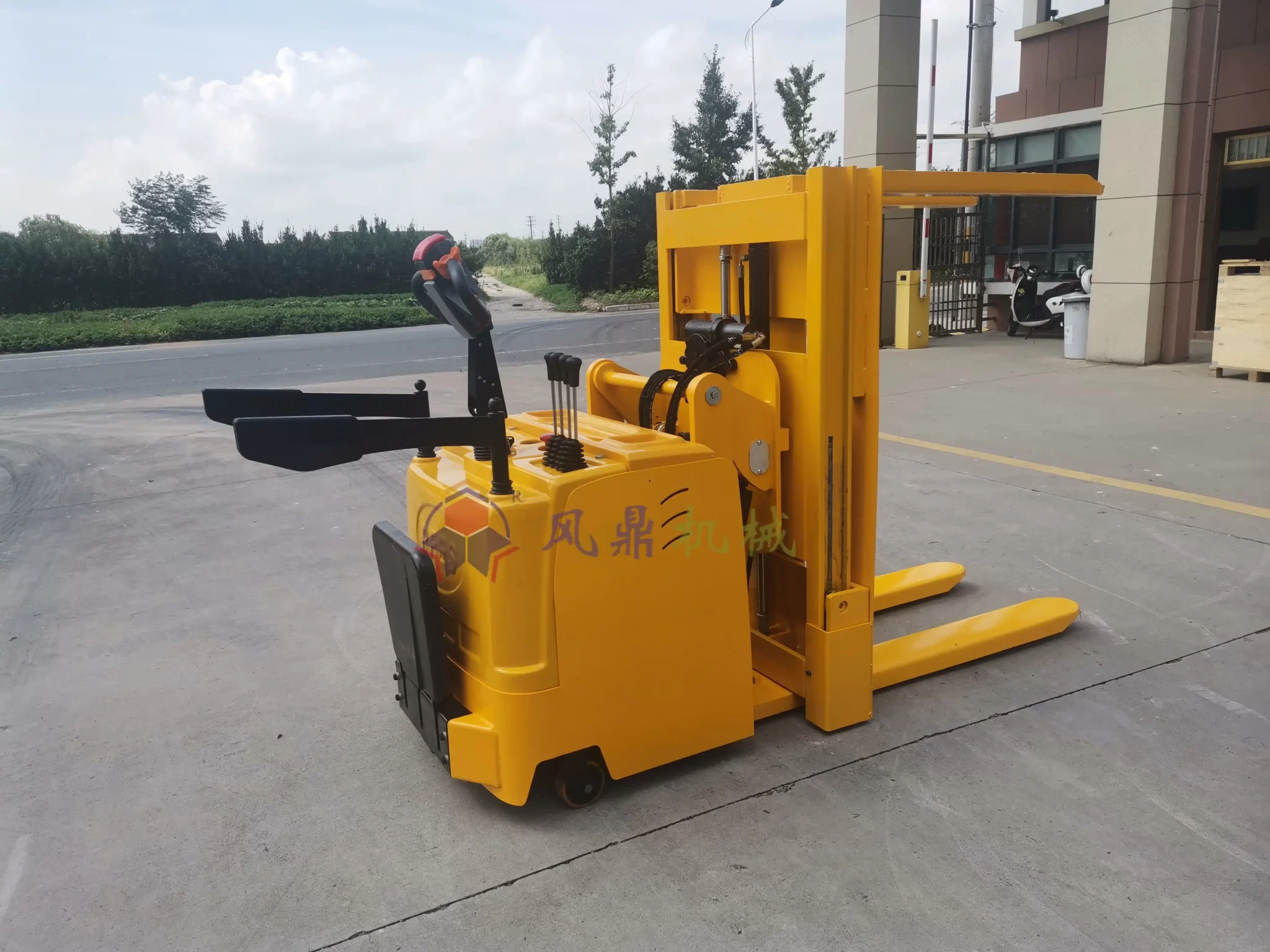
When I started FHOPEPACK, my goal was to help businesses thrive. I realized that the best machines not only do a specific job but also contribute to the bigger picture: a healthier bottom line, happier employees, and a stronger company. Pallet inverters do exactly that. They are an investment in the long-term success of any American food and beverage plant. Let’s explore these lasting advantages:
-
Significant Cost Savings Over Time 💰
- Reduced Insurance Premiums: A safer workplace directly translates to fewer claims. This often leads to lower workers’ compensation insurance premiums.
- Fewer Injury-Related Expenses: Beyond insurance, companies save on direct costs like medical treatment, rehabilitation, and lost workdays. Indirect costs, such as the administrative burden of managing claims, also decrease.
- Lower Litigation Risks: With fewer accidents, the risk of costly lawsuits from injured employees significantly drops. This protects the company from large legal fees and settlements.
- Reduced Product Damage Costs: Consistent, automated handling minimizes product damage. This reduces waste, rework, and the financial losses associated with damaged goods.
-
Enhanced Regulatory Compliance and Audit Readiness 📜
- Proactive Compliance: Pallet inverters help plants proactively meet OSHA safety standards. This positions the company as a leader in safety, not just a reactive player.
- Smoother Audits: With documented automated processes and a strong safety record, plants can navigate regulatory audits more easily. This reduces stress and potential penalties.
- Adherence to Food Safety: By facilitating the use of hygiene pallets (like plastic pallets) and enabling damage-free transfers, inverters support stricter food safety and quality control standards. This is critical for FDA compliance in the food and beverage industry.
-
Improved Employee Morale and Retention 😊
- Safer Working Environment: Employees feel valued and protected when their employer invests in their safety. This boosts morale and job satisfaction.
- Reduced Physical Strain: Taking away strenuous manual tasks makes jobs more appealing. This helps attract and retain workers in an industry facing labor shortages.
- Focus on Higher-Value Tasks: When machines handle repetitive, risky work, employees can focus on more skilled, engaging, and value-added activities. This enhances their professional development.
-
Boosted Operational Efficiency and Productivity 🚀
- Faster Pallet Changes: Automated pallet inverters perform transfers much faster and more consistently than manual methods. This reduces bottlenecks in the workflow.
- Increased Throughput: Quicker pallet changes mean higher overall processing speed and greater throughput. This allows plants to meet demanding customer delivery schedules, which is vital for e-commerce and retail clients.
- Standardized Processes: Automation ensures that every pallet change follows the exact same procedure. This eliminates inconsistencies and errors common with manual handling. This leads to a more reliable and predictable operation.
- Adaptability & Flexibility: Modern pallet inverters can handle various pallet types (Euro, GMA, plastic, wood). This flexibility ensures smooth operations for diverse import/export needs and different customer requirements.
-
Strategic Business Advantage 🏆
- Market Leader: Companies that prioritize safety and efficiency gain a competitive edge. They are seen as reliable, responsible partners by clients and suppliers.
- Sustainable Growth: Investing in safe, efficient automation sets the stage for long-term, sustainable growth. It reduces dependencies on labor-intensive processes that are becoming increasingly unsustainable. Pallet inverters provide a foundation for robust, future-proof operations in the American food and beverage sector.
Conclusion
A pallet inverter is more than just a machine; it is a strategic investment in the safety and efficiency of American food and beverage plants. By automating dangerous tasks, it protects your workforce, ensures compliance, and drives long-term operational success. Explore how a pallet inverter can transform your plant today.








