
Why Should Semiconductor Plants Invest in Pallet Inverters for Anti-Static Pallet Handling?
The semiconductor industry moves at light speed. Every single component matters. You know the stress of keeping delicate, high-value items safe from damage, especially electrostatic discharge (ESD). Moving these components on pallets, often needing transfer between different types, brings unique challenges. Manual handling introduces risks, from accidental drops to static build-up, which can lead to costly product failures and production delays.
Semiconductor plants should invest in pallet inverters because these machines provide a controlled, automated way to switch pallets. This reduces human contact, lowers the risk of electrostatic discharge, and protects sensitive components. They also improve operational efficiency and worker safety in handling heavy loads and specialized anti-static pallets.

As someone who has spent years designing and building packing machines, I have seen many operational bottlenecks. I understand that the right equipment is not just a tool; it is a solution that can transform your entire workflow. Let us explore why pallet inverters are a crucial investment for your plant, going beyond just handling anti-static needs.
The Unique Challenges of Semiconductor Logistics?
In semiconductor manufacturing, precision is everything. This applies not just to the chips themselves but also to how you handle them. Your logistics process faces constant pressure. You manage extremely fragile components, often transported on specialized anti-static pallets. The risk of even a tiny static discharge or physical damage is a constant worry.
Semiconductor logistics presents unique challenges due to the extreme sensitivity of components to electrostatic discharge (ESD) and physical shock, combined with the need to switch between various pallet types for different stages of production or shipping. These challenges demand handling solutions that prioritize both product integrity and operational efficiency.
My journey started as an employee in a packing machine factory. I saw firsthand how even small handling mistakes could lead to big problems. In the semiconductor industry, the stakes are even higher. Components like wafers, integrated circuits, and printed circuit boards are incredibly delicate. They can suffer irreversible damage from even a small static charge. This means every step of handling, from the cleanroom to the warehouse, must be carefully controlled. You cannot afford product loss. Think about the costs. A single damaged batch can mean huge financial losses and delays in bringing products to market.
Also, the global nature of this industry adds another layer of complexity. You might receive materials on one type of pallet, like a Euro pallet, but need to ship finished products on a different one, like a US standard pallet or a specialized plastic cleanroom pallet. Manually transferring these high-value items is risky. Workers must lift and maneuver heavy loads. This puts them at risk of injury. It also increases the chance of dropping or damaging the sensitive cargo. Imagine a forklift driver trying to carefully move a stack of circuit boards. One wrong move and a whole day’s work could be lost. We need a better way. This is why I always focus on solutions that protect both the product and the people. My experience has shown me that investing in the right machinery pays for itself many times over by preventing these costly mistakes and improving overall operational flow.
How Do Pallet Inverters Tackle Anti-Static Needs?
You know the constant battle against static electricity in your plant. ESD can degrade or destroy sensitive electronic components. Traditional pallet handling methods often make this problem worse. Friction from manual transfers and standard equipment can easily generate static charges. You need a system that actively works against this invisible threat.
Pallet inverters address anti-static needs by providing a controlled, non-abrasive method for switching pallets. This minimizes friction and direct human contact, which are common sources of static generation. When combined with anti-static-safe designs and grounding features, they create a secure environment for handling ESD-sensitive materials.
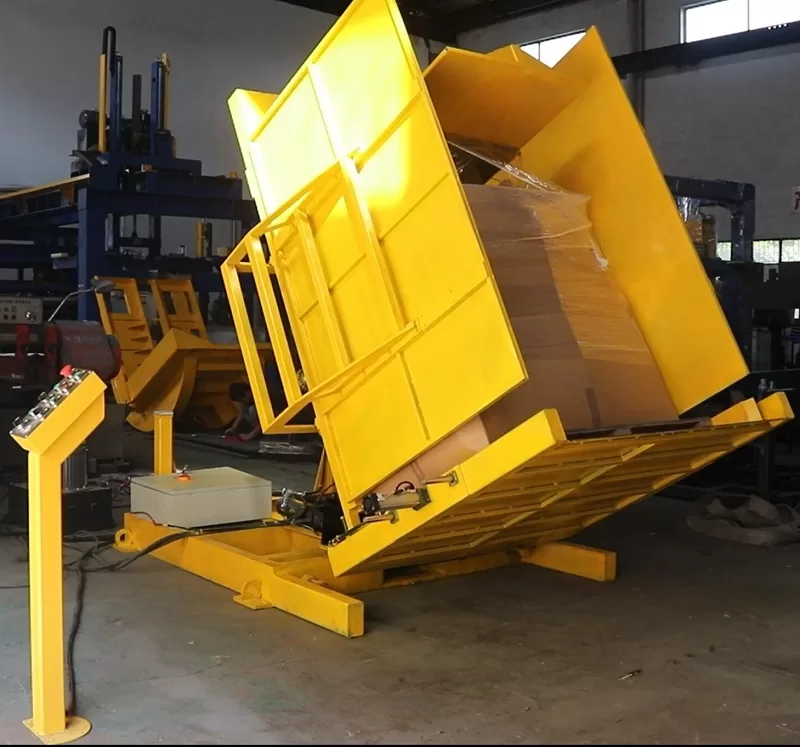
From my years designing packing machines, I learned that good design is about more than just moving things. It is about understanding the environment and the materials. For semiconductor plants, this means tackling ESD head-on. Pallet inverters are a key part of this strategy. They work by securely clamping the load. Then, they rotate it or allow access to the pallet underneath. This process greatly reduces the need for manual handling. When workers do not have to slide, lift, or push sensitive items, there is less friction. Less friction means less static electricity.
Furthermore, specialized pallet inverters can be designed with materials that are inherently anti-static or static-dissipative. They can also include grounding mechanisms. These features ensure that any potential charge is safely dissipated. This prevents it from building up on the product or the machine itself. Consider the difference: a manual lift, where a worker in regular clothing might accidentally brush against a component, creating a static shock. Now, compare this to a machine gently and smoothly turning a stack of sealed anti-static bags. The difference in risk is huge. My factory has always focused on building machines that solve real-world problems. For semiconductor plants, a pallet inverter is not just about moving goods. It is about creating a protective bubble around your most valuable assets. It is a critical line of defense against unseen threats. This directly helps to maintain product quality and reduce costly rejects.
Beyond ESD: Operational Wins for Semiconductor Plants?
While anti-static protection is vital, your plant also battles daily operational hurdles. You face pressure to speed up throughput, cut costs, and ensure worker safety. Manual pallet changes are slow, costly, and dangerous. You need solutions that deliver value across your entire operation, not just in one area.
Pallet inverters offer semiconductor plants significant operational advantages beyond ESD protection. They improve efficiency by automating pallet transfers, enhance worker safety by reducing manual heavy lifting, and lower costs through reduced labor needs and decreased product damage, contributing to a more streamlined and profitable supply chain.
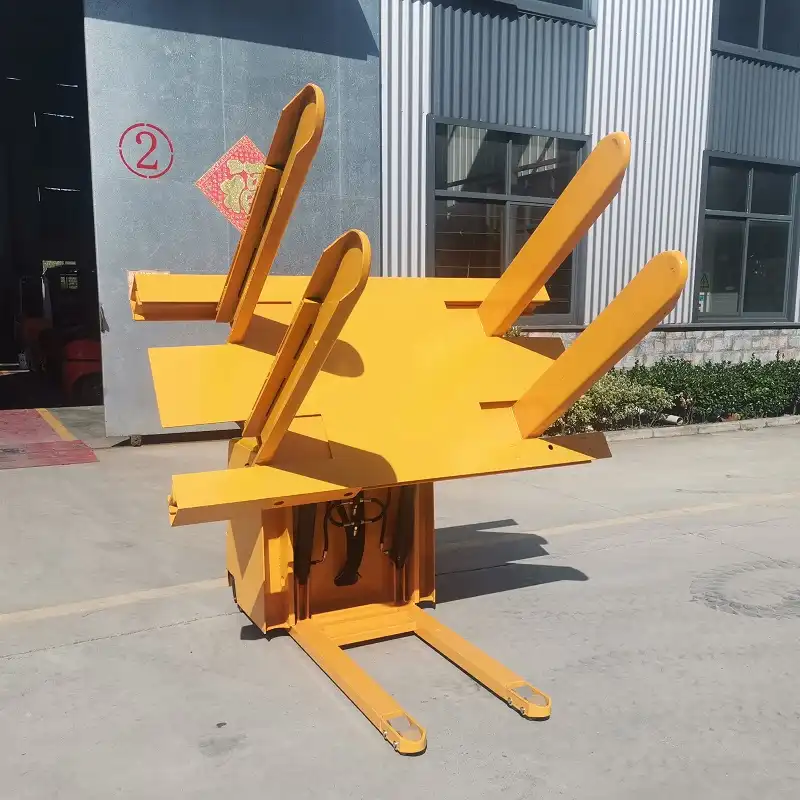
My own experience building a packing machine factory taught me that every minute and every person counts. When I started my business, I focused on making processes better, faster, and safer. Pallet inverters bring these same benefits to semiconductor plants. They do this in several ways:
-
🚀 Increased Efficiency and Throughput:
- Manual pallet changes take time. Workers stop production, use forklifts, and physically move items. A pallet inverter completes this task in minutes.
- This speeds up your entire material flow. It reduces bottlenecks at receiving, internal transfers, and shipping points.
- More efficient movement means you can process more goods in less time. This helps you meet tight production schedules and customer demands.
-
🛡️ Enhanced Worker Safety:
- Lifting heavy pallets and sensitive equipment is a major source of workplace injuries. Back strains, crushed fingers, and foot injuries are common.
- Pallet inverters remove workers from these dangerous tasks. The machine does the heavy lifting and turning.
- This lowers injury rates. It also reduces associated costs like medical claims and lost workdays. My own clients, similar to what Carlos in Spain faces, often tell me how important it is to protect their teams.
-
💰 Reduced Operational Costs:
- Fewer workers are needed for pallet changes. This cuts down on labor costs.
- Less product damage means fewer rejects and less waste. This saves money on materials and rework.
- Improved safety leads to lower insurance premiums and fewer legal liabilities. These savings add up. They directly impact your bottom line.
-
🔄 Versatility for Different Pallet Types:
- Semiconductor plants use many pallet types: standard wood, plastic, cleanroom specific, metal. Pallet inverters can handle them all.
- They easily switch goods from damaged pallets to good ones. They also move items between internal and external shipping pallets.
- This flexibility is crucial for complex global supply chains. It ensures smooth transitions at every stage.
My clients have seen these benefits directly. One client, who dealt with fragile electronic components, told me how their new pallet inverter not only stopped product damage but also cut their pallet change time by half. This is the kind of impact I always aim for. It shows how the right machine makes a real difference.
Choosing the Right Pallet Inverter: What to Look For?
You know a good investment when you see one. But with so many options, how do you pick the pallet inverter that truly fits your semiconductor plant’s specific needs? It is not just about buying a machine. It is about finding a long-term solution that integrates seamlessly into your demanding environment. You need reliability, safety, and a partner you can trust.
When choosing a pallet inverter for a semiconductor plant, look for key features: robust anti-static design, suitability for cleanroom environments, ease of integration with existing logistics, high load capacity for heavy equipment, and a supplier with strong after-sales support and a deep understanding of your industry’s unique requirements.
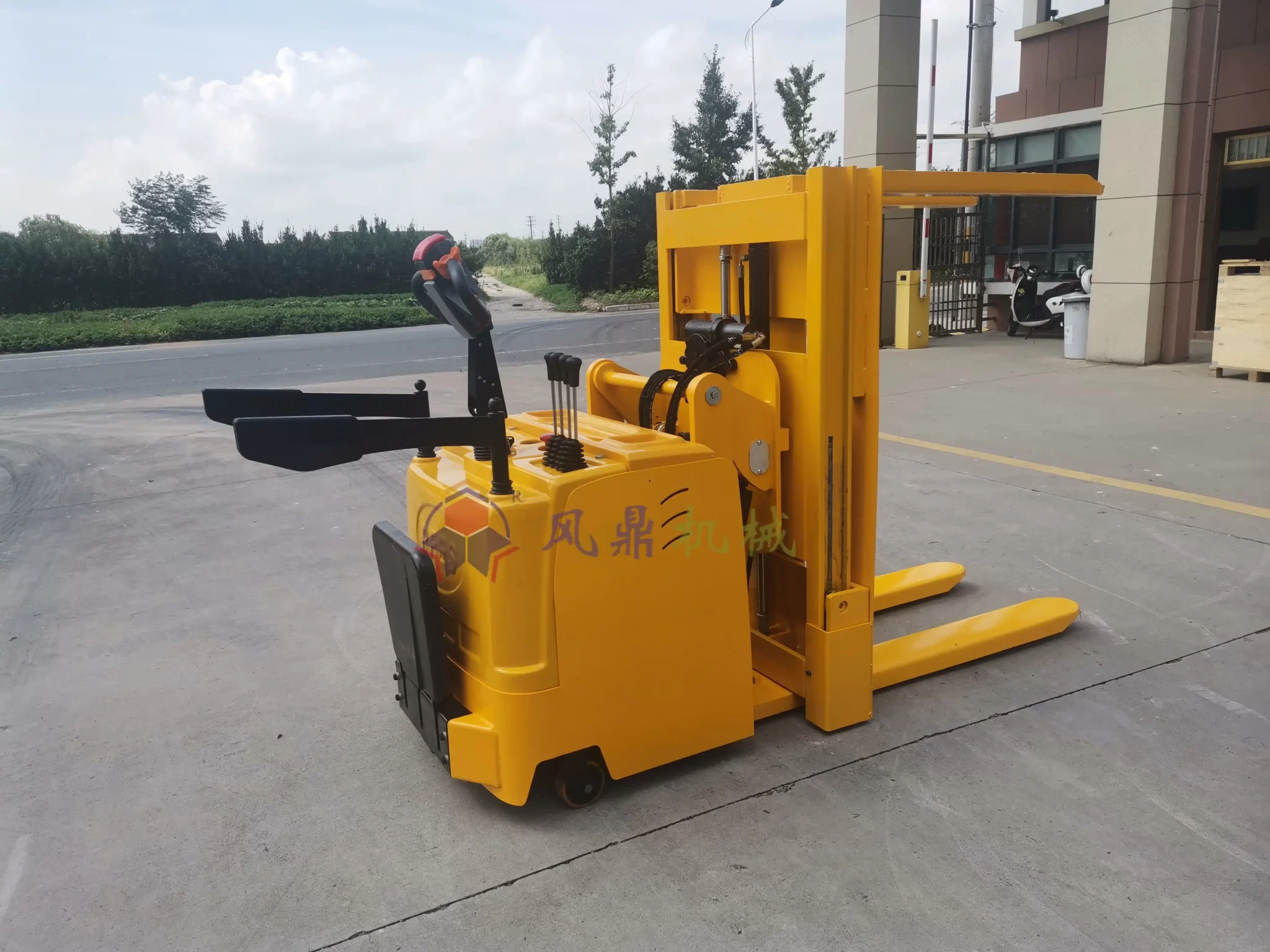
When I started FHOPEPACK, my goal was always to offer solutions, not just products. This means understanding exactly what a client needs. For semiconductor plants, choosing a pallet inverter requires careful thought. Here are the critical factors I tell my clients to consider:
-
⚡ Anti-Static and ESD Compliance:
- This is non-negotiable. The machine must have specific features to prevent static buildup and discharge.
- Look for models made with static-dissipative materials. Check for proper grounding points.
- Ensure it meets industry standards for ESD control in manufacturing environments. This protection is key to preventing costly component damage.
-
✨ Cleanroom Compatibility:
- Many semiconductor processes happen in cleanrooms. The pallet inverter must not introduce contaminants.
- This means it should be made from materials that do not shed particles. It must also have smooth surfaces that are easy to clean.
- Some models offer stainless steel construction or specific coatings for cleanroom use. Always confirm the machine meets your cleanroom class requirements.
-
💪 Load Capacity and Stability:
- Semiconductor equipment and components can be very heavy. The inverter needs to handle your maximum pallet weight with ease.
- Check for stable clamping mechanisms that secure the load firmly during rotation. You cannot have any shifting or vibration.
- Consider the size of your pallets. Ensure the machine can accommodate your largest and smallest pallet dimensions without issues.
-
⚙️ Automation and Integration:
- Think about how the inverter will fit into your existing lines. Can it be integrated with conveyors or robotic systems?
- Look for options with programmable controls. This allows for automated cycles and consistent operation.
- Good integration means smoother material flow and less manual intervention overall. This boosts efficiency.
-
🤝 Supplier Reliability and Support:
- This is where my years in the industry really come into play. A machine is only as good as the support behind it.
- You need a supplier who understands your industry. They must provide excellent after-sales service, spare parts, and technical assistance.
- I always tell people to look for a partner, not just a seller. Someone who will be there for the long haul. This is why I built FHOPEPACK on a foundation of trust and shared knowledge. You need someone to help you quickly if a problem comes up.
Considering these points will guide you to a pallet inverter that not only protects your sensitive products but also enhances your entire operation. It is about making a smart investment for your future.
Conclusion
In summary, investing in a pallet inverter for semiconductor plants is a clear choice. It protects sensitive components from ESD, boosts operational efficiency, and significantly improves worker safety. This vital equipment helps ensure product integrity and a strong bottom line.








