
Why Polish engineers prefer coil wrapping machine for bearing and ring coil loads?
Are you a factory manager struggling with slow, unsafe, and costly manual packing processes? Many industrial leaders face bottlenecks at the end of their production lines. Manual handling of heavy items like bearing and ring coils causes delays, risks worker safety, and leads to product damage. This impacts your bottom line and your ability to deliver on time.
Polish engineers, just like my own clients, increasingly choose coil wrapping machines because these systems offer critical improvements in efficiency, worker safety, and product protection for heavy and sensitive loads like bearing and ring coils. They solve real production problems.
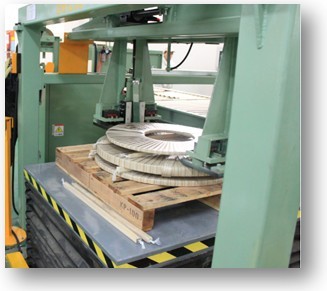
I have seen these challenges firsthand in many factories, from my early days as an employee to building my own successful packing machine factory. The decision to invest in automation is big. Let’s look closer at why this technology has become the go-to solution for engineers, especially in industries that demand precision and strength.
1. Why do manual packing methods fail in the Polish bearing and ring coil industry?
Imagine your factory floor. Workers struggle with heavy, awkward bearing and ring coils. They are trying to wrap them by hand. This picture is common in many places, including parts of Poland’s heavy industry. This method creates many problems for factories. It slows everything down.
Manual packing methods simply do not meet the demands of modern industrial production. They cause slow output, create high safety risks for workers, and often result in damaged products. For bearing and ring coils, which are heavy and need careful handling, these failures are very clear.

Manual packing systems put a huge strain on a factory. I have seen it many times. When I started my own packing machine factory, I knew we had to offer better ways. In Poland, where heavy industry is strong, the need for better solutions is just as important. Think about the hidden costs. These costs go far beyond just paying wages. Every minute a worker spends slowly wrapping a coil is a minute lost. This adds up. It pushes back delivery times. It frustrates clients who expect their orders quickly. Moreover, the risk of injury is very real. Lifting heavy coils, bending, and repetitive movements cause accidents. They lead to worker injuries, higher insurance costs, and staff turnover. This creates a difficult cycle for factory managers. They must replace trained staff and deal with new training costs.
Let me break down these problems:
The Hidden Costs of Manual Labor in Poland
Manual labor in packing seems cheap at first. But it is not.
- Slow Production Speed: Human hands cannot match machine speed. Packing a single bearing coil takes minutes. A machine does it in seconds. This difference greatly impacts daily output. 🐢
- Increased Labor Costs: You need many workers for manual packing. This adds up over time. Wages, benefits, and overtime become a large part of your budget. These costs grow, especially with rising labor rates. 💰
- Inconsistent Quality: Manual wrapping is never perfect. Some wraps are too loose. Others are uneven. This leads to poor protection. It also makes your product look less professional. 👎
Safety Risks Are Too High
Worker safety is a big concern for factory managers like Michael.
- Physical Strain and Injuries: Workers lift and move heavy coils. They twist and bend. This causes back injuries, sprains, and muscle strains. These are not just small issues. They mean time off work. They mean medical bills. 🚑
- Accidents from Handling: Heavy coils can slip. They can fall. These accidents can cause serious injuries. Sometimes they are even fatal. Factories have a duty to protect their workers. ⛑️
- High Insurance Premiums: More injuries mean higher insurance costs for the factory. This directly impacts your operating budget. It is a cost that automation can reduce. 📈
Product Damage Is Unacceptable
No factory wants to deliver damaged goods. It hurts reputation and profits.
- Scratches and Dents: During manual handling, coils can bump into things. Edges can get scratched. These small damages can make a product unusable. This is especially true for precision parts like bearings. 💔
- Poor Packaging Protection: If the wrapping is not tight or even, the coil is not fully protected. It can shift during transport. It can get damaged on the way to the customer. This leads to customer complaints. It leads to returns. This costs money and trust. 📦
- Material Waste: Sometimes, a damaged product means scrapping the entire coil. This is a complete loss of material and production effort. This waste impacts profitability a lot. 🗑️
I have seen clients lose loyal customers because of repeated issues with product quality and delivery delays, all stemming from outdated manual packing methods. Polish engineers understand these risks and want to move past them.
2. How do coil wrapping machines boost production efficiency for Polish factories?
Many factory managers find that their production line moves fast until it hits the packing area. This area often becomes a bottleneck. This is a common problem I saw in my early days. For Polish factories making bearing and ring coils, this bottleneck can be very costly. It slows down everything they do.
Coil wrapping machines are a game-changer for efficiency. They automate the entire packing process, significantly speeding up output and greatly reducing the need for manual labor. This allows Polish factories to achieve higher throughput and more consistent packing quality, keeping production flowing smoothly.

When I built my own factory, I understood the critical need for speed and reliability. You cannot afford to have a fast production process only to have it grind to a halt at the very end. Coil wrapping machines address this directly. They bring a level of automation that transforms the packing stage. They do not just wrap faster; they wrap consistently. This means every coil gets the same high level of protection. This consistency is something manual labor can never truly achieve. It is a huge benefit for products like bearing and ring coils that need careful handling. The machine integrates into your existing production line. This makes the whole process smoother, from start to finish. It is about creating a seamless flow that pushes products out the door faster.
Let me explain how these machines achieve such a boost:
Faster Throughput, More Output
The speed of a coil wrapping machine is unmatched by human workers.
- High-Speed Wrapping: These machines are designed for speed. They can wrap coils in a fraction of the time it takes by hand. This means more coils are packed per hour, per shift, and per day. 🚀
- Continuous Operation: Machines do not get tired. They can run continuously for long periods. This allows for constant production, maximizing your output potential. This is crucial for meeting tight deadlines. ⚙️
- Reduced Waiting Times: Products do not sit waiting to be packed. They go straight from production to the wrapping machine. This removes idle time and keeps the line moving forward. ➡️
Seamless Integration into Production Lines
A good machine fits into your existing setup.
- Automated Feeding and Discharge: Many coil wrapping systems can be equipped with conveyors. These conveyors automatically feed coils into the machine. They also move packed coils away. This creates a fully automated flow. 🔄
- Synchronization with Upstream Processes: The machine can link with other parts of your production line. This ensures that packing keeps pace with manufacturing. It avoids any holdups. This means no more bottlenecks at the end of the line. 🔗
- Compact Footprint: Modern machines are designed to be efficient with space. This means they can fit into existing factory layouts without needing major renovations. This is a practical consideration for many factories. 📏
Less Reliance on Manual Labor
Automation frees up your valuable human resources.
- Reduced Labor Needs: One machine can do the work of several people. This allows you to reassign workers to more skilled tasks. It also helps reduce your overall labor costs in the packing department. ⬇️
- Consistent Quality with Less Oversight: Once set up, the machine delivers consistent results. It requires less human oversight compared to manual processes. This frees up supervisors too. ✅
- Predictable Performance: Machines offer predictable packing times and quality. This helps with production planning and forecasting. You know exactly what to expect from your packing operation. 📊
I have seen factories in Poland and other heavy manufacturing regions transform their entire operation just by addressing this one bottleneck. The ripple effect of improved efficiency is huge for the whole business.
3. Can coil wrapping machines truly improve worker safety in heavy industries?
For any factory manager, worker safety is a primary concern. Michael, a factory manager, knows this well. Manual handling of heavy items like steel coils or wire coils poses significant risks. It is not just about avoiding big accidents. It is also about preventing daily strains and long-term injuries.
Coil wrapping machines dramatically improve worker safety by eliminating the need for manual handling of heavy and awkward loads. They remove workers from dangerous tasks, greatly reducing the risk of injuries, repetitive strain, and accidents. This makes the factory a much safer place to work.
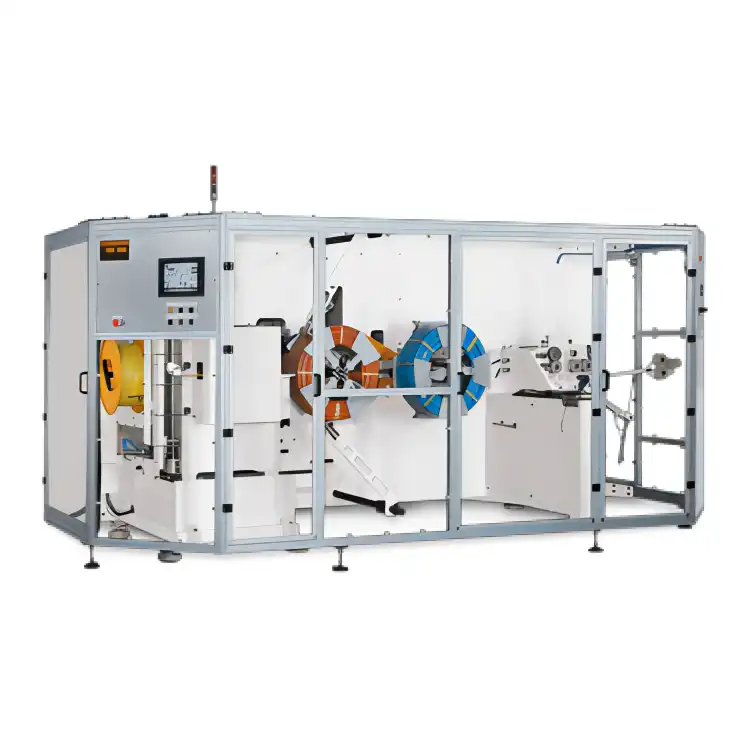
Dive deeper Paragraph: My own journey in the packing machine industry taught me that safety is not just a regulatory box to check. It is about taking care of your people. It is about creating a workplace where employees feel safe and valued. When workers constantly lift, bend, and move heavy coils, accidents are bound to happen. These are not just statistics. These are real people getting hurt. In my experience, a factory with high injury rates often struggles with morale and staff retention. Polish engineers, like factory managers worldwide, recognize this. They understand that investing in safety is investing in their most valuable asset: their workforce. Coil wrapping machines are a prime example of technology that directly addresses this by making the factory floor safer.
Here is how these machines improve safety:
Removing Workers from Harm’s Way
The most direct way machines improve safety is by keeping people away from danger.
- No Manual Lifting of Heavy Coils: This is the biggest benefit. Workers no longer need to manually lift or move heavy bearing or ring coils. The machine and its integrated conveyors do all the heavy lifting. 🚫💪
- Reduced Exposure to Moving Parts: Modern machines have safety features. These include guarded areas and emergency stops. They are designed to protect workers from moving parts. This is much safer than manual methods where workers are always close to the product. 🛑
- Automated Coil Positioning: Workers do not need to wrestle coils into place for wrapping. The machine handles the precise positioning. This prevents awkward movements and potential drops. 🎯
Reducing Strain and Repetitive Injuries
Even without major accidents, daily work can cause harm.
- Elimination of Repetitive Tasks: Manual wrapping involves many repetitive motions. These motions can lead to carpal tunnel syndrome, tendonitis, and other musculoskeletal disorders over time. Machines remove these tasks from human hands. ✅
- Less Physical Exertion: Workers are not physically exhausted at the end of a shift. They are not constantly battling heavy objects. This reduces fatigue. It also makes them more alert for other tasks. 🧘
- Improved Ergonomics: The overall work environment becomes more ergonomic. This means less stress on the body. It promotes better long-term health for your employees. 🌟
Compliance and a Better Workplace
Safety directly impacts a factory’s reputation and compliance.
- Meeting Safety Regulations: Many countries, including Poland, have strict safety regulations for industrial workplaces. Coil wrapping machines help factories comply with these rules. This avoids fines and legal issues. 📄
- Lower Insurance Premiums: Fewer workplace injuries lead to lower workers’ compensation claims. This can result in lower insurance premiums for your factory. It is a direct financial benefit. 💲
- Higher Employee Morale and Retention: When workers feel safe, they are happier and more productive. They are also more likely to stay with your company. This reduces turnover costs and builds a stronger team. 👷♂️❤️
I have seen the relief on factory managers’ faces when they tell me their injury rates have dropped. It is not just about cost savings; it is about providing a humane and responsible workplace.
4. What tangible returns do Polish companies see from investing in coil wrapping technology?
Any investment in factory equipment needs a clear business case. Michael, like many seasoned factory managers, always asks about the Return on Investment (ROI). He wants to know if a new machine will truly save money and boost profits. For Polish companies, this is no different. They need to see real, measurable benefits.
Polish companies investing in coil wrapping technology consistently see clear and tangible returns. These benefits come from significant reductions in labor costs, a dramatic decrease in product damage, and more efficient use of packing materials. This all leads to higher overall profitability and a strong ROI.
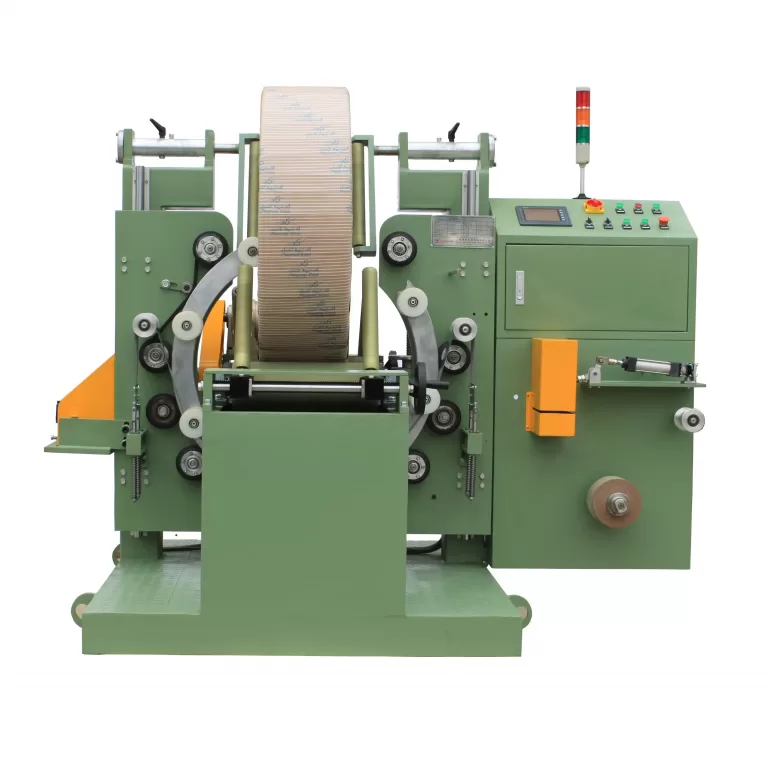
When I advise clients, I do not just talk about features. I talk about outcomes. I talk about how my solutions help them achieve their business goals. For a factory manager like Michael, the numbers must add up. It is not enough for a machine to be faster or safer. It must translate into real financial gain. My experience, from setting up my own factory to helping many clients grow, has shown me that the ROI from coil wrapping machines is often very compelling. This is because the technology tackles multiple cost centers at once. It reduces your biggest variable costs: labor and material waste. It also protects your product, which is your revenue stream. This means you are not just saving money; you are protecting your income and reputation. This is why Polish engineers, always looking for efficient and smart solutions, find this technology so attractive.
Let’s break down the tangible returns:
Significant Labor Cost Savings
Reducing reliance on manual labor is a major financial win.
- Fewer Workers Needed: As I mentioned, one machine can replace several workers on the packing line. This reduces your overall payroll. These are direct savings that impact your bottom line every single day. 📉
- Reduced Overtime: With faster packing, you might not need to pay as much overtime. Your production can stay on schedule during regular working hours. This cuts down on extra costs. ⏰
- Lower Training and Recruitment Costs: Fewer workers mean less spending on training new staff or recruiting replacements due to high turnover. This is a long-term saving for the HR department. 🧑🎓
Protecting Your Investment: No More Product Damage
Preventing damage means protecting your revenue.
- Reduced Scrap Rates: When coils are packed perfectly, they are less likely to get damaged during transport or storage. This means fewer scrapped products. Every coil saved is money earned. ✅
- Fewer Customer Complaints: Damaged goods lead to unhappy customers. This can mean returns, discounts, and even lost business. Automated packing reduces these issues, improving customer satisfaction. 😊
- Stronger Brand Reputation: Delivering high-quality, undamaged products builds a strong reputation. This can attract new clients and retain existing ones. It is a key factor in long-term success. 🏆
Optimized Material Usage
Efficiency also extends to how you use packing materials.
- Consistent Material Application: Machines apply wrapping material evenly and consistently. There is no waste from over-wrapping or uneven application, which happens often with manual methods. This saves on film or paper costs. ♻️
- Right Amount of Material: Advanced machines can be programmed to use the exact amount of wrapping material needed for each coil size. This minimizes waste and optimizes material purchases. 📏
- Better Protection with Less Material: Because the wrap is so tight and consistent, you might even be able to use slightly less material while still offering superior protection. This is a smart way to save. 💡
Investing in a coil wrapping machine is not just buying equipment. It is buying a solution that tackles multiple pain points, driving efficiency and profitability for years to come. I have helped many factories achieve these exact results.
Conclusion
Coil wrapping machines offer clear solutions for factories facing efficiency, safety, and product damage challenges. They deliver tangible ROI through labor savings and improved quality, making a col wrapping machine a smart choice.








