
How Coil Wrapping Machines in Poland Ensure Dust and Moisture Protection for Reels?
Are you losing sleep over damaged coils? Is dust and moisture a constant threat to your valuable products, especially in demanding industrial environments like those found across Poland? Every ruined coil, every customer complaint, every re-work eats into your profits and reputation. Manual methods are slow, inconsistent, and they put your team at risk. What if there was a proven way to guarantee pristine condition from factory floor to final destination?
Coil wrapping machines in Poland ensure dust and moisture protection for reels by tightly applying multiple layers of stretch film, often combined with VCI (Volatile Corrosion Inhibitor) film, around the coil’s circumference and eyes. This process creates a secure, impermeable barrier that physically blocks dust, prevents water ingress, and chemically inhibits corrosion, safeguarding the product against environmental degradation during storage and transit.
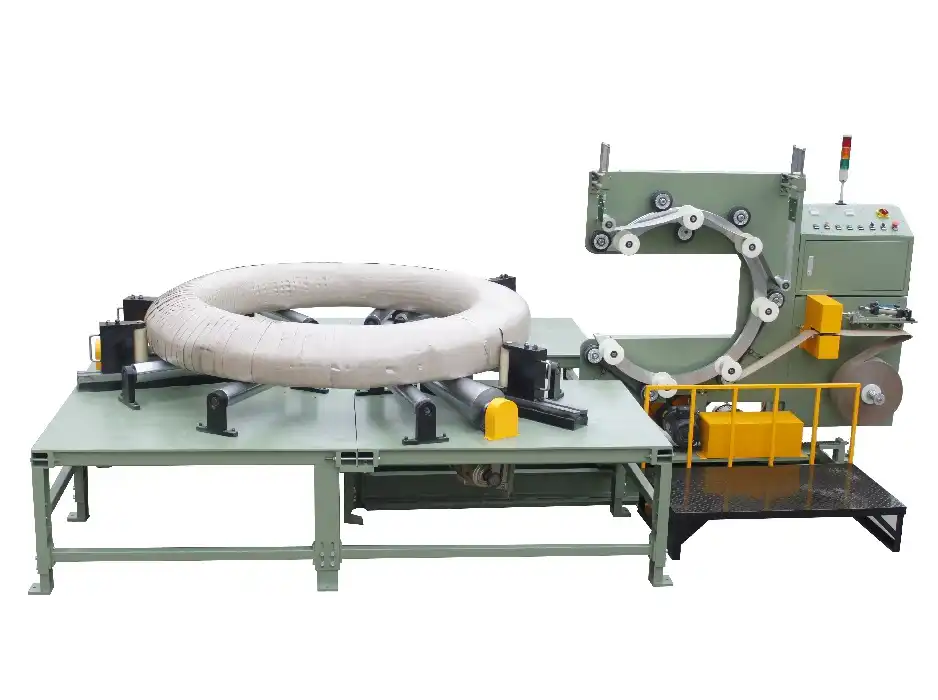
This is not just about a machine; it is about securing your investment, protecting your reputation, and empowering your operations. Let’s delve deeper into how this technology works and why it is a game-changer for businesses facing the same challenges I once did.
1. Why Is Dust and Moisture the Arch-Nemesis for Coils, Especially in Poland’s Industrial Landscape?
Imagine shipping a perfect steel coil, only for it to arrive at its destination covered in grime or with rust spots. This is a common nightmare for factory managers. The industrial environments, fluctuating temperatures, and long transit times, typical in regions like Poland, create prime conditions for dust accumulation and moisture condensation. These elements silently attack your valuable metal products. Understanding these threats is the first step towards building an unbreachable defense.
Dust and moisture are the primary enemies for coils because they lead to surface contamination, abrasive damage, and corrosive reactions. These factors significantly degrade product quality and can render valuable materials unusable. Poland’s diverse climate, from humid summers to snowy winters, exacerbates these risks, making robust protection essential for maintaining product integrity.
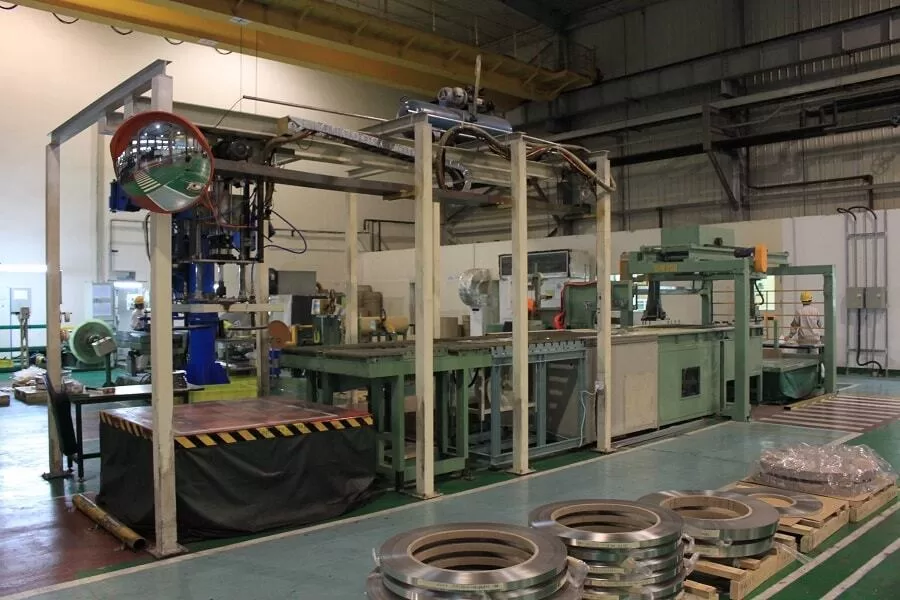
When I first started my factory, I saw firsthand how quickly seemingly minor environmental factors could cause major problems. Dust, often composed of abrasive particles from the manufacturing process itself or from external sources, settles on unprotected coil surfaces. Over time, this dust can scratch the delicate surface during handling or unwinding, causing irreversible cosmetic and functional damage. For high-value products, even minor scratches lead to customer rejections and substantial financial losses.
Moisture, however, is an even more insidious threat. Whether it is from high humidity, condensation due to temperature changes during storage or transport, or direct exposure to rain or snow, water reacts with metal to cause rust and corrosion. This is particularly relevant in places like Poland, where seasonal weather shifts can bring anything from damp autumns to heavy snowfalls in winter. Rust not only damages the appearance of the coil but also compromises its structural integrity. My clients often faced issues where perfectly manufactured coils developed rust during transit across the country or while waiting in open warehouses. This meant costly reworks, or worse, unsaleable products. This directly impacted their profitability and their reputation with demanding clients. It was clear to me that basic protection was not enough. We needed a comprehensive shield.
Here is a simple breakdown of the threats and their impacts:
Key Environmental Threats to Coils
- 🌬️ Dust & Particulates:
- Source: Factory environment, transport, storage areas.
- Impact: Surface abrasion, contamination, reduced aesthetic value, potential for operational issues during unwinding.
- 🌧️ Moisture & Humidity:
- Source: Rain, snow, condensation, high atmospheric humidity.
- Impact: Rust, corrosion, discoloration, chemical degradation of metal surfaces, compromised structural integrity.
- 🌡️ Temperature Fluctuation:
- Source: Day-night cycles, indoor-outdoor movement, varying transport conditions.
- Impact: Causes condensation when warm, moist air meets cooler coil surfaces, accelerating rust.
- 🏭 Industrial Pollutants:
- Source: Emissions from nearby factories, chemical residues in the air.
- Impact: Accelerated corrosion, pitting, and surface damage that can be difficult to remove.








