
Why pallet inverter is better than traditional lifting tools in chemical factories?
Do you ever worry about the safety of your workers in a chemical plant? Are you constantly battling slow processes and high labor costs? Many managers in chemical factories feel this daily pressure. They struggle with old methods for moving pallets. This can lead to big problems. It affects both safety and how much money the company makes.
Pallet inverters are better than traditional lifting tools in chemical factories because they greatly improve safety, boost efficiency, lower operational costs, and handle diverse pallet needs more effectively. They achieve this by reducing manual handling, preventing product damage, and streamlining the entire pallet transfer process, which is crucial in sensitive chemical environments.
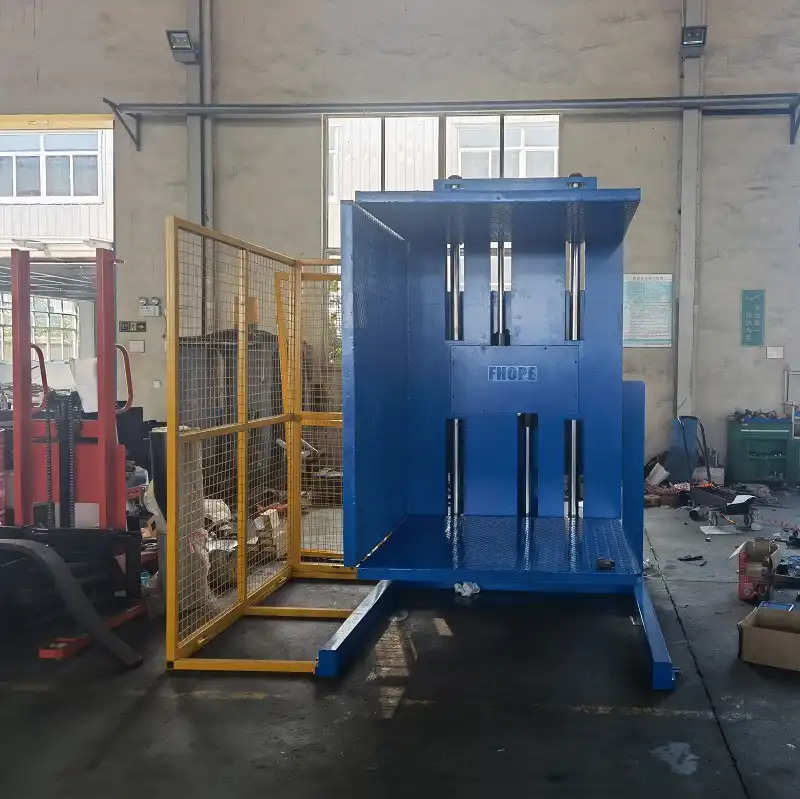
I have seen firsthand how much a good packing machine can change a business. From my early days on the factory floor to building FHOPEPACK, I learned that the right equipment can make all the difference. This is especially true when it comes to pallet handling in tough places like chemical factories. Let’s look deeper at how these smart machines can help your operations.
Do traditional lifting tools put your chemical factory at risk?
Is safety your top concern? It should be, especially when you work with chemicals. Old lifting methods often involve manual lifting or moving pallets with basic forklifts. These ways come with many dangers. They put your staff and products at high risk. Accidents can happen fast. This can cause injuries, chemical spills, and big financial losses.
Traditional lifting tools, such as forklifts or manual handling, expose chemical factory workers to significant risks like crush injuries, chemical spills, and material damage due to unstable loads. These methods increase the chance of accidents because they rely heavily on human judgment and physical effort in potentially hazardous environments, unlike the controlled and automated operations of pallet inverters.
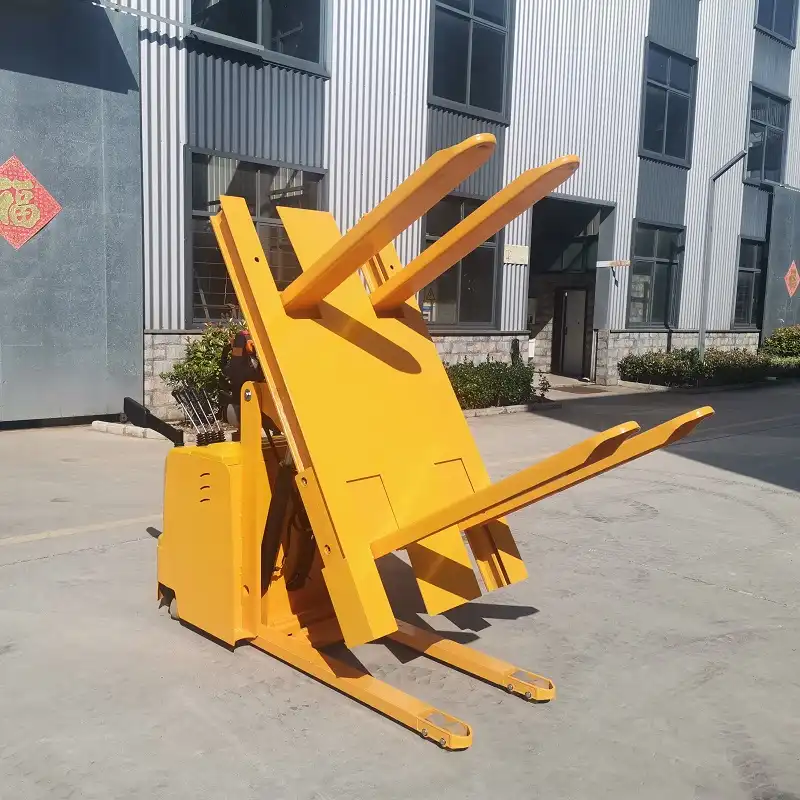
Safety in a chemical factory is not just about following rules. It is about protecting people and preventing disasters. I have helped many clients grow their businesses. I know that avoiding accidents is key to long-term success. Think about the costs of just one serious incident. It includes medical bills, fines, lost production, and damage to your company’s name. Pallet inverters offer a much safer way to handle goods. They reduce these risks by automating much of the process.
Reducing Human Error and Exposure to Hazards:
- 1. Minimizing Direct Contact: Manual handling of pallets means workers get close to heavy loads and possibly dangerous chemicals. When people handle things, mistakes can happen. A pallet inverter keeps workers away from the immediate lifting and turning areas. This distance protects them from falling goods or chemical leaks. It makes the work zone much safer for everyone. The machine does the dangerous work. People can stand clear.
- 2. Preventing Product Damage and Spills: Chemical products often come in drums, bags, or special containers. These items must stay secure. If a forklift driver makes a sharp turn, or if a pallet is unbalanced, products can fall. This can cause costly damage and dangerous spills. A pallet inverter holds the load firmly. It turns it slowly and steadily. This firm grip stops items from moving around. It means fewer spills and less wasted product. This is very important in a chemical setting where spills can be hazardous.
- 3. Enhancing Ergonomics and Reducing Strain: Lifting, pushing, and pulling heavy pallets by hand causes strain on workers. Over time, this leads to muscle injuries and pain. These injuries can make workers miss work. They can also cost the company money in compensation. Pallet inverters remove the need for hard physical labor. Workers just operate the machine. This greatly lowers the risk of strain and injury. It creates a healthier workplace for the team. This improves worker happiness and productivity.
- 4. Meeting Strict Safety Regulations: Chemical factories must follow many strict safety rules. These rules are there to protect workers and the environment. Using old, risky methods can make it hard to meet these rules. Pallet inverters help companies follow safety standards more easily. They show that a company takes safety seriously. This can help avoid fines and legal problems. It also builds trust with regulators and customers.
Are slow pallet transfers costing your chemical business time and money?
Is your chemical factory struggling to keep up with demand? Are pallet transfers taking too long? In today’s fast-paced world, speed is very important. If your goods move slowly, it impacts everything. It can make you miss deadlines. It can also make customers unhappy. Traditional ways of moving pallets are often slow and need many steps. This creates bottlenecks. It stops the whole process from moving smoothly. This slow movement costs your business both time and money.
Slow pallet transfers are indeed costing chemical businesses significant time and money by creating bottlenecks, increasing labor hours, and delaying product delivery. Traditional methods, relying on manual effort or basic equipment, simply cannot match the speed and continuous operation that a specialized pallet inverter provides, leading to inefficient material flow and missed opportunities.

When I started FHOPEPACK, I knew that efficient processes were the backbone of any successful operation. My journey in the packing machine industry taught me that every second counts. Especially in an industry like chemicals, where products often have short shelf lives or tight delivery schedules, speed matters. Think about how much faster you could get products out the door. Imagine how much less time your team would spend on simple pallet changes. Pallet inverters can transform your workflow. They make it much faster and smoother.
Streamlining Operations and Boosting Throughput:
- 1. Faster Pallet Exchange Cycles: With traditional methods, exchanging a pallet can be a multi-step process. A forklift might lift the load. Then workers might try to manually slide a new pallet underneath. This takes a lot of time and effort. A pallet inverter performs this task in one smooth, automated cycle. It clamps the load, rotates it, and places it onto a new pallet in minutes. This speed means many more pallets can be processed each hour. This greatly increases your factory’s overall output and efficiency.
- 2. Reducing Bottlenecks in Production: In many chemical factories, pallet changing is a critical point. If it is slow, it can hold up other parts of the production line. This creates bottlenecks. These bottlenecks slow down the entire operation. A fast pallet inverter removes this choke point. It allows materials to flow continuously. This smooth flow helps keep all other machines working at their best. This means less downtime and more products being made.
- 3. Less Waiting Time for Forklifts: When forklifts are used for pallet changes, they are tied up for that task. This means they cannot do other jobs, like moving finished goods or bringing raw materials. This can cause delays across the warehouse. Pallet inverters free up forklifts. They let forklifts do what they do best: move goods. This makes your whole logistics system more efficient. It also helps maximize the use of your expensive forklift fleet.
- 4. Continuous and Uninterrupted Workflows: Manual pallet changes often need breaks for workers. They might need more staff to help. Or they might need to stop the line to ensure safety. A pallet inverter can work almost continuously. It only needs an operator to load and unload. This means your factory can keep moving products without long pauses. This uninterrupted workflow is key to meeting high demand and improving overall productivity.
Can pallet inverters cut your operational costs and labor challenges?
Are you struggling with rising labor costs and finding enough skilled workers? This is a common problem for many businesses, including chemical factories. Old ways of handling pallets need a lot of people. They also risk damage to goods. All these things add up to higher costs. It can feel like you are always trying to do more with less. But what if there was a way to cut these costs and solve your labor problems at the same time?
Pallet inverters can significantly cut operational costs and address labor challenges by reducing the need for manual handling, minimizing product damage, and improving worker safety. This leads to lower labor expenses, fewer compensation claims, reduced waste, and a more streamlined operation that is less dependent on intensive manual labor, offering a smart long-term investment for chemical factories.

My own journey started as an employee in a packing machine factory. I saw firsthand how much time and money was wasted on inefficient processes. That experience drove me to find better solutions. I later started FHOPEPACK to share this knowledge. Pallet inverters are one of those solutions that offer real, measurable savings. They tackle some of the biggest problems faced by warehouse and logistics managers like Carlos Rodríguez in Spain. These problems include labor shortages and the need for higher efficiency.
Lowering Costs and Overcoming Labor Shortages:
- 1. Reducing Labor Dependency: Manual pallet handling needs many workers. These workers must be paid wages, benefits, and overtime. With labor costs always going up, this gets expensive. Finding people willing to do hard, physical work is also getting tougher. A pallet inverter can do the job of several workers. It needs only one operator. This greatly cuts down on labor costs. It also makes your factory less reliant on a large workforce. This is a big help when workers are scarce.
- 2. Minimizing Product Damage and Waste: When pallets are moved or changed by hand, there is a higher chance of dropping or damaging products. This is especially true for fragile or valuable chemical goods. Damaged goods mean financial losses. They also mean wasted raw materials and production time. Pallet inverters handle loads with precision and care. They hold everything tightly. This greatly reduces the risk of damage. Less damage means less waste and more profit.
- 3. Cutting Down on Injury-Related Expenses: As I mentioned before, manual handling causes injuries. These injuries lead to many costs. This includes medical treatment, sick leave, and possibly even legal claims. Your insurance premiums can also go up. By using a pallet inverter, you reduce these risks. Fewer injuries mean lower medical costs. It also means fewer lost workdays. This keeps your insurance rates down. It also helps you avoid costly legal battles.
- 4. Optimizing Space and Equipment Usage: Traditional methods often require more space for manual maneuvering or for storing various pallet types. A pallet inverter can be a compact unit. It can work in smaller areas. This helps you use your factory space better. Also, by freeing up forklifts from pallet changing duties, you get more use out of your existing equipment. This means you do not have to buy more forklifts. This saves money on capital investment and maintenance.
How do pallet inverters handle diverse pallet needs and compliance in chemical factories?
Do you deal with many different types of pallets every day? Is it a headache to switch between Euro, US, or plastic pallets? Many chemical factories operate globally. This means they get and send products on various pallet sizes and materials. Handling these different pallets with traditional methods is often slow and prone to errors. It can also make it hard to meet strict compliance rules.
Pallet inverters are excellent at handling diverse pallet needs and ensuring compliance in chemical factories by offering flexibility to switch between various pallet types (e.g., Euro, US, plastic) quickly and safely. They also facilitate the easy replacement of damaged or non-compliant pallets, crucial for hygiene and regulatory adherence, far surpassing the capabilities and safety of traditional, less adaptable lifting tools.
In my experience, working in the packing machine industry means understanding client needs. Carlos Rodríguez, for example, faces frequent pallet changes due to different national standards. This problem is not unique. I have seen how much this challenge can slow down operations. It can even lead to costly fines if pallets do not meet compliance standards. A good solution must be flexible and reliable. It must also simplify complex tasks. Pallet inverters are designed to do just that. They make it easy to manage different pallet requirements.
Adapting to Various Pallet Specifications and Ensuring Compliance:
- 1. Versatility with Different Pallet Types: Chemical factories handle products from all over the world. This means you get a mix of pallet sizes and materials. You might see wooden Euro pallets, larger US pallets, or plastic hygienic pallets. Traditional methods often struggle with this. A pallet inverter is built to handle many types of pallets. It has adjustable clamps that can secure different sizes. This means you do not need different machines for different pallets. It makes your operation more flexible and ready for anything.
- 2. Easy Replacement of Damaged or Unsuitable Pallets: Pallets can get broken during transit. Or, they might not meet the hygiene standards for certain areas, like a cleanroom in a chemical plant. Sometimes, you need to switch from a wooden pallet to a plastic one for export. Doing this manually is hard and risky. A pallet inverter makes it simple. It safely transfers your goods from one pallet to another. This is fast and without stress. This ensures that only good, compliant pallets move forward in your supply chain.
- 3. Meeting Hygiene and Regulatory Standards: Chemical products often have strict rules about hygiene. This is true for food-grade chemicals or pharmaceuticals. You might need to move products from a used, dirty pallet to a clean, sanitized one. Pallet inverters help you do this without touching the product itself. This keeps the product clean and prevents contamination. It also helps you meet important industry standards and regulations. This is a must for many chemical products.
- 4. Streamlining Export and Import Operations: For factories involved in international trade, pallet standards are a constant concern. Exporting to Europe might require Euro pallets, while the US uses different sizes. Manually changing pallets for every shipment is a huge task. A pallet inverter automates this. It ensures your products are on the correct pallet for their destination. This prevents delays at borders. It also avoids fines. This makes your international shipping much smoother and more reliable.
Conclusion
Pallet inverters offer a clear advantage over traditional lifting tools in chemical factories. They enhance safety, boost efficiency, significantly reduce costs, and adapt to diverse pallet requirements. Investing in a pallet inverter is a smart choice for any chemical business aiming for better, safer, and more profitable operations.








