
What role pallet inverter plays in ensuring compliance with export pallet standards?
Imagine your warehouse, a busy hub of activity. Goods are ready to ship, but then you hit a roadblock. Different countries, different rules for pallets. This problem can slow everything down. It causes delays and even penalties. You need a way to move your products smoothly and quickly across borders. You need to keep up with global standards. This challenge is real for many businesses today.
A pallet inverter plays a crucial role in ensuring compliance with export pallet standards by allowing businesses to efficiently and safely transfer goods from one type of pallet to another. This machine helps change products from unsuitable domestic pallets (like a Euro pallet) to export-compliant pallets (like a US-standard pallet or plastic pallet). This process meets international shipping rules without damaging goods or risking worker injury. It makes sure every shipment adheres to the specific requirements of the destination country, preventing delays and fines. %[Mobile Pallet Changer Side Press]( “Mobile Pallet Changer for Export Compliance”)
I have seen many businesses struggle with this exact problem. My journey in the packing machine industry has shown me that proper equipment makes a big difference. Understanding how these machines help goes beyond just knowing what they do. It is about seeing the real impact they have on your operations. Let’s look closer at the specific ways pallet inverters address these export challenges.
Why is pallet compliance so critical for international trade?
You have a product, and you want to sell it worldwide. This is a great goal. But what happens if your pallets do not meet the destination country’s rules? Suddenly, your shipment gets stuck at customs. This causes huge problems. It is not just a minor hiccup. This can cost you a lot of money and damage your reputation. This is why pallet compliance is not just a suggestion; it is a must.
Pallet compliance is critical for international trade because it prevents major logistical issues. It ensures your goods pass customs without delay and meet safety and hygiene rules. Different countries have different standards for pallet size, material, and treatment (like ISPM 15 for wood pallets). Not following these rules can lead to rejected shipments, fines, and damaged goods. It affects your delivery times and your bottom line.
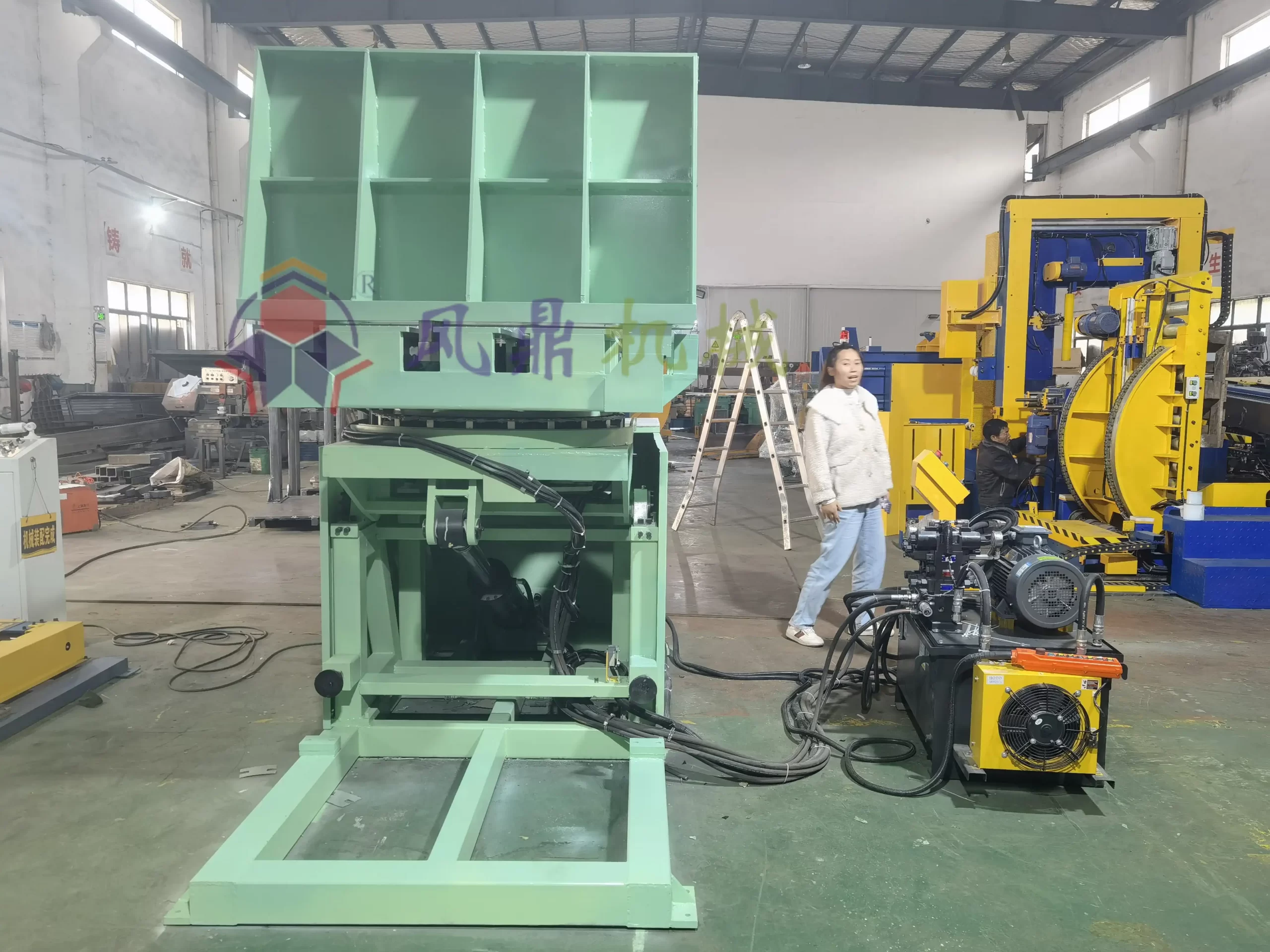
From my years in the packing machine industry, I have learned that rules in international shipping are complex. Pallet standards are a big part of this complexity. For instance, in Europe, Euro pallets (800x1200mm) are common. In the United States, GMA pallets (1016x1219mm) are standard. Many countries also need heat-treated wood pallets (ISPM 15 certified) to stop pests. Plastic pallets are also gaining popularity for their hygiene and reusability, but not all destinations accept them. These differences mean a company cannot just use one type of pallet for all its exports.
Consider a company like the one Carlos manages. They move thousands of pallets daily for a food and beverage group in Europe. If they are exporting to the US, they cannot send products on Euro pallets. They must switch them. Doing this by hand is risky and slow. Workers might get hurt. Products might get damaged. Manual handling also creates bottlenecks. It slows down the whole shipping process. When you promise customers quick delivery, these delays hurt your business.
Non-compliance also has severe financial consequences.
- Customs Delays and Rejection: If customs officials find non-compliant pallets, they can hold or reject your entire shipment. This means extra storage fees. It also means you need to arrange new transport.
- Fines and Penalties: Governments often impose heavy fines for not following import regulations. These fines can quickly add up.
- Reputational Damage: Delays and rejections make your company look unreliable. This can lead to lost clients. It makes new clients hesitant to work with you.
- Product Damage: Manual pallet changes are not always gentle. This increases the chance of products falling or getting crushed. For food and beverage items, this leads to spoilage and waste.
- Increased Labor Costs: Manually moving heavy pallets needs more workers. This increases labor costs. It also makes your operations less efficient.
I have seen firsthand how investing in the right equipment can turn these challenges into opportunities. Pallet inverters directly address these issues. They make sure you meet the rules. They protect your goods. They keep your business moving forward. This is key for staying competitive in global markets.
How do different international pallet standards create logistical headaches?
Imagine trying to fit a square peg into a round hole. This is what it feels like when you deal with different international pallet standards. Your products are packed perfectly for one region, but then you need to ship them somewhere else. Suddenly, your efficient process becomes a logistical nightmare. This problem affects everything from warehouse space to shipping costs. It can really slow down your entire supply chain.
Different international pallet standards create logistical headaches by forcing companies to manage multiple pallet types. This leads to issues with warehouse layout, equipment compatibility, and manual handling. For example, Euro pallets (800x1200mm) fit European trucks and racks. US GMA pallets (1016x1219mm) fit American systems. Switching between these types for export means goods must be transferred. This transfer is often labor-intensive, slow, and prone to errors. It also increases the risk of damage or injury.
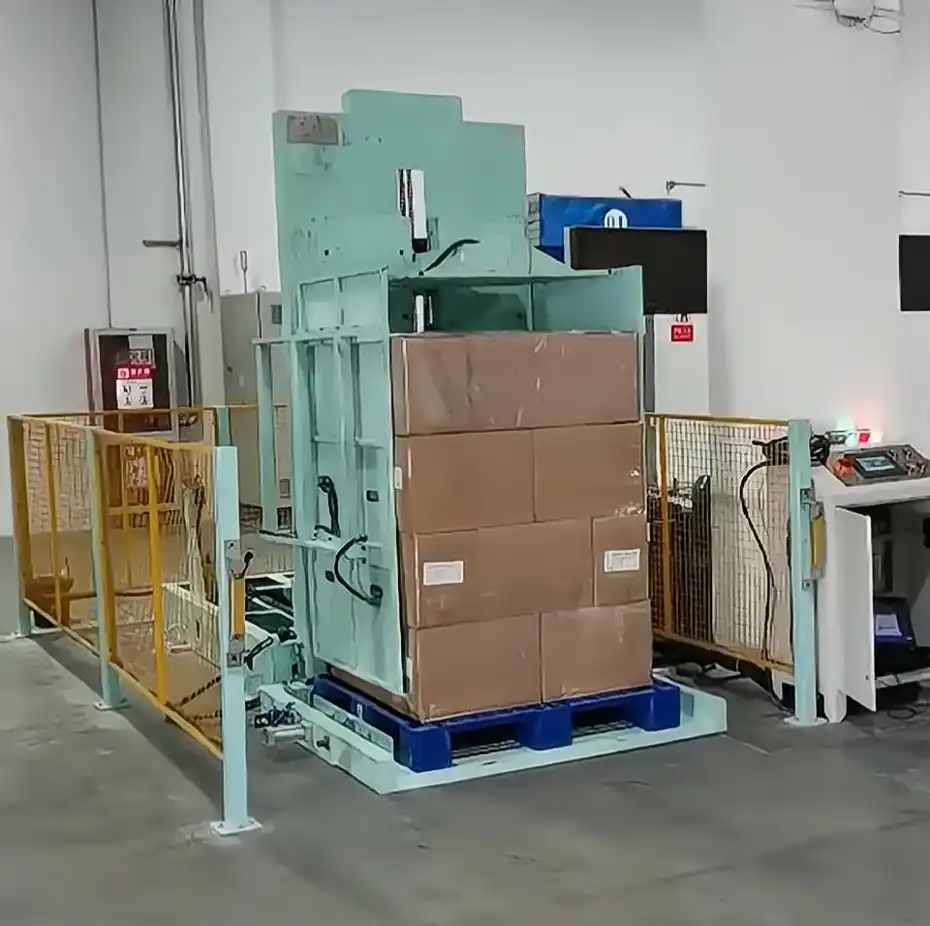
My experience working with many packing machine factories has shown me the real impact of these varying standards. A company like Carlos’s, dealing with food and beverages, handles many different products. Each product might need to go to different countries. This means they cannot just pick one pallet and use it everywhere. The challenges go beyond just the physical size of the pallet.
Here are some specific logistical headaches:
- Warehouse Management:
- Space Usage: Storing multiple pallet types needs more space. It also means less efficient use of your current warehouse layout. You might need separate areas for Euro, US, and plastic pallets.
- Inventory Control: Managing different pallet inventories adds complexity. It increases the chance of using the wrong pallet for a shipment.
- Equipment Compatibility: Forklifts, pallet jacks, and automated systems are often designed for specific pallet sizes. Using incompatible equipment can cause breakdowns or accidents.
- Operational Inefficiencies:
- Manual Handling Bottlenecks: The most common way to switch pallets without a machine is by hand. This involves transferring each item or stack from one pallet to another. This is slow. It needs many workers. It creates bottlenecks in the shipping process, especially when thousands of pallets are involved daily.
- Increased Labor Costs: More manual labor means higher wage costs. It also leads to increased overtime during peak seasons. As Carlos notes, finding workers for high-intensity manual tasks is getting harder.
- Higher Risk of Error: Human error is always a factor. Workers might load items onto the wrong pallet type. This leads to compliance issues at customs. It also means re-working shipments.
- Safety Concerns:
- Worker Injuries: Manually lifting and moving heavy products or even entire pallet loads is dangerous. Workers can suffer back injuries, sprains, or crushing accidents. I have heard many stories of such incidents. These accidents raise insurance costs. They also impact worker morale.
- Product Damage: During manual transfer, products can fall, tip, or get squashed. For delicate items or food products, this results in significant waste.
- Legal Liability: If an accident happens due to unsafe manual operations, the company can face legal action.
These headaches directly affect a company’s ability to compete. They reduce efficiency. They increase costs. They also make it harder to meet customer demands for quick delivery. Finding a solution that streamlines pallet changes is not just about convenience; it is about business survival and growth in the global market.
Can pallet inverters truly simplify complex pallet changeovers for export?
You might wonder if there is a real solution to these pallet changeover problems. Is there a way to make it simple? The answer is yes. Pallet inverters are designed to tackle exactly these kinds of complex logistical challenges. They take a process that used to be slow, dangerous, and error-prone. They turn it into something efficient and safe. This means your goods move faster and smarter.
Pallet inverters can truly simplify complex pallet changeovers for export by automating the transfer process. These machines allow operators to quickly and safely swap out pallets without touching the product itself. They can handle full pallet loads, moving goods from, say, a domestic wooden pallet to a plastic or export-compliant wooden pallet. This automation greatly reduces manual labor, cuts down on transfer time, and minimizes the risk of product damage and worker injury. It makes pallet changes fast, reliable, and compliant.
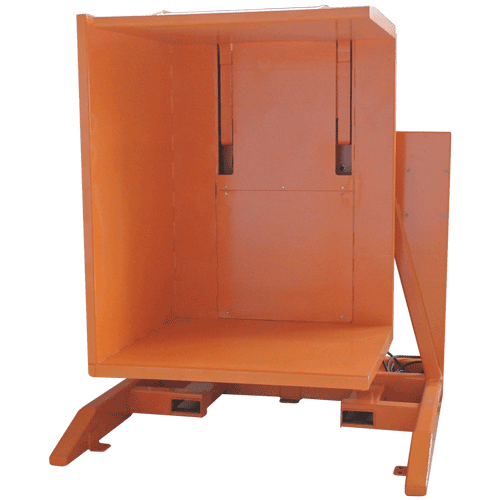
From my years helping clients, I have seen the transformation a pallet inverter brings to a warehouse. Companies like Carlos’s, which handle thousands of pallets daily, gain huge benefits. A pallet inverter does not just flip pallets; it offers a controlled, mechanical way to change them. This means the goods stay stable and secure during the transfer.
Here is how pallet inverters simplify the process:
- Full Load Transfer:
- No Product Handling: The biggest advantage is that the product stays on its original pallet or within a clamping mechanism. You do not need to unload items one by one. This saves a lot of time and labor. It also greatly reduces the risk of damage.
- Speed and Efficiency: A pallet inverter can complete a full pallet changeover in just a few minutes. Compared to manual methods, this is incredibly fast. It allows for high throughput, keeping up with demanding export schedules.
- Handles Various Loads: These machines can handle a wide range of product types and weights. This includes delicate food items, beverages, and industrial goods. This versatility makes them suitable for diverse operations.
- Improved Safety:
- Reduced Manual Effort: Pallet inverters remove the need for workers to manually lift, tilt, or transfer heavy loads. This significantly lowers the risk of back injuries, sprains, and other accidents. This helps address the labor shortage problem Carlos faces. Young workers are more likely to want jobs that are safe and use modern equipment.
- Stable Operation: The machines are designed for stability. They hold the load securely during the entire transfer process. This prevents goods from falling or shifting. It keeps both products and personnel safe.
- Compliance with Safety Standards: Modern pallet inverters come with safety features like emergency stops and safety guarding. They help businesses meet workplace safety regulations.
- Versatility and Adaptability:
- Multiple Pallet Types: Pallet inverters can swap products between almost any combination of pallets. This includes wood to plastic, Euro to GMA, or even damaged pallets to new ones. This adaptability is key for businesses dealing with diverse export markets.
- Different Machine Types: There are various types of pallet inverters. Some are mobile for flexibility. Others are static and integrated into production lines for maximum automation. This allows businesses to choose the best solution for their specific needs and warehouse layout.
- Ergonomic Benefits: Beyond safety, these machines improve the overall ergonomics of the workplace. Workers operate controls rather than perform strenuous physical tasks. This leads to a more comfortable and productive work environment.
By making pallet changes fast, safe, and efficient, pallet inverters directly solve many of the complex logistical headaches. They move your products closer to their international destination without the usual stress and delays.
Beyond compliance, what other benefits do pallet inverters offer for export operations?
Compliance is a big deal, we know that. But what if a single piece of equipment could do more than just help you follow the rules? What if it could actually make your entire export operation better in many other ways? This is exactly what pallet inverters offer. They bring a range of benefits that go far beyond just meeting export standards. These benefits can change how you do business.
Beyond compliance, pallet inverters offer significant benefits for export operations by enhancing overall efficiency and reducing costs. They decrease labor needs, improve workplace safety, and minimize product damage. They also make the supply chain more agile. This lets companies quickly adapt to changing market demands. Such machines increase throughput, lower operational expenses, and boost customer satisfaction by ensuring timely and accurate deliveries.
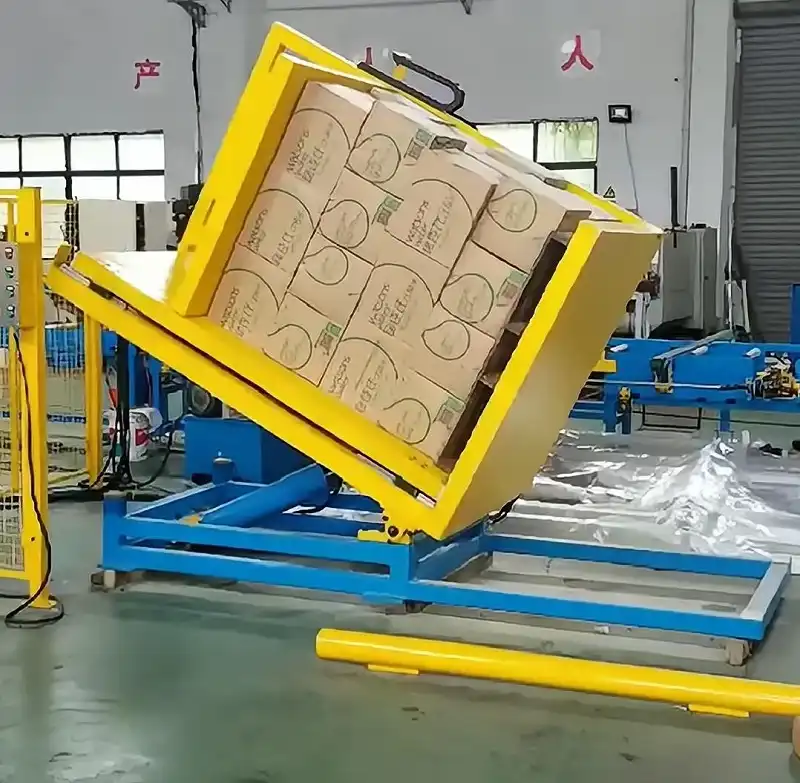
My experience has shown me that companies often buy equipment to solve one problem. Then, they discover a whole list of other advantages. Pallet inverters are a perfect example of this. For a supply chain head like Carlos, these extra benefits are very important. They directly affect the bottom line and overall operational excellence.
Here are the additional benefits that pallet inverters bring:
- Significant Cost Reduction:
- Lower Labor Costs: As discussed, automation means fewer workers are needed for pallet changes. This is critical in areas facing labor shortages and rising wages. I have seen clients reduce their team dedicated to manual pallet handling by half.
- Reduced Damage Costs: Less manual handling means fewer dropped or damaged goods. For food and beverage products, this reduces waste and improves profitability. It also cuts down on costly returns and claims.
- Lower Insurance Premiums: A safer workplace with fewer accidents often means lower insurance costs for workers’ compensation.
- Space Optimization: Using pallet inverters can streamline workflows. This allows better use of warehouse space. You might not need as much area for staging manual pallet changes.
- Enhanced Operational Efficiency:
- Increased Throughput: With faster pallet changes, more goods can move through the warehouse daily. This helps meet tight delivery schedules, especially for e-commerce and retail clients.
- Reduced Bottlenecks: Manual pallet changes often create choke points. Pallet inverters eliminate these, ensuring a continuous flow of goods to shipping.
- Standardization: Using machines brings consistency to the process. This reduces variations and improves predictability in logistics planning.
- Faster Loading/Unloading: Efficient pallet changes mean trucks spend less time at the loading dock. This improves vehicle utilization and reduces transport costs.
- Improved Workplace Safety and Ergonomics:
- Elimination of Hazardous Tasks: The machines take over tasks that involve heavy lifting and awkward movements. This makes the job much safer for employees.
- Better Work Environment: A safer environment means happier employees. It reduces staff turnover. This is important when labor is scarce.
- Compliance with Safety Regulations: Investing in automated solutions shows a commitment to worker safety. This helps meet safety regulations and avoid potential fines.
- Greater Flexibility and Adaptability:
- Rapid Response to Market Changes: If a new export market opens with different pallet requirements, an inverter lets you adapt quickly. You do not need to re-engineer your whole process.
- Handle Seasonal Peaks: During busy seasons, the speed of a pallet inverter helps manage higher volumes without needing a huge temporary workforce.
- Integration with Automation: Pallet inverters can integrate with other automated systems, like conveyors. This creates a more seamless and fully automated packing line.
These benefits make a strong case for integrating pallet inverters into any modern export operation. They are not just about fixing a problem; they are about building a more resilient, efficient, and profitable supply chain.
Conclusion
Pallet inverters are essential tools for modern export logistics. They ensure compliance with diverse international pallet standards, preventing costly delays and penalties. Beyond compliance, these machines significantly boost efficiency, reduce labor costs, improve safety, and minimize product damage. Investing in a pallet inverter creates a more resilient and competitive supply chain, helping businesses thrive in global trade.








