
Why is a pallet inverter a better choice than manual pallet exchange in logistics hubs?
Imagine your warehouse floor. Forklifts are humming, goods are moving, but then you hit a snag. That critical point where pallets need changing. If you rely on manual methods, you know the frustration. It slows everything down. This bottleneck affects your entire operation, from dispatch times to customer satisfaction. Are you seeing constant delays and rising costs because of this one task? It is a problem many logistics managers face every day.
A pallet inverter is a significantly better choice than manual pallet exchange in logistics hubs because it drastically improves operational efficiency, enhances worker safety, reduces labor costs, and ensures compliance with diverse international pallet standards, all while minimizing product damage.
But how exactly do these machines transform your operations? Let us dive deeper into the core benefits that make a pallet inverter a strategic asset for any modern logistics center, especially when you are handling thousands of pallets daily for international export.
Why is manual pallet exchange a major bottleneck in modern logistics?
Do you ever feel like your warehouse flow grinds to a halt at the pallet change station? Manual pallet exchange feels like a necessary evil. But it is more than just a task. It is a drain on your valuable time and resources. This constant slowdown creates a ripple effect. It impacts delivery schedules and raises stress levels for your team. This is a common scene, especially in busy hubs like yours, where thousands of pallets move daily.
Manual pallet exchange creates severe bottlenecks by being slow, labor-intensive, and prone to errors. This significantly hinders the high-speed demands of modern logistics hubs and directly impacts your ability to meet tight schedules.

When I started my journey in the packing machine industry, I saw this problem firsthand. Manual processes were always the weakest link. They limited how fast a factory could grow. This insight was key when I founded FHOPEPACK. I knew we had to find solutions that empower businesses. We had to remove these bottlenecks.
- Time is Money, and Manual is Slow: Each time you manually switch a pallet, it takes precious minutes. In a warehouse handling thousands of pallets daily, these minutes add up. They become hours of lost productivity. This directly impacts your ability to meet tight delivery schedules. It also affects the overall speed of your supply chain. For example, if each switch takes 3 minutes and you do 500 changes per day, that is 1,500 minutes, or 25 hours, lost daily.
- Labor-Intensive Work: Manual pallet exchange requires multiple workers. They must perform repetitive and often physically demanding tasks. This pulls them away from other important duties. It also adds to your labor costs. With rising wages and a shrinking workforce, this becomes a major issue. Carlos, I know you face challenges in finding people willing to do high-intensity lifting. This is exactly where automation steps in to help.
- High Risk of Human Error: People make mistakes. Dropped goods, incorrect pallet types, or damage to products can happen during manual transfers. These errors cost time and money to fix. They lead to rework. They also cause delays. This impacts customer satisfaction and can even lead to financial penalties for late or incorrect shipments.
- Operational Choke Point: The manual pallet exchange becomes a literal choke point in the logistics flow. It cannot keep up with the pace of receiving and dispatch. This creates queues and backlogs. This slows down the entire movement of goods through your facility. It limits your warehouse’s overall throughput capacity.
Are manual pallet operations truly safe and cost-effective for your team?
Think about the physical strain your team endures when manually changing pallets. The heavy lifting, the awkward positions, the constant risk of injury. This is not just a safety concern. It is a hidden cost impacting your bottom line through medical bills, lost workdays, and higher insurance premiums. Are you really saving money when your team is at risk? For a pragmatic manager like you, Carlos, safety and cost-effectiveness must go hand in hand.
Manual pallet operations pose significant safety risks like injuries and product damage. They also increase labor costs and make it harder to attract and retain warehouse staff. This makes them far from cost-effective in the long run.

I have seen the impact of accidents firsthand. A single workplace injury can disrupt an entire operation. It is not just about the immediate costs. It is about the morale of your team. It is about showing you care. When I designed machines for FHOPEPACK, worker safety was always a top priority. A good machine protects your team and your business.
- Increased Safety Risks and Accidents: Manual handling of heavy pallets is a major cause of workplace injuries. Workers can suffer back strains, sprains, or more serious injuries from falling goods or improper lifting. Carlos, you mentioned several accidents already. This is a critical issue that a mechanical solution can solve. It removes the need for manual flipping or shifting, protecting your staff.
- Higher Compensation and Insurance Costs: Each injury leads to medical expenses and workers’ compensation claims. These costs directly impact your company’s finances. They also lead to higher insurance premiums over time. Investing in safety equipment is often cheaper than dealing with the aftermath of an accident. It is a proactive step to save money.
- Exacerbating Labor Shortages: High-intensity manual jobs are increasingly unpopular among younger workers. This makes it hard to find and retain warehouse staff. Carlos, you face rising labor costs and a scarcity of willing workers. Automating these tasks helps you keep your existing team safe. It also makes your warehouse a more attractive place to work.
- Risk of Product Damage: When people manually transfer goods, there is always a risk of dropping or damaging products. This results in waste. It leads to financial loss. It also impacts customer satisfaction. An automated system handles products with consistent precision. This drastically reduces the chance of damage.
How does an automatic pallet inverter handle diverse international requirements?
Your multinational food and beverage group operates across Europe. This means dealing with different pallet specifications every single day. Euro pallets, US pallets, plastic pallets – the variety is endless. Trying to switch these manually is a logistical nightmare. It often leads to compliance issues, delays, and unhappy customers. Does this constant challenge of differing standards sound familiar? There is a better way to ensure your goods meet every international rule.
An automatic pallet inverter expertly manages diverse international pallet standards like Euro and US formats. It ensures swift and compliant changes, which prevents delays and satisfies stringent client demands in global logistics.
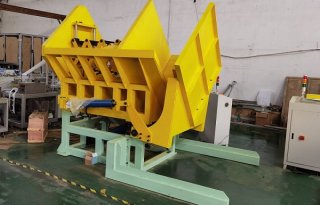
My clients, many of whom have grown their businesses globally, often struggled with this. I remember one client who faced constant fines because his manual pallet changes did not meet strict export regulations. That is when I knew FHOPEPACK needed to offer machines that were flexible and reliable. Our goal is to make these complex challenges simple for you.
- Managing Multiple Pallet Formats: International trade demands handling many types of pallets. Euro pallets are common in Europe. US standard pallets are different. You also have plastic pallets and other specialized types. Manual switching between these different sizes is slow. It is also hard to standardize. An automatic inverter can adapt to various dimensions and materials.
- Ensuring Compliance with Regulations: Different countries have strict import and export rules. For example, ISPM 15 applies to wooden pallets. Automated systems help maintain full compliance easily. They ensure correct pallet changes. This helps avoid fines, customs delays, and rejected shipments. Carlos, this is crucial for your export business.
- Meeting Customer Expectations: Your clients expect fast, accurate, and compliant deliveries. They do not want damaged goods or incorrect pallet types. An inverter makes sure goods are on the correct pallet every time. This boosts customer trust. It also improves your brand’s reputation for reliability.
- Reducing Errors and Delays in Global Trade: Automating pallet changes removes human error from the process. It speeds up the entire operation significantly. This means faster dispatch times. It helps you meet tight international delivery deadlines. This is especially important when shipping perishable goods or facing short delivery windows.
What strategic advantages does a pallet inverter bring to your entire supply chain?
Are you looking beyond just fixing immediate problems? Do you want solutions that position your company for long-term growth and success? Relying on short-term fixes for pallet handling can hold back your entire supply chain. It prevents you from achieving true operational excellence. You are a pragmatic, results-oriented manager, Carlos. You need a partner who understands your long-term vision. You need equipment that supports it.
A pallet inverter offers strategic advantages by boosting overall supply chain efficiency. It ensures long-term reliability. It acts as a foundational investment that reduces operating costs, improves safety, and adapts to future growth.
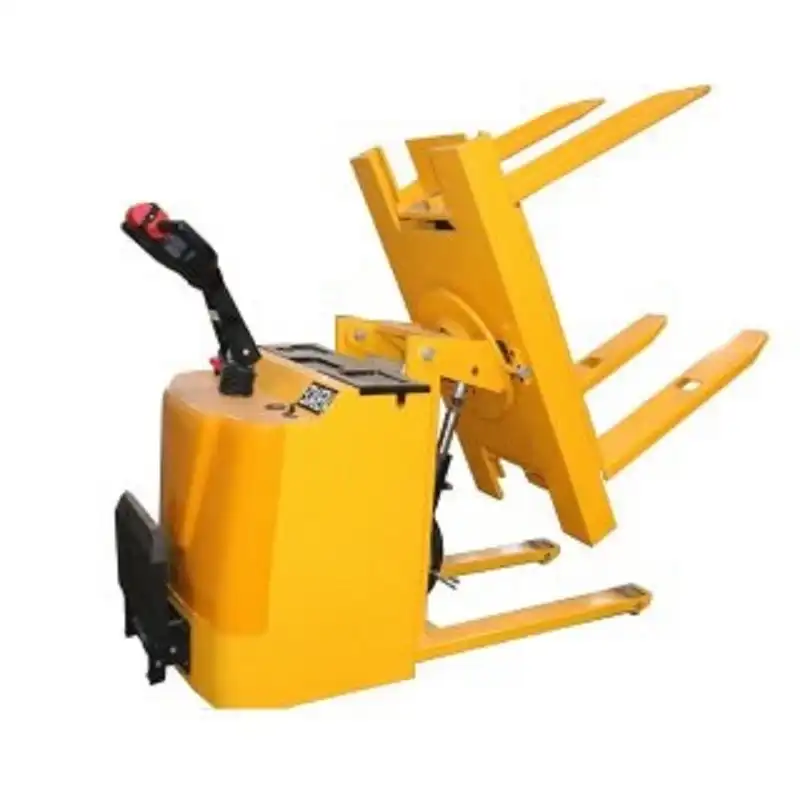
When I decided to establish my own successful packing machine factory, it was because I saw the need for truly reliable and strategic solutions. I wanted to help clients not just buy a machine, but invest in their future. FHOPEPACK is more than just a supplier. We are a knowledge-sharing platform. We want to be your partner who understands your biggest pain points. We are here to help you grow.
- Enhanced Overall Supply Chain Flow: An automatic inverter speeds up the pallet handling stage. This smoothes out the entire supply chain. It removes a key bottleneck that slows down the movement of goods. This means products can flow faster from your warehouse to your customers. It improves your overall supply chain responsiveness.
- Significant Long-Term Cost Savings: Investing in an inverter means lower labor costs over time. Fewer accidents lead to lower medical and insurance expenses. Less product damage saves money on replacements and returns. These savings are substantial. They contribute to a healthier bottom line for your company year after year.
- Improved Customer Satisfaction and Retention: Faster, more accurate, and compliant deliveries lead to happier customers. Meeting stringent delivery timelines and ensuring product integrity builds trust. This fosters stronger client relationships. It helps retain customers in a competitive market.
- Future-Proofing Your Warehouse Operations: As your business grows, so does your need to handle more volume. An automated system scales easily. It prepares your warehouse for increased demands. This makes it a smart, forward-thinking investment in technology. It helps you stay ahead of competitors.
- Building a Reliable Partnership: You are looking for a partner who understands warehouse automation, not just a seller. FHOPEPACK is committed to long-term support and reliable machines. We focus on providing solutions that integrate seamlessly into your operations. This ensures continuous performance and peace of mind.
Conclusion
Pallet inverters are a superior choice for logistics hubs. They boost efficiency, enhance safety, cut costs, and ensure compliance. This makes them a smart, strategic investment. For operations handling high volumes and diverse international needs, a pallet inverter is key to future success.








