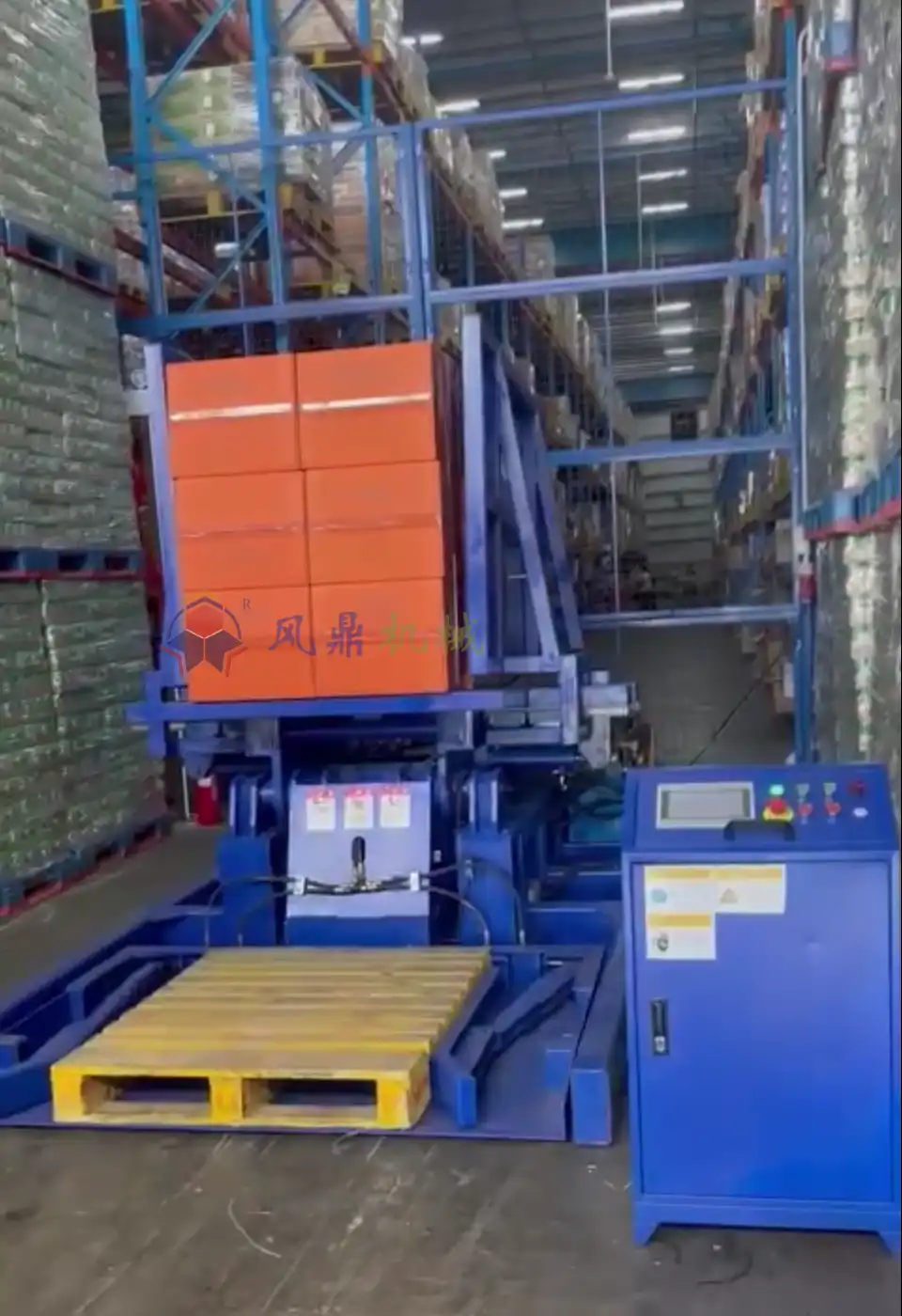
What technical advantages do pallet inverters offer in low-temperature operations?
Are you struggling with pallet handling in your cold storage or freezer facilities? Do you worry about equipment breakdown, employee safety, or simply keeping things moving in those harsh, unforgiving environments? The truth is, standard machinery often buckles under the extreme stress of low temperatures, leaving you with costly downtime and operational headaches.
Pallet inverters designed for low-temperature operations offer critical technical advantages like specialized materials, robust construction, enhanced lubrication systems, and intelligent heating elements to ensure reliable performance, improved safety, and sustained efficiency in freezing conditions where standard equipment fails. These machines are built to withstand the unique challenges of cold storage, protecting both your products and your people.
Understanding these specialized advantages can truly transform your cold chain logistics. It is not just about moving pallets. It is about maintaining product integrity, ensuring worker safety, and keeping your entire operation running smoothly, even when the mercury drops. Let us look closer at what makes these systems so crucial for cold environments.
Why are standard machines no match for freezing environments?
Does your equipment struggle when temperatures plummet? Many businesses discover that what works well in a warm warehouse simply breaks down in a freezer. The unique stresses of low temperatures can turn even the most robust standard machines into unreliable assets, causing frequent interruptions and unexpected costs.
Standard machinery often fails in low-temperature environments because cold causes materials to become brittle, lubricants to thicken, and electronic components to malfunction, leading to increased wear, reduced efficiency, and frequent breakdowns. These machines are not engineered to handle the constant contraction, expansion, and extreme cold that define a refrigerated or frozen warehouse, making them unsuitable for critical tasks like pallet inversion.
From my time in the packing machine industry, I have seen firsthand how challenging cold can be for equipment. It is not just about the cold air itself. It is about how that cold changes everything. Think about it: metal shrinks, plastic gets brittle, and even the air itself can carry moisture that turns into ice. This makes everyday operations much harder. Here is why standard machines just do not cut it:
-
Material Brittleness and Fatigue:
- The Problem: Many common metals and plastics used in standard machinery lose their flexibility and become brittle at low temperatures. This means they are more prone to cracking and breaking under stress, impact, or vibration.
- The Impact: Imagine a moving part that usually flexes. In the cold, it might snap instead. This leads to broken components and frequent repairs. It also increases the risk of parts failing suddenly during operation.
- Example: A standard steel chain might handle heavy loads fine at room temperature. In a freezer, the steel can become much more susceptible to breaking under the same load. This risk is amplified in systems with repetitive movements, like a pallet inverter.
- Carlos’s Concern: For someone like Carlos, who values reliable equipment, brittle materials mean unreliable operations. Downtime is expensive, especially in a fast-paced food and beverage distribution center.
-
Lubrication System Failures:
- The Problem: Standard lubricants are designed for typical ambient temperatures. In cold environments, these lubricants can thicken significantly, or even freeze. This stops them from flowing properly.
- The Impact: When lubrication fails, metal parts rub directly against each other. This causes extreme friction, rapid wear, and overheating in localized spots, even within a cold environment. It can also cause motors to work harder, consuming more energy and potentially burning out.
- Example: Imagine trying to turn a gear that is coated in very thick, molasses-like grease. It takes a lot more force. For a pallet inverter, this means motors straining and moving parts grinding down quickly.
- Carlos’s Concern: Reduced efficiency and higher energy consumption go against Carlos’s goal of lowering operational costs. Unlubricated parts also mean more breakdowns, directly affecting his need for reliable systems.
-
Electronic and Electrical Issues:
- The Problem: Electronic components, sensors, and wiring are very sensitive to temperature changes. Extreme cold can cause condensation inside control panels, leading to short circuits. Wires can become stiff and crack. LCD displays can stop working.
- The Impact: A machine with faulty electronics is unpredictable. Sensors might give wrong readings. Control systems might freeze or shut down unexpectedly. This means the machine either stops working or operates incorrectly, creating safety risks and product damage.
- Example: A simple proximity sensor might fail to detect a pallet, causing the inverter to stop mid-cycle. Or, a touch screen HMI might become unresponsive, preventing operators from controlling the machine.
- Carlos’s Concern: Carlos needs his warehouse operations to be compliant and efficient. Electronic failures can jeopardize both. If a machine malfunctions, it can cause delays, damage products, and lead to penalties.
-
Energy Consumption and Condensation:
- The Problem: Machines working in cold environments require more energy. Motors work harder due to thicker lubricants. Also, temperature differences can cause condensation, which then freezes.
- The Impact: Ice formation can block moving parts, damage electrical connections, and create unsafe conditions. Higher energy consumption means higher running costs.
- Example: If warm air from a motor meets cold air, condensation can form inside the motor housing. This moisture can then freeze, damaging windings or bearings.
- Carlos’s Concern: Higher energy costs directly impact his goal of reducing operational expenses. Ice formation also brings safety risks, which Carlos is keen to avoid given past accidents.
These factors make it clear: a standard pallet inverter is simply not built for the cold. It is a recipe for frustration and financial drain. This is why specialized engineering is not just an option. It is a necessity for cold storage operations.
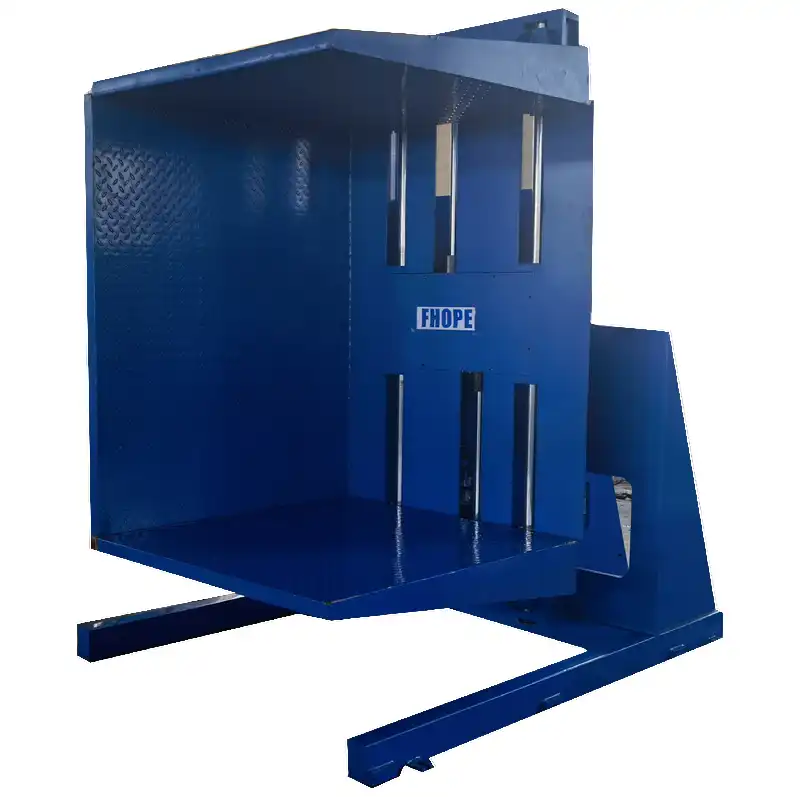
What specialized designs make pallet inverters durable in the cold?
Are you wondering how some pallet inverters can reliably operate in sub-zero temperatures while others cannot? The secret lies in their specialized design and material choices. It is not just about putting a machine in a cold room. It is about building it from the ground up to defy the cold.
Specialized designs make pallet inverters durable in the cold by incorporating robust, cold-resistant materials like stainless steel for structural components, specific polymers for seals, and specialized low-temperature wiring. These designs also include features like heated control panels, sealed bearings, and enhanced protective coatings, all engineered to prevent the adverse effects of freezing temperatures on machinery.
When I started FHOPEPACK, I knew that true innovation meant solving real-world problems. For cold storage, this meant going beyond standard construction. We focus on materials and design principles that ensure durability, even in the harshest freezer environments. Here are the core technical advantages in design:
-
Cold-Resistant Structural Materials:
- The Choice: Manufacturers use materials that retain their strength and flexibility at low temperatures. The most common choice is high-grade stainless steel. Other specialized alloys and polymers might also be used.
- The Benefit: Stainless steel is resistant to corrosion, which is important when dealing with condensation and ice. More importantly, certain grades of stainless steel maintain their impact strength and do not become brittle in freezing conditions. This prevents structural failures and ensures the machine can withstand daily operational stresses.
- Comparison: Standard carbon steel can become very brittle and crack easily in cold. Stainless steel offers a much longer service life and better safety in these environments.
- Carlos’s Interest: Carlos needs reliable equipment that lasts. The use of durable, cold-resistant materials directly addresses his need for long-term stability and reduced maintenance.
-
Specialized Bearings and Seals:
- The Innovation: Bearings in cold-rated pallet inverters are often sealed and pre-lubricated with special, low-temperature grease. Seals are made from materials like silicone or specific synthetic rubbers that remain flexible and do not crack in the cold.
- The Benefit: Standard bearings can seize up as their grease thickens or freezes. Specialized bearings ensure smooth operation with minimal friction. Cold-resistant seals prevent moisture ingress, stopping ice from forming around moving parts and protecting internal components from cold damage.
- Performance: These components ensure that the machine’s moving parts, like rollers and pivot points, continue to operate fluidly without excess strain on motors.
- Carlos’s Interest: Smooth operation means higher efficiency and less wear. This directly contributes to Carlos’s goal of improving automation levels and reducing operational costs.
-
Enhanced Electrical Components and Wiring:
- The Upgrade: Electrical wiring uses insulation that remains flexible and does not crack at low temperatures, often made from PVC compounds or specific rubber materials. Control panels are frequently heated and sealed to prevent condensation and protect sensitive electronics.
- The Benefit: Flexible wiring prevents breakage from repeated movement or impact. Heated and sealed control panels ensure that the machine’s brain stays dry and operational, preventing short circuits and electronic malfunctions. This ensures consistent communication between sensors and actuators.
- Reliability: These measures ensure the machine’s control system remains highly responsive and reliable, even in deep freezers.
- Carlos’s Interest: Consistent and reliable control is essential for Carlos to maintain compliance and avoid costly operational errors or delays caused by electronic failures.
-
Corrosion Protection and Protective Coatings:
- The Application: Beyond stainless steel, some components receive specialized coatings. These coatings provide an extra layer of protection against corrosion and the erosive effects of ice formation and melting.
- The Benefit: These coatings extend the lifespan of components, especially in areas where condensation is unavoidable. They prevent rust, which can weaken parts and lead to premature failure.
- Maintenance: Reduced corrosion means less frequent need for repairs and part replacements, lowering the overall maintenance burden.
- Carlos’s Interest: This focus on longevity and reduced maintenance aligns perfectly with Carlos’s desire for a long-term partner and robust equipment that minimizes total cost of ownership.
By carefully selecting and designing these elements, pallet inverters can offer unparalleled durability and performance in low-temperature environments. It is this attention to detail that sets them apart and makes them a smart investment for cold chain operations.
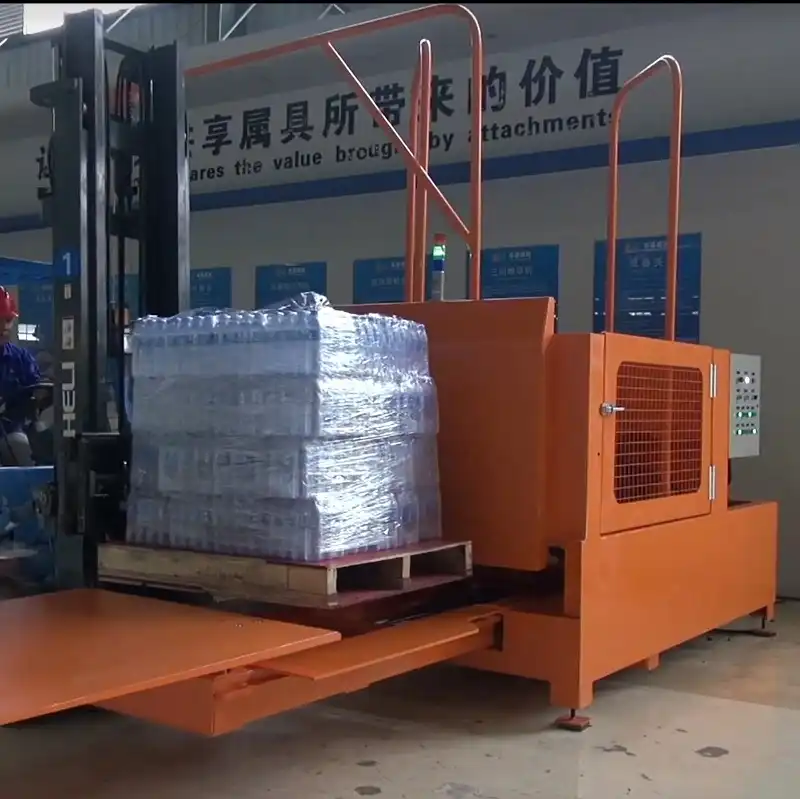
How do these machines ensure smooth, energy-efficient operation at low temperatures?
Is maintaining operational efficiency and managing energy costs a constant battle in your cold storage facility? Low temperatures can turn simple tasks into energy drains and cause machines to sputter. It is a critical challenge, especially for businesses where every penny and every minute counts.
Pallet inverters ensure smooth, energy-efficient operation at low temperatures through advanced motor control systems, heated enclosures for critical components, specialized lubrication management, and intelligent power management, all designed to counteract the cold’s adverse effects. These integrated solutions prevent excessive energy consumption while maintaining peak performance and reducing mechanical strain, directly addressing common cold-related inefficiencies.
My goal at FHOPEPACK has always been to build machines that not only work but work smart. This means making them efficient, even in the most challenging conditions. For cold storage, this means tackling energy consumption and ensuring smooth operation head-on. Here is how specialized pallet inverters achieve this:
-
Optimized Motor and Drive Systems:
- The Technology: Low-temperature pallet inverters often use motors specifically rated for cold environments. These motors might have higher torque reserves or be designed with better insulation. They are coupled with Variable Frequency Drives (VFDs) that can adjust power output.
- The Advantage: Standard motors can struggle in the cold due to increased viscosity of lubricants, demanding more power. Cold-rated motors and VFDs precisely control speed and torque, preventing overexertion and unnecessary energy use. VFDs also allow for smooth acceleration and deceleration, reducing mechanical shock on components.
- Energy Savings: By not constantly running at maximum power, these systems use only the energy needed for each operation. This leads to significant energy savings over time, especially in continuous operation environments.
- Carlos’s Benefit: Reducing energy consumption is a direct win for Carlos, helping him achieve his goal of lowering overall operating costs. Smooth operation also means less wear and tear, contributing to the equipment’s lifespan.
-
Integrated Heating Elements and Insulation:
- The Design: Critical components like control cabinets, hydraulic reservoirs, and even certain sensor housings are equipped with small, localized heating elements and robust insulation.
- The Advantage: These heating elements maintain a minimum operational temperature for sensitive parts, preventing condensation, freezing, and material brittleness. Insulation helps to retain this heat efficiently, minimizing energy waste. This ensures that electronics function correctly and fluids remain at an optimal viscosity.
- Reliability: By keeping key areas warm, the machine avoids sudden failures caused by extreme cold. It allows for quick startups and consistent performance, even after long periods of inactivity in a freezer.
- Carlos’s Benefit: This directly addresses reliability concerns. Ensuring components are always ready to perform helps prevent downtime, which is crucial for Carlos’s high-volume operations and meeting tight delivery schedules.
-
Specialized Hydraulic and Pneumatic Systems:
- The Adaptation: If the inverter uses hydraulic or pneumatic power, these systems are equipped with low-temperature fluids that maintain their viscosity in the cold. Hoses and seals are made of materials that stay flexible.
- The Advantage: Standard hydraulic fluids can become too thick to flow, or even freeze, making the system sluggish or completely inoperable. Low-temperature fluids ensure consistent power transmission and rapid response times from the machine’s moving parts. Flexible hoses prevent cracking, which could lead to leaks and system failure.
- Performance: This ensures that the pallet inverter can exert its full force and move with precision, even in deep freeze conditions, without delays or power loss.
- Carlos’s Benefit: This directly relates to the machine’s efficiency and speed. For Carlos, faster pallet switching means higher throughput, helping him meet demanding customer delivery times.
-
Intelligent Control and Monitoring:
- The Feature: Modern cold-rated pallet inverters come with advanced control systems that monitor machine parameters in real-time. They can detect anomalies, adjust operations, and even provide predictive maintenance alerts.
- The Advantage: These systems can monitor motor temperatures, fluid levels, and overall machine health. If a component starts to strain due to cold, the system can alert operators or make small adjustments to prevent failure. This proactive approach minimizes unexpected breakdowns.
- Preventative Maintenance: By providing data on performance in cold, these systems help schedule maintenance before problems become critical, extending the machine’s life and reducing reactive repair costs.
- Carlos’s Benefit: This directly contributes to a reliable operation, reducing the risk of unexpected breakdowns that could lead to financial penalties and customer dissatisfaction. It also supports his need for a long-term, supportive partnership with a supplier.
These technical solutions collectively ensure that pallet inverters operating in cold environments are not just functional, but highly efficient and consistently reliable. They are built to thrive where others merely survive, or fail.
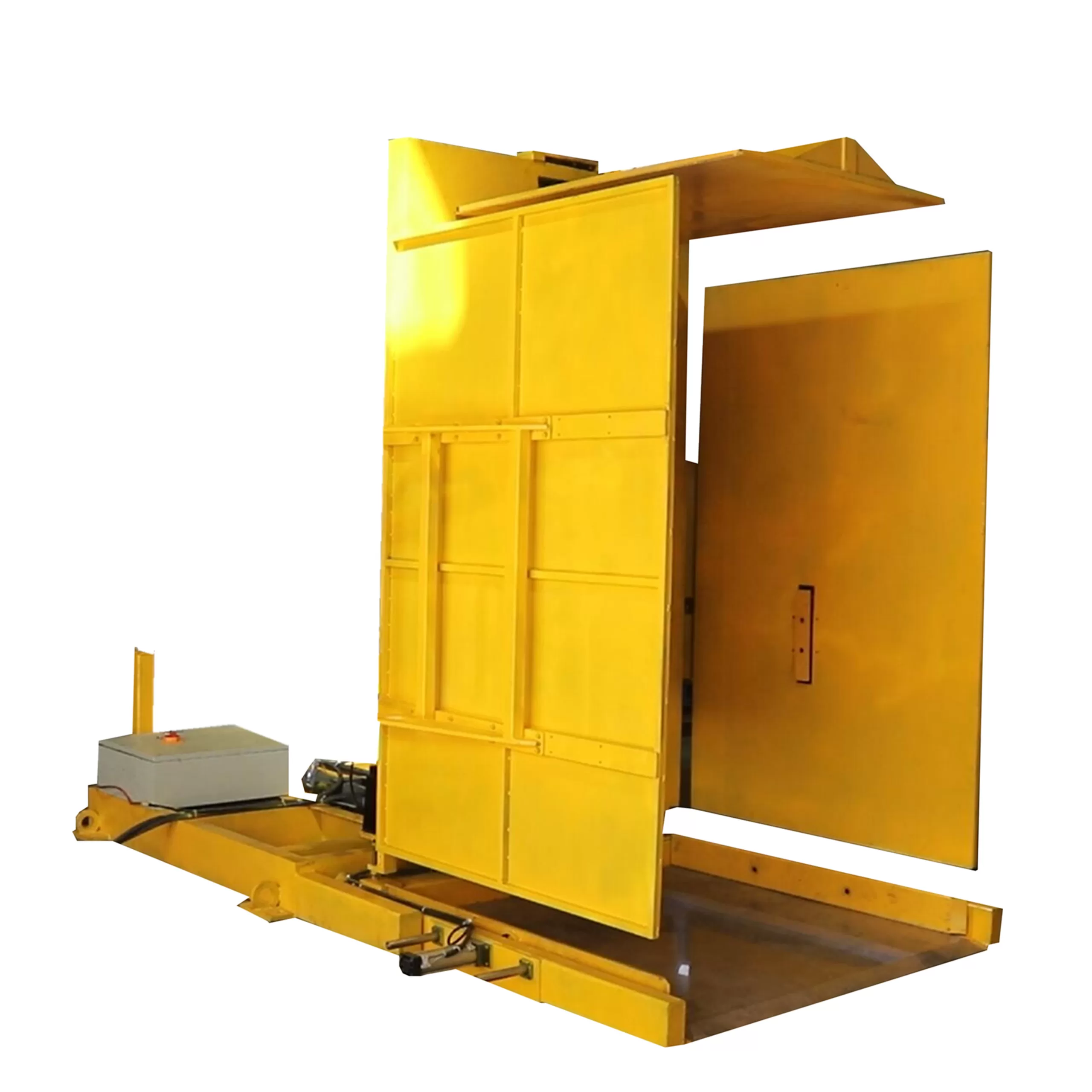
Do cold storage pallet inverters significantly enhance worker safety and product integrity?
Are you constantly worried about accidents in your cold storage, or about damage to valuable products during pallet transfers? The combination of heavy loads, slippery surfaces, and the rush of daily operations can create serious safety risks. It is a major concern for any warehouse manager.
Cold storage pallet inverters significantly enhance worker safety and product integrity by eliminating hazardous manual handling, incorporating advanced safety interlocks, and providing stable, controlled pallet transfers in freezing conditions. These machines reduce the risk of injury from heavy lifting and crushing, prevent product damage from drops or mishandling, and maintain a consistent cold chain, thereby protecting both personnel and valuable inventory.
Safety and product integrity are non-negotiable, especially in environments handling food or other sensitive goods. My own experience building factories has shown me that investing in safety is not just good for people. It is good for business. For Carlos, whose operations demand high compliance and zero errors, these advantages are paramount. Here is how specialized pallet inverters deliver on this promise:
-
Elimination of Hazardous Manual Handling:
- The Risk: In cold storage, manual pallet changing means workers manually lifting, shifting, or tilting heavy loads. This is made even more dangerous by slippery floors, cumbersome protective clothing, and reduced dexterity due to cold. This directly leads to back injuries, crushed limbs, and slips.
- The Solution: Pallet inverters automate the entire process. They grip the load securely, rotate it, or transfer it to a new pallet mechanically. Workers only need to guide the machine or monitor its operation.
- Safety Outcome: This dramatically reduces physical strain on workers. It removes them from direct contact with heavy, potentially unstable loads. It lowers the risk of accidents caused by human error or physical limitations in a challenging environment.
- Carlos’s Priority: Carlos has experienced several accidents due to manual handling. Eliminating these risks is a top priority for him, improving worker well-being and reducing insurance and compensation costs.
-
Robust Safety Features and Interlocks:
- The Engineering: Cold-rated pallet inverters come with a suite of advanced safety features. These include emergency stop buttons that are easy to activate even with gloves, light curtains or pressure mats that stop operation if a person enters a dangerous zone, and physical guards that prevent access to moving parts.
- The Function: These interlocks ensure that the machine cannot operate if a safety barrier is breached or if an emergency is detected. They are designed to respond instantly, even in cold temperatures where electronics can be sluggish.
- Accident Prevention: This prevents accidental contact with moving machinery. It ensures that the machine only operates when it is safe to do so. This is crucial in busy warehouses where multiple tasks happen at once.
- Carlos’s Priority: Enhanced safety features are essential for Carlos to reduce the risk of accidents and ensure a safer working environment for his team, directly addressing his challenges with safety risks.
-
Stable and Controlled Pallet Transfer:
- The Mechanism: Unlike manual methods that involve tilting or sliding, pallet inverters use controlled clamping and rotation. This keeps the product stable throughout the entire transfer process. Some models also offer gentle pushing or pulling mechanisms.
- Product Protection: This controlled movement prevents products from shifting, falling, or being crushed. For delicate items or unstable stacks, this is vital. It maintains the integrity of the packaging and the product inside, especially for frozen goods that might be brittle.
- Reduced Waste: Minimizing product damage means less waste, fewer rejections, and happier customers. This is particularly important for high-value food and beverage products.
- Carlos’s Priority: Ensuring product integrity is critical for a food and beverage group. Avoiding damage means maintaining quality standards and preventing costly write-offs, which helps Carlos guarantee compliance and client satisfaction.
-
Compliance with Hygiene and Cold Chain Standards:
- The Design Choice: Pallet inverters for cold storage are often made with smooth, easy-to-clean surfaces, like stainless steel. Their design minimizes crevices where dirt or ice can accumulate. They also allow for faster, more controlled transfers, reducing exposure time for temperature-sensitive products.
- Hygiene Benefits: The use of food-grade materials and easy-to-clean designs helps maintain strict hygiene standards required in food processing and storage. Reducing manual handling also lessens the chance of contamination.
- Cold Chain Maintenance: Rapid, automated pallet changes mean products spend less time exposed to warmer ambient air. This helps maintain the integrity of the cold chain, crucial for perishable goods.
- Carlos’s Priority: Maintaining compliance and customer satisfaction is a key goal for Carlos. These features directly support both by ensuring product safety, hygiene, and consistent cold chain management.
By integrating these safety and product integrity advantages, cold storage pallet inverters are not just pieces of equipment. They are vital partners in creating a safe, efficient, and compliant cold chain operation. They protect your people, your products, and your bottom line.
Conclusion
Investing in an pallet inverter specifically designed for low-temperature operations offers crucial technical advantages, ensuring reliability, efficiency, safety, and product integrity in challenging cold storage environments. From specialized materials to advanced control systems, these machines address the unique stresses of the cold, providing a robust solution for your cold chain logistics.