
Why Is Full Automation Essential for Steel Coil Packing Lines in Today’s U.S. Plants?
When you manage a busy metal processing plant, you face a lot of pressure. You need to keep things moving. You must produce more products. You also need to keep costs low. And safety is always important. But are old packing methods holding you back? Are they creating hidden problems on your production floor?
Full automation is not just a nice option for U.S. steel coil packing lines anymore. It is essential. It directly solves big problems like slow production, high worker injury risks, and damaged products. It gives plants a clear path to better efficiency and higher profits. My experience building a successful packing machine factory taught me this. Automation lets factories stay competitive and strong.
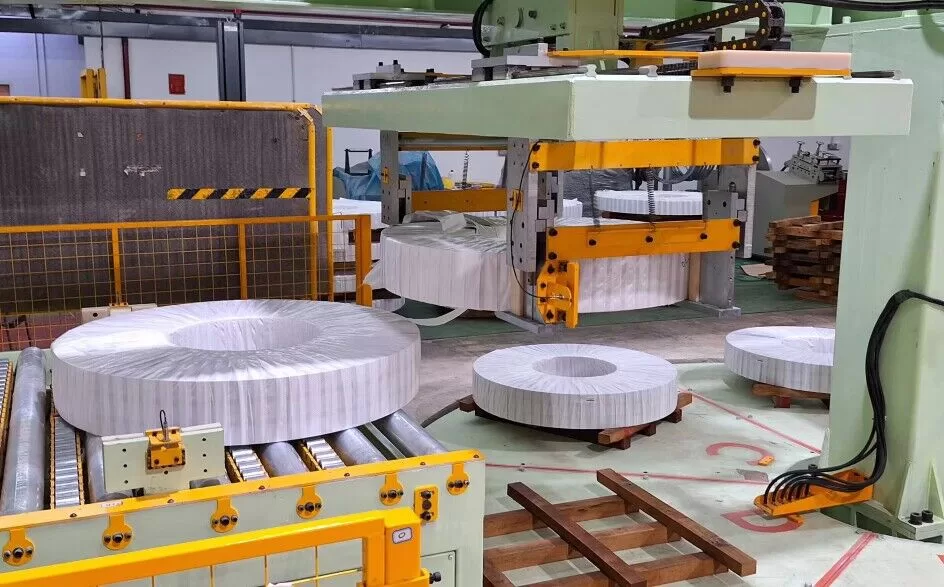
You might still think about manual labor or semi-automatic systems. Many plant managers do. But the real costs of these methods are often higher than you think. They go beyond simple wages. They include hidden losses. They impact your long-term success. Let us look deeper into why full automation is the only real choice for modern U.S. metal plants.
Are Manual Coil Packing Methods Holding Back U.S. Production?
You work hard to optimize every step of your production line. Then you reach the end. The coil and wire packing process starts. This is where many plants see delays. Manual work slows everything down. This creates a bottleneck. It affects your whole factory’s output.
Manual packing processes are slow. They are also not efficient. Workers move heavy coils by hand. They wrap them. They secure them. This takes a lot of time. This slow speed holds back your entire production line. It means you ship fewer products each day. This hurts your profit.

When I started my packing machine factory, I saw this problem everywhere. Factories would invest in fast production machines. Then they would use slow manual packing at the end. It was like running a marathon race but then walking the last mile. This kills efficiency. It lowers overall plant output. Manual processes cannot keep up with high-speed production. They create a “choke point” right before products go out the door. This means your expensive production machines might sit idle. They wait for packing to catch up. This is wasted money. This is wasted time.
Manual packing also means inconsistent quality. Different workers pack coils in different ways. Some might wrap tighter. Some might use less material. This leads to varied packing quality. It can cause problems later during transport. It can also lead to customer complaints. A lack of consistency harms your brand’s reputation. It also makes quality control harder. Automated systems pack every coil the exact same way. They use the same amount of material. They apply the same tension. This ensures high-quality, consistent packing every time. This helps protect your product. It also builds customer trust.
Think about the labor needs. Manual packing needs many workers. These workers must do repetitive, hard tasks. This increases labor costs. It also makes it harder to find and keep workers. High labor turnover is a big issue for U.S. manufacturers. It costs money to train new staff. It takes time. Automation greatly reduces the need for manual labor in this area. It frees up your team. They can do other, more skilled jobs. This is a smart use of your workforce. It also makes your factory more resilient to labor shortages. This is important for future growth.
Is Worker Safety Becoming a Major Cost for U.S. Metal Plants?
Heavy coils and wires must be moved. Workers often handle them by hand. They flip heavy pallets. This is very dangerous work. It creates big safety risks. These risks lead to high costs. They also cause stress for everyone.
Manual handling of heavy metal products causes many injuries. Workers can strain their backs. They can hurt their shoulders. They can even have severe accidents. These injuries mean medical bills. They mean lost workdays. They also mean higher insurance costs for your factory.

I always cared deeply about worker safety. When I built my own factory, I made it a top priority. I saw how accidents affect not just the worker, but the whole team. A single serious injury can stop production. It can lower morale. It can also lead to expensive lawsuits. In the U.S., workplace safety rules are strict. Fines for violations are high. Companies must follow OSHA guidelines very closely. Manual handling often breaks these rules. It puts your company at risk.
Automated systems remove the worker from dangerous areas. Machines handle the heavy lifting. They move coils. They flip pallets. This means workers do not have to touch these heavy items. It greatly reduces the risk of injury. This saves your company money on medical costs. It also lowers insurance premiums. Most importantly, it keeps your workers safe. A safe workplace is a productive workplace. It also helps you attract and keep good employees. Workers want to feel safe at their jobs. A factory with strong safety records has a better reputation. This is good for business.
Beyond physical injuries, manual work leads to fatigue. Tired workers are more likely to make mistakes. They are less efficient. This can lead to more accidents. It can also affect the quality of work. Automation works tirelessly. It does not get tired. It does not make human errors due to fatigue. This means more consistent, safe operations, even during long shifts. This also improves the overall work environment. Workers appreciate a job where their safety is a priority. This reduces employee turnover. It creates a loyal and happy workforce. This is a big win for any plant manager.
Can Automation Stop Product Damage in U.S. Steel Coil Transfer?
You invest a lot in your raw materials. You put effort into your manufacturing process. Then, at the very end, product damage happens. This is common during manual handling and packing. Things like steel coil edges can get bent or scratched. This leads to unhappy customers. It also means less profit for your business.
When workers move coils by hand, accidents happen. They might drop a coil. They might bump it against something. These small incidents cause damage. A bent edge on a steel coil makes it less valuable. Sometimes, the whole coil becomes unusable. This means you lose money. You also face customer complaints.
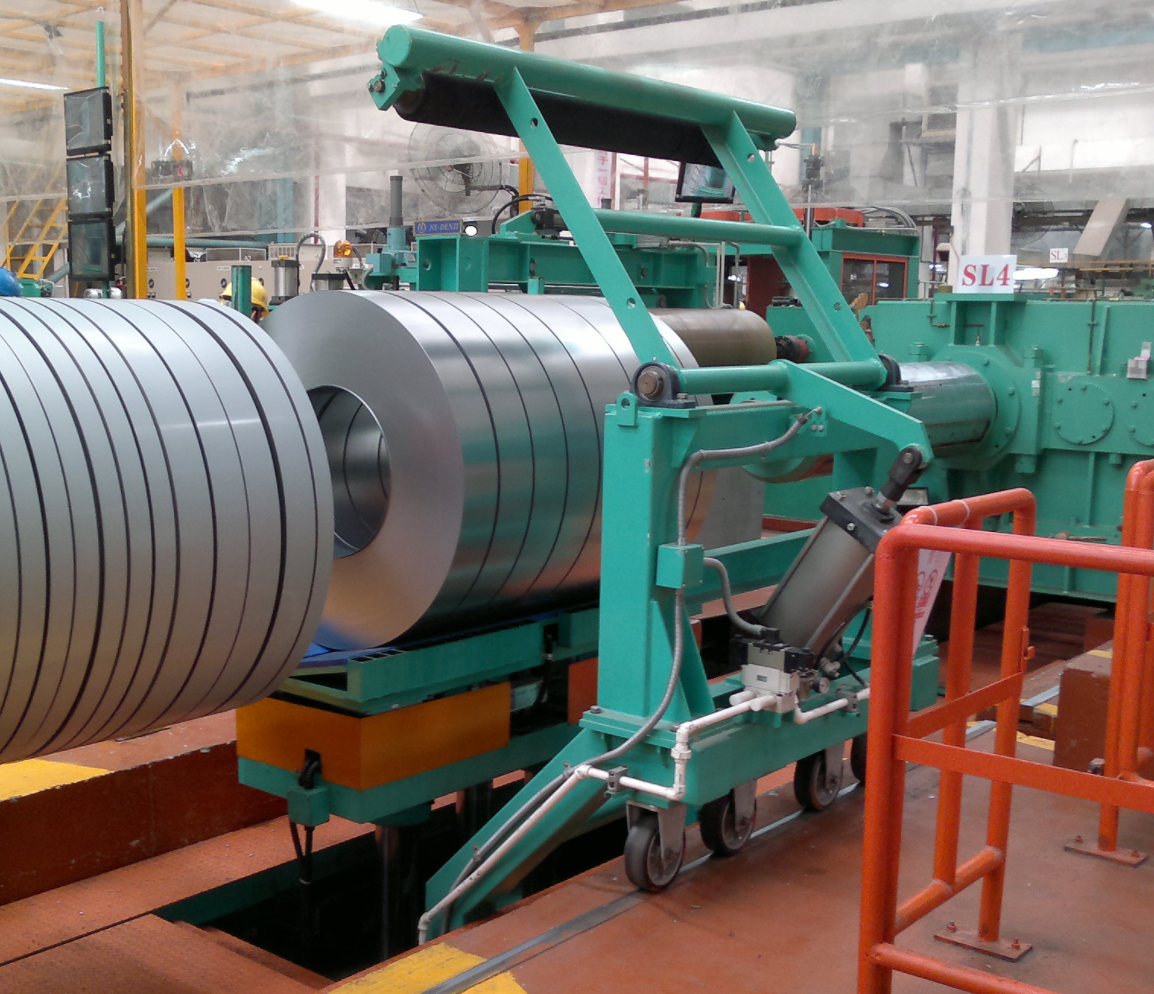
I have helped many clients grow their businesses. One big problem I often saw was product damage. They would be so careful in production. But then manual packing would undo all that effort. One client lost thousands of dollars each month due to damaged coils. This cut deeply into their profits. It also hurt their reputation with buyers. Preventing damage means saving money directly. It also means happy customers.
Automated packing systems handle products with precision. They use robotic arms. They use conveyor systems. These systems are designed to move coils smoothly. They avoid bumps and drops. They keep products secure throughout the packing process. This greatly reduces the risk of damage. It means fewer scrapped coils. It means fewer customer returns. It means more of your product reaches the customer in perfect condition. This directly improves your bottom line. It also protects your brand’s image.
Consider the cost of rework. When products are damaged, you either scrap them or rework them. Rework costs time. It costs labor. It costs materials. It adds to your overall production expenses. Automation reduces the need for rework. It ensures products are handled correctly the first time. This speeds up your delivery times. It also makes your operations more efficient. It also helps you meet tight delivery schedules. This is a big advantage in a competitive market. Less damage means smoother operations and happier customers.
How Do U.S. Plants Find the Right Automation Partner?
Many plant managers have bought equipment before. Some experiences were not good. Some suppliers only focus on selling. They do not offer good support after the sale. This makes you careful about choosing new partners. You want someone who really understands your challenges.
Finding a good partner is about more than just buying a machine. It is about trust. It is about finding someone who knows your industry. You need a partner who understands your production bottlenecks. You need someone who can help with safety issues. You need someone who knows how to boost efficiency. This is what a true partner offers.
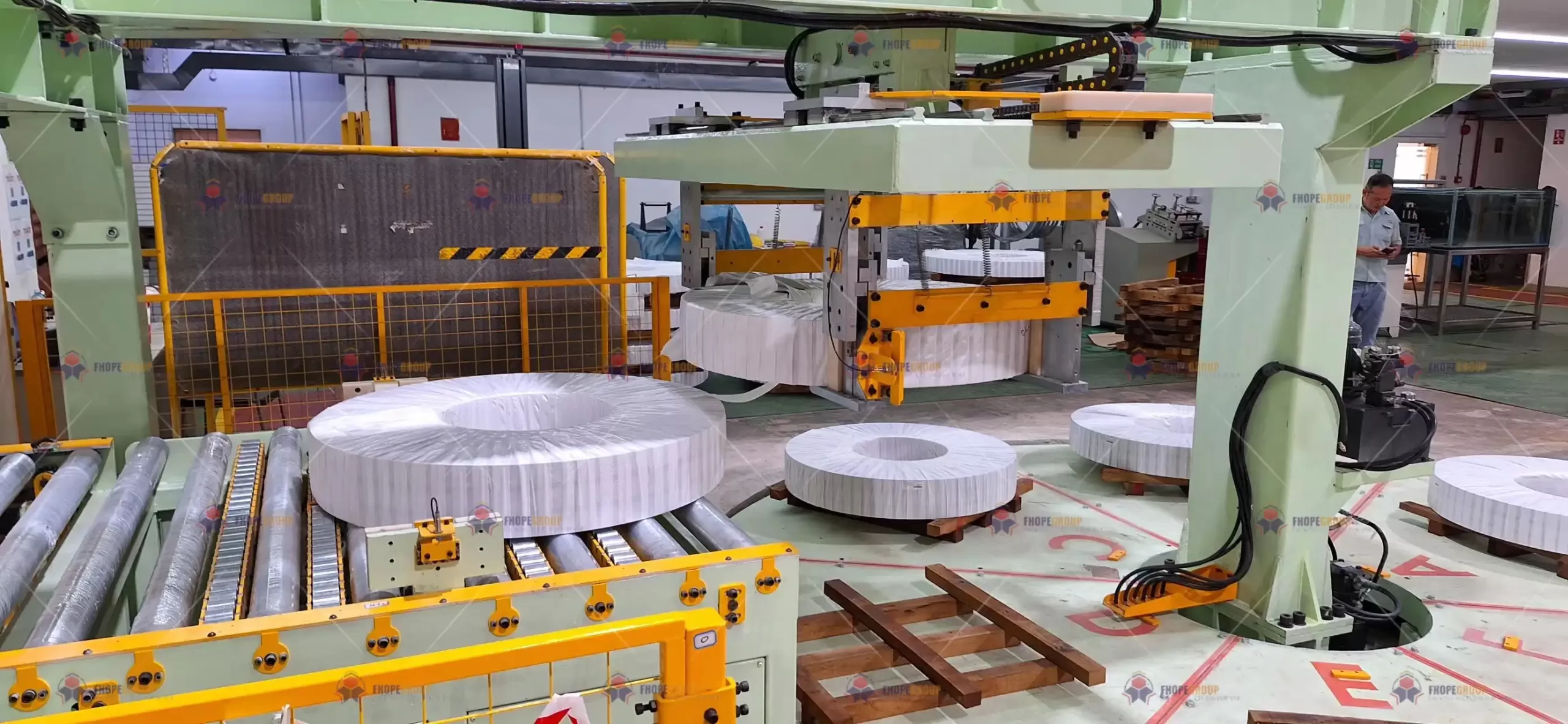
My journey in the packing machine industry started as an employee. I worked my way up. Then I built my own factory. I know what it is like to manage a plant. I understand the daily pressures. I understand the need for reliable machines. I also know how important it is to have good support. Many suppliers just want to sell you something. They do not care about your real problems. They do not care about your long-term success. This is a big mistake.
A true partner listens to you. They ask about your specific factory needs. They do not just offer a standard solution. They look at your current problems. They look at your goals. Then they suggest the right automation system for you. They offer deep insights. They provide reliable solutions. They help you analyze the return on your investment (ROI). This shows you how the new equipment will save money and make money. They will show you the clear benefits. They will show you the pathway to greater profitability.
A good partner also provides strong after-sales service. They offer installation help. They offer training for your team. They provide quick support if a machine needs repairs. This ongoing support is crucial. It keeps your machines running smoothly. It minimizes downtime. It ensures your investment keeps working for you. This kind of partnership builds trust. It helps your business grow. This is what FHOPEPACK offers. We are not just selling machines. We are building partnerships. We are sharing knowledge. We are helping you succeed.
What Are My Core Insights for U.S. Steel Packing Automation?
Many plant managers like Michael Chen are looking for better ways to work. They want to automate. They want to be safer. They want to save money. They want clear guidance. My experience in the packing machine industry gives me a unique view. I have seen what works. I have seen what does not. I can help.
From my time in factories, I learned that automation is not just about machines. It is about a mindset shift. It is about seeing your factory as a connected system. Every part affects the others. A slow packing line can cancel out the benefits of a fast production line. You must look at the whole picture. Many plant managers focus on fixing one small problem. This is okay. But a bigger vision brings bigger results. This means looking at the end-of-line process. This means seeing it as a critical part of your overall factory performance.
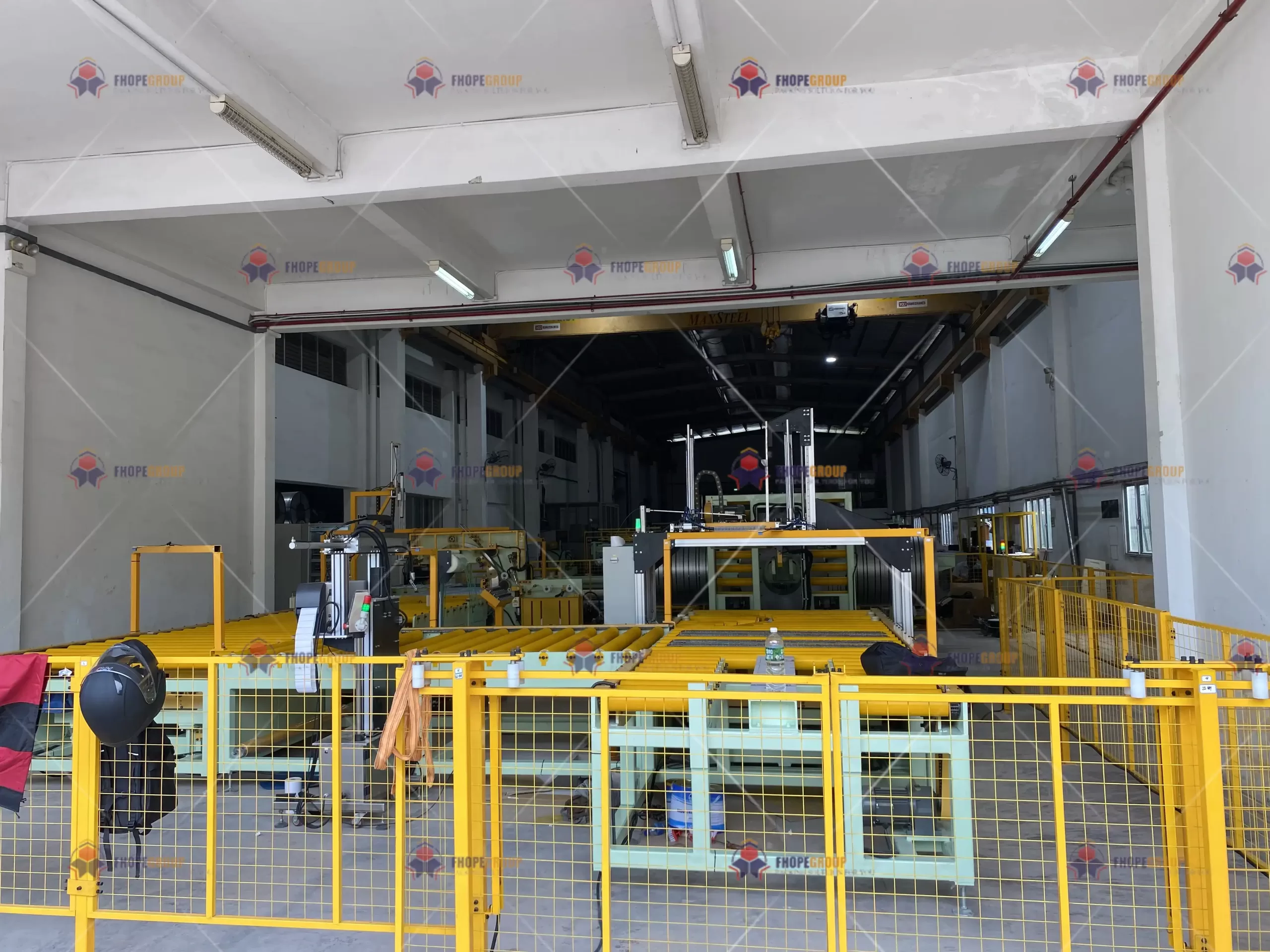
My biggest insight is simple. Invest in automation that provides clear ROI. Do not just buy equipment because it looks good. Buy it because it solves a problem. Buy it because it makes you money. How does it make money? It lowers labor costs. It reduces product damage. It increases your total output. It also lowers your insurance costs. These are real, measurable benefits. You should ask suppliers for these numbers. I always help my clients see these numbers clearly. This makes the investment decision easy. It shows them the path to financial independence. It shows them how to grow their businesses.
Another key insight is about adaptability. The U.S. manufacturing landscape changes fast. New technologies come out. New market demands appear. Your automation system must be flexible. It must adapt to different coil sizes. It must handle different packing needs. This makes your factory future-proof. It means your investment will last for a long time. It will continue to provide value. This is very important. You do not want to buy a system that is outdated in a few years.
Finally, a deep understanding of the industry is vital. I lived and breathed packing machines. I know the challenges. I know the solutions. My goal now is to share this knowledge. I want to help others succeed. If you are struggling with your packing line, you do not have to do it alone. You can work with an expert. You can partner with someone who has done it before. This partnership can make a big difference for your plant. It can help you reach your goals faster. It can help you grow your business.
Conclusion
Full automation is vital for U.S. steel coil packing lines. It solves efficiency, safety, and product damage issues. This investment drives growth and profits.








