
What Safety and Compliance Standards Govern Slit Coil Packaging Lines in the USA?
Working in a factory, especially with heavy materials like steel coils, brings many challenges. I know the feeling. You are always pushing for more output. You need to cut costs. But you also need to keep everyone safe. It is a constant battle to balance speed, efficiency, and worker safety. If your current coil and wire packaging lines still use a lot of manual work, you know the slow pace. You know the high risk of injury. You see product damage happen. These problems hurt your bottom line and create unhappy customers. This is why understanding safety and compliance standards is not just about avoiding fines. It is about building a strong, safe, and profitable operation.
In the USA, slit coil packaging lines must follow strict safety and compliance standards. The Occupational Safety and Health Administration (OSHA) sets many of these rules. They ensure workplaces are safe. Other groups like the American National Standards Institute (ANSI) also create important guidelines. These rules cover everything. They range from how machines are built to how workers use them. They also cover how materials are moved.
I have seen firsthand how much a well-run, compliant packaging line can change a business. When I started FHOPEPACK, my goal was always to build machines that were not just fast but also safe and reliable. These standards are not just rules. They are the backbone of a successful factory. Let us explore what these key standards are. We will also see how they affect your daily work. We will look at how they can help you protect your team and your products. This knowledge will help you make better choices for your factory’s future.

What OSHA Standards Apply to Slit Coil Packaging Machinery?
Do you feel overwhelmed by all the regulations for your factory? Many managers do. It can seem like a lot of paperwork and complex rules. But ignoring these rules can lead to big problems. You face hefty fines. You face serious worker injuries. These problems disrupt your entire production. They can also damage your company’s reputation. Understanding and following OSHA rules is not an option. It is a must for any modern factory, especially with heavy equipment.
OSHA sets the main safety standards for workplaces in the United States. For slit coil packaging machinery, several key OSHA standards apply. These rules make sure machines are safe to operate. They protect workers from harm. They cover areas like machine guarding. They also cover control of hazardous energy. They even cover electrical safety. Following these rules helps prevent accidents. It keeps your team safe and your operations running smoothly.

When I was building my own packing machine factory, I saw how important it was to design safety right into the equipment. It is much easier to make a machine safe from the start. Fixing safety issues later costs more. It also puts workers at risk. OSHA’s general industry standards (29 CFR 1910) are the most important. Many parts of this standard apply to coil packaging lines.
Machine Guarding (29 CFR 1910.212)
This standard is very simple. It says that all machines must have guards. These guards protect workers from hazards. These hazards include rotating parts. They include flying chips. They include sparks. For packaging lines, this means safety covers on moving parts. It means barriers around dangerous areas. I always designed our machines with robust guarding. This protects operators from pinch points and moving coils. An unguarded machine is a disaster waiting to happen.
Control of Hazardous Energy (Lockout/Tagout – 29 CFR 1910.147)
This rule is about preventing machines from starting by accident. This happens when someone is working on them. It requires specific procedures. Workers must de-energize equipment. They must lock it out. They must tag it. This prevents unexpected startups. It prevents release of stored energy. This is critical for maintenance or repairs on packaging lines. Imagine a coil winding machine starting up while someone is clearing a jam. This procedure saves lives. It is something I taught all my employees.
Electrical Safety (29 CFR 1910 Subpart S)
Packaging machines use a lot of electricity. This means electrical hazards are present. This standard covers safe electrical practices. It covers wiring. It covers equipment design. It covers safe work practices around electricity. All electrical components on a packaging line must be properly installed. They must be maintained. They must be grounded. This prevents shocks and fires. My engineers always paid close attention to electrical schematics and wiring standards.
Material Handling and Storage (29 CFR 1910 Subpart N)
Slit coils are heavy. They can be awkward to move. This OSHA subpart addresses safe ways to handle and store materials. It covers proper use of cranes, forklifts, and other lifting equipment. It also covers safe stacking of coils. It ensures aisles are clear. This helps prevent injuries from falling objects or improper lifting. Michael’s concern about manual handling and product damage is very real here. Proper equipment and procedures make a huge difference.
| OSHA Standard | Key Focus | Relevance to Coil Packaging |
|---|---|---|
| 29 CFR 1910.212 | Machine Guarding | Guards on coil winders, strapping heads, conveyors. |
| 29 CFR 1910.147 | Lockout/Tagout | Safe maintenance on all packaging line components. |
| 29 CFR 1910 Subpart S | Electrical Safety | Proper wiring, grounding, and controls for all machinery. |
| 29 CFR 1910 Subpart N | Material Handling | Safe lifting of coils, proper storage, clear walkways. |
| 29 CFR 1910.132 | Personal Protective Equipment (PPE) | Workers wearing hard hats, safety shoes, gloves, eye protection. |
Beyond OSHA, other standards exist. ANSI (American National Standards Institute) develops voluntary consensus standards. While not legally binding like OSHA, ANSI standards are often seen as best practices. OSHA may even reference them. For example, ANSI B11 standards provide guidelines for machine safety. They cover design, construction, care, and use of machine tools. Adhering to these makes your operation safer. It also shows due diligence. This is important if an accident ever happens. It is always wise to exceed the minimum requirements. This gives you peace of mind. It also protects your workers.
How Can We Safely Handle Coils and Wires During Packaging?
Are you still relying on manual labor to move heavy coils and wire bundles? This is a huge risk. It is a major bottleneck. Your workers are constantly at risk of injury. Back strains, crushed limbs, and cuts are common. This leads to high insurance costs. It leads to lost workdays. It also impacts employee morale. On top of that, manual handling is slow. It is prone to error. It often leads to damaged products. This hurts your profits. It frustrates your customers.
Safely handling coils and wires is vital for any packaging line. It starts with reducing manual intervention as much as possible. This means using automated systems and mechanical aids. Automated coil handling equipment moves heavy materials without human contact. This drastically reduces the risk of injury. It also prevents product damage. It makes the entire process faster and more efficient. Investing in these solutions is not just about safety. It is about boosting your factory’s overall output and profitability.
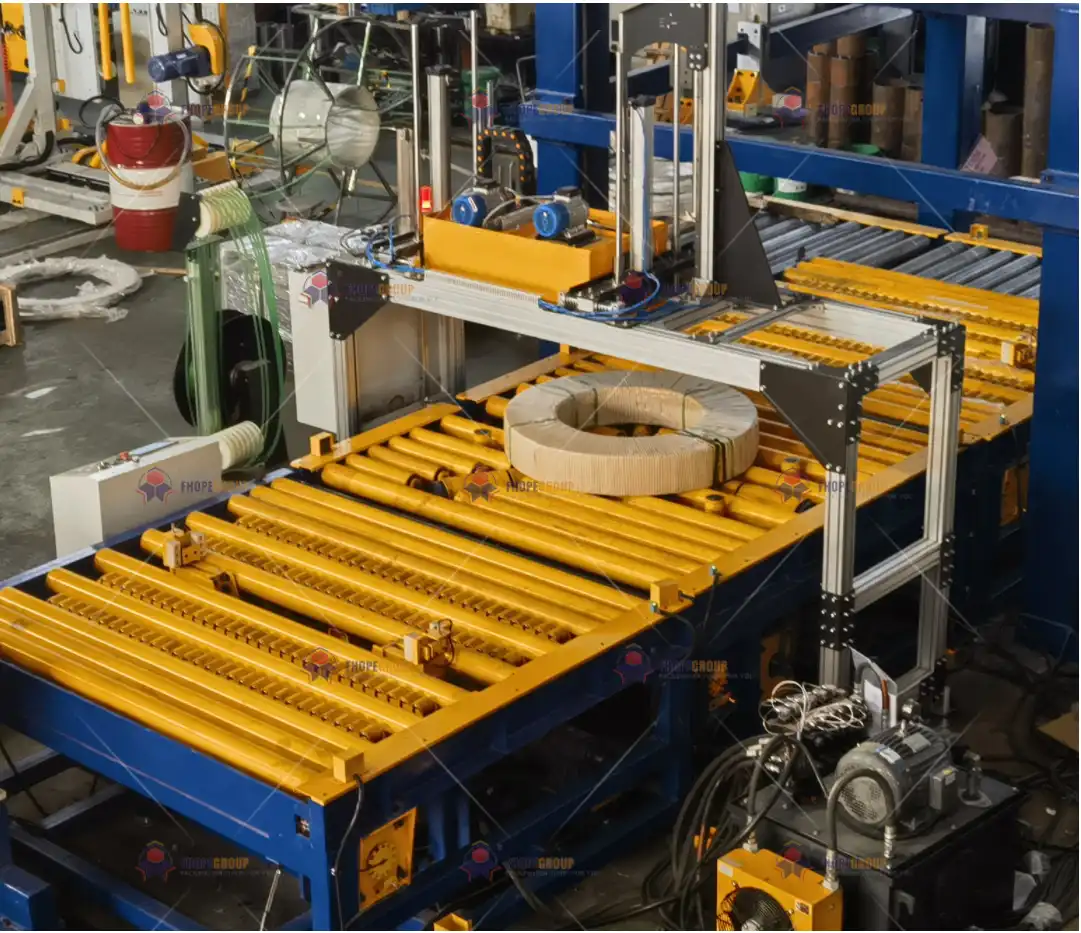
I remember many years ago, when I was first starting out, seeing workers struggle with heavy coils. It was clear that manual methods were not sustainable. They were dangerous. They were inefficient. This is why FHOPEPACK focuses on automated solutions. These systems handle the heavy lifting. They also handle the precise positioning. This frees up workers for safer, more skilled tasks.
Automated Material Handling Systems
Automated solutions are the best way to improve safety and efficiency. These include:
- Coil Cars and Turnstiles: These machines move coils from one station to another. They can rotate coils for easy access. They eliminate the need for forklifts in certain areas. This reduces traffic hazards.
- Conveyor Systems: Specialized conveyors can move coils and wire bundles along the packaging line. They ensure a smooth, continuous flow. This minimizes manual pushing or pulling. This is very important for safety.
- Overhead Cranes and Hoists: For very heavy coils, cranes are essential. They must be properly maintained. Operators must be trained. They must follow safe lifting procedures. Michael needs solutions that can withstand heavy use. Cranes are a big part of that.
- Robotic Palletizing: After packaging, robots can stack coils onto pallets. This eliminates repetitive lifting. It significantly reduces strain injuries.
Reducing Human Exposure to Hazards
The goal is to keep workers away from moving parts and heavy loads. This means designing the workspace with safety zones. It means having clear pathways. It also means using sensors and interlocks. These stop machines if a worker enters a danger zone. This level of automation not only boosts output but also creates a much safer environment.
Training and Procedures
Even with automation, workers need training. They must know how to operate the equipment safely. They must understand emergency stop procedures. They must know how to report hazards. Clear work procedures are also vital. They outline how each task should be done. This reduces errors. It promotes safe habits. This includes:
- Safe Operating Procedures (SOPs): Detailed steps for running all machines.
- Emergency Response Plans: What to do if an accident occurs.
- Personal Protective Equipment (PPE): Ensuring workers wear the right gear. This includes hard hats, safety shoes, gloves, and eye protection.
When I talk with factory managers, one of the biggest concerns is always worker safety. The cost of an injury goes far beyond medical bills. It affects morale. It causes production delays. It is a long-term problem. By investing in automated handling solutions, you invest in your team. You also invest in your factory’s future. It makes your operations lean. It makes them safer. It also makes them more profitable. This is the kind of clear ROI Michael is looking for. It reduces manual labor. It reduces product damage. It improves overall factory performance.
Why is Regular Machine Maintenance Key to Compliance and Safety?
Is your packaging equipment breaking down more often? Are you dealing with unexpected halts in production? This is not just annoying. It is costly. Every minute a machine is down, you lose money. You fall behind on orders. Worse, poorly maintained machines are dangerous. They can malfunction. They can cause accidents. They can lead to serious injuries. This puts your workers at risk. It puts your whole operation in jeopardy.
Regular machine maintenance is crucial for both compliance and safety on any packaging line. It keeps your equipment running smoothly. It prevents unexpected breakdowns. This means fewer disruptions to your production schedule. It also means safer working conditions for your employees. Well-maintained machines are less likely to fail. This reduces the risk of accidents caused by equipment malfunction. It also helps you meet safety standards. It extends the life of your valuable machinery.
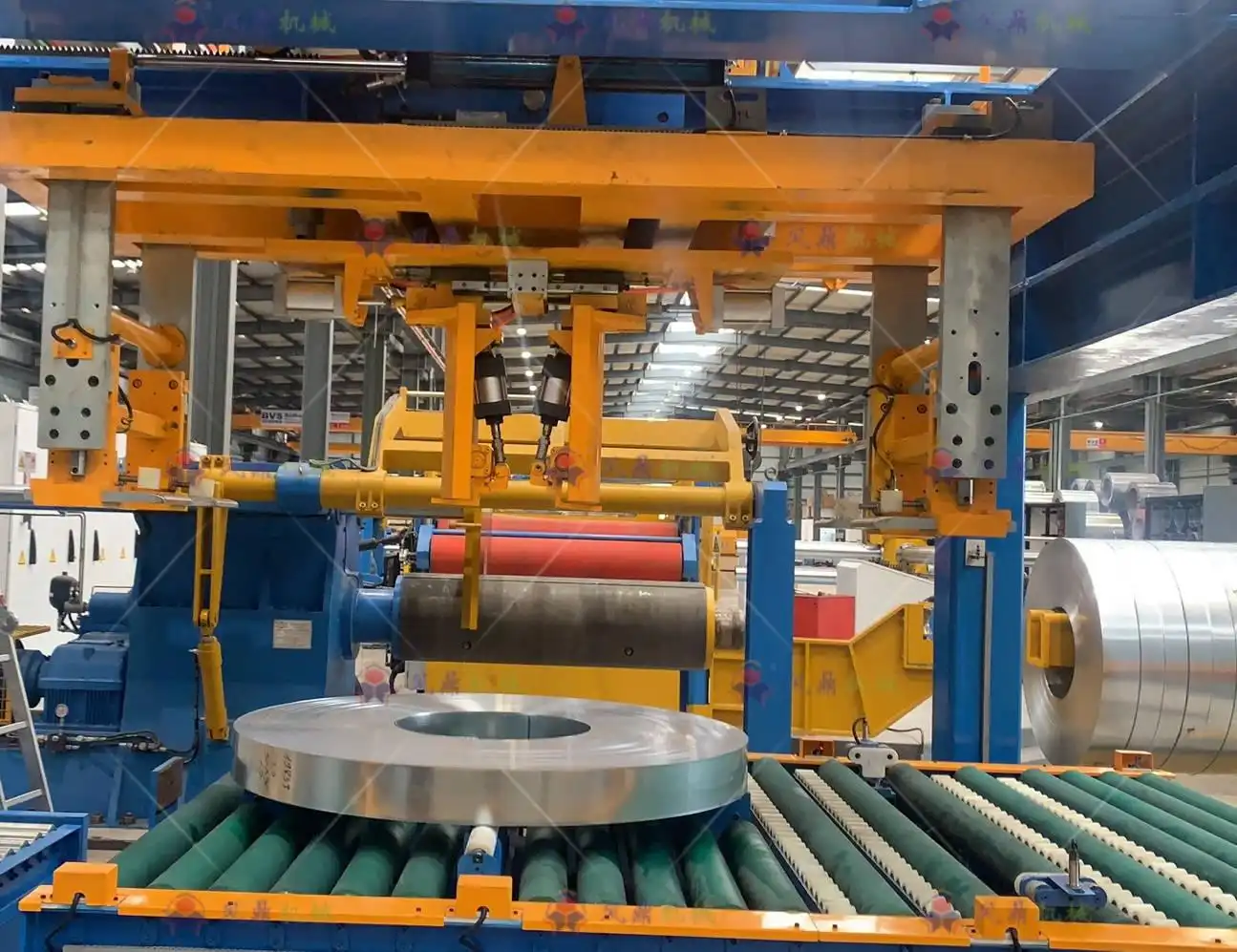
My experience building and running a packing machine factory taught me a huge lesson about maintenance. It is not an expense. It is an investment. A machine that is well-cared for performs better. It lasts longer. Most importantly, it is safer. We always emphasized preventive maintenance for our own equipment. We also advised our clients to do the same.
Preventing Breakdowns and Accidents
Poor maintenance is a leading cause of machinery accidents. Worn-out parts can fail suddenly. This can lead to uncontrolled movements. It can cause machine components to break apart. Regular inspections find these problems early. They allow you to fix them before they become dangerous. This keeps your machines compliant with safety standards. It also keeps your workers safe.
Types of Maintenance
- Preventive Maintenance (PM): This is planned maintenance. It happens at regular intervals. It includes inspections, cleaning, lubrication, and part replacement. It prevents breakdowns from happening. For example, replacing a belt before it snaps. Or checking fluid levels. This is the backbone of a reliable packaging line.
- Predictive Maintenance (PDM): This uses sensors and data. It monitors machine condition. It predicts when a failure might occur. This allows maintenance to be done only when needed. It minimizes downtime. For example, monitoring motor vibration or temperature. This advanced approach saves time and money.
- Corrective Maintenance: This is unplanned maintenance. It happens after a breakdown occurs. While sometimes unavoidable, the goal is to minimize this. Frequent corrective maintenance indicates a poor PM program.
Maintaining Compliance Through Maintenance Logs
Keeping detailed maintenance logs is vital. These records show that you are meeting safety requirements. They show your commitment to proper machine care. If an accident happens, these logs prove due diligence. They also help identify recurring issues. This allows you to fix problems long-term.
Training for Maintenance Personnel
Your maintenance team needs proper training. They must know how to inspect equipment. They must know how to repair it. They must understand the specific requirements of packaging machinery. This includes electrical, mechanical, and hydraulic systems. They must also be experts in Lockout/Tagout procedures. This ensures their safety. It ensures the safety of others.
Michael cares about durability. He cares about reliability. Proper maintenance delivers both. It means your machines can handle the tough demands of a metal processing plant. It ensures they operate at peak efficiency. It reduces the risk of unexpected downtime. It also prevents costly product damage. Most importantly, it protects your most valuable asset: your employees. A factory that prioritizes maintenance is a factory that is built to last. It is also a factory that values its people.
Conclusion
Understanding and following safety and compliance standards is not just a legal requirement. It is a smart business strategy. It protects your workers. It boosts your efficiency. It helps your factory grow.








