
Why FMCG and tobacco bosses compare pallet inverter suppliers to cut logistics costs?
Every day, logistics managers like you face a major problem. You need to move goods fast. You also need to keep costs low. This is especially true in the busy FMCG and tobacco industries. Diverse pallet types, a tight labor market, and constant pressure for faster delivery push operations to their limit. You might feel the weight of these challenges. It can make you wonder if there is a better way to handle your warehouse flow. Many struggle with slow, unsafe manual processes that eat into profits.
FMCG and tobacco bosses compare pallet inverter suppliers to cut logistics costs because these machines solve critical operational issues. They help manage diverse pallet types, reduce labor needs, and improve safety. This leads to faster throughput and lower overall expenses in busy warehouses.
This challenge is one I understand well. From my own journey in the packing machine industry, I have seen how critical efficient systems are. It is not enough to just buy equipment. You need to find solutions that truly make a difference. Let’s look at why smart managers are turning to pallet inverters. We will explore how these machines can transform your logistics.
How do varied pallet sizes affect your operations and profit?
Imagine your warehouse floor. It is filled with pallets. Some are Euro pallets. Others are American standard pallets. You also have plastic ones. This mix is a common sight in FMCG and tobacco. It creates a big problem for smooth operations. Manual handling for each type is slow. It also increases errors. You might feel the frustration of constantly switching pallets by hand. This slows down your entire shipping process.
Varied pallet sizes often force manual handling or slow down operations. This leads to higher labor costs and increased risk of errors. It also affects shipping times. In the FMCG and tobacco sectors, this can cause significant delays and even contract penalties.
From my experience, I have seen many factories struggle with this. When I started my own packing machine factory, I knew we had to solve real problems. One of the biggest was pallet diversity. Different countries and customers have different rules. For example, some require sterile plastic pallets. Others need specific wooden ones. This constant need to switch pallets by hand is a huge drain. It impacts everything from receiving to dispatch. This directly eats into your profit margins. It also reduces your operational efficiency. A good pallet inverter system changes this completely. It manages the change seamlessly. This keeps your goods moving without delay. This means you meet your deadlines. It also keeps your customers happy.
- The Global Trade Maze: Meeting Diverse Standards
- 🌍 Regional Requirements: Different regions have their own pallet standards. Europe uses 800x1200mm Euro pallets. North America commonly uses 40×48 inch (1016x1219mm) GMA pallets. For FMCG and tobacco, you ship products worldwide. This means you deal with both. You need to switch pallets for inbound goods. You also need to switch them for outbound shipments. If you do not, you face compliance issues. You also risk rejection at customs.
- 📏 Product Specific Needs: Some products need specific pallet materials. For example, food and pharmaceutical items often use plastic pallets. They are easy to clean. They also prevent contamination. However, many suppliers use wooden pallets for transport. This means you need to transfer goods from one to the other. This process is complex. It needs careful handling to avoid damage.
- 🔄 Operational Bottlenecks: Manual pallet switching takes a lot of time. Workers have to unload goods from one pallet. Then they reload them onto another. This is labor-intensive. It also creates bottlenecks. These bottlenecks slow down the whole warehouse. This impacts your ability to meet tight delivery schedules. This is a common problem in the fast-paced FMCG industry.
- The Hidden Costs of Inefficiency
- ⏰ Increased Labor Hours: Each manual pallet transfer adds labor time. With thousands of pallets moving daily, these minutes add up fast. They turn into hours and then days. This directly increases your wage bill. In a tight labor market, this cost is even higher.
- 💰 Potential Fines and Penalties: Late deliveries due to slow pallet changes can lead to contract breaches. Your customers, especially large retailers or e-commerce platforms, often have strict delivery windows. Missing these can result in financial penalties. It can also harm your business relationship.
- 📉 Reduced Throughput: A warehouse’s efficiency depends on its throughput. Slow pallet changes reduce how many goods you can process in a day. This limits your capacity. It also means you cannot handle peak demands. This directly impacts your revenue potential.
- Customer Satisfaction: The Ultimate Goal
- 🤝 Meeting Delivery Expectations: In today’s market, customers expect fast and reliable delivery. Delays caused by inefficient pallet handling lead to unhappy customers. This can cause you to lose business. It also harms your brand reputation.
- 📈 Building Trust: A reliable supply chain builds trust with your clients. When you can consistently deliver on time, you become a preferred partner. Investing in solutions like pallet inverters shows your commitment to efficiency. This strengthens client relationships.
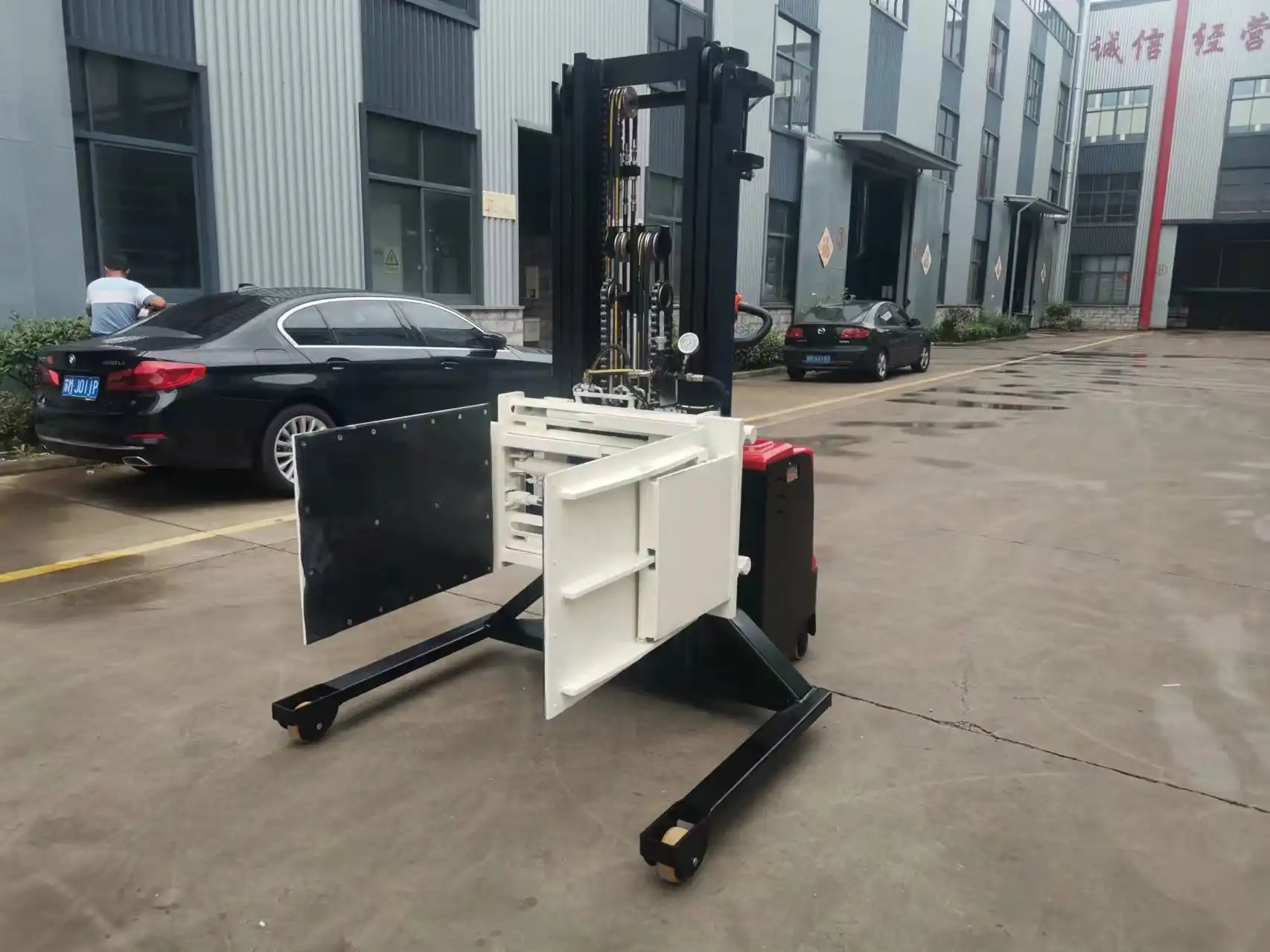
Modern Pallet Inverter
Is manual pallet handling a hidden cost in your warehouse?
Manual pallet handling might seem like a small task. But it carries big hidden costs. These costs go beyond just wages. They include safety risks, damage to goods, and worker fatigue. In my early days, I saw many workers struggle with heavy loads. They often had to flip pallets by hand. This was dangerous and slow. You might be facing similar risks in your operations right now.
Yes, manual pallet handling is a significant hidden cost in warehouses. It leads to increased labor expenses, higher rates of workplace injuries, and potential damage to valuable goods. These factors reduce efficiency and incur unforeseen expenses for FMCG and tobacco businesses.
I remember one time a client came to me with a serious problem. They had several incidents where goods spilled. Workers also got hurt trying to move heavy pallets manually. They thought they were saving money by not automating. In reality, they were losing much more to accidents and inefficiencies. This experience taught me something important. True cost savings come from smart investments. Investing in automatic pallet changers removes these risks. It protects your workers. It also protects your products. It streamlines your operations. This translates into tangible savings. It also creates a safer work environment.
- The True Price of Labor:
- 💸 Rising Wages: Labor costs keep going up. Finding skilled warehouse staff is harder than ever. Young people often do not want physically demanding jobs. Manual pallet handling is a prime example of this type of work. Relying on it means higher wages. It also means more benefits for fewer workers.
- 📈 Reduced Productivity: Human workers can only do so much. They get tired. They need breaks. Their speed can vary. Machines work consistently. They do not get tired. They maintain a steady pace. This means machines are more productive over time. This reduces the number of staff you need for specific tasks.
- 🔄 High Turnover Rates: Physically demanding jobs often have high employee turnover. Training new staff takes time and money. It also lowers overall team experience. Automating tasks like pallet changing can make jobs less strenuous. This helps retain skilled workers.
- Safety First: Mitigating Risks and Costs:
- 🤕 Workplace Injuries: Manually flipping or transferring pallets carries a high risk of injury. Workers can strain their backs. They can drop heavy items on their feet. Goods can also fall. These accidents lead to medical costs. They also lead to lost workdays. These incidents hurt morale. They also increase insurance premiums. I have heard many stories of such accidents.
- ⚠️ Product Damage: When workers handle goods manually, there is always a risk. Goods can get dropped. Pallets can break. This leads to damaged products. Damaged products mean lost sales. They also mean extra costs for disposal or rework. Pallet inverters handle goods gently. They reduce this risk significantly.
- ⚖️ Compliance and Regulations: Safety regulations are getting stricter. Companies must protect their workers. Automating dangerous tasks helps meet these standards. It avoids potential fines. It also avoids legal issues related to workplace safety.
- Operational Disruptions and Lost Time:
- 🛑 Accident-Related Downtime: When an accident happens, work stops. Investigations take place. First aid is given. This causes major disruptions. It can halt entire sections of your warehouse. This means lost productivity for hours or even days.
- 📉 Training and Retraining: High staff turnover means constant training. This is a time-consuming process. It diverts resources from other important tasks. A well-designed pallet inverter system needs minimal training. It can be operated by fewer people.
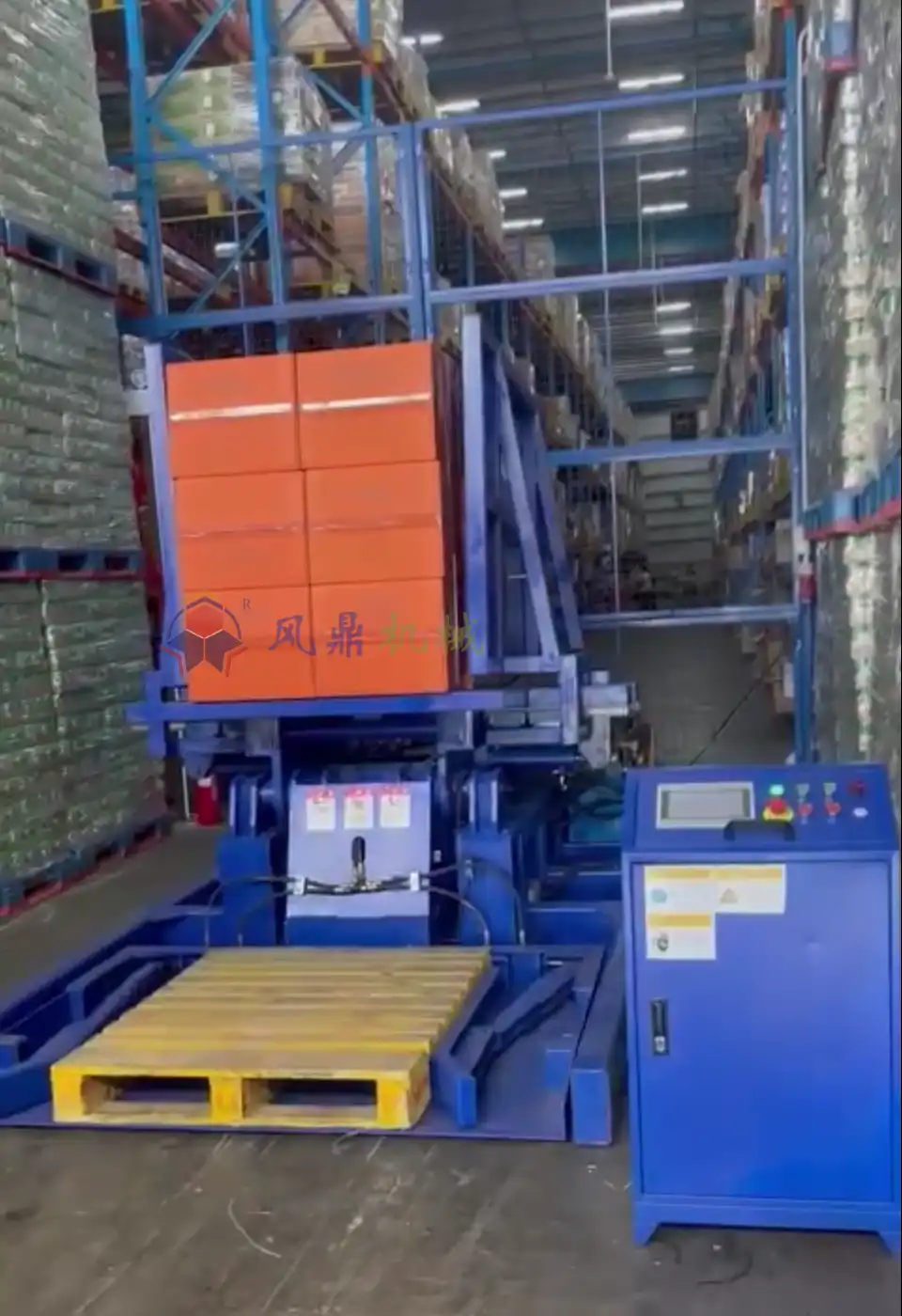
Automatic Pallet Changing Machine
Can automating pallet changes truly speed up your supply chain?
The modern supply chain demands speed. Customers want their orders yesterday. E-commerce and retail giants set high expectations. They push logistics to move faster than ever. If your pallet changes are still manual, you are losing valuable time. This can cause you to fall behind. You might wonder if investing in automation will really make a difference.
Yes, automating pallet changes significantly speeds up the supply chain. It cuts down on transfer times, reduces bottlenecks, and ensures consistent flow of goods. This enables FMCG and tobacco businesses to meet tight delivery deadlines and boost overall operational efficiency.
From my years designing packing machines, I have seen the power of automation firsthand. I started FHOPEPACK because I wanted to offer solutions that truly transformed operations. A client once told me they were struggling with a two-hour pallet change process per truckload. This was causing huge delays. After installing an automatic pallet changer, they cut that time to under 10 minutes. This is a massive improvement. It shows how much automation can do. It frees up your team. They can focus on more important tasks. It also ensures a smooth, continuous flow of goods. This means your products get to customers faster. It also helps you stay competitive.
- Efficiency Gains: The Core Benefit
- ⏱️ Reduced Cycle Times: An automated pallet changer can complete a transfer in minutes. A manual transfer takes much longer. This dramatic reduction in cycle time allows you to process more pallets per hour. This means you can handle higher volumes of goods. This is crucial for FMCG and tobacco.
- ⚙️ Consistent Performance: Machines work at a steady pace. They do not get tired. They do not make mistakes due to fatigue. This ensures consistent output. It also prevents the variable performance of manual labor. This consistency makes your planning easier. It also makes your operations more predictable.
- ⚡ Eliminating Bottlenecks: Manual pallet changes often create choke points. These slow down the entire flow of goods. By automating this step, you remove these bottlenecks. Goods move smoothly from one stage to the next. This creates a more fluid and responsive supply chain.
- Meeting Customer Expectations:
- 🚀 Faster Delivery: In today’s market, speed is king. Customers, especially in e-commerce, expect quick delivery. Faster pallet changes mean faster order fulfillment. This leads to happier customers. It also gives you a competitive edge.
- 💯 Improved Service Levels: By processing orders quicker, you can offer better service. You can meet tighter delivery windows. You can also handle last-minute changes more easily. This strengthens your customer relationships. It also builds loyalty.
- Strategic Advantages:
- 📊 Optimized Resource Allocation: When machines handle repetitive tasks, your human workforce is free. They can focus on more complex tasks. They can do quality control. They can manage inventory. This optimizes your labor resources. It also adds more value to your operations.
- 📈 Scalability: Automated systems are easier to scale up. If your business grows, your pallet changing capacity can grow with it. You just need more machines. You do not need to hire and train many new workers. This makes your operations more flexible. It also makes them ready for future growth.
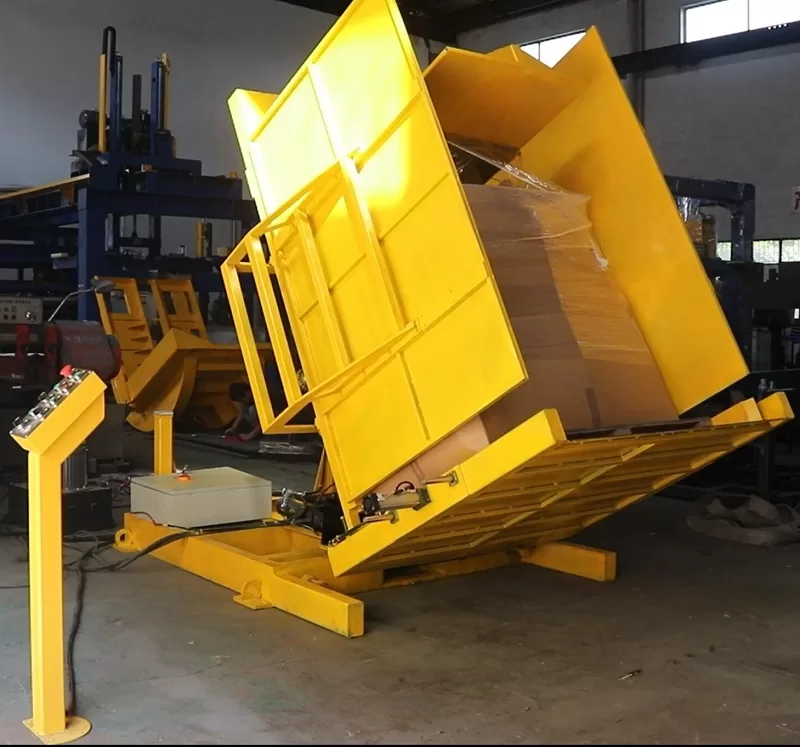
Heavy Duty Pallet Changer in Action
What should you look for in a pallet inverter supplier beyond just the machine?
Buying a pallet inverter is a big investment. It is about more than just the machine itself. You need a partner. A true partner understands your specific needs. They offer support long after the sale. You might feel worried about choosing the wrong supplier. You might fear being left alone if problems arise. This is a common concern for logistics managers.
You should look for a pallet inverter supplier who acts as a true partner. This means they offer deep industry understanding, customizable solutions, and strong after-sales support. Their goal should be to solve your warehousing pain points, not just sell equipment. Reliability and a track record of supporting long-term operational success are key.
When I founded FHOPEPACK, I built it on the principle of partnership. I remember my own journey. I started as an employee. I then built my own factory. I saw what worked and what did not. Many suppliers just want to sell a box. They do not care if it fits your specific setup. But your warehouse is unique. You have unique challenges. You need a supplier who listens. They need to understand your flow. They need to know your product. They need to understand your long-term goals. A good supplier offers machines. A great supplier offers solutions. They stand by their product. They offer training. They provide maintenance. This ensures your investment keeps paying off for years.
- Understanding Your Unique World:
- 🤝 Industry Expertise: A good supplier knows the FMCG and tobacco industries. They understand your specific regulations. They know your high-volume needs. They know your product types. This knowledge allows them to suggest the best solutions. It also helps them avoid common pitfalls.
- 👂 Listening to Your Pain Points: The best suppliers ask about your problems. They do not just push their products. Do you struggle with Euro to US pallet changes? Is labor safety your biggest worry? A good partner will tailor their recommendations. They will address your specific challenges. This is what I always focused on with my clients.
- 💡 Customization and Flexibility: Your warehouse is unique. One-size-fits-all solutions rarely work perfectly. A good supplier offers customizable options. They can adapt their machines to your exact space. They can also meet your unique operational demands. This ensures the system integrates smoothly.
- Reliability and After-Sales Support:
- ⚙️ Robust Machine Quality: The machine itself must be reliable. It needs to withstand constant use in a busy environment. Ask about materials. Ask about build quality. Ask about warranties. A reliable machine means less downtime. It also means fewer maintenance costs.
- 🛠️ Comprehensive Support: What happens if the machine breaks down? A strong supplier offers quick technical support. They have spare parts readily available. They also offer regular maintenance services. This minimizes disruption to your operations. It protects your investment.
- 📚 Training and Documentation: Your team needs to use the machine safely and efficiently. The supplier should offer thorough training. They should also provide clear manuals. This ensures your staff can operate the equipment effectively from day one.
- A Partner for the Long Haul:
- 📈 Scalability and Future-Proofing: Your business will grow. Your needs will change. A good partner offers solutions that can grow with you. They might have modular systems. They might offer upgrades. This ensures your investment remains relevant for years.
- ⭐ Proven Track Record: Look for a supplier with a strong reputation. Read testimonials. Ask for case studies. Talk to other clients. A history of successful installations is a good sign. It shows they deliver on their promises.
- 💰 Total Cost of Ownership (TCO): Do not just look at the purchase price. Consider the TCO. This includes installation, energy consumption, maintenance, and expected lifespan. A supplier who helps you understand TCO is transparent. They care about your long-term success.
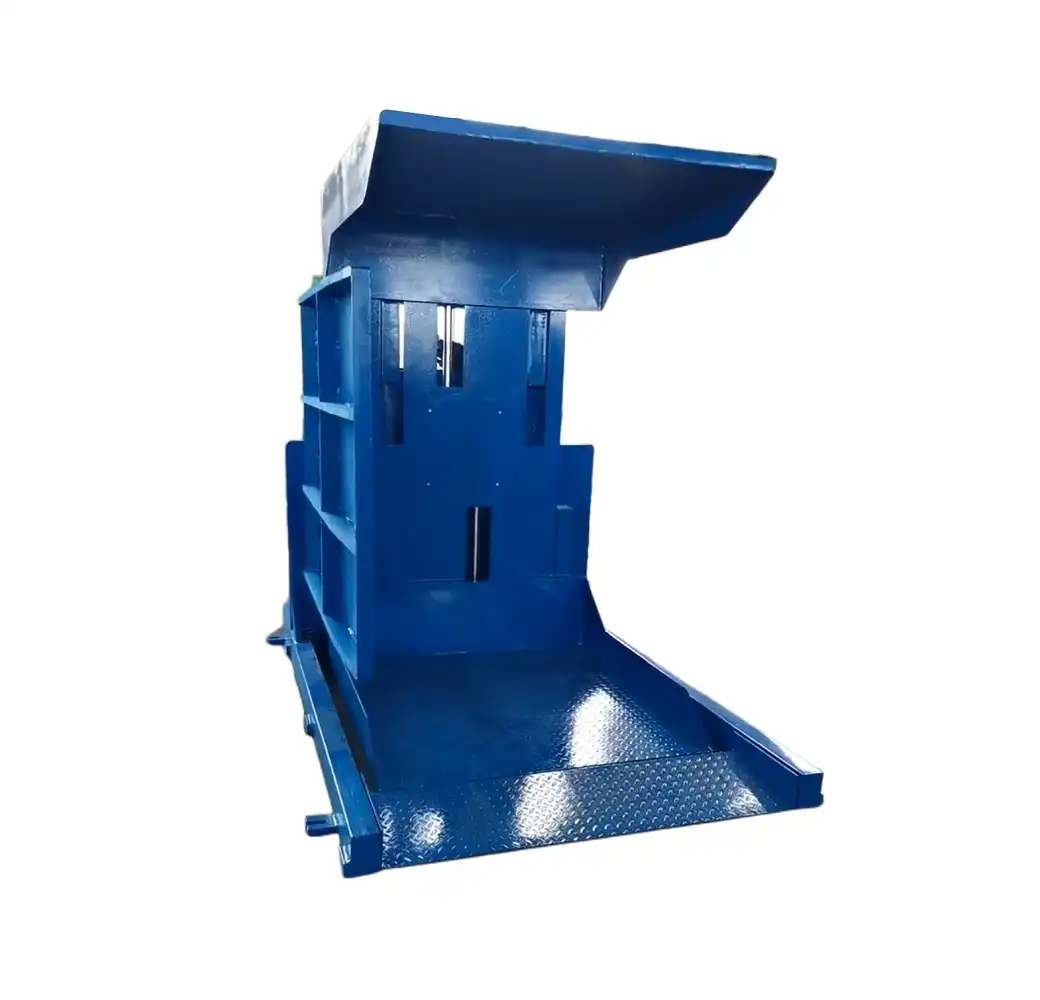
Trusted Pallet Inverter Manufacturer 
Heavy Load Mobile Pallet Changer
Conclusion
FMCG and tobacco bosses actively compare pallet inverter suppliers because these systems are key to significant logistics cost savings. They solve critical issues like diverse pallet handling, labor shortages, and safety risks. Investing in a reliable pallet inverter system ensures efficient operations and helps meet customer demands, securing long-term business growth.








