
How Pallet Inverter Investment Helps Reduce Damage Costs in Tobacco Finished Goods?
In the fast-paced world of logistics, especially when handling delicate, high-value products like tobacco finished goods, every movement matters. Are you constantly battling against product damage, slow processes, and rising costs caused by outdated pallet handling methods? Many warehouse managers, just like you, face the frustrating reality that even a small percentage of damaged goods can significantly impact profitability, brand reputation, and operational efficiency. The traditional way of moving products often means exposing them to unnecessary risks.
Pallet inverters significantly reduce damage to tobacco finished goods by automating the transfer process, eliminating manual lifting and tilting, ensuring stable product orientation, and preventing packaging breaches that lead to costly losses. This advanced equipment provides a controlled environment for pallet changes, protecting sensitive products from impacts, shifts, and human errors that are common with conventional handling.
I have spent my entire career, from an employee on the factory floor to owning my own successful packing machine factory, focused on optimizing packing and handling processes. I understand the challenges you face daily. If these problems sound familiar, you are not alone. Let’s dive deeper into how this technology can transform your tobacco warehouse operations and protect your valuable inventory.
Why are traditional pallet changing methods costing your tobacco business more than you think?
Many businesses view manual pallet changing as a cheap solution. However, this seemingly low-cost approach often hides a multitude of expenses that quietly erode your profits. These hidden costs become particularly painful in industries like tobacco, where product integrity is paramount. Relying on manual labor for demanding tasks means accepting higher risks for your product, your people, and your bottom line.
Traditional manual pallet changing methods in the tobacco industry often incur significant hidden costs due to product damage, worker injuries, inefficient labor use, and compliance failures, collectively impacting profitability far more than perceived upfront savings. These methods introduce unpredictability and risk into your supply chain, leading to expenses that are not always immediately obvious but accumulate rapidly.
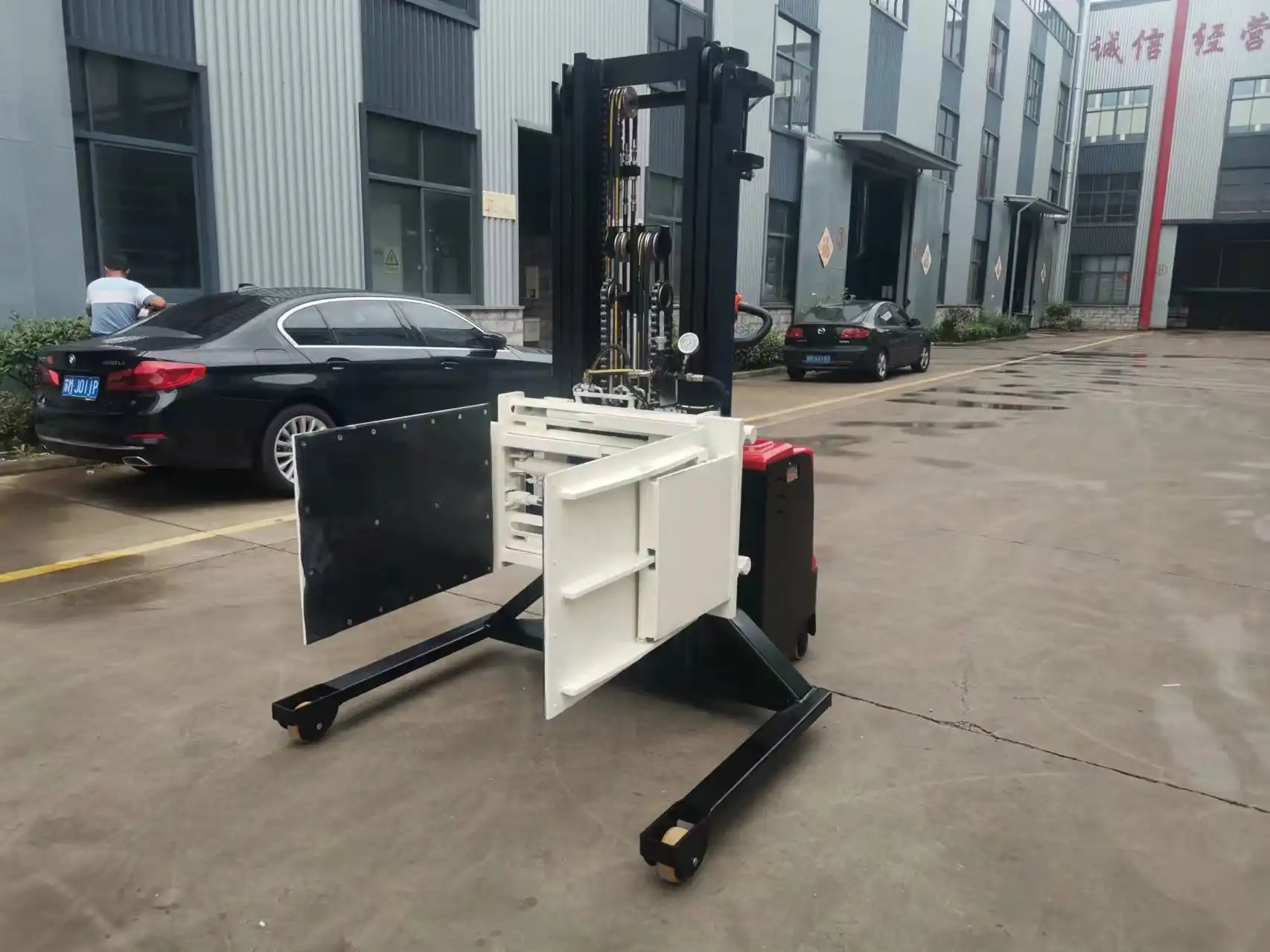
I remember my early days in the packing machine industry. I saw firsthand how even the most careful workers could make mistakes when handling heavy, delicate loads. It was clear that human effort alone could not consistently meet the demands of precision and speed. The impact of these hidden costs is substantial:
1. The True Cost of Product Damage
Manual handling of tobacco cartons, which are often delicate and precisely packaged, is prone to errors. This can lead to crushed boxes, torn plastic wraps, or even compromised product integrity.
- Direct Losses: Each damaged carton is a lost sale. For high-value tobacco products, these losses quickly add up.
- Repackaging Costs: Damaged outer packaging often requires manual repackaging, which means extra labor, materials, and time.
- Disposal Costs: Severely damaged or contaminated goods might need to be disposed of, adding another layer of expense and waste.
- Customer Returns & Rejections: Receiving damaged goods leads to customer dissatisfaction, returns, and potential contract penalties, especially in the tight schedules of modern retail and export.
2. Escalating Labor & Safety Expenses
The physical demands of manually moving or inverting pallets are immense. This directly impacts your workforce and your operational budget.
- Injury Risks: Workers are at high risk of back strains, pulled muscles, or even more serious injuries from lifting and repositioning heavy pallet loads. I have seen the consequences of these accidents, and they are not just numbers; they are people’s lives affected.
- Rising Compensation & Insurance: Each workplace injury leads to worker’s compensation claims, increased insurance premiums, and potential legal fees.
- Labor Shortage & Turnover: Strenuous manual labor is unpopular, especially among younger generations. This makes it harder to recruit and retain skilled warehouse staff, leading to higher training costs and constant staffing challenges.
- Reduced Productivity: Injured workers or those fatigued from manual tasks operate at lower efficiency, slowing down your entire process.
3. Operational Inefficiencies & Bottlenecks
Manual processes simply cannot keep up with the speed and volume required by today’s supply chains. This creates bottlenecks and delays.
- Slow Pallet Changes: Manually transferring products from one pallet type to another (e.g., Euro to US standard, or wooden export pallets to in-house plastic pallets) is a time-consuming process.
- Disrupted Workflow: These delays disrupt the smooth flow of goods, leading to queues, missed shipping deadlines, and increased pressure on logistics managers like Carlos.
- Inconsistent Quality: The quality and consistency of pallet presentation can vary greatly depending on the individual worker, impacting automated systems and client perception.
By understanding these hidden costs, we can see that investing in a better solution is not an expense but a strategic move to safeguard your business.
How exactly does a pallet inverter protect your delicate tobacco finished goods from damage?
You might be wondering, “Okay, manual handling is bad, but how does a machine really protect something as fragile as tobacco cartons?” It is a valid question. The key lies in the precision, control, and consistency that automated systems offer, qualities that human hands, no matter how skilled, cannot replicate reliably over thousands of cycles. It is not just about lifting; it is about a smart, secure transfer that respects the integrity of your product.
A pallet inverter protects delicate tobacco finished goods by securely clamping the load, gently rotating or transferring it, and maintaining product stability throughout the entire pallet changing process, thus eliminating the impact, dropping, or shifting that causes damage with manual methods. These machines are engineered to handle your inventory with the utmost care, preventing the common causes of damage that plague manual operations.

My experience designing and building packing machines taught me that prevention is always better than cure. Every detail in a machine’s operation aims to eliminate opportunities for damage. Here is how a pallet inverter achieves this:
1. Secure and Gentle Clamping Mechanism
The first and most crucial step in preventing damage is to ensure the product itself is immobilized during the pallet change.
- Uniform Pressure: Pallet inverters use hydraulic or pneumatic clamps that apply even, adjustable pressure across the entire load. This means the individual tobacco cartons are held firmly without being crushed or deformed.
- No Product Movement: Once clamped, the entire stack of finished goods moves as one solid unit. This eliminates internal shifting, friction, or tumbling that can damage individual packages.
- Versatile Gripping: Modern inverters can be adjusted to accommodate various product heights and weights, ensuring a snug fit for every load of tobacco goods.
2. Controlled and Smooth Motion
Unlike the jerky movements of forklifts or manual operations, a pallet inverter executes transfers with deliberate, fluid motion.
- Hydraulic Precision: Most inverters use hydraulic systems for smooth, controlled rotation (90 degrees, 180 degrees, or even a full 360 degrees) or side-pressing transfer. This eliminates sudden drops, impacts, or rapid accelerations that can cause product shock.
- Gradual Acceleration/Deceleration: The machine slowly starts and stops its movement, preventing momentum-related damage to the stack.
- Consistent Operation: The machine performs the same precise movement every time, eliminating the variability inherent in human operation. This consistency is vital for maintaining product quality in high-volume environments.
3. Eliminating Direct Product Contact by Forklift or Manual Lifting
Traditional pallet changes often involve forklifts pushing or pulling pallets, or workers manually lifting layers of product. Both methods risk damage.
- No Forklift Tines Near Product: The inverter lifts and supports the entire load from its base or sides, keeping forklift tines away from the delicate product packaging.
- Automated Transfer: The product is transferred directly from one pallet to another, or the pallet is simply removed and replaced, all while the product itself remains stable and untouched by human hands.
- Reduced Handling Points: Fewer handling points mean fewer opportunities for accidents or mishandling. This greatly simplifies the process of changing pallets from, for example, a wooden shipping pallet to a plastic in-house pallet without disturbing the tobacco cartons.
4. Adaptability for Diverse Pallet Specifications
For international tobacco trade, different regions demand different pallet types (e.g., Euro pallets, US standard pallets, plastic hygiene pallets).
- Seamless Pallet Switching: Pallet inverters are designed to facilitate this changeover quickly and efficiently, accommodating various pallet materials and dimensions without any risk to the product.
- Compliance Ready: This capability is crucial for meeting export regulations (like ISPM15 for wooden pallets) while keeping sensitive products on clean, internal pallets within the warehouse.
By leveraging these mechanical advantages, a pallet inverter becomes a steadfast guardian for your tobacco finished goods, ensuring they reach their destination in perfect condition, every single time. This directly translates into significant savings in damage costs.
What broader operational efficiencies do pallet inverters bring to a high-volume tobacco warehouse?
Reducing damage costs is a clear win, but the benefits of investing in a pallet inverter do not stop there. In a busy logistics hub, especially one handling thousands of pallets daily, every piece of equipment should contribute to the overall efficiency of your operation. A truly effective automation solution creates a positive ripple effect throughout your entire warehouse ecosystem, boosting productivity, streamlining workflows, and improving your competitive edge.
Beyond damage reduction, pallet inverters significantly enhance operational efficiencies in high-volume tobacco warehouses by accelerating pallet changeovers, reducing labor requirements, improving warehouse flow, ensuring consistent product presentation, and meeting diverse international shipping compliance standards, all contributing to faster throughput and reduced costs. This comprehensive impact makes them a cornerstone of modern warehouse management.
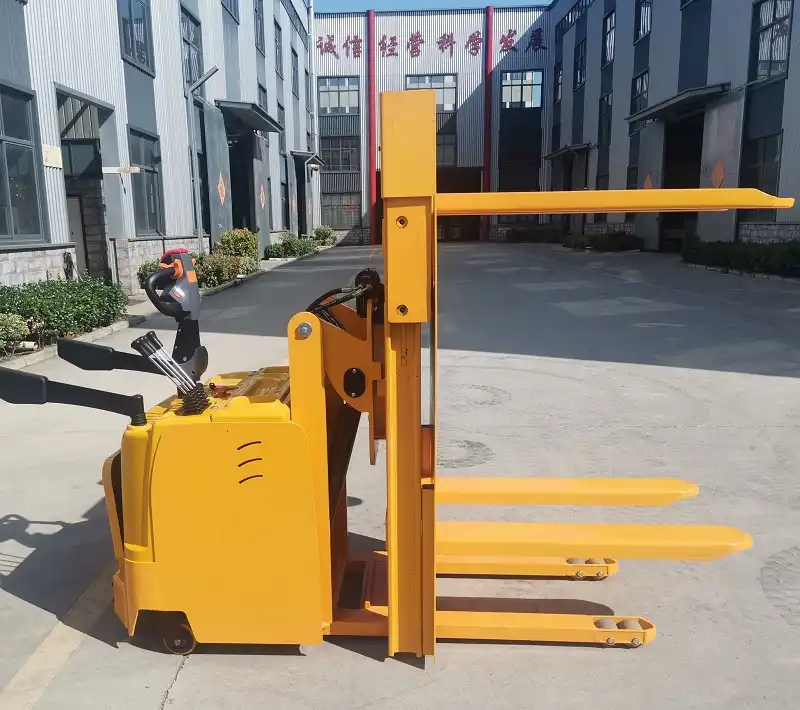
Throughout my career, I have seen many clients transform their operations not just by solving one problem, but by implementing solutions that elevate their entire business. For a warehouse manager like Carlos, who values efficiency and cost control, these broader benefits are vital:
1. Dramatic Increase in Throughput and Speed
Time is money in logistics. Pallet inverters are designed for speed and consistency.
- Rapid Changeovers: What might take several minutes or even longer for a manual pallet change can be completed in seconds with an automated system. This includes side-press machines that change pallets quickly without rotation, ideal for high-speed lines.
- Eliminate Bottlenecks: Faster pallet changes mean less waiting time for forklifts and other equipment, preventing bottlenecks at critical points in your loading or unloading areas.
- Consistent Cycle Times: The machine performs at a predictable speed, allowing for more accurate scheduling and optimized workflow planning. This helps you meet tighter delivery windows demanded by e-commerce and retail clients.
2. Significant Labor Optimization
One of Carlos’s main challenges is labor scarcity and rising costs. Pallet inverters directly address this.
- Reduced Manual Effort: The need for strenuous, injury-prone manual pallet handling is eliminated or drastically reduced. This frees up your valuable human resources.
- Redeploy Staff: Workers previously assigned to manual pallet transfers can be reallocated to higher-value, more skilled tasks within the warehouse, improving overall productivity and job satisfaction.
- Addressing Labor Shortage: By automating physical tasks, you become less reliant on a shrinking pool of labor willing to do heavy lifting, making your operations more resilient to market changes.
3. Enhanced Safety and Compliance
Safety is paramount, and compliance is non-negotiable, especially for food and tobacco products.
- Eliminating Human Risk: Automated pallet changes remove workers from hazardous situations, reducing the risk of falls, crushed limbs, or strains. This leads to a safer workplace and lower accident rates.
- Meeting Hygiene Standards: For food or tobacco, transferring products onto clean, hygienic plastic pallets (from wooden shipping pallets) before entering the internal warehouse environment helps maintain strict hygiene standards and prevents contamination.
- ISPM15 Compliance: For international shipments, pallet inverters seamlessly switch products onto heat-treated or plastic export pallets, ensuring compliance with ISPM15 regulations without ever touching the product.
4. Improved Warehouse Flow and Space Utilization
An efficient warehouse is a well-organized one.
- Streamlined Operations: With faster, safer pallet changes, the overall flow of goods through your receiving, storage, and dispatch areas becomes smoother and more predictable.
- Better Stacking: Pallet inverters can also facilitate better load stability and stacking, allowing for more efficient use of vertical storage space if required, though the primary benefit is changeover speed.
By adopting pallet inverter technology, you are not just buying a machine; you are investing in a comprehensive solution that makes your tobacco warehouse operations faster, safer, more compliant, and ultimately, more profitable.
How does investing in a pallet inverter ensure long-term value and partner trust for your operations?
An investment, especially in critical warehouse infrastructure, must deliver more than immediate benefits. It needs to provide sustained value, proving its worth year after year. For a discerning manager like Carlos, who seeks not just a vendor but a true partner, the long-term aspects of this investment are just as important as the initial gains. It is about building a reliable foundation for your future growth and having peace of mind that your operations are supported.
Investing in a high-quality pallet inverter ensures long-term value through its robust construction for continuous operation, adaptability to future needs, and the crucial support from a knowledgeable supplier who offers reliable after-sales service, spare parts, and ongoing technical assistance, fostering a true partnership beyond just the initial sale. This commitment to durability and support transforms a purchase into a strategic asset.
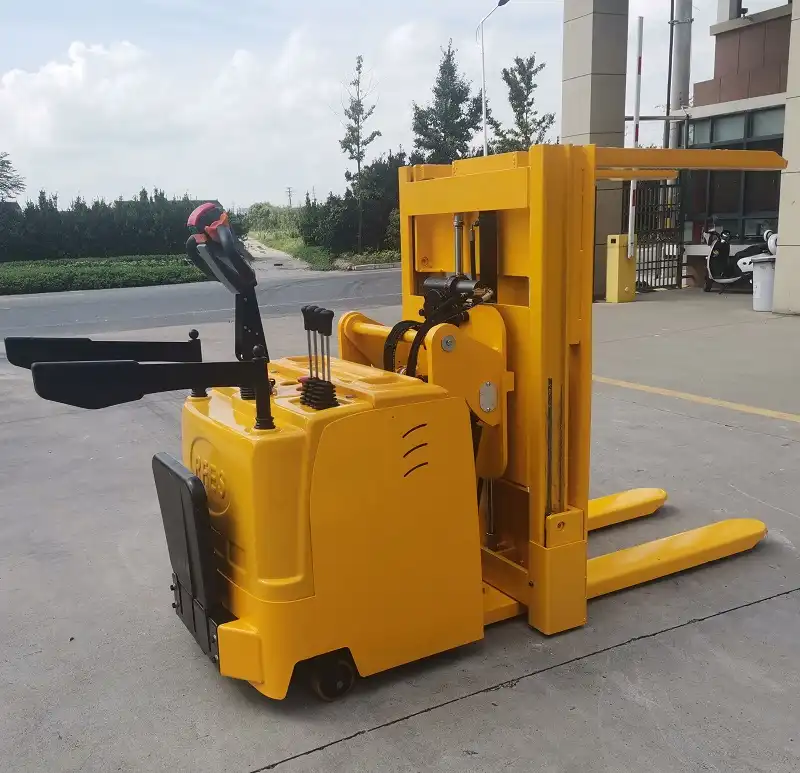
My journey in the packing machine industry has always been about more than just selling equipment. It is about understanding the unique challenges of each client and providing solutions that truly empower their growth. This is the core philosophy of FHOPEPACK. Here is how we ensure long-term value and build trust:
1. Durability and Reliability for Continuous Operation
A pallet inverter is a workhorse, designed to operate under demanding conditions, often 24/7.
- Industrial-Grade Construction: High-quality machines are built with robust steel frames, heavy-duty components, and reliable hydraulic or electrical systems, ensuring they can withstand the rigors of a busy tobacco warehouse environment.
- Minimal Downtime: A reliable machine means fewer breakdowns and less lost production time. This translates directly into consistent output and predictable operational costs.
- Long Service Life: A well-engineered pallet inverter will serve your operations for many years, providing a strong return on your initial investment over its lifespan. This is crucial for long-term planning and budgeting.
2. Adaptability and Future-Proofing Your Operations
Your business needs might evolve. Your equipment should too, or at least be prepared for change.
- Versatile Design: Modern pallet inverters often feature adjustable settings for different load heights, weights, and pallet types. This ensures they remain relevant even if your product mix or packaging standards change.
- Modular Systems: Some designs allow for future upgrades or integration into more complex automated lines, ensuring your initial investment can grow with your business.
- Scalability: The ability to handle varying volumes and adapt to new product lines means your pallet inverter remains a valuable asset as your tobacco business expands into new markets or introduces new products.
3. Unwavering After-Sales Support and Expertise
The true test of a partner comes after the sale. This is where FHOPEPACK distinguishes itself.
- Knowledge-Sharing Philosophy: At FHOPEPACK, we believe in sharing expertise. This means offering comprehensive training, detailed manuals, and accessible resources to help your team get the most out of your pallet inverter.
- Responsive Technical Support: When issues arise, quick access to skilled technicians is vital. We provide timely support to diagnose problems and get your operations back online swiftly.
- Readily Available Spare Parts: Having a reliable supply of genuine spare parts minimizes downtime, ensuring your machine can be maintained and repaired efficiently without long delays.
- Preventative Maintenance Guidance: We help you set up effective preventative maintenance schedules to maximize the lifespan of your machine and prevent unexpected failures. My goal is to ensure your long-term success, just as I helped many of my clients grow their businesses over the years.
4. Demonstrable Return on Investment (ROI)
Ultimately, an investment must pay for itself and contribute to your financial health.
- Quantifiable Savings: The combined reduction in damage costs, labor expenses, and increased throughput leads to a clear and measurable ROI.
- Enhanced Reputation: Consistently delivering undamaged products strengthens client relationships and enhances your brand’s reputation for reliability.
- Competitive Advantage: More efficient and safer operations give you an edge in a competitive market, allowing you to serve customers better and grow your market share.
Choosing FHOPEPACK means choosing a partner committed to your long-term success, understanding your challenges, and providing solutions that offer enduring value.
Conclusion
Investing in a pallet inverter is a strategic decision for any tobacco finished goods operation aiming to reduce damage, enhance safety, improve efficiency, and lower overall operating costs. It moves beyond traditional methods, offering precision and reliability. This technology ensures product integrity from warehouse to customer, securing your profits and reputation.








