
Why engineers prefer pallet inverter over manual handling in sensitive electronics production?
Imagine a production line for delicate electronics. Circuit boards, microchips, and finished devices move through many stages. Now, picture hundreds of these high-value items needing a pallet change. The old pallet might be damaged, or maybe it is not compliant for international shipping. If you choose manual handling, you introduce a huge risk. You risk damage, slow downs, and safety issues. This approach costs much more than you think in the long run.
Engineers prefer pallet inverters over manual handling in sensitive electronics production because these machines offer superior product protection, greatly boost operational efficiency, enhance workplace safety, and provide a clear return on investment. They eliminate the risks of damage, contamination, and human error common with manual methods. This ensures the integrity of delicate components and smooth, compliant logistics.

My journey in the packing machine industry, from a factory employee to leading FHOPEPACK, taught me one core lesson. True innovation is about solving real-world problems with robust solutions. Engineers in sensitive electronics face unique challenges. They cannot afford mistakes. So, let us dive deeper into why pallet inverters are becoming indispensable tools in these demanding environments.
Protecting Delicate Components: Is Manual Handling a Threat to Quality?
Think about the sheer fragility of modern electronics. A slight bump, a static charge, or a speck of dust can ruin a whole batch. Relying on people to manually shift heavy pallets with sensitive cargo is a huge gamble. You risk constant damage, product loss, and expensive reworks. This directly impacts your company’s reputation and bottom line.
Manual handling poses significant threats to the quality and integrity of sensitive electronic components. These risks include physical damage from impacts, electrostatic discharge (ESD), contamination, and inconsistent handling. In contrast, pallet inverters provide a controlled and gentle process. This minimizes these risks and helps maintain high product quality.
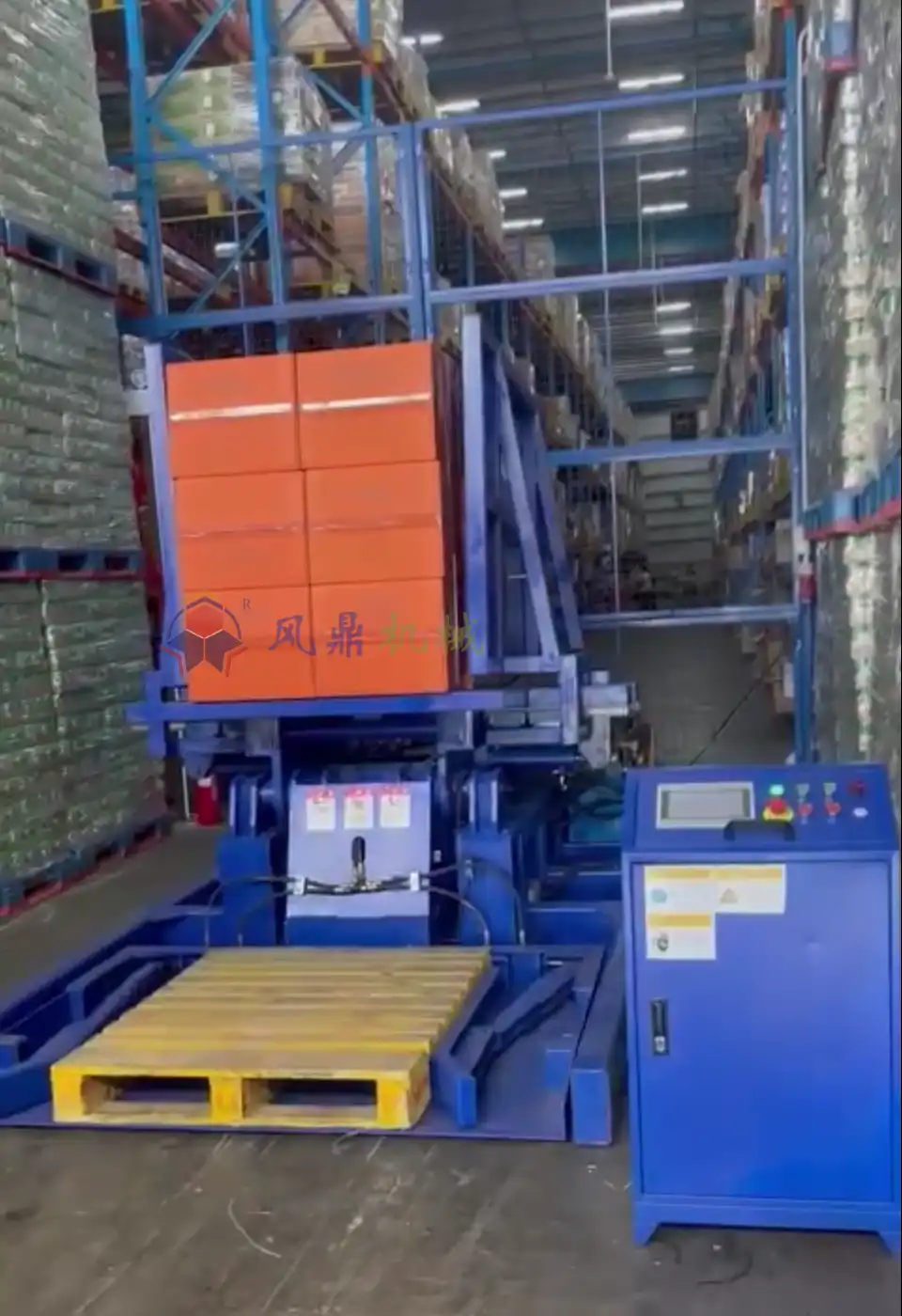
From my early days in the factory, I saw how easily things could go wrong. One wrong move by a tired worker could mean a whole pallet of goods was compromised. For sensitive electronics, this risk is amplified a hundred times. Engineers cannot just hope for the best. They need a system that ensures product safety every single time. Here is why pallet inverters stand out:
- Reduced Physical Damage:
- Controlled Movement: Pallet inverters move goods smoothly and steadily. They do not drop or jolt the load. This is vital for items sensitive to impacts or vibrations. Imagine delicate circuit boards. They cannot handle sudden movements.
- Even Pressure: These machines apply pressure evenly. This holds the load securely during the inversion process. Manual methods often involve tilting or jerking. This can cause items to shift or fall. I have seen how manual tilting can cause products to slide, leading to bent pins or cracked casings on electronic parts.
- Less Direct Contact: Workers do not directly touch the products as much. This reduces the chance of accidental damage from handling errors.
- Mitigating Electrostatic Discharge (ESD):
- Grounding Options: Many pallet inverters can be integrated with grounding systems. This helps prevent static electricity buildup. Static discharge is a major enemy for electronic components.
- Consistent Process: Automated machines provide a consistent handling process. This reduces friction points that might generate static. Manual handling, with varied human movements and clothing, can easily create static. This is a silent killer for microchips.
- Specialized Materials: Some inverters use specific materials in their construction. These materials are designed to be anti-static. This adds another layer of protection for electronics.
- Preventing Contamination:
- Enclosed Operation: Some pallet inverters operate within a more enclosed space. This limits exposure to dust or foreign particles. In electronics, even tiny particles can cause failures.
- Reduced Human Interference: Fewer human hands mean less chance of introducing dirt, oils, or fibers. Cleanroom environments are crucial for electronics. A pallet inverter helps maintain these standards. I remember one client who faced persistent contamination issues. We found that manual pallet changes were introducing dust into their sterile production area. A pallet inverter solved this immediately.
- Easier Cleaning: The machine surfaces are often easier to clean and maintain than constantly sanitized manual tools or staging areas.
- Ensuring Product Traceability and Compliance:
- Automated Tracking: When integrated with a warehouse management system (WMS), pallet inverters can help track each pallet’s movement. This provides a clear audit trail.
- Standardized Handling: The consistent operation of a machine ensures that every pallet is handled to the same standard. This is important for meeting strict industry regulations and quality control standards in electronics.
- Reduced Human Error: Humans are prone to mistakes. A machine follows programmed steps. This greatly reduces errors in handling, counting, or labeling. These errors could compromise product quality or traceability.
Boosting Production Efficiency: Can Manual Pallet Swaps Keep Up the Pace?
In today’s fast-moving electronics market, speed is everything. Delays are expensive. Manual pallet changes are often slow, labor-intensive, and inconsistent. This creates bottlenecks in the workflow. It slows down your entire production line. This makes it harder to meet tight delivery schedules and keep customers happy.
Manual pallet swaps cannot keep pace with the demands of modern electronics production. They cause significant bottlenecks due to slowness, high labor requirements, and inconsistency. Pallet inverters, however, dramatically boost production efficiency. They offer faster cycle times, reduce dependency on manual labor, and ensure a smooth, continuous flow of goods.
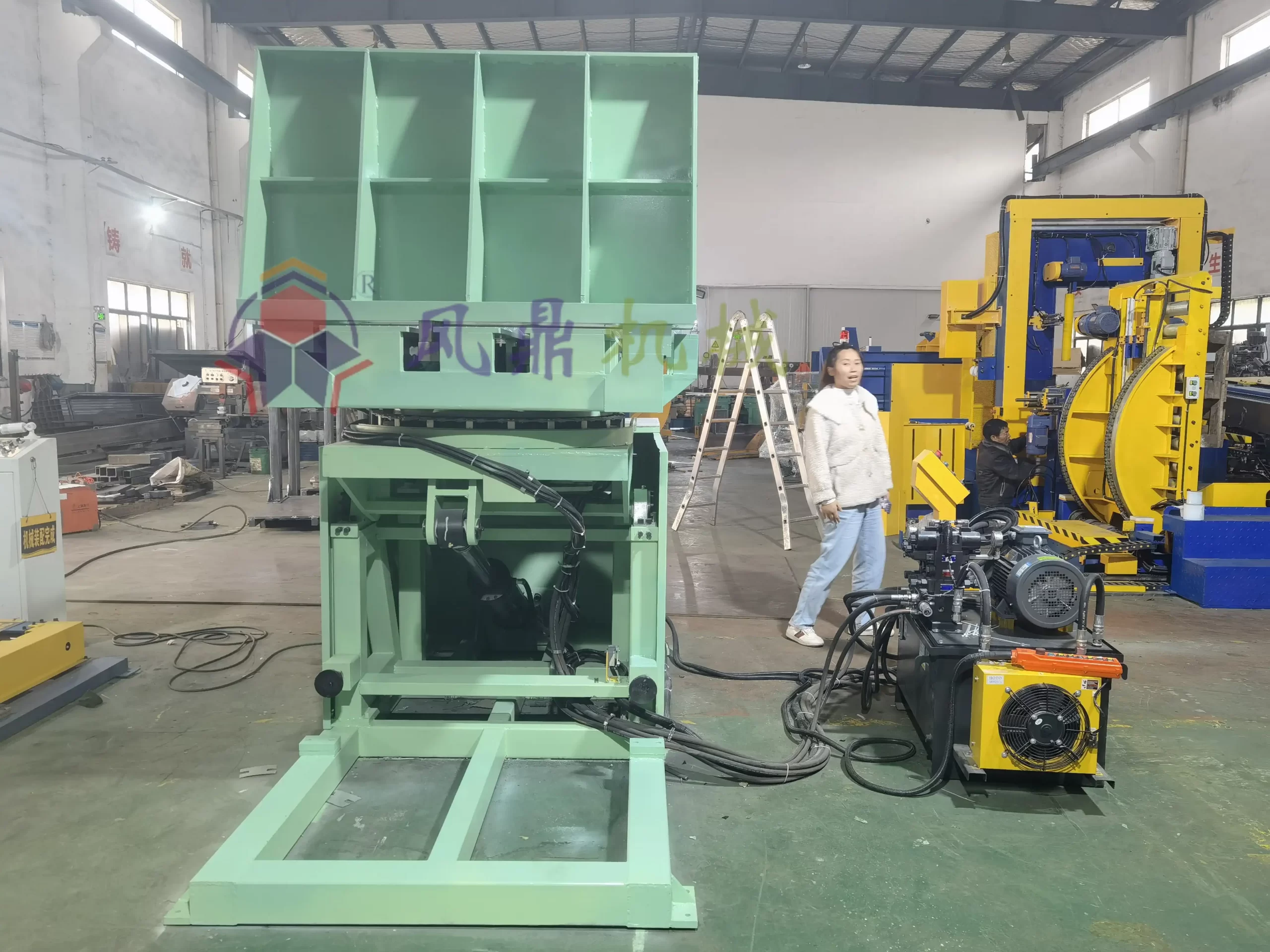
When I started FHOPEPACK, one of my core principles was to optimize processes. I know firsthand how a slow step can bring a whole operation to a halt. In electronics manufacturing, where thousands of units might move through daily, manual handling is a severe limiting factor. Engineers need reliable, high-speed solutions to keep their lines running. Here is how pallet inverters deliver that:
- Faster Cycle Times:
- Quick Inversion: A pallet inverter can complete a full pallet change in just a few minutes, sometimes even seconds. Manual operations, especially for heavy or unstable loads, take much longer. This saves valuable time at each transfer point.
- Continuous Flow: Machines allow for a more continuous flow of products. There is less waiting time between pallet changes. This prevents bottlenecks from forming upstream or downstream in the production or logistics chain.
- Higher Throughput: By speeding up the pallet changing process, the overall throughput of goods increases. This means more products can move through the facility in the same amount of time. This is critical for high-volume electronics production.
- Reduced Labor Dependence:
- Automated Process: Pallet inverters perform the heavy lifting and precise movements automatically. This frees up workers for other, more skilled tasks. This is especially important as labor costs rise and skilled labor becomes harder to find.
- Fewer Personnel: You need fewer people to manage pallet changes. Often, one operator can supervise the machine. Manual changes might require multiple workers, especially for heavy or awkward loads. This makes your labor force more efficient.
- Consistent Performance: Machines do not get tired, distracted, or take breaks. They perform at a consistent speed and quality level throughout the entire shift. Humans, by nature, have varying levels of performance.
- Improved Space Utilization:
- Compact Design: Many pallet inverters have a compact footprint. This helps optimize warehouse or production floor space. Manual pallet staging often requires larger areas for workers to move around.
- Efficient Stacking: Pallet inverters can quickly restack or transfer goods onto different pallet types. This allows for better organization and denser storage. In electronics, space is often at a premium, so efficient use of every square foot matters.
- Eliminating Manual Handling Areas: By automating the process, you can remove designated “manual handling zones.” These often take up significant floor space. This opens up valuable areas for production or storage.
- Enhanced Adaptability to Diverse Pallet Specifications:
- Versatile Design: Many modern pallet inverters handle a wide range of pallet sizes and types. This includes Euro pallets, US pallets, and plastic pallets. This is very important for electronics companies engaged in international trade.
- Quick Adjustments: Machines can often be quickly adjusted or programmed to accommodate different pallet dimensions. Manual methods are far less flexible. Adjusting to different pallet types with manual labor is slow and can cause mistakes.
- Compliance with Regulations: Automatically switching to the correct pallet type ensures compliance with different national and international shipping regulations. This avoids costly delays and fines. My experience working with clients shipping globally, like Carlos’s food and beverage group, shows this is a huge pain point. Different countries have different pallet rules.
Ensuring Workplace Safety: Do Manual Pallet Changes Risk Accidents?
Safety is non-negotiable in any workplace, especially when dealing with heavy loads. Manual pallet handling inherently involves risks: back injuries, crushed limbs, and falling goods. These incidents lead to high medical costs, lost workdays, and legal liabilities. It also creates a fearful work environment.
Manual pallet changes carry significant safety risks, including musculoskeletal injuries, crushing hazards, and accidents from falling loads. These risks increase insurance costs and reduce worker morale. Pallet inverters drastically improve workplace safety by automating the process. They remove humans from dangerous tasks, reduce physical strain, and minimize the chance of accidents.
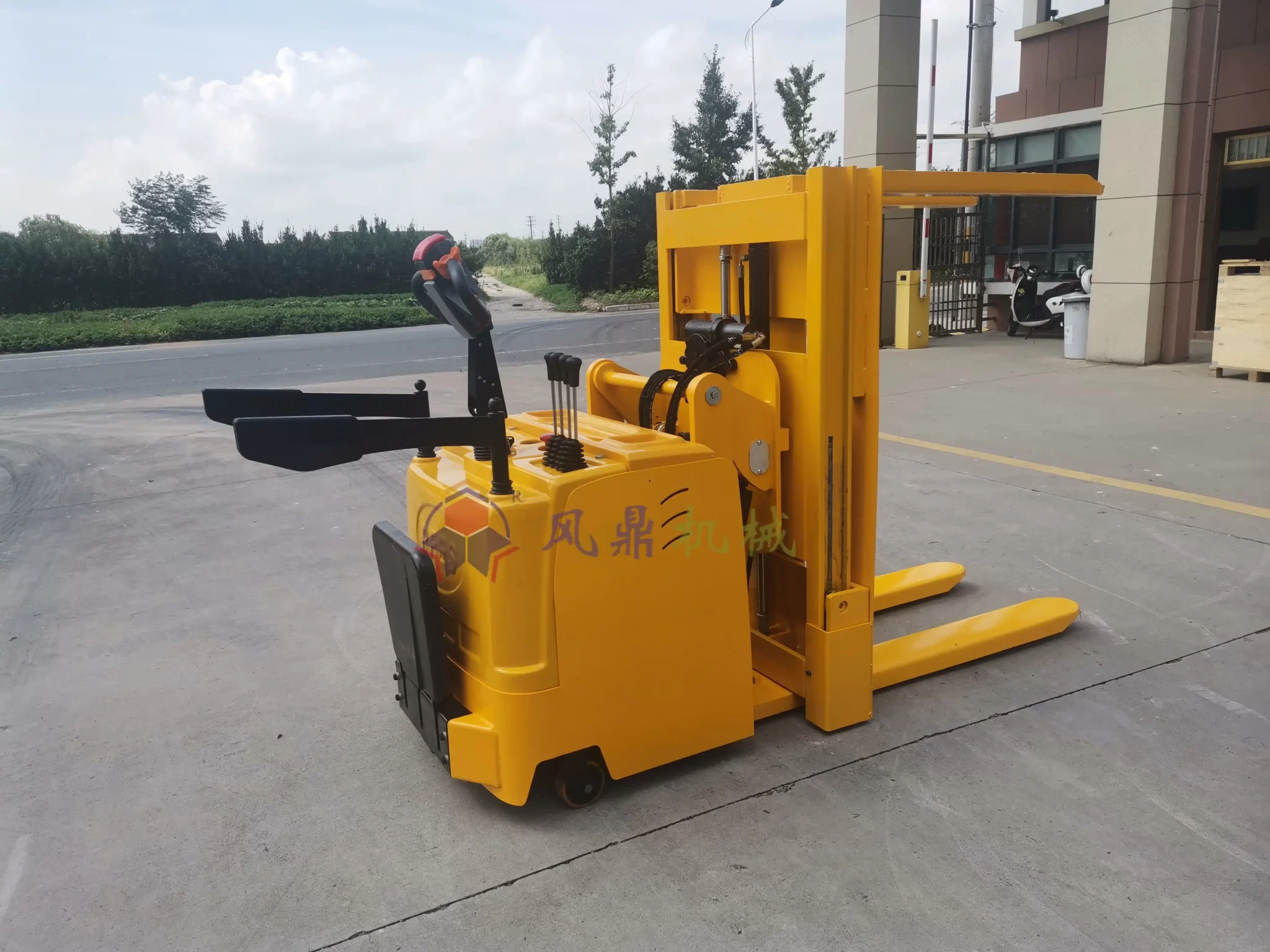
I have always believed that a truly efficient factory is a safe factory. When I talk to plant managers and engineers, safety is always a top concern. No one wants to see a team member get hurt. In my years, I have heard too many stories of injuries from manual lifting and maneuvering of heavy goods. For sensitive electronics, the risk of product damage often goes hand-in-hand with the risk of human injury. Pallet inverters address these risks head-on:
- Eliminating Heavy Lifting and Twisting:
- Reduced Physical Strain: Pallet inverters remove the need for workers to manually lift, push, or pull heavy pallets. This is the primary cause of back injuries, strains, and sprains. These are common in warehouse settings.
- Ergonomic Improvement: The machine does the work. Workers only need to load and unload pallets, often with a forklift or pallet jack. This greatly improves the ergonomics of the task. It reduces the risk of repetitive strain injuries.
- Fewer Workman’s Comp Claims: By reducing injuries, companies see a drop in workman’s compensation claims and related insurance costs. This is a clear financial benefit.
- Minimizing Crushing and Falling Object Hazards:
- Controlled Environment: Pallet inverters operate within a designated safety zone. Safety features like light curtains or interlocks prevent access during operation. This keeps workers safe from moving parts.
- Secure Gripping: The machine grips the load firmly and securely throughout the inversion process. This prevents pallets or goods from shifting, tilting, or falling. Manual attempts to reorient a pallet are far riskier.
- Reduced Product Spillage: For sensitive electronics, falling products mean not only damage but also potential hazards to workers. The controlled movement of an inverter prevents such spills.
- Adherence to Safety Regulations:
- Compliance: Using automated equipment helps companies comply with occupational safety and health regulations. These regulations aim to protect workers from hazards associated with manual handling.
- Lower Risk Profile: Companies with automated pallet handling have a lower overall risk profile. This can lead to better insurance rates and fewer regulatory inspections or fines.
- Improved Safety Culture: Investing in safety equipment shows a commitment to worker well-being. This boosts morale and creates a positive safety culture in the workplace.
- Reducing Fatigue-Related Accidents:
- Consistent Performance: Humans get tired. Fatigue leads to a loss of focus and an increased risk of accidents. A machine performs consistently, hour after hour, without tiring.
- Eliminating Repetitive Tasks: Manual pallet changes are often highly repetitive. This can lead to both physical and mental fatigue. Automating this task reduces the burden on workers. This allows them to focus on less strenuous, more cognitive tasks.
- Better Resource Allocation: Workers who are not exhausted from heavy lifting are more alert and effective in other areas of the operation. This also indirectly improves safety by having more attentive personnel.
Achieving Long-Term Value: Is a Pallet Inverter a Smart Investment?
At first glance, a pallet inverter seems like a big investment. But engineers look beyond the initial cost. They see the long-term value. Manual handling has hidden costs: constant product damage, slow processes, and expensive worker injuries. These costs add up fast. They erode profits and hold back growth.
A pallet inverter is a smart long-term investment. It significantly reduces operational costs, provides a rapid return on investment (ROI), and enhances overall business resilience. By minimizing product damage, optimizing labor, and improving safety, these machines deliver substantial value that far outweighs their initial price. This makes them a strategic asset for electronics manufacturers.

My goal at FHOPEPACK is not just to sell machines. It is to provide solutions that generate real value for our clients, helping them grow their businesses, just as my journey helped me. I understand that every investment must make sense financially. For sensitive electronics, the financial benefits of a pallet inverter are clear and measurable. Here is why engineers see this as a smart move:
- Reduced Product Damage Costs:
- Lower Scrap Rates: Fewer damaged electronic components mean less waste and lower scrap disposal costs. This directly impacts the cost of goods sold.
- Fewer Reworks: When products are handled gently, there is less need for costly repairs or reworks. This saves time and resources in the production process.
- Improved Customer Satisfaction: Fewer damaged products reaching customers means fewer returns, complaints, and warranty claims. This protects your brand reputation.
- Insurance Savings: A reduction in product damage claims can lead to lower insurance premiums over time.
- Optimized Labor Costs:
- Decreased Labor Hours: Automating pallet changes means you need fewer workers for this specific task. This allows you to reallocate labor to other value-adding activities or reduce overall labor expenses.
- Reduced Overtime: With faster, more efficient processes, the need for costly overtime hours often decreases. This further lowers operational costs.
- Lower Training Costs: While there is initial training for the machine, the need for continuous training on manual lifting techniques or specific handling procedures for diverse pallets becomes less critical.
- Faster Return on Investment (ROI):
- Tangible Savings: The savings from reduced damage, lower labor costs, and improved efficiency are all measurable. This makes calculating the ROI straightforward.
- Short Payback Period: For high-volume operations or those handling extremely high-value electronics, the payback period for a pallet inverter can be surprisingly short, sometimes within months.
- Increased Capacity: By removing bottlenecks, the inverter can help the entire facility increase its production capacity without needing to expand physically. This brings more revenue.
- Enhanced Operational Resilience and Scalability:
- Consistent Performance: Machines offer predictable performance, making production planning easier and more reliable. This builds a more resilient supply chain.
- Scalability: As production volumes grow, a pallet inverter can handle increased demands more easily than manual operations. You can scale your operations without proportionally increasing labor or risks.
- Competitive Advantage: Companies using advanced automation tools like pallet inverters gain a competitive edge. They are more efficient, safer, and produce higher-quality goods. This is crucial in the competitive electronics market.
Conclusion
Engineers in sensitive electronics production prefer the pallet inverter because it is a vital tool for safeguarding product quality, boosting efficiency, ensuring safety, and delivering clear economic benefits. It is an investment that moves beyond simple cost and offers a truly engineered solution for complex challenges.








